
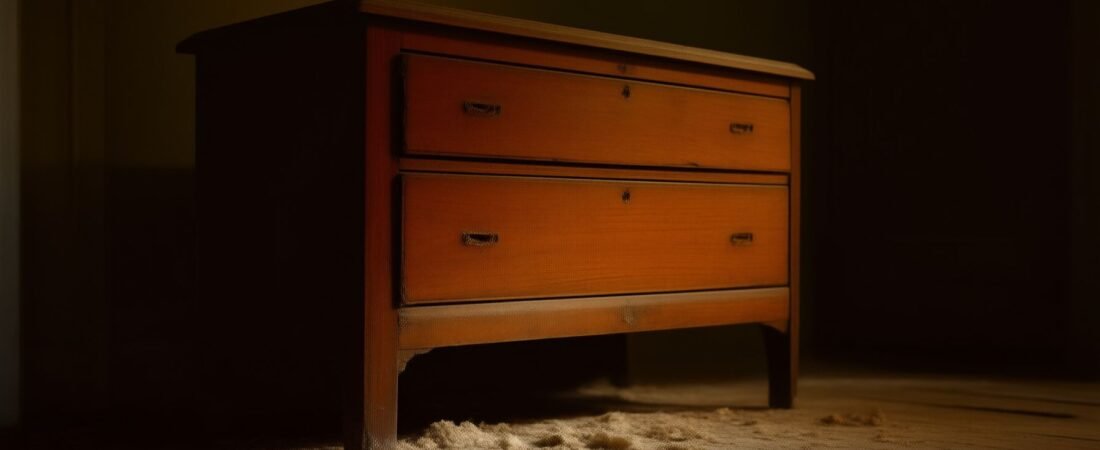
Fumigation is overkill for a dresser. That’s the real answer most pest control websites won’t lead with, because there’s no money in telling you to put a piece of furniture in a black plastic bag in the sun. The truth is that drywood termites in isolated furniture — not subterranean termites connected to a colony in your soil — can almost always be eliminated without tenting your entire house. The problem is that most homeowners misidentify which type they have, apply the wrong treatment, and then wonder why the termites came back.
Are You Treating the Right Kind of Termite? (This Is Where Most People Go Wrong)
The single biggest mistake people make when trying to eliminate termites in furniture without fumigation is skipping species identification. Drywood termites live entirely inside the wood they eat — they don’t need soil contact, don’t need a ground colony, and can survive in a single chair leg for years. Subterranean termites, on the other hand, live underground and send workers up through mud tubes to forage. If your furniture has subterranean termites on it, that furniture is almost certainly near a much larger infestation in your subfloor, walls, or foundation — and no amount of furniture treatment will solve that.
You can tell drywood termite damage apart from subterranean damage by looking inside the galleries. Drywood termites push tiny, six-sided fecal pellets called frass out of small kick-out holes — these pellets look like grains of sand or sawdust and are one of the most reliable early indicators you’ll find. Subterranean termites, by contrast, leave muddy, soil-packed tunnels and rarely produce visible frass. If you’re seeing clean, gritty pellets under or around a piece of furniture, you’re almost certainly dealing with drywood termites, which means localized treatment is absolutely viable. If you’re unsure, a Best Termite Detection Devices for Early Warning article on this site can help you monitor more systematically before committing to any treatment.
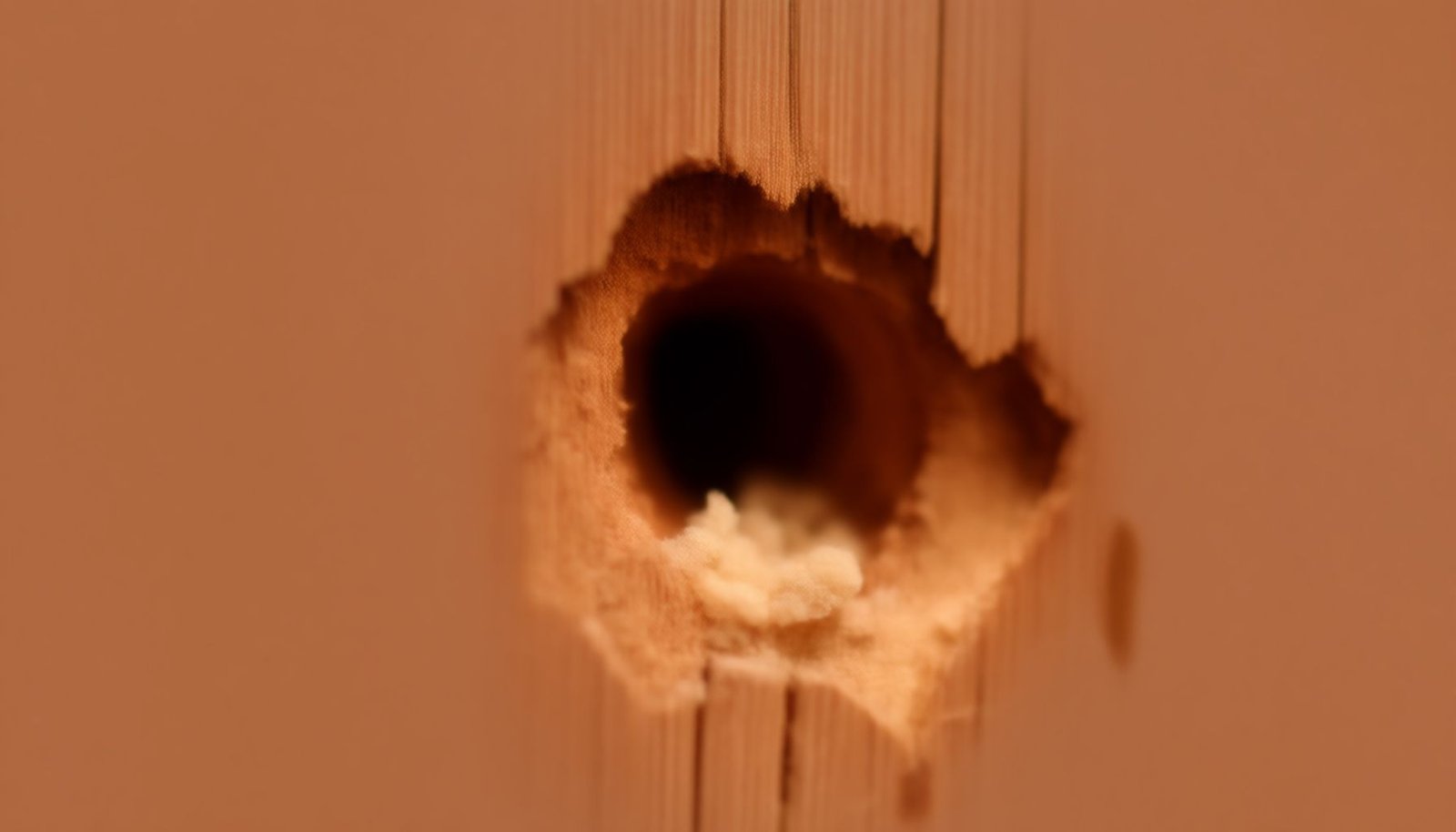
This close-up shows the characteristic frass pellets and kick-out holes left by drywood termites in wooden furniture — identifying these details correctly is what separates an effective targeted treatment from a wasted effort.
Does Heat Treatment Actually Kill Termites in Furniture?
Heat is one of the most effective non-chemical methods for eliminating drywood termites in furniture, and it works for a simple biological reason: termite colonies cannot regulate their own temperature. When the wood core reaches 120°F (49°C) and holds there for at least 33 minutes, every life stage — eggs, nymphs, workers, reproductives — is killed. The challenge isn’t getting the surface hot enough; it’s getting the heat to penetrate deep into thick joints, upholstered frames, and dense hardwoods where termites actually live.
For a single piece of furniture, solar heat is genuinely effective if done correctly. Wrap the piece tightly in black plastic sheeting, seal all openings with tape, and leave it in direct sunlight on a hot day when ambient temperatures are above 95°F. Use a probe thermometer inserted into the thickest part of the wood — not the surface — to confirm internal temperature. On a 100°F day with proper black-bag wrapping, most furniture pieces will reach lethal core temperatures within 2–4 hours. This method won’t work for antiques with delicate veneers, pieces with wax finishes that can melt, or items with electronics — for those, you’ll need a different approach entirely.
Which Chemical Treatments Work Directly Inside Infested Wood?
Spot chemical treatment is the most precise option for furniture that can’t tolerate heat. The goal is to get an active ingredient into the galleries where termites are actually living — not just onto the surface, where it does almost nothing. Two products stand out for direct wood injection: orange oil (d-limonene) and Tim-bor (disodium octaborate tetrahydrate). Orange oil works by dissolving the waxy outer layer of termites on contact, causing fatal dehydration. It’s derived from orange rinds and leaves no long-term residue, which makes it popular for furniture treatment. Borates like Tim-bor penetrate wood fibers and disrupt the termites’ ability to digest cellulose — they essentially starve. A termite colony of even 2,500 individuals (on the small end for drywood species) can consume a surprising amount of wood before you notice structural damage, so speed matters.
Application technique is everything with spot treatments. You’ll drill 1/8-inch injection holes every 3 to 6 inches along the termite galleries, inject the product with a low-pressure applicator until you see liquid seeping from adjacent holes, then plug the holes with wooden golf tees or wood filler. This isn’t guesswork — you’re mapping the gallery system and flooding it systematically. One honest caveat: if the infestation has spread through more than 30–40% of a piece of furniture, spot injection becomes logistically difficult and less reliable. At that point, heat treatment or disposal becomes the smarter call.
Pro-Tip: Before drilling any injection holes, tap the wood with a screwdriver handle in a grid pattern. Infested galleries sound distinctly hollow compared to solid wood — use that sound map to guide your drill points rather than drilling randomly and missing active areas entirely.
| Treatment Method | Best For | Effective Kill Time | Limitations |
|---|---|---|---|
| Solar Heat (Black Bag) | Solid wood furniture, small to mid-size pieces | 2–4 hours at 120°F core temp | Not for antiques, veneer, or wax finishes |
| Orange Oil Injection | Localized drywood infestations, finished pieces | Contact kill; residual 1–2 weeks | Doesn’t penetrate deep galleries well alone |
| Borate Injection (Tim-bor) | Unfinished or bare wood furniture | Kills within days of ingestion | Requires bare or stripped wood for absorption |
| Freezing | Small decorative pieces, frames | 72–96 hours at 0°F or below | Moisture damage risk; requires deep freeze access |
What Steps Should You Take Before Treating Infested Furniture?
Treatment prep is where people consistently skip steps and then blame the treatment when termites return. Before you apply anything, isolate the piece completely — move it away from walls, other furniture, built-in cabinetry, and wood floors. Drywood termites can spread to adjacent wood during the disturbance of treatment, and you don’t want to chase an infestation that just relocated six inches to your baseboard. Keep the piece on a hard, non-wood surface like concrete or tile during the entire process.
Here’s a sequence that actually works, in order:
- Confirm the species: Collect frass samples and inspect for kick-out holes. If you’re not seeing frass, look for mud tubes — that changes everything about your treatment approach.
- Photograph the damage: Document gallery locations, frass ejection holes, and any structural weakening before you drill or treat. This gives you a baseline to verify whether the treatment worked.
- Remove drawers, cushions, and hardware: These can trap heat unevenly or absorb chemicals differently. Treat structural wood separately from fabric and metal components.
- Tap-test and map the infestation: Use a screwdriver handle to sound out hollow areas and mark them with tape or chalk before drilling injection points.
- Apply treatment to mapped areas only: Flooding untouched wood with chemicals or heat wastes product and can damage the piece. Target what you’ve confirmed is infested.
- Monitor for 60–90 days post-treatment: New frass appearing after treatment is the clearest sign of surviving termites. If it stops completely within 3–4 weeks, treatment was successful.
“The furniture treatment failures I see most often come from homeowners treating the surface of the wood rather than the galleries inside it. Drywood termites don’t live near the surface — they live 1 to 3 inches deep in the wood, and any product that doesn’t reach that depth is essentially decorating the outside of their habitat. Injection is non-negotiable for chemical treatments to work.”
Dr. Marcus Webb, Board-Certified Entomologist and Wood-Destroying Organism Specialist, Texas A&M AgriLife Extension
How Do You Prevent Termites From Spreading to the Rest of Your House During Treatment?
Picture this: you move a termite-infested bookcase away from the wall to treat it, and during that disturbance, a handful of winged reproductives — called alates — drop from an exit hole and scatter. In the right conditions, even a single pair can establish a new colony. A mature drywood termite colony typically contains 2,500 to 3,000 individuals, but a new founding pair only needs a small crack in wood to start over. That risk is real, and it’s why containment during treatment matters as much as the treatment itself.
Here’s what containment actually looks like in practice:
- Move infested furniture outdoors or to a garage with a concrete floor before beginning any treatment — this eliminates the risk of disturbed termites finding new wood inside.
- Seal any nearby wood surfaces (baseboards, floor trim, adjacent furniture) with a surface borate spray like Boracare while the infested piece is being treated — this creates a chemical barrier even if termites wander.
- Check the area where the furniture stood for kick-out frass on the floor and in wall crevices — if you find it there, the infestation may have already spread to structural wood.
- Don’t vacuum frass immediately — collect a sample first and examine it. Fresh frass (bright, moist-looking) means active feeding; old frass (dusty, discolored) may mean the colony has already moved deeper into the wood or elsewhere.
- Inspect adjacent furniture and wood trim within a 10-foot radius using a flashlight and probe, looking for soft spots, hollow sounds, or small round exit holes — drywood termites can spread to new wood when their current food source is disrupted.
There’s also a timing consideration that most guides skip: avoid treating during termite swarming season in your region, which for drywood species is typically late summer to early fall. Disturbing a colony during swarming increases the risk of alates dispersing. If you know swarmers have already appeared from the piece, treat it as an emergency — seal it in plastic immediately and get it outside before doing anything else. For ongoing monitoring of nearby wood, the same principles used in Best Ant Killer Gels for Hard-to-Reach Cracks — specifically, getting product deep into wood crevices rather than treating surfaces — apply directly to how you’d approach preventive borate application around baseboards and trim.
One thing worth saying plainly: localized furniture treatment works extremely well for confirmed drywood termite infestations that haven’t spread to structural wood. But if you’re finding frass in multiple rooms, noticing damage in built-in cabinetry, or spotting mud tubes anywhere — those are signals that the furniture was never the main event. In that case, a licensed inspector isn’t optional. Non-fumigation localized treatment for furniture is genuinely effective, but only when the infestation is actually localized. Knowing that distinction before you start is what separates a solved problem from six months of chasing termites around your house.
Frequently Asked Questions
Can you get rid of termites in furniture without calling an exterminator?
Yes, you can handle a localized termite infestation in furniture yourself without professional fumigation. Methods like heat treatment, cold treatment, orange oil, and borate-based sprays are all effective DIY options. That said, if you’re seeing swarmers or damage in multiple pieces or structural wood, it’s worth getting a professional inspection before things get worse.
What temperature kills termites in wood furniture?
Termites die at temperatures above 120°F or below 20°F. For heat treatment, you’ll want to get the core of the wood to at least 120°F and hold it there for 30 minutes. You can use a black plastic bag left in direct sunlight for small pieces, or a heat chamber for larger items — just make sure the heat penetrates all the way through.
Does freezing furniture kill termites?
Freezing does kill termites, but it takes longer than heat. You’ll need to keep the infested furniture at 20°F or below for at least 72 hours, and ideally up to 4 days to make sure the cold reaches deep into the wood. Wrap the piece in plastic to protect the finish, and make sure your freezer is large enough and actually holds a consistent temperature throughout.
How do I know if termites are still active in my furniture?
The clearest signs of active termites are tiny piles of frass, which looks like sawdust or coffee grounds, near or below the furniture. You might also hear a faint clicking or rustling sound inside the wood if you hold it to your ear in a quiet room. If the frass piles keep coming back after you clean them up, that’s a strong indicator the colony is still active.
Will orange oil actually kill termites in wood furniture?
Orange oil can kill termites on contact because it contains d-limonene, which breaks down their exoskeletons and eggs. It works best for drywood termites in smaller, accessible areas — you inject it directly into termite galleries through small drilled holes. It’s not a whole-house solution and won’t penetrate deeply enough to wipe out a large or hidden colony, but it’s a solid non-toxic option for isolated furniture infestations.
Disclaimer: This article is for informational purposes only and isn’t a substitute for professional pest control advice. Always read and follow the product label instructions exactly — label directions are legally binding and vary by brand and active ingredient. Keep all pesticides, baits and traps away from children and pets, ventilate treated areas as directed, and consider calling a licensed pest control professional if an infestation is large, recurring, or involves a structural pest like termites or carpenter ants.