

Termites won’t bite you, sting you, or crawl on your food — and that’s exactly why most people assume they’re harmless to human health. That assumption is wrong, and it costs some families more than just structural repairs. The real health risks of a termite infestation are indirect, slow-building, and easy to misattribute to something else entirely. By the time a homeowner connects their respiratory symptoms or persistent headaches to the colony eating through their walls, the damage — structural and biological — is already well underway.
Do Termites Actually Pose a Health Risk to Humans?
Yes — but not in the way you’d expect from a pest. Termites don’t carry diseases transmissible to humans, and they’re not venomous. The health risk comes from what their presence creates: mold, airborne particulates, fungal spores, and in some cases, chemical exposure from aggressive or poorly timed treatment. These secondary effects are what drive real health consequences inside infested homes.
Subterranean termites — the most common species in the U.S. — require moisture to survive. They actively seek out damp wood and often introduce or accelerate moisture intrusion inside walls, subfloors, and ceilings. That moisture becomes the breeding ground for mold colonies, sometimes within 24–48 hours of a water event. In a home with an active termite infestation, you’re rarely dealing with just termites.
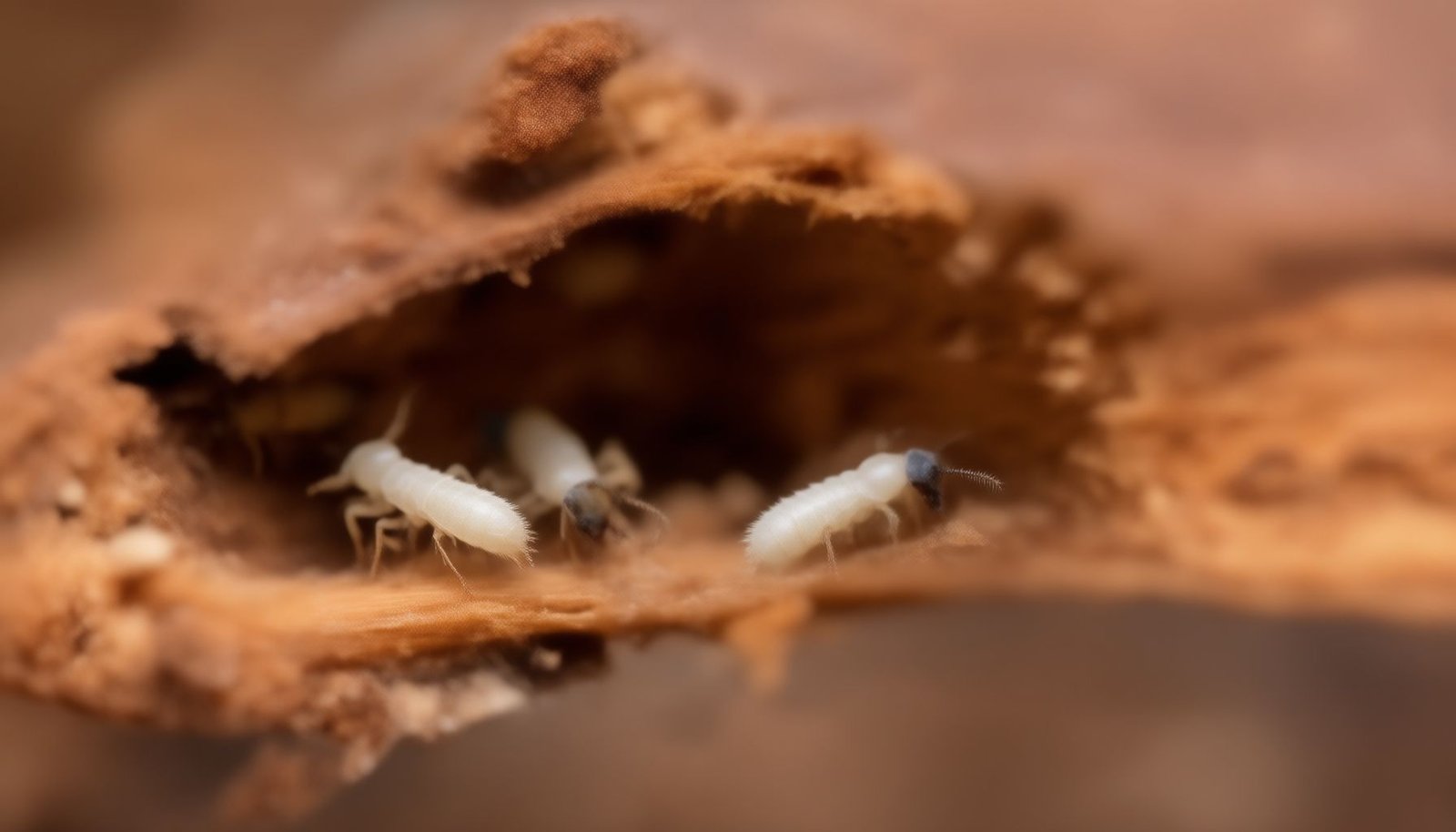
This image shows termite damage inside a wall void alongside visible mold growth — a combination that’s more common than most pest inspections acknowledge, and one that changes what kind of remediation your home actually needs.
How Does Termite Damage Lead to Mold and What Does That Mean for Your Lungs?
Here’s the connection most termite articles skip: subterranean termites build mud tubes and maintain a humid microclimate wherever they’re active. That sustained moisture — trapped inside wall cavities or underneath flooring — creates exactly the conditions mold needs to colonize. Stachybotrys chartarum (black mold) and Aspergillus species both thrive in the 70–90% relative humidity range that termite colonies prefer. You can have a serious mold problem entirely hidden inside your walls before you ever see a single termite.
Mold spores released into indoor air are the actual health vector here. Inhaling them regularly can trigger allergic reactions, worsen asthma, and in immunocompromised individuals, lead to serious respiratory infections. The EPA estimates that mold affects indoor air quality in a way that can cause symptoms including nasal congestion, throat irritation, coughing, and eye irritation — none of which anyone would instinctively blame on a termite problem hidden behind drywall. That’s the insidious part.
“The mold co-infestation in termite-damaged homes is systematically underreported because inspectors focus on structural loss. But the moisture termites introduce into concealed spaces is a reliable mold incubator, and the residents are breathing whatever that mold produces — often for months before anyone investigates the air quality.”
Dr. Marcus Ellroy, Board-Certified Entomologist and Indoor Air Quality Consultant, University Extension Specialist
What Are the Specific Health Symptoms Linked to Termite Infestations?
Because the health risks are indirect, the symptoms tend to look like other things — seasonal allergies, a lingering cold, or “just the way the house smells.” That’s what makes them so easy to dismiss. Here’s a breakdown of documented health effects associated with conditions caused by or worsened by active termite infestations:
- Respiratory irritation and chronic cough — Mold spores in termite-damaged wood, combined with frass (termite waste) particles that become airborne during feeding activity, can irritate bronchial passages and trigger persistent coughing, especially in children and elderly residents.
- Allergic reactions and skin irritation — Termite saliva and body parts contain proteins that are known allergens. In rare cases — usually when a colony is disturbed or a large swarm occurs indoors — sensitized individuals can develop skin rashes, itching, or hives from direct contact or airborne exposure.
- Asthma exacerbations — The combination of termite frass, mold spores, and increased dust from structurally compromised materials creates a high-particulate indoor environment. For the roughly 25 million Americans who have asthma, this is a genuine trigger risk.
- Headaches and neurological symptoms from treatment chemicals — This one catches people off guard. Organophosphate and pyrethroid-based termiticides, when applied without adequate ventilation or re-entry intervals, have been associated with headaches, dizziness, nausea, and in overexposure cases, more serious neurological effects. The infestation indirectly causes the chemical exposure.
- Psychological stress and sleep disruption — A 2019 study published in the journal Pest Management Science found that homeowners with confirmed structural pest infestations reported significantly elevated anxiety and sleep disturbance compared to controls. Knowing your home is being eaten from inside is not a neutral psychological experience.
Picture this: a family in a humid climate spends two years dealing with what their allergist keeps calling “environmental allergies.” They try new air filters, change their cleaning products, switch detergents. It’s only when a contractor pulls back a baseboard during a bathroom renovation that they find a subterranean termite gallery running the full length of the interior wall — completely packed with mud and mold. The “allergy” clears up within six weeks of remediation. This scenario is more common than most people realize, and it happens specifically because the symptoms never point obviously to termites.
Is Termite Frass Dangerous and What Exactly Is It?
Termite frass is the collective term for the waste material termites produce — and it’s worth understanding what’s actually in it, because most pest control content barely mentions it. Drywood termites push their frass out of small holes called “kick-out holes,” creating the signature piles that look like sand or coffee grounds. Subterranean termites incorporate their frass into mud tubes. Either way, what you’re dealing with is a mix of fecal matter, wood particles, saliva, and discarded exoskeleton material.
On its own, termite frass isn’t acutely toxic. But it is a particulate allergen when disturbed, and frass from colonies living inside mold-affected wood can carry fungal spores. The real concern is cumulative exposure — if you have a large, mature colony (termite colonies can contain over 1 million individuals in their peak years), you have a continuous source of biological particulates inside your home’s air envelope. That matters particularly in tight, well-insulated modern homes where air exchange rates are low.
Pro-Tip: If you find what looks like small sand piles or hexagonal pellets near baseboards, window frames, or door jambs, don’t vacuum them up right away and forget about it. Take a close-up photo and compare it to drywood termite frass identification images — those kick-out holes nearby are the key detail that confirms active infestation versus old damage. This distinction changes what treatment is actually needed.
Who Is Most Vulnerable to the Health Effects of a Termite Infestation?
Not everyone in an infested home will feel health effects equally. The risk profile changes significantly based on who’s living there, how long the infestation has been active, and what part of the country you’re in. High-humidity climates like the Gulf Coast, Florida, and the Pacific Northwest create faster mold co-development, which raises the health stakes compared to arid regions where termite activity is still significant but moisture accumulation is slower.
The groups most at risk from termite-related health effects include:
- Children under 5 — Developing respiratory systems are more sensitive to mold spores and airborne allergens, and children spend more time at floor level where frass and particulates concentrate.
- Adults over 65 — Aging immune systems handle mold exposure less effectively, and pre-existing respiratory conditions like COPD are significantly worsened by high-particulate indoor air.
- Immunocompromised individuals — People undergoing chemotherapy, living with HIV/AIDS, or taking immunosuppressant medications face elevated risk from Aspergillus mold species, which can cause serious invasive fungal infections.
- Anyone with pre-existing asthma or severe allergies — The allergen load from termite byproducts and co-occurring mold can push a manageable condition into frequent exacerbation territory.
- Residents in homes with crawl spaces — Subterranean termite activity in crawl spaces creates moisture conditions directly beneath living areas, and that air migrates upward into the home through a process called the “stack effect.” You’ll breathe what your crawl space is producing whether you want to or not.
| Vulnerability Factor | Associated Health Risk | Primary Mechanism |
|---|---|---|
| Children under 5 | Respiratory irritation, allergy development | Mold spores, frass particulates at floor level |
| Elderly residents (65+) | COPD worsening, immune response lag | Sustained mold allergen exposure in low-ventilation areas |
| Immunocompromised adults | Invasive aspergillosis risk | Aspergillus species in termite-damaged moist wood |
| Asthma/allergy sufferers | Frequent asthma attacks, allergic rhinitis | High indoor particulate load from frass and mold |
One honest nuance worth stating clearly: if you have a small, early-stage termite infestation in a dry climate with excellent home ventilation, the immediate health risk is likely low. The scenario becomes genuinely dangerous when infestation is large and long-standing, moisture intrusion is already occurring, and vulnerable people are living in the home full-time. Context determines severity — but it doesn’t eliminate the risk.
It’s also worth noting that pest infestations of many kinds can compromise indoor environments in ways that aren’t immediately obvious. Just as signs of squirrels in the attic can include structural damage and insulation contamination that affects air quality, termite damage creates hidden biological hazards that don’t announce themselves with visible symptoms on the surface.
Can Termite Treatment Itself Become a Health Risk Inside Your Home?
This is the counterintuitive piece that almost no termite health article addresses. The treatment — not just the infestation — carries its own health risk profile, and homeowners who rush into aggressive chemical treatment without understanding re-entry intervals or ventilation requirements can end up with a chemical exposure problem layered on top of their structural one. Liquid termiticides applied to soil around foundations, particularly older organophosphate-based formulas, can off-gas into crawl spaces and migrate into living areas if vapor barriers are compromised.
Fumigation — used for drywood termite infestations — involves tenting the entire home and filling it with sulfuryl fluoride, a gas that is acutely toxic and requires a certified professional with monitoring equipment to manage safely. The gas dissipates and homes are tested before re-entry, but residents who return too early or without proper clearance can experience symptoms ranging from nausea and headaches to pulmonary edema in severe cases. This isn’t a reason to avoid treatment — active termites cause far more long-term harm — but it’s a reason to ask your pest control company specific questions about what they’re applying, where, at what concentration, and what the safe re-entry period is. Similarly, understanding why certain pest problems escalate silently — like learning why ants appear in clean kitchens — helps you see that many household infestations have mechanisms that aren’t obvious on the surface.
The bottom line on termite health risk is this: the pest itself isn’t poisoning you, but the ecosystem it creates inside your home absolutely can. Mold, particulates, allergens, and treatment chemicals all become part of the picture once termites have been active long enough to alter your home’s moisture dynamics. The homeowners who fare best are the ones who don’t stop at structural repair — they also test indoor air quality, address any mold remediation separately, and ask their pest control professional specifically about the health implications of whatever treatment protocol is being recommended. Don’t let anyone convince you this is just a wood problem.
Frequently Asked Questions
can termites make you sick?
Termites don’t bite or sting humans, but they can still affect your health indirectly. Their droppings, shed wings, and saliva can trigger allergic reactions and asthma flare-ups, especially in people who are already sensitive to dust or mold. If you’ve got a large infestation, the particles they release into the air can build up fast.
can termite droppings cause respiratory problems?
Yes, termite droppings — also called frass — can irritate your airways when they get into the air you’re breathing. People with asthma or chronic respiratory conditions may notice more frequent symptoms in a home with an active termite problem. Drywood termites are the biggest culprit here since they push their frass out of tiny holes in wood and it can pile up quickly.
can termites cause mold in your home?
Termites damage wood and create moisture problems that make mold growth much more likely. Subterranean termites in particular bring soil and moisture into walls and flooring as they tunnel, which creates the damp conditions mold needs to spread. Mold exposure can cause serious respiratory issues, headaches, and skin irritation — so a termite problem can quickly turn into a mold problem too.
are termite infestations dangerous for people with allergies?
They can be. Termite saliva, body parts, and fecal pellets are known allergens that can worsen symptoms for people with dust or insect allergies. Some people develop skin rashes or itchy eyes without realizing termites are the cause. If allergy symptoms are getting worse at home and you haven’t identified another reason, it’s worth having the house inspected for pests.
can termite damage make a house structurally unsafe to live in?
Yes, and this is one of the most serious health risks of a termite infestation that people overlook. Termites can compromise load-bearing walls, floor joists, and roof supports over time, creating a real risk of collapse. The USDA estimates termites cause over $5 billion in property damage in the US each year, and much of that is structural. If you see sagging floors, hollow-sounding walls, or buckling ceilings, don’t wait — get a professional inspection immediately.
Disclaimer: This article is for general informational purposes only and does not constitute medical advice. How a pest-related exposure, bite, or contaminant affects you can depend on age, pre-existing conditions, allergies, and the extent of exposure. If you’re experiencing symptoms you believe are linked to a pest problem in your home, please consult a licensed healthcare provider rather than relying on this article alone.