
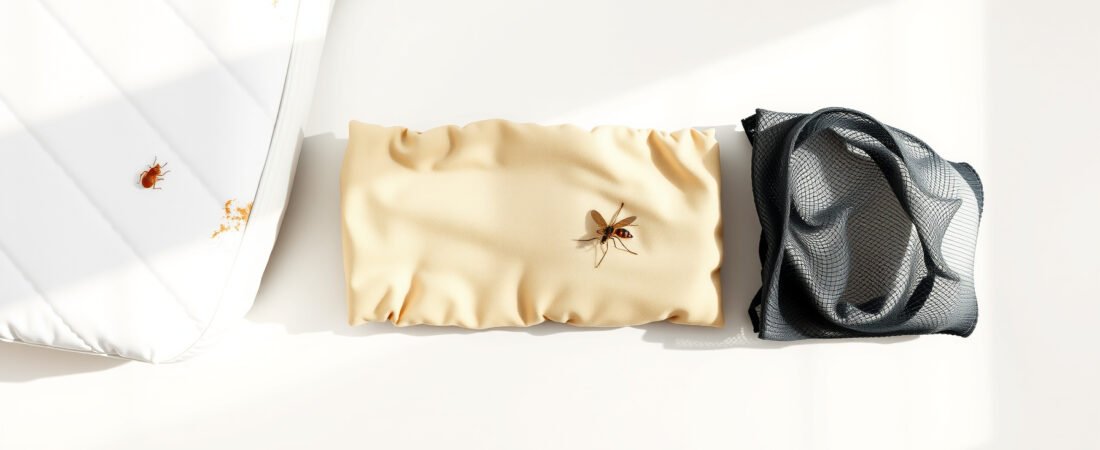
Three bites. That’s often all it takes to send someone spiraling into a 2 a.m. Google rabbit hole trying to figure out whether they need to call an exterminator, buy flea drops for the dog, or just slap on some DEET. Here’s the honest truth most bite-identification articles won’t tell you upfront: the bite itself is almost never a reliable way to identify which pest you’re dealing with — because your skin’s reaction depends more on your immune system than on the bug. The real identification work happens by looking at the bites in context — the pattern, the location on your body, and what else you find in your home.
Why the Bite Alone Can’t Tell You Which Pest You Have
Dermatologists call it “cutaneous hypersensitivity” — and it means two people bitten by the exact same bed bug in the exact same bed can have completely different reactions. One person wakes up with a row of red welts that itch like crazy. The person sleeping next to them shows nothing at all, even though they were bitten too. Studies have found that roughly 30% of people don’t react visibly to bed bug bites, which is why “I’d know if I had bed bugs because I’d see bites” is genuinely one of the most dangerous assumptions in pest control.
Flea bites and mosquito bites have the same immune-variability problem. A person with a strong sensitivity to flea saliva might develop quarter-sized welts that last a week. Someone else gets a tiny pink dot that disappears by morning. This is why diagnosing a pest infestation by bites alone has a failure rate that would make a doctor wince. You need the full picture — bite pattern, bite location, time of day you got them, and physical evidence in your environment.
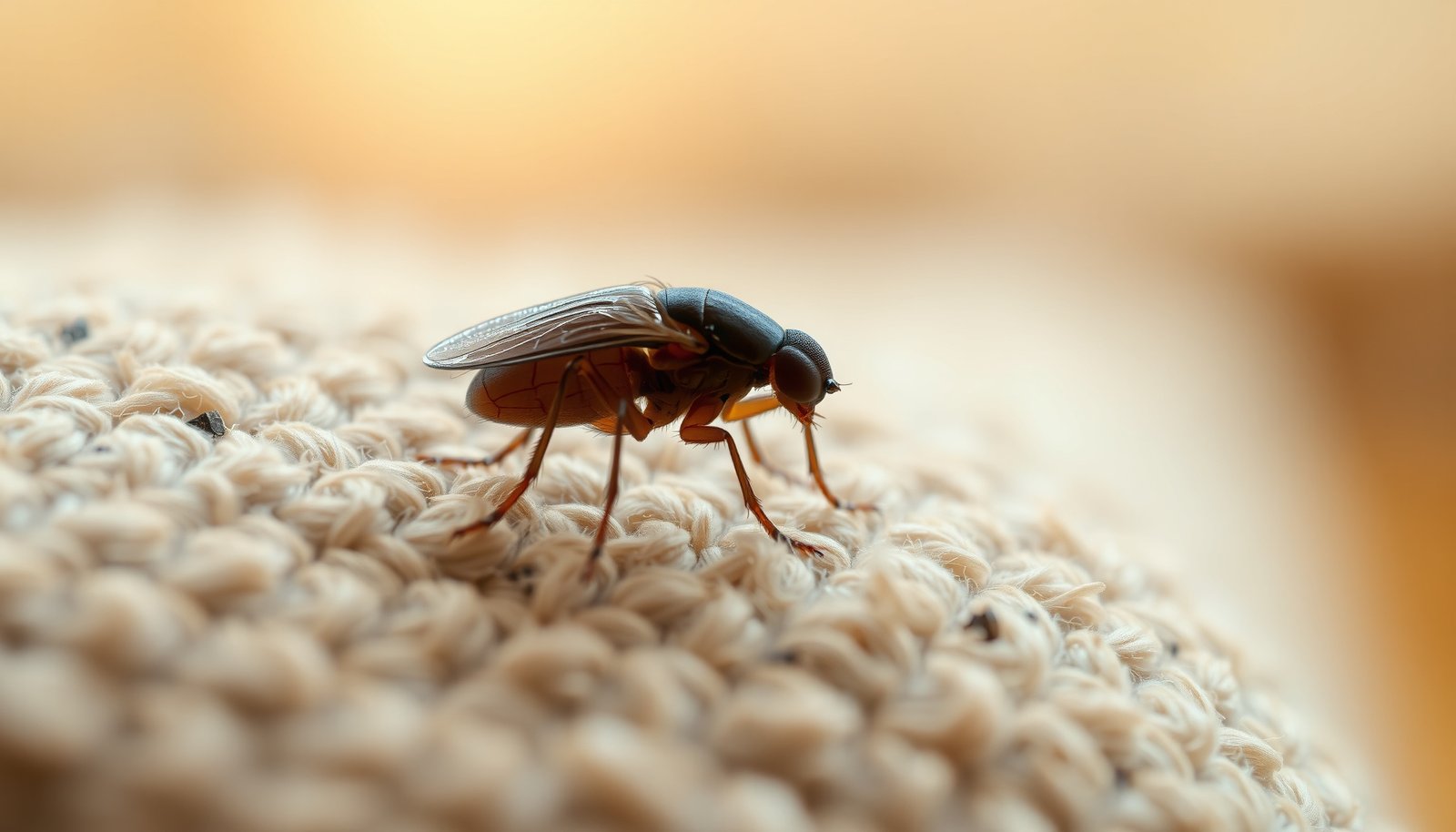
This close-up comparison shows the characteristic differences in welt size, shape, and clustering between bed bug, flea, and mosquito bites — details that are nearly impossible to distinguish without seeing them side by side.
What Do Bed Bug Bites Actually Look Like vs Flea and Mosquito Bites?
When reactions do appear, there are patterns worth knowing — just don’t treat them as definitive. Bed bug bites tend to show up as flat or slightly raised red marks, often with a darker red center, and they appear in clusters or a distinctive linear sequence sometimes called “breakfast, lunch, and dinner” because the bug feeds, moves slightly, feeds again. They show up most on skin that was exposed while you slept — shoulders, arms, neck, and the back of your legs. The itching tends to be intense and persistent, lasting several days.
Flea bites are typically smaller, more intensely red, and almost always concentrated below the knee — ankles and lower legs specifically — because fleas jump from floors and carpets and can’t reliably reach higher. They often have a tiny red halo around them and may show a small puncture point at the center. Mosquito bites, by contrast, are the most random in placement — you get them wherever skin was exposed outdoors or near an open window — and they puff up quickly into a rounded wheal that tends to fade faster than either flea or bed bug reactions, often within 24 hours for people without high sensitivity.
| Feature | Bed Bug Bites | Flea Bites | Mosquito Bites |
|---|---|---|---|
| Typical location | Arms, neck, shoulders, legs (exposed sleep skin) | Ankles, lower legs, feet | Any exposed skin, random placement |
| Pattern | Clusters or straight lines | Scattered groups, often 2–3 close together | Isolated, no pattern |
| Reaction speed | Hours to days after bite | Immediate to within minutes | Within minutes |
| Duration | Days to over a week | Several days | Hours to 1–2 days |
How to Use Timing and Body Location to Narrow Down the Culprit
Timing is one of the most underused clues in bite identification, and it’s more reliable than appearance. Bed bugs are almost exclusively nocturnal feeders — they emerge in the 1–5 a.m. window when carbon dioxide from your breath draws them out. If you’re waking up with new bites that weren’t there when you went to bed, and you don’t have a dog or cat, bed bugs move to the top of your suspect list fast. Flea bites, on the other hand, can happen any time you’re near an infested area — sitting on a couch, walking across carpet, even in a home where a pet previously lived months ago, since flea pupae can remain dormant for up to five months waiting for a host.
Mosquito bites are the easiest to time because you usually notice them while they’re happening or right after being outdoors or near a window in the evening. Picture this: you spent Saturday afternoon on the back porch and woke up Sunday with four itchy bumps on your forearms — that’s almost certainly mosquitoes. But if you’ve been inside all weekend and you’re still waking up with new marks, mosquitoes are unlikely. Body location matters too: bites exclusively below the sock line in a home with a dog or cat who’s been scratching? That’s a flea problem until proven otherwise.
Pro-Tip: Before you do anything else, put on white socks and walk slowly across your carpet for 30 seconds. If fleas are present, you’ll see dark specks jumping onto the white fabric — adult fleas are about 1–3mm long and visible to the naked eye. This single test can immediately rule fleas in or out and save you a lot of guessing.
The Evidence-Based Checklist: How to Confirm Which Pest You’re Actually Dealing With
Because bites are unreliable on their own, pest control professionals always look for corroborating physical evidence before making a call. You should do the same. The type of secondary evidence you find — or don’t find — is what separates a confident identification from a guess. Here’s the logical order to work through it:
- Strip your bed and inspect the mattress seams. Bed bugs leave behind dark brown or rust-colored fecal spots — tiny ink-dot-sized stains — along mattress seams, box spring edges, and headboard crevices. Even if you don’t see live bugs, these spots are strong evidence of an active infestation. Adult bed bugs are about the size of an apple seed (4–5mm), flat, and reddish-brown.
- Check your pets. If you have a dog or cat who’s been scratching excessively, part their fur near the base of the tail and belly. Flea dirt — which looks like ground black pepper — confirms fleas. When you place flea dirt on a wet paper towel, it turns red because it’s digested blood.
- Look for mosquito entry points. Check window screens for tears, gaps around door frames, or any standing water sources within 100 feet of your home — buckets, gutters, plant saucers. Mosquitoes breed in as little as a half-inch of standing water.
- Note whether non-sleeping household members are getting bitten. Bed bugs prefer stationary hosts — they don’t typically bite people who are actively moving around during the day. If your toddler playing on the floor is getting bitten but you’re not, that’s more consistent with fleas than bed bugs.
- Set a passive trap overnight. A simple bed bug interceptor trap (small plastic dishes placed under bed legs) will catch bed bugs attempting to climb up to feed. If you capture nothing after 5–7 nights, bed bugs are less likely — though not impossible in low-population early infestations.
Going through this list takes maybe 20 minutes, and it will give you more actionable information than staring at your bites for an hour ever will. If you do find evidence pointing toward bed bugs and you’re a renter, it’s worth understanding your rights — Bed Bugs Spreading Between Apartments: Who’s Responsible? breaks down exactly what landlords are legally required to do and when you have grounds to push back.
What to Do Next Depending on Which Pest You’ve Identified
Once you’ve got a confident identification — based on evidence, not just bites — the response paths diverge significantly. Mosquitoes inside your home are the simplest fix: seal entry points, eliminate standing water, and use a targeted indoor mosquito trap or treat entry areas with a residual spray. It’s almost never a situation that requires professional intervention. Fleas are messier because of that dormancy window — flea pupae are immune to all pesticides, which is why a single flea treatment almost always fails. You’ll need to treat pets and the environment simultaneously and repeat the process 10–14 days later to catch the pupae as they hatch.
Bed bugs are in a different category entirely. They don’t respond to over-the-counter sprays the way many people hope, they spread through walls in multi-unit buildings, and a small infestation can become a large one quickly because a single female can lay 1–5 eggs per day for her entire lifespan. Professional treatment — whether heat or chemical — is almost always the right call for confirmed bed bugs. The cost and method differences are significant, and if you’re weighing your options, How Much Does Bed Bug Extermination Cost? Heat vs Chemical Treatment gives you a real breakdown of what to expect financially before you make any calls.
“The most common mistake I see homeowners make is treating their bites like a diagnosis. By the time they’ve spent two weeks convinced it’s mosquitoes because the bites look round, the bed bug population has doubled. The bite is a symptom. The mattress seam, the box spring, the interceptor trap — that’s where your actual answer is. Always investigate the environment, not just the skin.”
Dr. Michael Raupp, Extension Entomologist, University of Maryland Department of Entomology
One honest nuance worth naming: identification gets genuinely harder in certain situations. If you live in a warm, humid climate where mosquito season overlaps with peak flea activity — say, coastal Georgia or Florida in late summer — you can absolutely be dealing with both at the same time. A bite on your ankle could be a flea. A bite on your shoulder from the same morning could be a mosquito from the open window. Don’t assume a single explanation accounts for every mark, especially if your environmental evidence points in two directions at once.
Secondary Signs That Confirm or Rule Out Each Pest
Beyond the obvious physical evidence, there are subtler signs each pest leaves behind that most people don’t know to look for. These secondary clues are often what tips a confident identification when the bites themselves are ambiguous or mild.
- Bed bugs — shed skins: As bed bugs grow through five nymph stages before reaching adulthood, they shed their exoskeleton each time. These translucent, empty shells are often found near harborage sites — behind outlet covers, under the mattress tag, inside box spring fabric corners — and are sometimes easier to spot than live bugs.
- Bed bugs — sweet musty odor: A moderate to heavy infestation often produces a distinctive sweet, slightly musty smell sometimes described as coriander or overripe berries. It’s subtle at low populations but noticeable once you know what you’re smelling for.
- Fleas — visible jumping insects: Adult fleas are visible to the naked eye at 1–3mm and move by jumping — up to 7 inches vertically — which is a dead giveaway. If you see tiny dark specks jumping off your pet or your carpet, you don’t need any further identification work.
- Fleas — pet behavior changes: Excessive scratching, biting at the base of the tail, or head-shaking in a dog or cat is one of the earliest signals of a flea infestation, often showing up before humans in the home start getting bitten at all.
- Mosquitoes — sound and activity time: The distinctive high-pitched whine of a mosquito near your ear, combined with bites that appeared in the evening or outdoors, is essentially a closed case. Indoor mosquito infestations (as opposed to occasional indoor strays) are rare and almost always trace back to a specific entry point or standing water source very close to the home.
Here’s the counterintuitive part that almost nobody talks about: finding zero secondary evidence doesn’t rule out bed bugs the way it rules out fleas. Flea populations leave obvious signs quickly because the infestation grows fast and spreads everywhere. Bed bug populations in the early stages — fewer than 50 individuals — can be remarkably contained, hiding in a single seam of one mattress, leaving minimal fecal spotting and no odor at all. Early bed bug infestations are genuinely hard to confirm even for professionals, which is exactly why the interceptor trap method over 5–7 nights is worth doing even when you’re not finding other evidence.
Getting the identification right the first time isn’t just about peace of mind — it determines whether you spend $15 on a flea comb or $1,500 on heat treatment. Work the evidence systematically, treat the environment rather than just the bites, and if the signs are pointing toward bed bugs, don’t wait to see if they go away on their own. They won’t.
Frequently Asked Questions
how do I know if I have bed bug bites vs flea bites vs mosquito bites?
The biggest clues are pattern, location, and timing. Bed bug bites show up in clusters or lines — often 3 in a row — on skin exposed while you sleep, like your arms, neck, and shoulders. Flea bites tend to cluster around your ankles and lower legs and appear shortly after being near pets or infested carpet. Mosquito bites are random, show up immediately after being outdoors, and cause a raised welt that fades within 24 to 48 hours.
do bed bug bites itch more than mosquito bites?
Not necessarily — it depends on how your body reacts. Mosquito bites cause an immediate histamine response, so the itch hits fast and hard but fades quickly. Bed bug bites can take 1 to 3 days to show up and the itch tends to linger longer, sometimes for a week or more. Some people don’t react to bed bug bites at all, which makes them harder to identify without checking for other signs like blood spots or shed skins on your mattress.
can flea bites be on your arms or just your legs?
Fleas are jumppers but they don’t jump very high — usually no more than about 7 inches — so bites are most common on the feet, ankles, and lower legs. That said, if you’re holding or sleeping with an infested pet, flea bites can absolutely show up on your arms, stomach, or neck. Finding bites above the waist with no pet contact is a strong reason to consider bed bugs instead of fleas as the source.
what do bed bug bites look like compared to mosquito bites?
Mosquito bites are typically round, puffy, and appear one at a time with no set pattern. Bed bug bites are flatter, more like a small red welt, and almost always show up in grouped clusters or a straight-line pattern on the same part of the body. If you’re waking up with new bites that weren’t there when you went to bed, that’s a strong indicator you’re dealing with bed bugs rather than mosquitoes.
how long do flea bites last compared to bed bug bites?
Flea bites usually stay red and itchy for about 2 to 3 days if you avoid scratching them. Bed bug bites tend to stick around longer — anywhere from 3 days to 2 weeks — and can become more inflamed if scratched repeatedly. Both can get infected if you break the skin, so treat them with antiseptic and an anti-itch cream like hydrocortisone rather than scratching.