
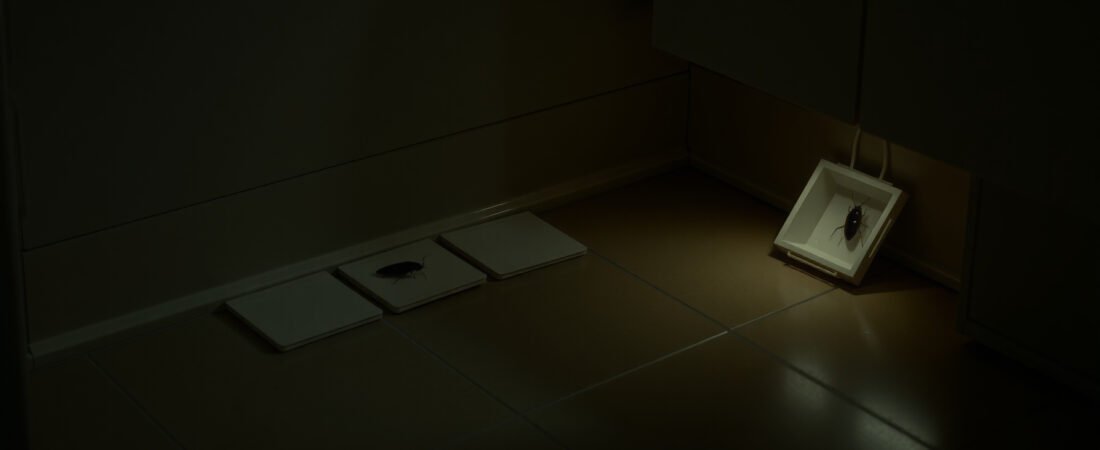
Sticky glue traps are almost universally considered “enough” for apartment roach problems — and that belief is exactly why so many renters are still seeing roaches six months later. Glue traps catch individual insects. They do nothing to interrupt a breeding population, and a single female German cockroach can produce 30–40 eggs per capsule, with multiple capsules in her lifetime. What no-poison traps actually do well — when you pick the right ones and use them strategically — is monitor, intercept, and in some cases seriously reduce populations without putting chemicals anywhere near a kitchen counter or a child’s play area. That’s the real value here, and it’s worth understanding before you buy anything.
Why Most Apartment Renters Pick the Wrong Trap Type First
The average hardware store puts glue boards and bait stations in the same aisle, labeled more or less the same way, which creates real confusion about what each product actually does. Glue traps are passive interception devices — they catch whatever wanders across them. Bait stations, even non-poison versions that use attractant without insecticide, are active lures that draw roaches in from a wider radius. Those two mechanisms are fundamentally different, and using only one type leaves serious gaps in your coverage.
The other thing renters consistently get wrong is placement. A trap shoved against a baseboard in the middle of a wall will catch almost nothing, because cockroaches are thigmotactic — they prefer to move with their bodies touching surfaces on at least one side, which means they travel along edges and tight corners, not open floor space. Placing traps in the wrong spots is the single biggest reason people decide traps “don’t work” and give up on non-poison methods entirely.
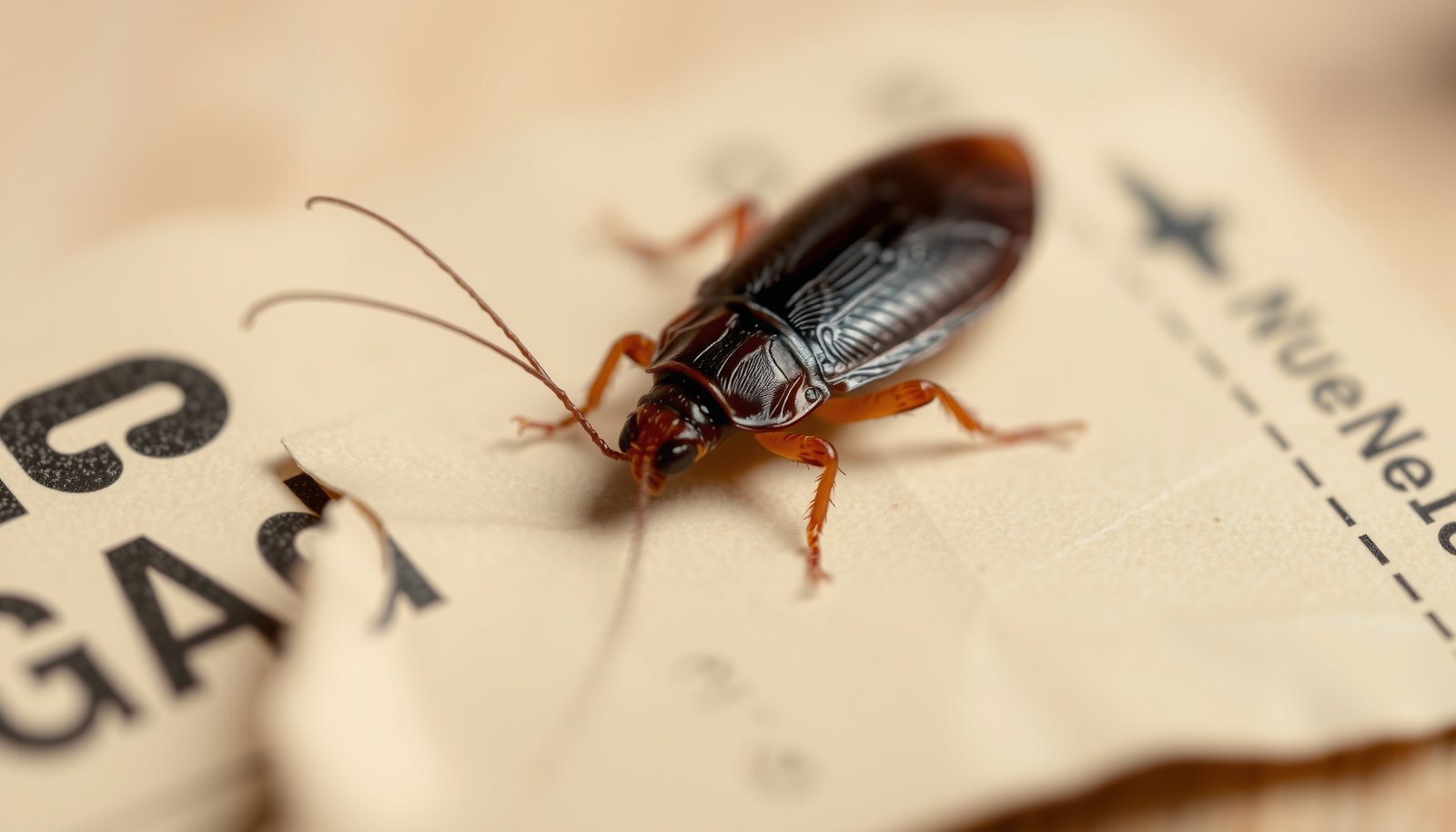
This close-up shows the difference in trap depth and glue surface area between a standard flat glue board and a tent-style interceptor trap — the tent style forces roaches to move through a tunnel, increasing contact with the adhesive and dramatically improving catch rates in tight apartment spaces like under-sink cabinets.
Which No-Poison Cockroach Traps Actually Work in Apartments?
There are three categories worth your money: tent-style glue interceptors, pheromone-enhanced sticky traps, and physical barrier traps like pitfall-style stations. Each has a specific use case inside an apartment, and matching the trap to the location matters more than brand loyalty. Here’s how they break down by performance in real apartment conditions:
| Trap Type | Best Location | Catches Per Week (Active Infestation) | Chemical-Free? |
|---|---|---|---|
| Tent-style glue board | Under sink, behind appliances | 5–20+ | Yes |
| Pheromone sticky trap | Inside cabinets, pantry corners | 3–15 | Yes |
| Pitfall interceptor station | Refrigerator corners, wall junctions | 2–10 | Yes |
Pheromone-enhanced traps — products like the Harris Roach Glue Traps or Black Flag Roach Motel — use a food-based or sex pheromone lure baked into the adhesive surface. That lure can pull roaches from up to 3–4 feet away, which is a meaningful advantage in an apartment kitchen where you can’t always place a trap at the exact harborage point. The pitfall design works differently: roaches fall into a smooth-walled chamber they can’t climb out of, which tends to perform better for larger American cockroach species that sometimes wander in from building plumbing corridors.
Where to Place Cockroach Traps in an Apartment for Maximum Catches
Picture this: you set six glue boards around your kitchen and catch almost nothing for two weeks, then your neighbor mentions she’s been seeing roaches coming out from behind the refrigerator motor housing at night. You move two boards to the corners directly adjacent to the fridge and within three days you’ve caught eleven. Placement isn’t a minor detail — it is the strategy. Cockroaches spend roughly 75% of their time inside harborage sites and only come out to forage along established pathways, so you need to intercept those pathways, not just scatter traps randomly.
The highest-yield placement zones in a typical apartment, ranked by activity likelihood, are as follows:
- Under and behind the refrigerator — the motor generates heat, making this one of the most attractive harborage zones in any apartment kitchen.
- Inside the cabinet directly under the kitchen sink — plumbing penetrations create entry points and moisture, a combination roaches actively seek out.
- The corner where the stove meets the wall or adjacent cabinet — grease accumulation and warmth make this a primary feeding corridor.
- Inside bathroom vanity cabinets near drain pipes — especially relevant in older buildings where German cockroaches travel through shared plumbing walls between units.
- Behind and under the dishwasher — often overlooked, this space combines warmth, moisture, and food debris into a near-perfect harborage site.
- Along the wall edge directly behind trash cans — not inside the can, but the wall surface behind it, where roaches move laterally between foraging trips.
One honest nuance worth naming: if your building is older and has a heavy, multi-unit infestation moving through shared walls, trap placement alone won’t eliminate the problem — it will reduce it and help you monitor it. Buildings with compromised wall voids and unsealed plumbing penetrations act as roach highways between apartments, and no surface trap intercepts that kind of traffic at the source. How to Get Rid of German Cockroaches in 2 Weeks covers the combination approach you’d need in that scenario, including void treatment options that still avoid broadcast pesticide use.
Do Pheromone Lures Actually Pull Roaches In, or Is That Just Marketing?
The skepticism is reasonable — pest control marketing overpromises constantly. But the pheromone mechanism in roach traps is genuinely real and well-documented in entomological literature. Cockroaches use aggregation pheromones to communicate safe harborage locations to other members of the colony, and manufacturers have been able to synthesize these compounds for use in trap lures. The result is a trap that doesn’t just wait passively — it signals “safe here” to roaches in the surrounding area, drawing them toward the adhesive surface.
“Aggregation pheromones in cockroach traps are one of the more legitimate tools in the non-chemical arsenal. They exploit a hardwired behavioral response — roaches are neurologically compelled to investigate that signal. The catch rate difference between a plain glue board and a well-formulated pheromone trap in the same location can be three to five times higher, which matters enormously when you’re trying to monitor population size or confirm whether treatment is working.”
Dr. Renata Oliveira, Urban Entomologist and NPMA-Certified Pest Management Professional
The one limitation pheromone lures have is shelf life. Most pheromone trap lures are effective for 30–90 days before the volatile compounds dissipate, which means an old trap sitting in a cabinet for four months is essentially just a plain glue board. Check the packaging for lure longevity ratings and replace traps on schedule — not just when they look full, because a trap with only a few roaches stuck to it can still have a degraded lure that’s no longer attracting new catches.
How to Use Traps as a Monitoring System, Not Just a One-Time Fix
Here’s the counterintuitive part that most trap-focused articles completely skip: the real power of no-poison traps in an apartment isn’t just the roaches they kill — it’s the data they give you. Checking your traps weekly and counting catches by location tells you whether a population is growing, shrinking, or holding steady. It tells you which rooms have the most activity. And if you’ve added a non-chemical treatment like diatomaceous earth or boric acid dust in a void, the trap count is how you know whether it’s actually working.
Using traps as a monitoring system also gives you documentation — something renters often need when dealing with a landlord who claims the problem is under control or was caused by the tenant. A dated log of weekly catch counts per location is exactly the kind of concrete evidence that supports a written complaint or a habitability conversation. It’s worth keeping even if you never need it. If you’re navigating that kind of dispute, it might also be worth reading about how What Do Termite Alates Look Like Compared to Flying Ants Indoors? — because sometimes what looks like a roach problem in an older building involves multiple pest pressures that need to be correctly identified before any treatment strategy makes sense.
Pro-Tip: Number your traps with a permanent marker before placing them and keep a simple weekly log — location, date placed, date checked, number of roaches caught. After three weeks you’ll have a clear map of your apartment’s highest-activity zones, which makes every subsequent treatment decision (whether you add traps, use barrier dusts, or escalate to professional help) dramatically more targeted and effective.
What to Look for When Buying No-Poison Roach Traps for an Apartment
Not all traps marketed as “no-poison” are equally useful, and a few design features separate genuinely effective products from shelf-filler. The adhesive quality matters more than the brand name — low-quality glue dries out or loses tack within days in a warm kitchen environment, which means a roach can walk across the surface and escape. Look for traps that specify “extra-strength” or “dual-layer” adhesive, and avoid any product that doesn’t list the glue composition or lure type anywhere on the packaging.
Here’s a quick checklist of features worth confirming before you buy:
- Enclosed or tent-style design — covered traps protect the adhesive from dust and debris that reduce stickiness, and they perform better in areas where you need the trap to be discreet.
- Food-based or pheromone lure included — plain glue boards without a lure rely entirely on chance contact; a lure actively increases catches.
- Lure longevity of at least 30 days — shorter than that and you’re replacing traps too frequently to get useful monitoring data.
- Low-profile design (under 1 inch tall) — this allows placement in tight gaps like the space between the stove and floor, where roaches actually travel.
- Non-toxic certification or explicit “no pesticide” labeling — important if you have pets or small children, and relevant if your lease restricts pesticide use inside the unit.
One underappreciated factor is trap size relative to the roach species you’re dealing with. German cockroaches — the most common apartment species, averaging about half an inch in length — are well-served by standard-width glue boards. But if you’re seeing larger roaches coming in from building entry points (American cockroaches can reach 1.5–2 inches), you’ll want a trap with a wider entrance opening and a larger adhesive surface, because a big cockroach can sometimes partially contact and escape a trap designed for smaller species. Knowing what you’re dealing with before you buy saves you a wasted purchasing cycle.
The bottom line is that no-poison traps used well — correctly placed, regularly checked, and matched to the species and location — can meaningfully reduce an apartment roach problem without a single chemical application. They’re not a silver bullet for a severe multi-unit infestation, but for a light-to-moderate problem in a single apartment, a strategic trap setup combined with consistent monitoring puts you genuinely in control of the situation. Start with six to eight traps placed in the zones listed above, check them at the same time each week, and let the catch data tell you what to do next rather than guessing.
Frequently Asked Questions
do cockroach traps for apartment use actually work without poison?
Yes, non-poison cockroach traps work well for light to moderate infestations — typically catching 10 to 30 roaches per trap in the first few nights if placed correctly. Sticky glue traps and electric traps are the most effective no-poison options. They won’t eliminate a severe infestation on their own, but they’re a solid first line of defense and safe to use around kids and pets.
where should I place cockroach traps in my apartment?
Put traps along walls and in corners — roaches travel edges, not open floors. The best spots are under the sink, behind the toilet, inside cabinet corners, and along the back of the stove. Most pest pros recommend placing one trap every 3 to 6 feet in high-activity areas for the first week to figure out where roaches are coming from.
how long does it take for cockroach traps to start working?
You should see roaches on glue traps within the first 24 to 72 hours if there’s an active infestation nearby. If a trap catches nothing after 5 to 7 days, move it — placement is usually the issue, not the trap itself. Electric kill traps tend to work faster because they use bait to actively lure roaches in.
how many cockroach traps do I need for a one bedroom apartment?
For a one-bedroom apartment, start with 6 to 12 traps placed in the kitchen, bathrooms, and any areas where you’ve spotted roaches. It’s better to use more traps upfront so you can identify the main activity zones quickly. Once you know the hot spots, you can scale back to 4 to 6 traps for ongoing monitoring.
how often should I change cockroach glue traps in my apartment?
Replace glue traps every 3 months under normal conditions, but swap them out sooner if they’re full of roaches or covered in dust and debris — a dirty trap loses its stickiness fast. During an active infestation, check traps every week and replace them as needed. Most brands include a date line on the trap so you can mark when you set it.