
DIY pest control fails most often not because the products don’t work — but because homeowners apply them to the wrong problem. That’s the real reason people end up calling an exterminator after spending $200 at the hardware store: not that DIY is inherently inadequate, but that they misread what they were dealing with from the start.
The call an exterminator vs DIY decision isn’t really about courage or cost. It’s about whether the infestation has crossed a biological threshold where self-treatment can no longer outpace reproduction. Get that diagnosis right, and everything else follows. Get it wrong, and you’re just buying time for the population to grow.
Is Your Infestation Still in the Window Where DIY Actually Works?
There’s a window — often just a few weeks wide — where a pest problem is small enough that a well-chosen DIY product used correctly will knock it out completely. After that window closes, the math changes. A female German cockroach produces 30–40 eggs per capsule and can generate multiple generations in a single season, meaning a dozen roaches in August can become hundreds by October. The question isn’t “can I do this myself?” — it’s “am I already behind the curve?”
The early window is identifiable by specific signs: you’re seeing one or two pests occasionally, there’s no visible nesting, and you haven’t found evidence spread across multiple rooms. If you’ve started finding droppings in three different areas of your home, or you’re seeing pests during the day when they normally hide at night, that’s behavioral evidence of a population under pressure — meaning it’s large enough to compete for resources. That’s the threshold where professional treatment becomes significantly more cost-effective than repeated DIY attempts.
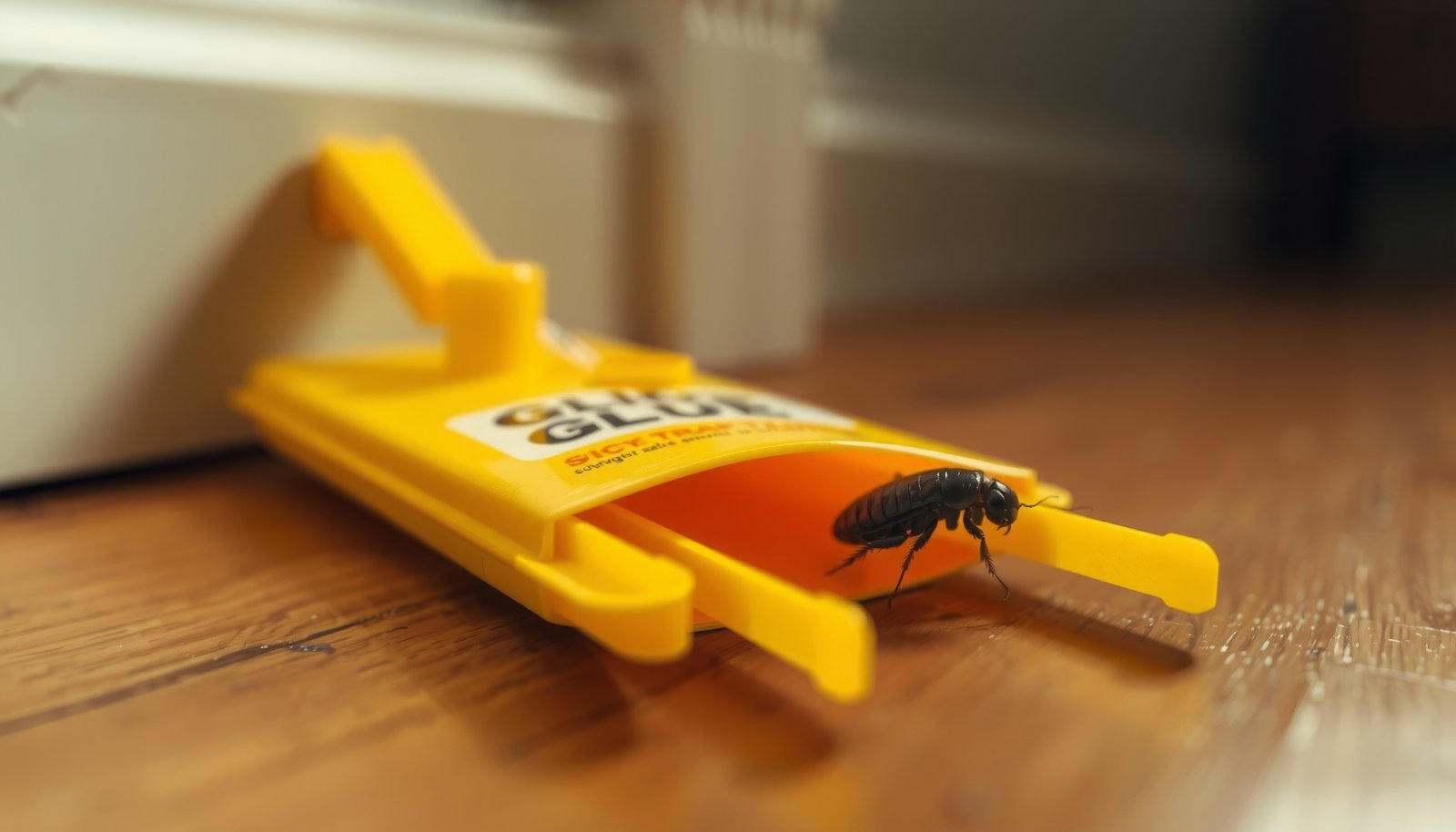
This image shows the kind of side-by-side evidence comparison — scattered droppings, shed skins, and live activity — that separates a containable early-stage problem from one that’s already established across multiple harborage sites.
Which Pest Types Are Actually DIY-Friendly — and Which Ones Aren’t?
Not all pest problems sit on the same spectrum of DIY viability. Pest biology matters more than most people realize when making this call. Ants, for instance, are often treatable with targeted baits if you identify the species correctly — odorous house ants respond well to sugar-based baits, while carpenter ants need protein-based products. Applying the wrong bait type doesn’t just fail; it can cause the colony to scatter and satellite, making the problem geographically larger than it was before.
Some pests are functionally off-limits for reliable DIY treatment regardless of your effort level. Termite colonies can contain over 1 million individuals and forage up to 300 feet from the main colony — the structural damage they cause is invisible until it’s serious, and liquid termiticide barriers require trenching around the foundation in a continuous, unbroken application. A missed gap of even 12 inches renders the entire treatment ineffective. Bed bugs occupy a middle ground: a very early, localized infestation on a single piece of furniture is genuinely DIY-manageable with the right products, but once they’ve spread to wall voids, electrical outlets, and multiple rooms, professional heat treatment is the only truly reliable resolution.
“The biggest mistake I see homeowners make is treating the visible pest, not the harborage. You can kill every roach you see and still have a thriving population behind your dishwasher. Professional treatment works because we’re targeting the biology of where they live, not just where they travel.”
Dr. Marcus Elliot, Board-Certified Entomologist and NPMA-Certified Pest Control Professional
What Are the Honest Costs of Each Option — Including the Hidden Ones?
The DIY vs. exterminator cost comparison almost always looks lopsided in DIY’s favor — until you account for re-treatment. A single professional cockroach treatment for a standard apartment runs $150–$350, while a complete DIY kit costs $40–$80. That looks like an obvious win for DIY. But if that DIY treatment requires three rounds because the initial application didn’t reach all harborage points, you’ve matched the professional cost while losing 6–8 weeks of time the population used to grow.
| Pest Type | DIY Typical Cost | Professional Treatment Range | DIY Success Rate (Early Infestation) |
|---|---|---|---|
| Cockroaches (German) | $40–$80 | $150–$350 | Moderate — species/bait match dependent |
| Bed Bugs | $60–$150 | $300–$1,500+ | Low-to-moderate if localized; poor if spread |
| Subterranean Termites | $100–$250 (baits only) | $500–$2,500+ | Very low — structural access required |
| Mice / Rodents | $20–$60 | $200–$500 | High if entry points are sealed simultaneously |
There’s also a hidden cost almost nobody accounts for: the diagnostic value professionals bring. A licensed pest control operator isn’t just spraying chemicals — they’re identifying species, locating entry points, and assessing structural vulnerabilities. That information has value independent of the treatment itself. Picture this: a homeowner spends four months cycling through DIY roach products with no success, then a professional identifies a plumbing void behind the dishwasher as the primary harborage in 15 minutes. The professional solved in one visit what DIY couldn’t in four months — not because the products were better, but because the diagnosis was.
When Does DIY Pest Control Actually Make Sense to Try First?
DIY is a genuinely good first response in specific, well-defined situations — and it’s worth being precise about what those are rather than defaulting to “just call a pro” for everything. The case for trying DIY first is strongest when you’ve caught the problem early, you’ve correctly identified the pest, and the infestation hasn’t spread to inaccessible areas. Mice caught early are a perfect example: if you’re seeing fresh droppings along a single wall run and you haven’t yet found evidence in multiple rooms, a combination of snap traps and exclusion work has a high success rate. Mice can squeeze through a gap as small as 1/4 inch, so sealing every potential entry point while trapping is the mechanism that actually makes DIY rodent control work long-term.
For bed bug elimination done right, the DIY path is viable only when you’ve confirmed the infestation is still contained to one piece of furniture or one sleeping area and you act within the first few weeks of noticing activity. The honest nuance here is that “early” means something different depending on your building type — in a single-family home, an early infestation stays more localized than in an apartment building where bed bugs can travel through shared walls, electrical conduits, and pipe chases within 24–48 hours of introduction. Apartment dwellers generally hit the “call a pro” threshold faster than homeowners in detached houses, purely because of structural connectivity.
Pro-Tip: Before buying any DIY treatment, photograph and identify the pest using a reference guide or extension service app. Treating for the wrong species wastes money and gives the actual infestation more time to grow — misidentification is the #1 reason first-round DIY treatments fail.
How Do You Know It’s Definitely Time to Call an Exterminator?
There are clear, concrete signals that move you past the DIY decision point — and being honest with yourself about them saves a lot of money and structural damage in the long run. One DIY treatment that didn’t work is a data point, not a reason to buy a different product and try again. Two failed attempts with correctly applied products is a strong signal that the infestation has harborage points you can’t access or that the population size has exceeded what surface treatments can realistically control.
Here are the specific conditions where calling a professional is the right call from the start:
- Structural pests are involved — termites, carpenter ants, or wood-boring beetles require inspection equipment and treatment methods that aren’t available in retail products
- You’ve found pest activity in multiple rooms or floors — spread across more than two areas of the home indicates an established population, not a new intrusion
- You’re seeing pests during daylight hours — cockroaches, bed bugs, and rodents are typically nocturnal; daytime sightings mean population pressure is forcing them out of harborage during off-hours
- Anyone in the household has allergies, asthma, or is immunocompromised — cockroach frass and rodent dander are clinically documented asthma triggers, and the risk calculus shifts toward faster, more complete resolution
- You’re in a rental property — landlords in most US states are legally required to address infestations; document and notify in writing before spending on DIY, or you may lose the right to cost recovery
One thing that rarely gets discussed: adult bed bugs can survive over 300 days without feeding, which means a “gone” infestation that wasn’t fully treated isn’t gone — it’s waiting. That biology applies across multiple pest types. Incomplete treatment followed by apparent quiet is one of the most common reasons pest problems re-escalate worse than before. If you’re checking the best-rated bed bug sprays for mattresses and furniture and finding that none of them are producing lasting results after two full application cycles, that’s not a product failure — that’s a scope-of-infestation problem that products alone can’t solve.
Here’s a practical decision sequence to walk through before committing either way:
- Identify the pest to species level — not just “roach” or “ant,” because treatment strategy changes significantly between species
- Map where you’ve found evidence — droppings, shed skins, damage, live sightings — and count how many distinct areas are affected
- Estimate how long the infestation has been active — fresh droppings are dark and moist; older droppings are dry and crumbly, which gives you a rough timeline
- Check for accessible harborage — if nesting sites are visible and reachable, DIY has a realistic chance; if they’re inside walls, under slabs, or behind appliances you can’t move, your access is too limited
- Factor in your building type and occupancy — multi-unit buildings, homes with crawl spaces, and older construction with unsealed voids all favor professional treatment earlier in the process
- Set a one-treatment rule — commit to one well-executed DIY attempt with the correct product and application method; if there’s no meaningful reduction in evidence within two weeks, call a professional before the population rebounds
The counterintuitive reality that most pest control content skips over is this: calling an exterminator earlier in the process is often the cheaper DIY outcome. Not because professionals are always necessary, but because a $200 inspection that confirms a problem is still small and manageable — and tells you exactly what product to use and where — can prevent the $800–$1,500 treatment cost that comes from letting a manageable problem compound through repeated ineffective DIY cycles. The exterminator call isn’t always the expensive option. Sometimes it’s the diagnostic shortcut that makes your DIY approach actually work.
Frequently Asked Questions
when should you call an exterminator instead of doing it yourself?
Call an exterminator when you’re dealing with termites, carpenter ants, bed bugs, or any pest that can cause structural damage or spreads fast. If you’ve tried two or more DIY treatments over 2-3 weeks with no results, that’s also a clear sign it’s time to bring in a pro. Some infestations are just too large or hidden for store-bought products to reach effectively.
how much does an exterminator cost compared to DIY pest control?
DIY pest control products typically run $20-$100 depending on what you’re treating, while a professional exterminator visit usually costs $150-$300 for a one-time treatment. Ongoing pest control contracts average $40-$70 per month. For serious infestations like termites or bed bugs, professional treatment can run $500-$2,500, but skipping it often means the problem gets worse and costs more to fix later.
what pests can I treat myself vs which ones need a professional?
You can usually handle ants, cockroaches, spiders, and mice on your own using baits, traps, and store-bought sprays if the problem is caught early. Termites, bed bugs, fleas, wasps nests inside walls, and rodent infestations with more than 2-3 sightings per day almost always need a licensed exterminator. The species and the size of the infestation are the two biggest factors in making that call.
is DIY pest control safe for kids and pets?
Many DIY pesticides are safe when applied exactly as the label says, but misuse is common and that’s where the risk comes in. Exterminators use commercial-grade products and know how to apply them in ways that minimize exposure to kids and pets. If you’re treating a home with young children, pregnant women, or small animals, it’s worth asking a pro about low-toxicity or non-chemical options.
how do I know if my pest problem is bad enough to call an exterminator?
A good rule of thumb: if you’re seeing pests during the day, finding droppings in multiple rooms, or noticing damage to wood, fabric, or food packaging, the infestation is likely beyond DIY level. Cockroaches and rodents especially tend to stay hidden, so daytime sightings usually mean the population is already large. Don’t wait more than 2-3 weeks to escalate to a professional if your own treatments aren’t making a visible dent.
Disclaimer: This article is for informational purposes only. Pest control costs, timelines, and outcomes vary widely depending on the pest, the severity of the infestation, your location, and the company you hire. Always get multiple quotes and ask for a written inspection report before agreeing to a treatment plan.