
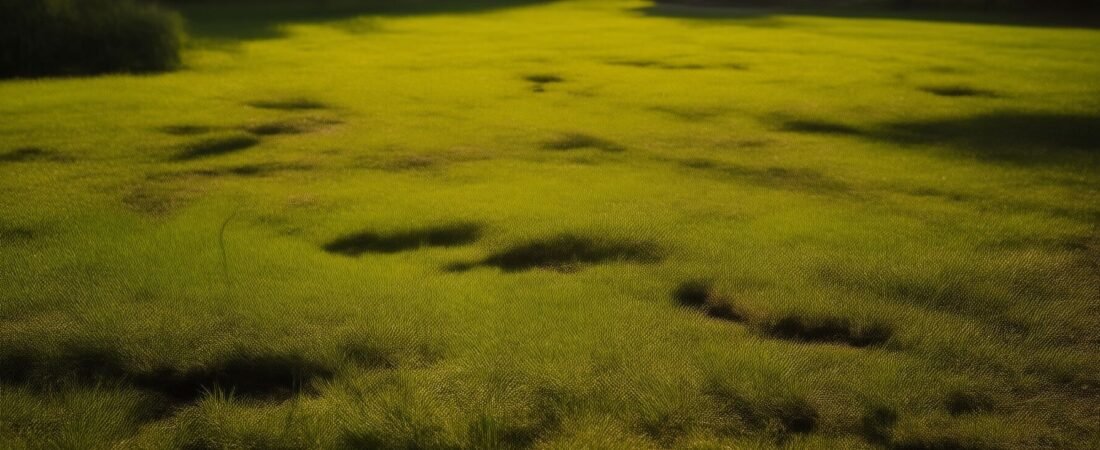
A gopher can destroy 30 linear feet of root systems in a single night — and a vole colony left unchecked through one winter can riddle an entire lawn with tunnels before you’ve even noticed the problem. The traps fix all of this, right? Not if you’re setting the wrong type for the wrong animal. That’s the mistake that sends most homeowners back to the hardware store twice before they get results.
Here’s the thing most trap roundups won’t tell you: voles and gophers are completely different animals that require completely different trap styles, placements, and trigger mechanisms. Lumping them together in one product search — which almost everyone does — is exactly why people report that “traps don’t work.” The traps work fine. They’re just being used on the wrong pest, in the wrong tunnel, with the wrong setup. This article is built around that single correction.
Vole vs. Gopher: Why Using the Wrong Trap Guarantees Failure
Voles look like chunky little mice — short tail, small ears, stocky body — and they travel in shallow surface tunnels just an inch or two below the sod. Gophers are larger, with visible cheek pouches and powerful front claws built for serious digging, creating deep fan-shaped mounds with a plugged entrance hole. If your lawn shows winding surface runways with dead grass above them, that’s vole activity. If you’re seeing crescent or horseshoe-shaped dirt mounds, a gopher is working underneath.
This distinction matters because vole traps need to sit right at or in the surface runway — exposed to scent and movement at near-ground level. Gopher traps have to be set deep inside an active lateral tunnel, oriented so the animal triggers them while traveling through. A snap trap placed at a vole runway will catch gophers approximately never. A pincer-style gopher trap dropped into a shallow vole run won’t trip correctly either. Identifying which pest you have is step one, and it’s non-negotiable before you buy a single trap.
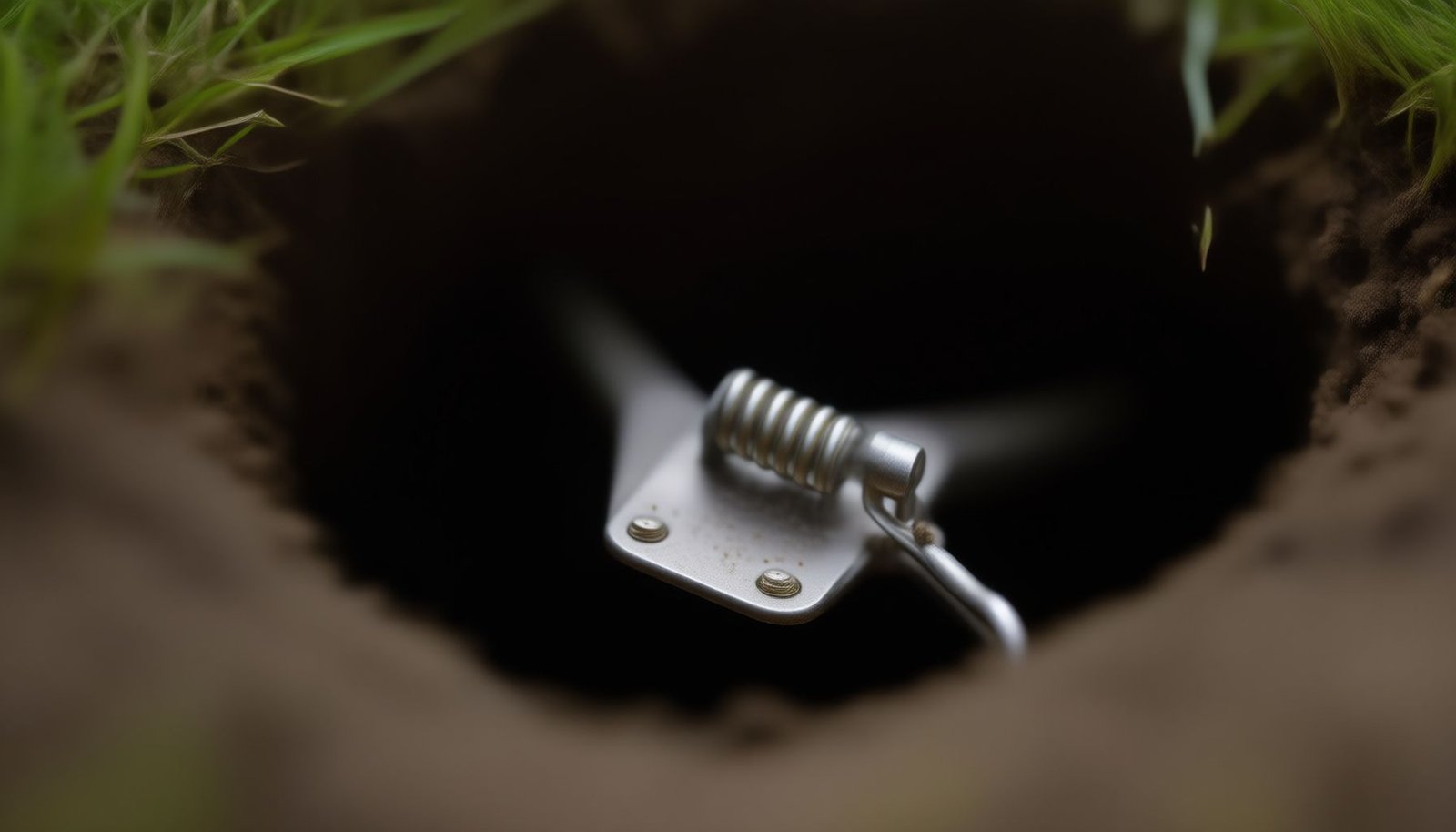
This close-up shows the trigger and jaw differences between a pincer-style gopher trap and a standard snap trap used for voles — understanding these mechanical differences before you buy will save you money and a lot of frustration.
Which Gopher Traps Actually Work Underground?
Gopher traps fall into two main categories: pincer-style (like the Macabee and Black Hole) and box-style (like the Cinch trap). The Macabee is the most widely used gopher trap in the US and has been for decades — it’s a two-pronged wire trap that you set in pairs, facing opposite directions inside the tunnel so a gopher triggers it regardless of which way it’s traveling. This dual-direction setup is the key detail most beginners miss; a single trap facing one direction will fail half the time.
The Black Hole and Cinch traps use a different mechanism — the animal enters a dark enclosed chamber, which triggers a kill bar around the body. These tend to have higher single-trap success rates because gophers are burrowing animals hardwired to move through tight, dark spaces, and the enclosed design plays directly into that instinct. They’re also easier to check without getting your hands dirty. For most homeowners dealing with a moderate infestation of 3–5 active mounds, a combination of 4–6 Macabee traps set in pairs across the main tunnel network usually clears the problem within 5–7 days.
“One of the most consistent errors I see is homeowners setting gopher traps in the mound itself rather than in the lateral tunnel. The mound is essentially an exit port — the active travel corridor is 6 to 12 inches to the side of it. Probe around the perimeter of the mound, find the main tunnel, and set your trap there. That single change improves catch rates dramatically.”
Dr. Marcus Henley, Wildlife Pest Management Specialist, University Extension — Pacific Coast
What Are the Best Vole Traps for Surface Tunnels and Runways?
Voles are caught most reliably with standard snap traps — specifically the Victor Easy Set or the Tomcat press-and-set style — placed directly inside or across their surface runways. Bait isn’t always necessary; voles are creatures of habit and tend to trigger traps simply by running through familiar corridors. But if you want to bait, peanut butter mixed with oatmeal or apple slices outperforms cheese in every real-world test. The scent profile of high-fat, high-sugar foods matches what voles naturally seek.
Placement density matters more than trap quality with voles. A single colony can contain 15–20 individuals in an area roughly the size of a backyard, and their runway networks can span hundreds of feet. Setting just 2 or 3 traps in one corner of the yard while the rest of the colony keeps feeding elsewhere is a losing strategy. During peak activity in fall and early spring, set traps every 15–20 feet along visible runways, and check them every 24 hours. Voles breed fast — a female can produce 5–10 litters per year — so early, dense trapping is far more effective than reactive trapping once damage is visible across the whole lawn.
Pro-Tip: Cover each snap trap with a small plastic bin, yogurt container, or flat board with entry holes cut in the sides. This keeps birds and pets away from the trap, reduces weather interference, and — importantly — makes the runway feel darker and enclosed to voles, which actually increases trigger rates by encouraging normal runway behavior rather than avoidance.
How to Set Gopher and Vole Traps So They Actually Trigger
Picture this: you’ve bought the right trap for the right animal, you’ve found the active tunnel, and you place the trap — then nothing happens for four days. This is almost always a setup problem, not a trap quality problem. Gophers are neophobic to some degree, meaning new objects in their tunnel can cause avoidance for 24–72 hours. Wearing gloves when handling traps reduces human scent transfer, and rubbing the trap with dirt from the tunnel helps it blend in chemically with the environment.
For gopher traps, here’s the correct setup sequence that most product instructions gloss over:
- Locate the main tunnel, not just the mound. Probe 6–12 inches around each mound with a rod or screwdriver until you feel the tunnel cavity — a sudden drop in resistance.
- Excavate a small access opening just large enough to lower the trap in with your hands, without collapsing the tunnel walls.
- Set traps in pairs facing opposite directions so the gopher triggers one regardless of travel direction.
- Attach each trap to a wire stake or flag above ground — a gopher will drag a triggered trap deeper into the tunnel if it’s not anchored, making retrieval difficult.
- Block light from entering the tunnel by covering the access hole with a flat board or dark cloth. Gophers instinctively avoid tunnels with light coming in, and an open hole means slower trigger rates.
- Check traps every 24 hours and reset in a new location if nothing triggers after 48 hours — the gopher may have temporarily closed off that tunnel section.
For vole snap traps, the setup is simpler but the location judgment is equally critical. Place the trigger end directly across the runway, perpendicular to the direction of travel, so the vole’s body naturally contacts the trigger as it runs through. Parallel placement — where the trap sits alongside the runway rather than across it — is the most common beginner error and significantly reduces catch rates.
Comparing the Top Vole and Gopher Traps Head-to-Head
Not every trap performs equally across soil types, tunnel depths, and target species. Sandy soils common in the Southwest collapse more easily during trap placement, favoring enclosed box-style traps over wire pincer designs. Heavy clay soils in the Midwest hold tunnel structure better, making Macabee-style traps easier to set correctly. The table below compares the most-used options across the criteria that actually matter in the field:
| Trap Name | Target Pest | Mechanism | Best For |
|---|---|---|---|
| Macabee Wire Trap | Gopher | Pincer/jaw, set in pairs | Firm soil tunnels, experienced users |
| Black Hole Gopher Trap | Gopher | Enclosed body-grip chamber | All soil types, beginner-friendly |
| Cinch Trap | Gopher | Enclosed pincer, dark chamber | Deep tunnels, low-light triggering |
| Victor Easy Set Snap Trap | Vole | Snap bar, surface runway placement | High-density runway trapping |
One honest nuance worth flagging: in areas where both voles and gophers are active simultaneously — which happens in many parts of the Mountain West and Pacific Northwest — you may need to run both trap types at the same time in different parts of the yard. Assuming you have just one species because you see surface damage can cost you several weeks of ineffective trapping. If new mounds are appearing while surface runways are also expanding, you’re likely dealing with both, and the control strategy needs to reflect that.
For ongoing outdoor rodent pressure around your property’s perimeter — especially if you’re also dealing with mice or rats near the foundation — it’s worth reading about best rodent bait stations for outdoor perimeter use, since bait stations can complement trapping in areas where you want to reduce the broader rodent population around the yard, not just the burrowing species in the lawn itself.
When Traps Alone Won’t Be Enough — and What to Add
Trapping is the most targeted and effective control method for both voles and gophers, but it has a real ceiling. If you’re dealing with a large property — anything over half an acre of active infestation — trapping alone may simply not keep pace with reproduction, especially in spring when vole breeding accelerates. A female vole reaches reproductive maturity in just 3 weeks and can produce her first litter at 5 weeks of age. Do that math across a colony of 20 animals and trapping starts feeling like bailing out a boat with a cup.
In those cases, trapping works best as a knockdown strategy combined with habitat modification. Voles thrive in thick ground cover, tall grass, and mulch beds — they don’t like crossing open ground because it exposes them to predators. Keeping grass mowed short, pulling mulch away from tree bases, and removing dense ground cover near garden beds makes the habitat significantly less attractive and forces voles into more exposed areas where traps become even more effective. Gopher pressure can sometimes be reduced by removing the deep-rooted plants they prefer — alfalfa, dandelions, and certain bulbs are favorites — but realistically, for gophers, active trapping plus physical barriers (underground wire mesh at 6–12 inch depth around garden beds) is the combination that actually holds long-term.
It’s also worth noting that some pest problems start indoors before they show up in your yard. If you’re dealing with multiple pest fronts at once — say, voles outside and something like fleas tracked in by a pet that’s been roaming through infested grass — tackling them as separate problems with appropriate tools for each is the only approach that works. For indoor fabric and carpet pest issues, for instance, a guide like how to get rid of fleas in carpet without a fogger covers that front without overlap.
- Underground wire mesh barriers (hardware cloth, 1/4-inch gauge) — installed 6–12 inches deep around garden beds and tree root zones to block gopher access physically
- Mowing and vegetation management — short grass removes the overhead cover voles depend on to feel safe traveling above ground
- Owl boxes and raptor perches — a single barn owl can consume 3–4 voles per night; installing perch posts in open lawn areas creates natural predator pressure at zero cost
- Castor oil-based repellents — these don’t eliminate populations but can push gopher and vole activity away from treated zones toward areas where traps are set, increasing catch rates when used in combination
- Tunnel flooding (gophers only) — running a garden hose into an active main tunnel for several minutes can flush gophers to surface exits where they’re vulnerable; best used as a short-term supplement to trapping, not a standalone method
The counterintuitive fact that almost no trap guide mentions: the visible mound or runway damage you see today was typically caused 3–7 days ago, not yesterday. Both voles and gophers create new surface evidence after they’ve already moved the main activity corridor further into your lawn. This means reactive trapping — setting traps only where you see fresh damage — always puts you one step behind. Mapping the full extent of the tunnel network before you set any traps, rather than just targeting the newest damage, is what separates homeowners who clear an infestation in a week from those who are still fighting it a month later.
Get the identification right first, set traps in the correct location with the correct orientation, and cover them to reduce light and human scent — do those three things and the traps will do the rest. The lawn recovers faster than most people expect once the burrowing stops.
Frequently Asked Questions
What’s the best trap for voles and gophers in a lawn?
For gophers, pincer-style traps like the Macabee or Black Hole trap work best because they fit directly into burrow tunnels. For voles, snap traps — the same type used for mice — placed along surface runways get the job done. The right choice depends on which pest you’re dealing with, so always confirm the species before buying.
How do I know if I have voles or gophers tearing up my yard?
Gophers leave fan-shaped mounds of dirt with a plugged hole off to one side, while voles create shallow surface runways that look like worn grass paths connecting small entry holes. Gopher tunnels are deeper, often 6 to 12 inches underground, whereas vole damage stays near the surface. Getting this right matters because the traps for each pest are completely different.
Where exactly should I place vole and gopher traps?
For gophers, dig down to the main lateral tunnel — usually 6 to 10 inches deep — and place two traps facing opposite directions inside the tunnel. For voles, set snap traps directly in the surface runways or right at burrow entrances, perpendicular to the path. Placing traps in active areas rather than random spots dramatically increases your catch rate.
Do I need bait to catch voles and gophers in traps?
Gopher traps don’t require bait — they work by triggering when the gopher moves through its own tunnel. Vole snap traps, on the other hand, do better with a small amount of peanut butter or apple slices placed on the trigger. That said, trap placement in an active runway matters more than bait for voles.
How many traps do I need to get rid of voles or gophers in my yard?
For a moderate gopher problem, start with 2 traps per active mound and check them every 24 to 48 hours. For voles, you’ll want to set 10 to 12 traps across a typical backyard since populations can reach 50 or more animals per acre. Resetting and repositioning traps every few days keeps them effective as the animals shift their activity.