
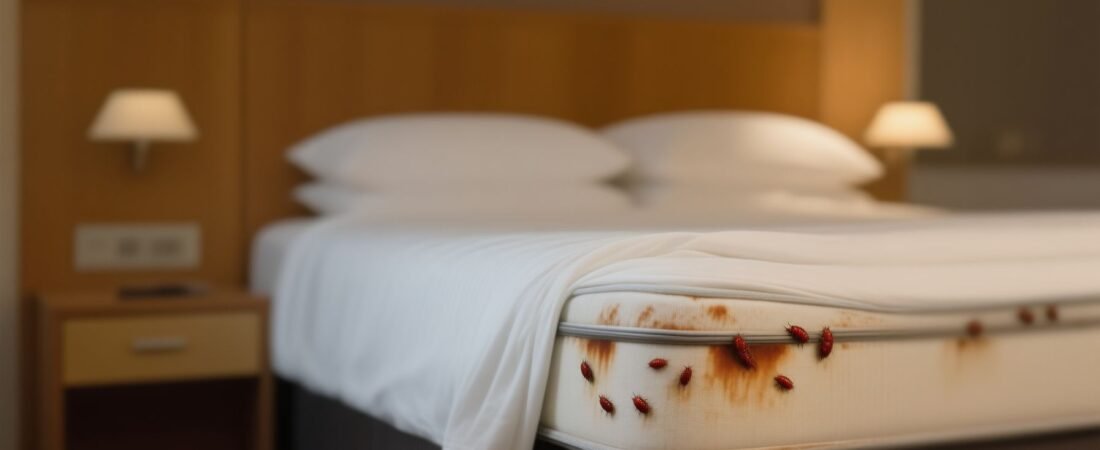
Roughly 1 in 10 hotel rooms in the US has detectable evidence of bed bugs — and the problem isn’t limited to budget motels. That number comes from pest management surveys, and it holds across three-star, four-star, and even five-star properties. The angle most travel articles get completely wrong is this: by the time you spot a live bed bug in your hotel room, the real decision isn’t whether to panic — it’s whether you’re handling the next 48 hours in a way that keeps those bugs from following you home. That’s what this article is actually about.
Why Finding One Bed Bug in a Hotel Room Doesn’t Tell You What You Think It Does
Here’s something that surprises most people: a single bed bug is almost never a lone traveler. Bed bugs are aggregators — they cluster together in harborage sites and emit pheromones that attract others to the same hiding spot. If you find one adult, there are almost certainly eggs, nymphs, and cast skins within a few inches of where you found it. The visible bug is just the one that wandered out.
Adult bed bugs can survive over 300 days without feeding, which means a room that appears “clean” between guests can still harbor a population that’s been quietly waiting. This is why the standard hotel practice of visually inspecting for live bugs between checkouts catches maybe a fraction of actual infestations — bed bugs spend roughly 90% of their time hidden, not crawling around in the open where anyone would notice them.
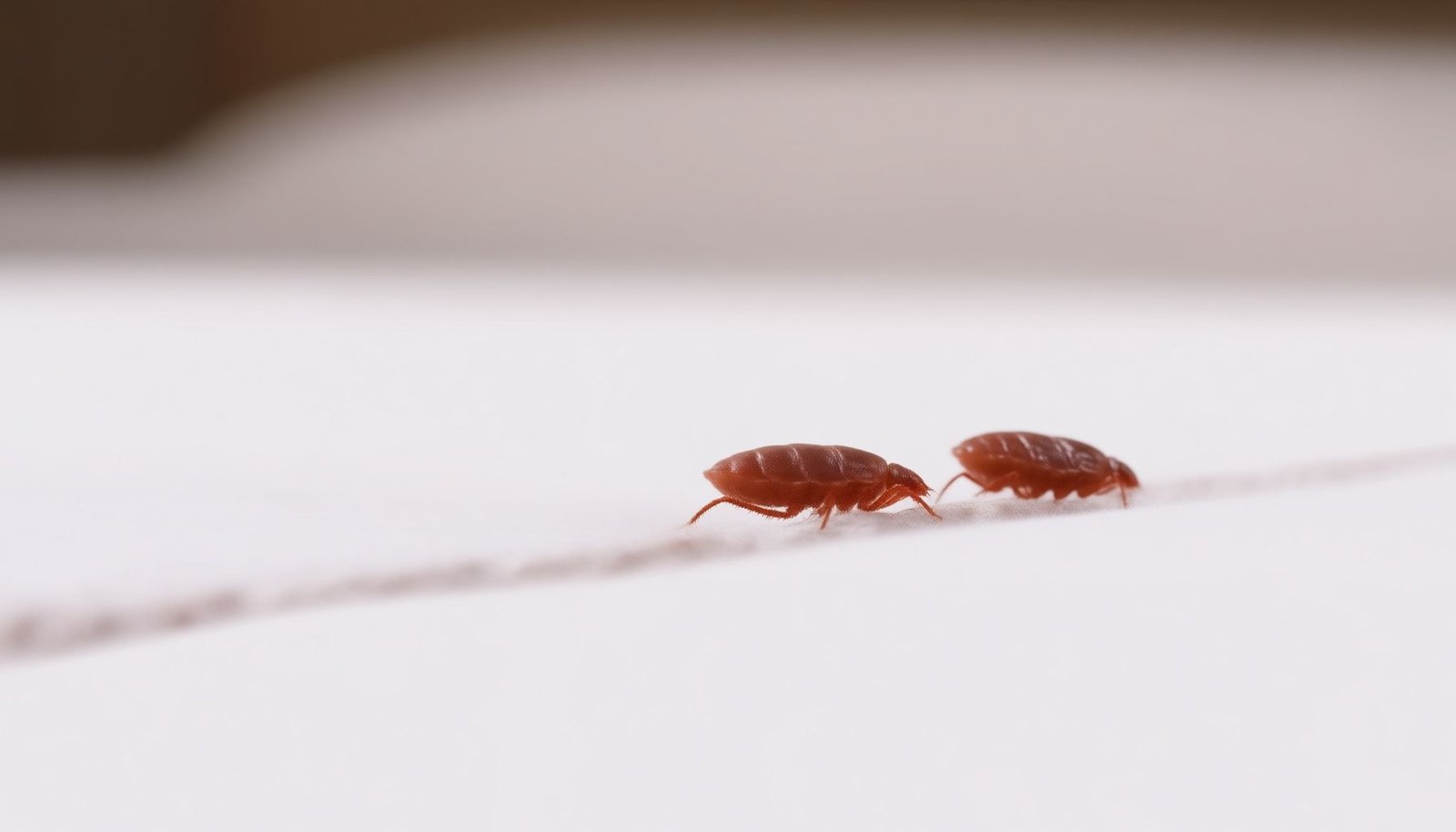
This close-up shows a typical bed bug harborage along a mattress seam — the dark speckling is fecal staining, and this is exactly what you’re looking for during a room inspection, not a live bug scurrying across the sheet.
How to Inspect a Hotel Room Properly Before You Unpack Anything
The single most effective thing you can do is inspect before you set a single bag on the bed, floor, or upholstered furniture. Picture this: you check in late, you’re tired, you drop your suitcase on the luggage rack and collapse onto the bed. That’s when the exposure happens — not during sleep, but in the first five minutes. Keeping your bags on the hard bathroom floor (not the tile near the wall where the floor meets the grout) until you’ve done a check takes less than four minutes and changes everything.
Here’s a systematic room inspection you can do with just the flashlight on your phone:
- Pull back the bedding to the mattress surface and check the seams, tufts, and piping along the top and sides. You’re looking for dark rust-colored staining (fecal spots), shed skins that look like translucent bug-shaped shells, and tiny white eggs about 1mm long.
- Lift the mattress and check the box spring surface underneath — this is where established infestations almost always have the heaviest concentration. The stapled fabric on the underside of box springs is a prime harborage spot.
- Check the headboard, especially where it meets the wall. Pull it slightly away if it’s not mounted. Bed bugs move to headboards as populations grow and the mattress becomes crowded.
- Inspect the nightstand — open the drawer, look in the corners, check the back where it touches the wall. Electrical outlets on nightstands are also a documented harborage point.
- Check the upholstered chair or sofa if the room has one — seat cushion seams and the crease where the cushion meets the frame are secondary harborage sites in heavier infestations.
- Look at the luggage rack itself — the fabric straps and the joints where the frame folds are small but real risks, especially on racks that have been in the room for years.
If you find evidence — staining, skins, eggs, or a live bug — photograph it immediately. That documentation is your leverage when you go to the front desk, and hotels take timestamped photos seriously in a way that verbal complaints alone don’t always achieve.
What to Actually Do When You Confirm Bed Bugs in Your Hotel Room
Don’t just ask for a different room — ask for one on a different floor or in a different wing of the building, and refuse a room directly adjacent to or directly above or below the infested one. Bed bugs spread through shared walls via electrical conduits, plumbing chases, and under door gaps. A room two doors down from an infestation is still a risk; a room on the opposite side of the building or a different floor is meaningfully safer.
Once you’ve reported the infestation, the hotel is obligated to document it — and many states now have specific bed bug disclosure requirements for hotels. If they try to dismiss you or offer only an upgrade in an adjacent room, you’re within your rights to request a full refund and check out. This isn’t an unreasonable ask; a property that takes bed bugs seriously will offer this without argument because the alternative — a guest who goes home, discovers hitchhikers in their luggage, and leaves reviews — is far more costly to them.
“The guest’s instinct to ‘just move rooms’ is understandable, but the room assignment matters enormously. Bed bug spread within hotels follows predictable pathways — adjoining rooms, shared walls, and housekeeping carts that travel between floors. A room reassignment that ignores those pathways gives guests false confidence while the real exposure risk remains.”
Dr. Patricia Callahan, Board-Certified Entomologist and Hospitality Pest Management Consultant, NPMA Member
How to Protect Your Luggage and Clothes So Bed Bugs Don’t Come Home With You
This is where most people — even people who did everything right at the hotel — make a costly mistake. The real danger isn’t the night you spend in the infested room; it’s the suitcase you carry into your bedroom the next day and set on your bed while you unpack. A female bed bug can lay 1–5 eggs per day and up to 500 eggs over her lifetime. One hitchhiker that rode home in a luggage zipper pouch can establish a new infestation in your home within 8–12 weeks.
Here’s what actually interrupts that transfer:
- Heat kills bed bugs at all life stages — 122°F for 20 minutes or higher temperatures for shorter periods. A residential dryer on high heat achieves well above this threshold. Run all clothing from your trip through a full dryer cycle (not a wash cycle — the dryer is what kills them, not hot water) before those clothes go into your closet or drawers.
- Seal your suitcase in a large plastic bag immediately after returning home if you can’t treat it right away. This contains any hitchhikers and prevents them from dispersing into your bedroom while you figure out next steps.
- Never unpack a potentially exposed suitcase in your bedroom — use the garage, a bathroom with a hard tile floor, or outdoors. The further from your bed, the better.
- Inspect your luggage in good lighting before bringing it inside — pay attention to the exterior pockets, zipper tracks, and the handle joints where bugs can hide during transport.
- Hard-shell luggage is meaningfully harder for bed bugs to infest than soft-sided fabric bags — there are fewer seams and fabric folds to hide in, and a wipe-down with a damp cloth is more effective than trying to inspect every inch of a soft duffel.
One honest nuance here: if you stayed in the hotel room without finding any evidence during your inspection, your actual risk is relatively low. These protective steps are still worth doing — the dryer cycle takes five minutes — but the level of urgency is different from a situation where you confirmed visible evidence or woke up with bites.
Pro-Tip: Store your suitcase in a large 2.7-mil or thicker contractor bag during the entire hotel stay — not just after. Keep it zipped inside the bag whenever you’re not accessing it. This takes up minimal space, costs almost nothing, and creates a physical barrier between the suitcase fabric and any bugs in the room.
How to Tell If You Actually Brought Bed Bugs Home — and What to Do Next
Bed bug bites alone are not reliable evidence of an infestation — reactions vary wildly between people, and some people don’t react at all. About 30% of people exposed to bed bugs show no skin reaction whatsoever, which means someone in a shared household can be getting bitten repeatedly without knowing it. What you’re actually looking for back home is the same physical evidence you’d look for in a hotel: fecal staining, cast skins, and eggs along mattress seams and near sleeping areas.
The window between exposure and a detectable home infestation depends on how many bugs hitchhiked and where they established. A single fertilized female can produce a detectable population within 6–8 weeks. This is why checking your home within two weeks of a confirmed hotel exposure — not waiting until you see something — is the difference between a small, containable problem and something that has spread to multiple rooms. If you’ve confirmed hotel exposure, check your mattress seams, bed frame joints, and nightstand drawer corners every few days for at least a month. It takes less than two minutes once you know what you’re looking at.
| Evidence Type | What It Looks Like | What It Tells You |
|---|---|---|
| Fecal staining | Dark rust or black speckling, smears on fabric, does not wipe off cleanly | Active or past infestation; bugs have been feeding in this location |
| Cast skins (exuviae) | Translucent, bed-bug-shaped shells; papery and fragile | Nymphs are developing — population is reproducing |
| Eggs | Tiny white, about 1mm, oval, sticky — often in clusters in seams | Active infestation; hatch in 6–10 days at room temperature |
| Live bugs | Flat, apple-seed-shaped, mahogany to red-brown after feeding | Established infestation; treat immediately |
If you find any of these signs at home after a trip, the response depends on severity and scope. A localized situation confined to one mattress with no spread to adjacent furniture can sometimes be managed with a combination of post-travel luggage treatment and targeted heat or encasements. A situation that has spread beyond the bed — to baseboards, outlets, or furniture — is a different matter entirely, similar to how a problem contained to one area of your home is categorically different from one that’s moved through walls and structural gaps, the way termites in a crawl space can spread before you even know you have them.
The counterintuitive truth that most hotel bed bug advice ignores is that your behavior in the 24 hours after leaving the room matters more than anything you do during the stay itself. The inspection, the room transfer, the protective measures — they’re all useful. But it’s what happens when you get home, before you’ve unpacked, before the bags have sat on your bedroom floor overnight, that determines whether a hotel problem becomes your problem. Deal with the luggage that same day. Run the dryer before you do anything else. The bugs that don’t make it past your front door are the ones that don’t become an infestation.
Frequently Asked Questions
how do I know if my hotel room has bed bugs?
Check the mattress seams, headboard, and box spring for small reddish-brown bugs about the size of an apple seed. You’re also looking for dark rust-colored stains on the sheets, tiny white eggs, or shed skins. If you wake up with itchy welts in a line or cluster — especially on your arms, neck, or legs — that’s a strong sign you’ve been bitten.
what should I do immediately if I find bed bugs in my hotel room?
Stop unpacking and don’t leave your luggage on the floor or bed — put it in the bathroom on a hard surface, which is one of the least likely spots for bed bugs to hide. Report the infestation to the front desk right away and request a different room on a different floor, since bed bugs can travel through walls. Document everything with photos before you leave the room.
can bed bugs follow you home from a hotel?
Yes, they absolutely can — bed bugs are hitchhikers and will hide in your luggage, clothing, and personal items. When you get home, unpack outside or in your garage and immediately wash all your clothes on the hottest setting safe for the fabric, then dry on high heat for at least 30 minutes. Inspect your luggage thoroughly and consider sealing it in a plastic bag until you can vacuum it out.
how do I treat bed bug bites from a hotel stay?
Most bed bug bites clear up on their own within 1 to 2 weeks and don’t require medical treatment. You can relieve itching with over-the-counter hydrocortisone cream or an oral antihistamine like Benadryl. Avoid scratching — breaking the skin can lead to a secondary infection that may need antibiotic treatment.
can I get a refund if my hotel room has bed bugs?
In most cases, yes — hotels are legally obligated to provide a habitable room, and a bed bug infestation typically qualifies as a breach of that duty. Request a full refund or a free room change immediately, and get the name of the manager you spoke with. If the hotel refuses, you can dispute the charge with your credit card company and file a complaint with your state’s health department or the Better Business Bureau.
Disclaimer: This article is for informational purposes only and isn’t a substitute for professional pest control advice. Always read and follow the product label instructions exactly — label directions are legally binding and vary by brand and active ingredient. Keep all pesticides, baits and traps away from children and pets, ventilate treated areas as directed, and consider calling a licensed pest control professional if an infestation is large, recurring, or involves a structural pest like termites or carpenter ants.