
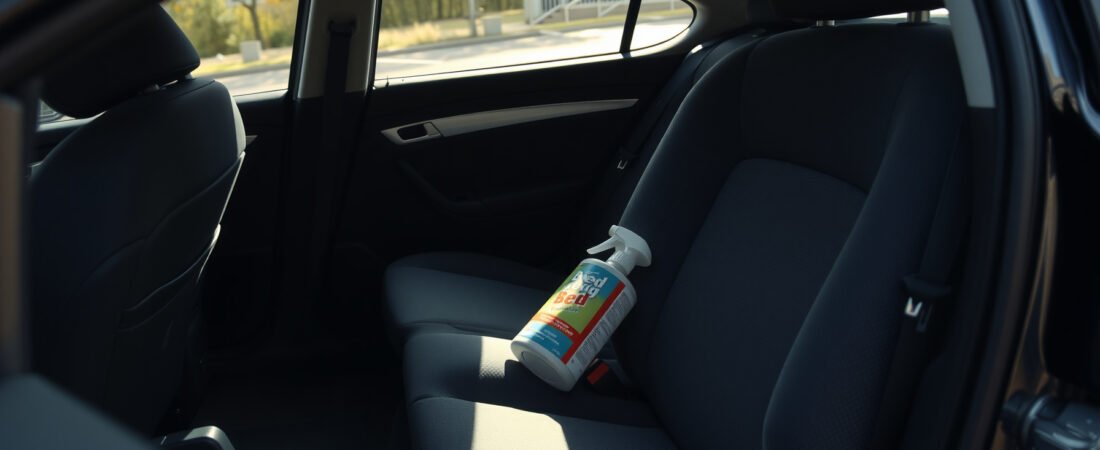
Parking your car in a hotel lot for one night is enough to bring bed bugs home with you — and your car’s interior is one of the last places most people think to treat. That’s exactly why car infestations drag on for weeks. People bomb their bedrooms, bag their mattresses, and wash every piece of fabric they own, then climb back into their infested vehicle every single day and re-introduce bed bugs to a home they just finished treating.
The real problem isn’t that car treatment is hard — it’s that most guides treat the car as an afterthought. They mention it in one bullet point at the bottom of a bedroom-focused article and move on. This guide flips that completely. The car is often the source of reinfestation, not just a secondary victim, and treating it correctly requires a different set of tactics than what works indoors.
Why Your Car Is a Bigger Bed Bug Risk Than Your Bedroom
Bed bugs don’t need your bedroom to survive — they need you. Any place you sit or sleep for more than a few minutes qualifies. A 45-minute daily commute is more than enough time for a hitchhiker to drop off a seat seam and set up camp. Adult bed bugs can survive over 300 days without a blood meal, which means a single bug that entered your car in January can still be alive and reproducing in October if you never address it.
Car seats are structurally perfect for bed bugs. The gaps between the seat cushion and backrest, the seams along the edges, the foam under the headrest cover — these are tight, dark, undisturbed spaces where bed bugs thrive. Unlike a mattress you eventually flip or a couch cushion you move, most people never pull apart their car seats. That stability makes vehicles one of the most reliable long-term harborage sites a bed bug infestation can find.
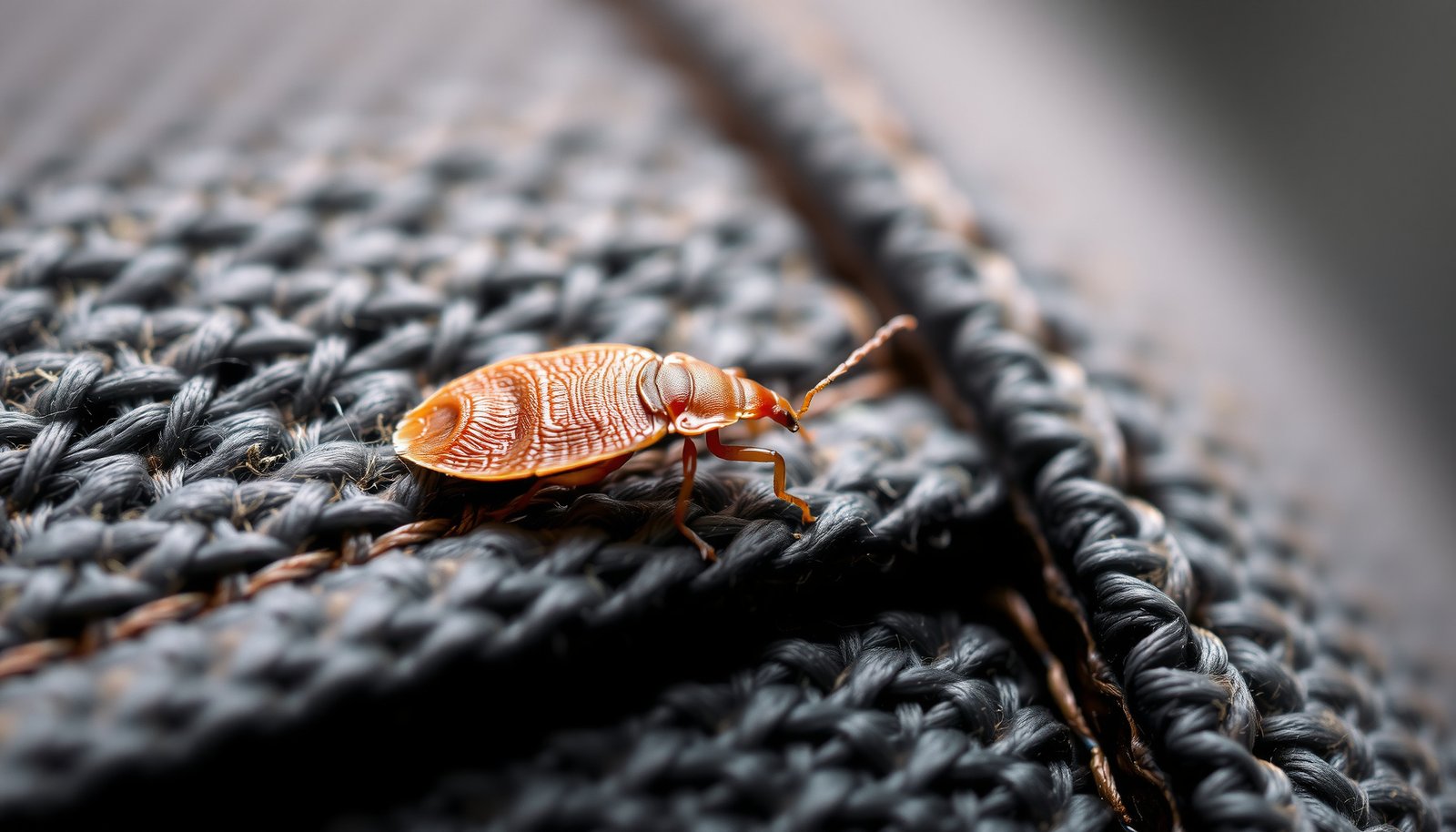
This close-up shows exactly where bed bugs hide in vehicle upholstery — the tight seams and recessed edges that are easy to miss during a casual visual inspection but are the first places a thorough treatment needs to target.
How to Confirm You Actually Have Bed Bugs in Your Car (Before You Treat)
Don’t guess — confirm. Misidentifying the problem wastes money and time, and treating for bed bugs when you actually have carpet beetles or fleas means the real pest keeps going untouched. Before buying a single product, do a proper inspection. Pull a bright flashlight and a credit card to the car during full daylight, with doors open wide for maximum visibility.
Here’s what a methodical car inspection looks like, step by step:
- Check seat seams first. Run a credit card edge along every seam on all seats — front, back, and third row if you have one. Bed bugs and their shed skins often get dislodged this way. Look for tiny rust-colored smears on the card.
- Inspect the seat-to-cushion gap. Use your flashlight to peer into the gap between the bottom cushion and the seatback. This is the single highest-probability hiding zone in any vehicle.
- Check headrests and their fabric covers. Remove headrests where possible. The fabric sleeve that slides over the headrest foam is a classic spot.
- Look along carpet edges and floor mat borders. The strip where carpet meets the door sill or center console is dark, narrow, and rarely disturbed — exactly what bed bugs prefer.
- Check the trunk, especially if you transported luggage. If the infestation came in through a bag, the trunk liner and spare tire well may already be colonized.
- Look for fecal spotting on light-colored fabric. Tiny dark specks the size of a ballpoint pen tip — not smearable like dirt — confirm active or recent bed bug presence.
A single confirmed sighting — one live bug, one shed exoskeleton, or a cluster of fecal spots — is enough to start treatment. Don’t wait until you see dozens. By then, a female has already had time to lay her 1 to 5 eggs per day, and populations compound fast.
What Actually Kills Bed Bugs in a Car (and What Wastes Your Money)
Here’s the counterintuitive part: the most effective treatment for a car infestation doesn’t come from a spray can — it comes from temperature. Bed bugs die at sustained heat above 120°F. A sealed car parked in direct summer sun on a 90°F day can reach interior temperatures of 140°F to 160°F within 60 to 90 minutes, which is well past the kill threshold for all life stages including eggs. This costs you nothing but timing.
That said, heat alone has limits. Thick seat foam insulates, which means the core of a dense seat cushion may never reach lethal temperature even if the cabin air does. Chemical treatment — specifically a contact spray plus a residual product — fills those gaps. The table below breaks down the primary methods so you can match the treatment to your situation:
| Treatment Method | Kill Rate | Best For | Limitations |
|---|---|---|---|
| Passive solar heat (car parked in sun) | High if temps reach 120°F+ | Light infestations, hot climates | Doesn’t penetrate thick foam; climate-dependent |
| Portable electric car heater / heat chamber | Very high with proper setup | Moderate infestations, cooler climates | Requires monitoring; takes 4–8 hours |
| Contact spray (isopropyl alcohol or pyrethrin-based) | Moderate — kills on contact only | Visible bugs and accessible seams | No residual kill; misses hidden bugs |
| Residual spray (permethrin-based) | High over time | Treating seams, carpet edges, crevices | Allow full dry time before re-entry; fabric safe formulas only |
One honest nuance here: if you live somewhere that barely breaks 75°F in summer, the passive solar method simply won’t get you to lethal temperatures reliably. In the Pacific Northwest or at high elevation, you’ll need to supplement with a portable heater setup or rely more heavily on chemical treatment.
“Vehicle infestations are underreported and undertreated because people focus all their energy on the bedroom. But if someone is commuting daily in an infested car while treating their home, they’re essentially reloading the source population every single day. The car has to be treated simultaneously — not after the home is clear.”
Dr. Marcus Elwell, Board-Certified Entomologist and Urban Pest Management Specialist, Purdue University Extension
How to Execute a Full Car Bed Bug Treatment at Home
Start by removing everything from the car that can be removed — floor mats, seat covers, cargo organizers, child car seats, reusable bags. Every removable item should be sealed in a plastic bag and either heat-treated in a clothes dryer on high for at least 30 minutes or discarded if that’s not possible. Don’t bring anything back into the car until the vehicle treatment is done and confirmed effective.
Picture this: it’s a July afternoon, 92°F outside. You park your car on asphalt in full sun, crack the windows just enough to run an extension cord for a thermometer probe, and check the interior temperature after 90 minutes. It reads 148°F. You leave it another hour, come back, and the car is done — no product, no cost, no off-gassing. That scenario works. But you still need to follow up with a residual spray on the seams and carpet edges after the car cools, because heat doesn’t leave a protective barrier. Any bug that crawls in the next day doesn’t know you just treated.
Pro-Tip: Lay black trash bags over the seats before parking in the sun — they absorb heat and raise the seat surface temperature significantly faster than the bare fabric alone. This helps push heat deeper into the foam where bugs hide. Leave a digital thermometer with a probe under the seat to verify you’re hitting lethal temps, not just warm temps.
What to Do After Treatment to Make Sure They Don’t Come Back
Treatment ends the current infestation. Prevention prevents the next one. These are two completely different problems that require different habits. The most common reason someone treats a car and still finds bugs two weeks later isn’t treatment failure — it’s re-introduction from a bag, a jacket, or a piece of luggage that was never checked.
Here’s what ongoing car protection actually looks like:
- Never place soft luggage directly on hotel room floors or beds. Use the luggage rack, keep bags in the bathroom, or seal them in large plastic bags during travel. Inspect bags before putting them back in your car.
- Keep a bed bug interceptor under each car seat for 60 to 90 days post-treatment. These low-profile traps catch bugs moving across flat surfaces and give you early warning of re-infestation far faster than a visual inspection will.
- Treat secondhand items before loading them into your car. A used car seat, a piece of furniture you picked up from a neighbor, or thrift store clothing can all carry bed bugs — much the same way pheromone-based traps work for clothes moths, any textile item is a potential vector. Speaking of which, if you’re dealing with fabric pests across multiple fronts, this guide on best clothes moth traps and repellents: cedar vs pheromone is worth reading alongside your car treatment plan.
- Keep clutter out of your car. Stacked papers, tote bags, and clothing piled on back seats give bed bugs undetected transit space. A clean, clear interior is easier to inspect and harder to colonize.
- Vacuum the interior weekly for the first month after treatment. Use a vacuum with a HEPA filter, focus on seams and carpet edges, and immediately seal and discard the vacuum bag or canister contents outside the vehicle.
One thing worth flagging if you’re renting your car or driving for a rideshare platform: your auto insurance or renter’s policy almost certainly won’t cover bed bug treatment costs in a vehicle. Pest damage is routinely excluded from standard policies — and if you’re not sure what your policy does and doesn’t cover, this breakdown of renters insurance and pest damage: what’s covered and what isn’t will save you a frustrating phone call with your insurer after the fact.
The bottom line on car infestations is this: speed matters more than perfection. A partial treatment you start today is better than a perfect treatment plan you delay another two weeks. Every day you wait, a mated female is laying eggs in your headrest foam. Start with what you can do right now — remove and launder everything removable, inspect with a flashlight, and get heat into that interior — then build out the chemical layer from there. Your car isn’t an afterthought in your bed bug plan. It’s the linchpin.
Frequently Asked Questions
can bed bugs live in a car?
Yes, bed bugs can absolutely live in a car — they’ll hide in seat seams, under floor mats, inside seat belt housing, and in trunk carpeting. They can’t survive extreme temperatures for long, but in moderate climates a car provides plenty of dark hiding spots and will sustain an infestation if someone regularly sleeps or spends long periods inside it.
how long does it take to get rid of bed bugs in a car?
Most car treatments take 1 to 3 sessions spread over 2 to 4 weeks, depending on how severe the infestation is. Heat treatments can eliminate bed bugs in a single 4 to 8 hour session, but chemical or DIY treatments usually require repeat applications to kill newly hatched eggs that survived the first round.
what temperature kills bed bugs in a car?
Bed bugs die when exposed to temperatures above 120°F for at least 20 minutes. On a hot day, a parked car can reach 130°F to 150°F inside, which can kill bed bugs — but you’d need to monitor the temperature with a thermometer and make sure every area of the car, including inside cushions, reaches that threshold consistently.
can I use a bug bomb to treat bed bugs in my car?
Bug bombs aren’t effective against bed bugs in a car and aren’t recommended. The pesticide fogger doesn’t penetrate into the tight seams, seat cushions, and crevices where bed bugs actually hide, so it kills almost none of them while leaving chemical residue all over your interior.
how do bed bugs get into a car in the first place?
Bed bugs most commonly get into a car by hitchhiking on infested luggage, clothing, or secondhand furniture that’s been transported in the vehicle. They can also transfer from an infested person who spends time sleeping in the car, or from used car seats and other items picked up from a home that already has an infestation.
Disclaimer: This article is for informational purposes only and isn’t a substitute for professional pest control advice. Always read and follow the product label instructions exactly — label directions are legally binding and vary by brand and active ingredient. Keep all pesticides, baits and traps away from children and pets, ventilate treated areas as directed, and consider calling a licensed pest control professional if an infestation is large, recurring, or involves a structural pest like termites or carpenter ants.