
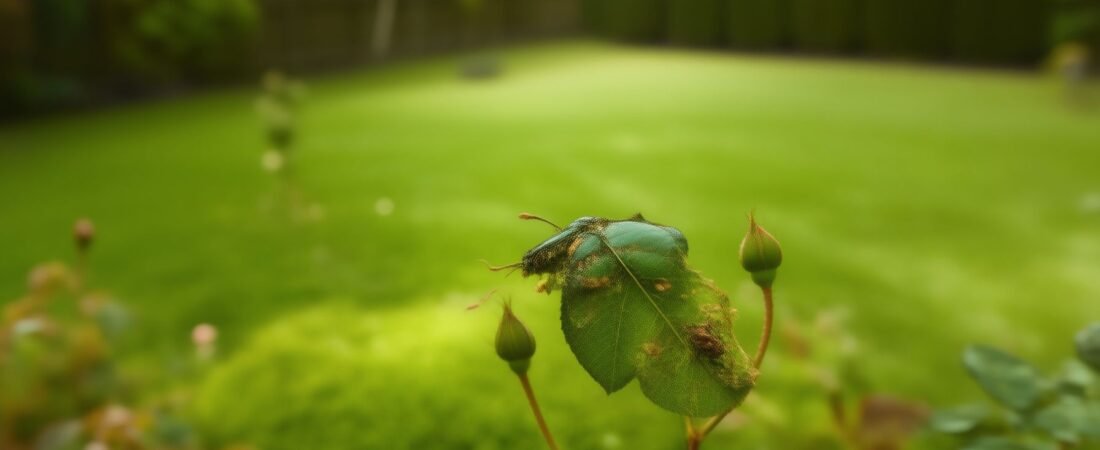
Japanese beetle traps make the problem worse — and most homeowners using them have no idea. That’s the core issue with the standard advice floating around about these beetles: it focuses on what feels satisfying (a trap bag filling up fast) instead of what actually protects your roses, beans, and lawn. This article is built around fixing that disconnect, starting with the trap question and working through every method that genuinely moves the needle.
Why Japanese Beetle Traps Are Making Your Infestation Worse
Japanese beetle traps use a dual lure — a floral scent that mimics host plants and a sex pheromone — and they work almost too well. Research from the University of Kentucky found that traps attract up to four times more beetles than would have naturally visited the area, and only about 75% of those beetles actually make it into the trap. The other 25% land on your nearby plants instead.
If you’re going to use traps at all, place them at least 30 feet away from any plant you care about — ideally on the perimeter of your property, aimed at pulling beetles away from your garden rather than into it. Better yet, give them to a neighbor you don’t like. Seriously, though: traps are a distraction for most homeowners, not a solution.
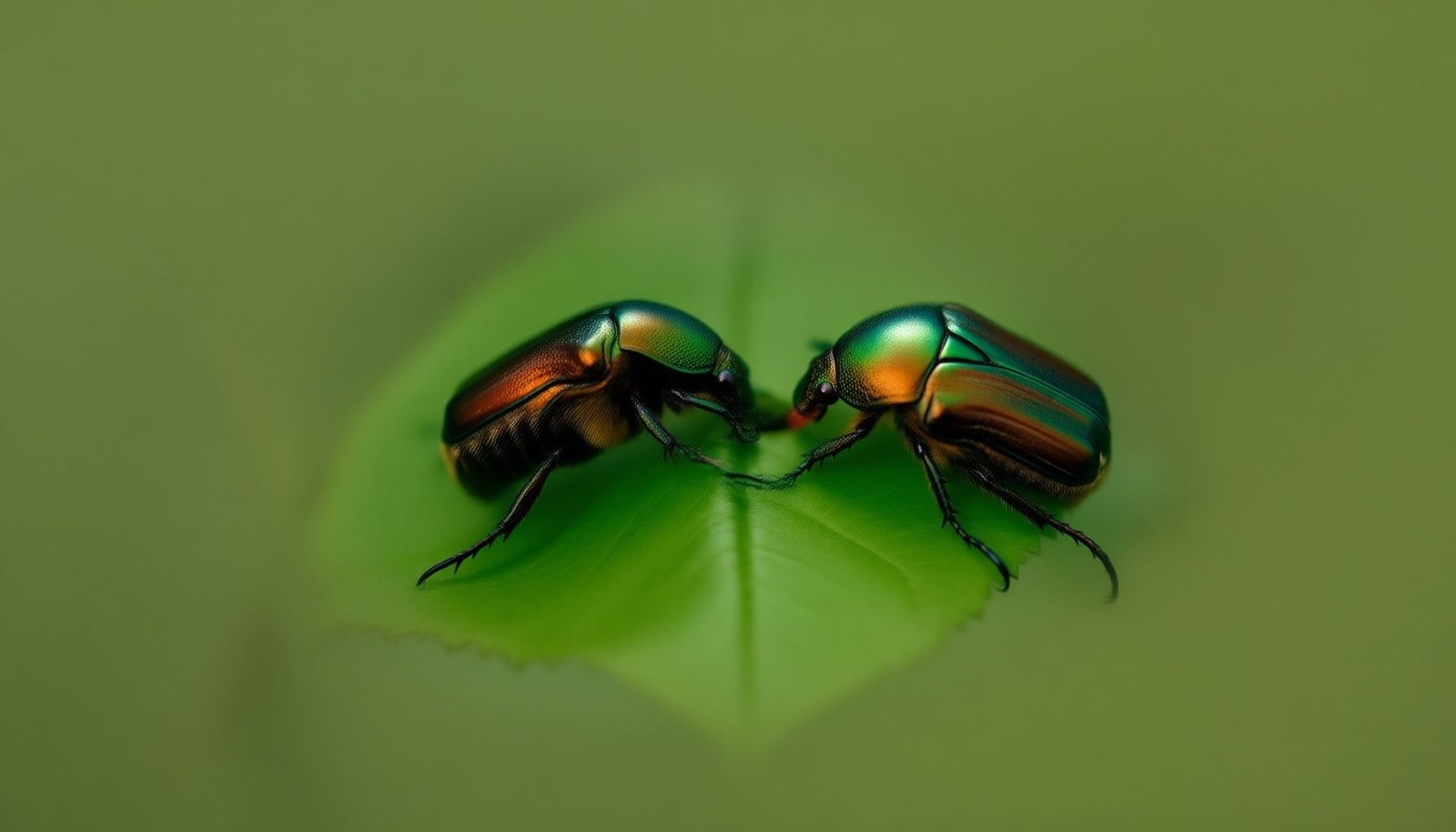
This close-up shows the distinctive metallic green and copper-brown coloring of an adult Japanese beetle — the same features that make them easy to misidentify as beneficial beetles until you notice the skeletonized leaves they leave behind.
What Japanese Beetles Are Actually Doing to Your Yard (It’s Two Separate Problems)
Here’s something a lot of people miss entirely: Japanese beetles damage your property in two completely different life stages, and each stage requires a different response. Adults feed on over 300 species of plants above ground from roughly late June through August. Meanwhile, their grubs — creamy white, C-shaped larvae — are underground eating grass roots from late summer through fall and again in spring.
Picture this: you spend all summer spraying your roses and win that battle, then watch your lawn turn brown in patches come September. That’s the grubs finishing what the adults started. You have to think about this pest in two phases or you’ll always be chasing half the problem.
| Life Stage | Active Period | Where Damage Occurs | Best Control Method |
|---|---|---|---|
| Adult beetle | Late June – August | Leaves, flowers, fruit | Contact insecticides, hand-picking, neem oil |
| Grub (larva) | Late August – October, April – May | Grass roots underground | Milky spore, imidacloprid, beneficial nematodes |
How to Stop Adult Japanese Beetles From Destroying Your Plants
Adult beetles are skeletonizers — they eat the soft tissue between a leaf’s veins, leaving a brown, lacy husk behind. They’re also mob feeders: aggregation pheromones released by feeding beetles signal others to join in, which is why a single plant can go from fine to destroyed in 48 hours. Stopping the first wave matters more than people realize.
Here’s the sequence that actually works for protecting plants:
- Hand-pick early in the morning. Japanese beetles are sluggish when temperatures are below 70°F. Knock them into a bucket of soapy water — they drown within a few minutes. Do this daily during peak season (July) and you can dramatically reduce pressure on your most valuable plants.
- Apply neem oil as a feeding deterrent. Neem doesn’t kill on contact quickly, but azadirachtin — the active compound — disrupts feeding behavior and interferes with larval development. Spray every 7–10 days, always in the early morning or evening to avoid burning foliage in direct sun.
- Use contact insecticides for heavy infestations. Pyrethrin-based sprays (organic) or carbaryl (Sevin) work fast for severe attacks. Carbaryl kills on contact but also has residual activity for about 2 weeks. Avoid spraying open flowers — these products are highly toxic to bees.
- Try row cover fabric on vegetable plants. A lightweight floating row cover creates a physical barrier beetles can’t get through. It’s not glamorous, but for green beans and raspberries — two of their favorite targets — it’s more effective than any spray.
- Avoid planting beetle-preferred species near each other. Japanese beetles show strong preferences for roses, linden trees, grapes, and Japanese maples. Clustering these together creates an all-you-can-eat situation. Space them out or protect them individually.
Pro-Tip: If you have a rose bush or linden tree that beetles absolutely swarm every summer, try applying kaolin clay (sold as Surround WP) as a spray coating. It creates a physical particle barrier on leaf surfaces that irritates beetles and makes the plant harder to grip and feed on — it’s used commercially in orchards and works surprisingly well in home gardens too.
How to Kill Japanese Beetle Grubs Before They Destroy Your Lawn
Grub damage looks deceptively like drought stress at first — irregular brown patches that feel spongy when you walk on them. The real giveaway is that you can roll back the dead turf like a carpet because the roots have been eaten through. Skunks and raccoons digging up your lawn overnight are another sign — they’re hunting the grubs themselves, which is nature’s way of confirming you have them.
Timing your grub treatment is everything. Young grubs in August and early September are close to the surface and highly vulnerable. By late fall, grubs burrow 4–8 inches deeper to overwinter, and most treatments won’t reach them effectively. Here’s what to use and when:
- Milky spore (Bacillus popilliae): A naturally occurring bacterium that only affects Japanese beetle grubs. It takes 1–3 seasons to fully establish in soil but then remains active for 10 or more years. Best for long-term organic control in lawns.
- Beneficial nematodes (Heterorhabditis bacteriophora): Microscopic roundworms that parasitize grubs. Apply in late August when soil is moist and warm (above 60°F). They die in UV light, so apply in the evening and water in immediately. Results appear within 2–4 weeks.
- Imidacloprid (Merit, Bayer Grub Killer): A systemic neonicotinoid that’s most effective when applied preventively in late June or early July, before eggs hatch. It moves into the soil with watering and kills newly hatched grubs. Don’t apply it to flowering plants — it moves into pollen and nectar.
- Trichlorfon (Dylox): A curative option when grubs are already present and actively damaging the lawn in late summer or fall. It works within days but has very little residual activity. Only use this if you’ve already confirmed grub damage.
“Most homeowners treat grubs reactively — they wait until they see lawn damage in September and then reach for a curative product. By that point, significant root damage has already occurred and the grubs are maturing fast. The smarter play is applying a preventive systemic insecticide in late June or early July, right when female beetles are laying eggs in the soil. You’re targeting eggs and newly hatched first-instar grubs, which are far easier to kill than mature larvae.”
Dr. Patricia Fenn, Extension Entomologist, University of Maryland Cooperative Extension
Does Your Neighbor’s Lawn Affect Your Beetle Problem? (Yes, Here’s Why)
Japanese beetles fly. Adult beetles can travel up to 5 miles from where they emerged as grubs, which means even if you perfectly treat your own lawn for grubs, adult beetles will still show up from surrounding properties every summer. This is the honest nuance that most pest control content glosses over: your results will always depend partly on how bad the regional pressure is in your area. Dense suburban neighborhoods with lots of turf grass — which is exactly where female beetles prefer to lay eggs — tend to see reinfestation year after year no matter what individual homeowners do.
That doesn’t mean treatment is pointless — reducing your local grub population over multiple seasons genuinely lowers the adult population emerging from your yard and signals to fewer beetles to congregate on your plants. But it does mean you should set expectations honestly: you’re managing Japanese beetles, not eliminating them. If you have problems with other lawn-damaging insects during the same period, you might also want to check out How to Get Rid of Chinch Bugs in the Lawn — chinch bug damage in summer is often confused with grub damage and the treatments are completely different.
Which Japanese Beetle Control Methods Are Actually Worth Your Money?
There’s a lot of noise in this category — products that sound good but underdeliver, and cheap methods that outperform expensive ones. A female Japanese beetle lays 40–60 eggs per season, spread across multiple soil sites, which means even a small, untreated lawn section can reinfest an entire yard. Your budget is better spent on timing and targeting than on coverage area.
One counterintuitive fact worth knowing: grub-resistant grass varieties exist. Fine fescues and perennial ryegrass treated with endophytic fungi are significantly less attractive to egg-laying females — the fungi produce alkaloids that deter feeding. If you’re overseeding bare patches, choosing an endophyte-enhanced seed blend is a passive, long-term deterrent that almost nobody talks about. It won’t fix an existing infestation, but it changes the math on reinfestations going forward. Similarly, if you’re dealing with other soil-level pests alongside beetles, some of the methods used for How to Get Rid of Chiggers in the Yard and on Your Skin — like reducing thatch and improving drainage — also make your lawn less hospitable to beetle egg-laying.
The bottom line on spending: invest in a preventive systemic grub treatment applied in late June, and combine it with physical controls and neem oil for adult beetles above ground. That combination — timed well and sustained for 2–3 seasons — is what actually reduces your beetle pressure over time. One-season spray campaigns rarely produce lasting results because you’re fighting a regional flying pest with a multi-year soil cycle.
Japanese beetles reward patience and timing more than they reward expensive products. The homeowners who see real improvement year over year aren’t the ones buying the most stuff — they’re the ones treating grubs preventively in early summer, hand-picking adults consistently in July, and choosing resistant plants where possible. Start there, build from it, and don’t let a trap bag full of beetles convince you the problem is solved.
Frequently Asked Questions
how to get rid of Japanese beetles on roses and plants fast
The fastest method is to hand-pick beetles early in the morning when they’re sluggish and drop them into a bucket of soapy water — they die within seconds. For heavier infestations, spray affected plants with neem oil or a pyrethrin-based insecticide, which can knock down visible beetles within 24 hours. Repeat every 5 to 7 days during peak season since new beetles will keep arriving.
what kills Japanese beetle grubs in lawn
Grub-killing nematodes (specifically Heterorhabditis bacteriophora) and milky spore are both effective biological treatments for Japanese beetle larvae in your lawn. Chemical options like imidacloprid or chlorantranilipole work well too — apply them in late June through August when grubs are young and close to the soil surface. Water the lawn thoroughly after any granular application to move the product down to where grubs are feeding, about 2 to 4 inches deep.
do Japanese beetle traps work or make it worse
Traps do catch a lot of beetles, but most research shows they attract more beetles to your yard than they actually capture, which can make plant damage worse. If you use them, place traps at least 30 feet away from any plants you want to protect, not right next to your garden. Honestly, hand-picking and insecticides are more effective at protecting specific plants than relying on traps.
what plants do Japanese beetles hate and won’t eat
Japanese beetles tend to avoid plants like catnip, chives, garlic, rue, and tansy, so planting these near vulnerable plants can help deter them. They also generally leave boxwood, euonymus, and most conifers alone. That said, no plant is completely beetle-proof during a heavy infestation, so use resistant plants as a deterrent alongside other control methods, not as a standalone fix.
when do Japanese beetles go away on their own
Adult Japanese beetles are typically active for 4 to 6 weeks, usually from late June through mid-August in most parts of the US. Once temperatures drop and the season ends, the adults die off and won’t return until the following summer. You don’t have to wait them out completely, but knowing the season is short can help you decide how aggressively to treat.
Disclaimer: This article is for informational purposes only and isn’t a substitute for professional pest control advice. Always read and follow the product label instructions exactly — label directions are legally binding and vary by brand and active ingredient. Keep all pesticides, baits and traps away from children and pets, ventilate treated areas as directed, and consider calling a licensed pest control professional if an infestation is large, recurring, or involves a structural pest like termites or carpenter ants.