
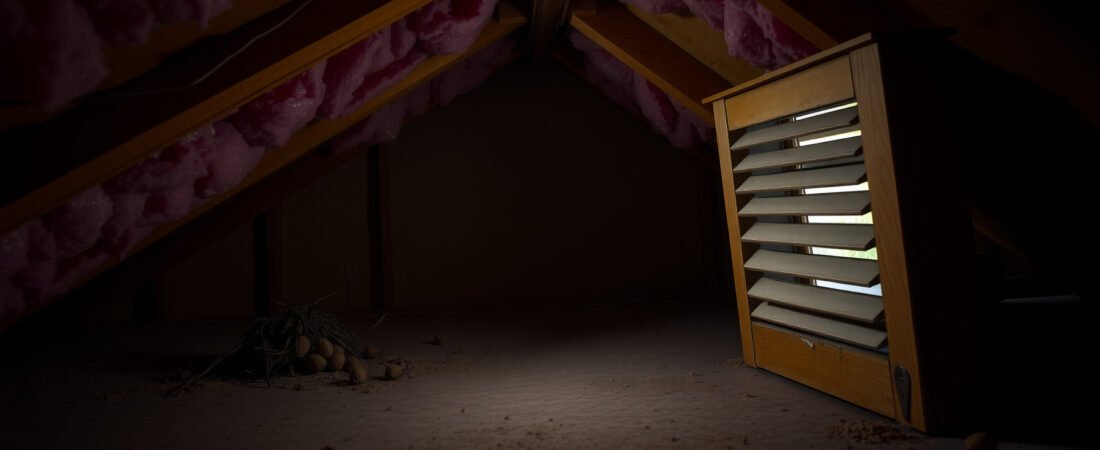
3 a.m., something is rolling what sounds like a marble across your attic floor — and you’re lying there trying to decide if you have a squirrel problem, a mouse problem, or something bigger. That sound question matters more than most people realize, because the wrong guess leads to the wrong trap, the wrong entry-point search, and weeks of wasted effort.
Here’s the angle almost nobody talks about: it’s not just what the noise sounds like — it’s when you hear it. The timing of attic sounds is a more reliable diagnostic tool than the sound itself, and most homeowners completely overlook it. A gray squirrel is strictly diurnal, meaning it’s active during daylight hours. Mice and raccoons follow entirely different schedules. That single fact can tell you what you’re dealing with before you ever climb a ladder.
This article gives you a practical, timing-first framework for identifying your attic intruder — plus the specific sounds, behavioral clues, and damage patterns that confirm your diagnosis. Get this right and you’ll stop wasting money on traps that don’t match the animal.
Why Timing Beats Sound Description Every Time
Sound descriptions are notoriously unreliable because the same animal sounds different depending on the substrate it’s running across, the temperature, and how much insulation is between you and it. A squirrel on bare plywood sounds like a jogger; that same squirrel on deep blown-in insulation sounds like distant thumping. Trying to match a vague mental sound to a written description is genuinely difficult — but checking the clock is free and foolproof.
Gray squirrels (the most common attic invader in the US) are active roughly from dawn to mid-morning and again in the late afternoon before dusk. If your noises are happening reliably at 6–9 a.m. and again around 4–6 p.m., squirrels are the overwhelming favorite. Mice are nocturnal, so you’ll hear them after dark, typically ramping up between midnight and 4 a.m. Raccoons are also nocturnal but much louder — and their schedule peaks in the first few hours after sunset.
This diagram illustrates the activity windows and typical entry points for each of the three most common attic-invading animals — knowing where to look outside your home is just as valuable as knowing what you’re hearing inside it.
What Do Squirrels in the Attic Sound Like Specifically?
Squirrel sounds have a distinctly purposeful, energetic quality to them. Picture this: you’re having your morning coffee and you hear rapid scurrying — not random or hesitant, but quick back-and-forth movement like something that knows exactly where it’s going. That’s the squirrel running between its entry point and whatever food cache or nesting area it’s established. You’ll often hear scratching bursts of 3–5 seconds, then silence, then movement again.
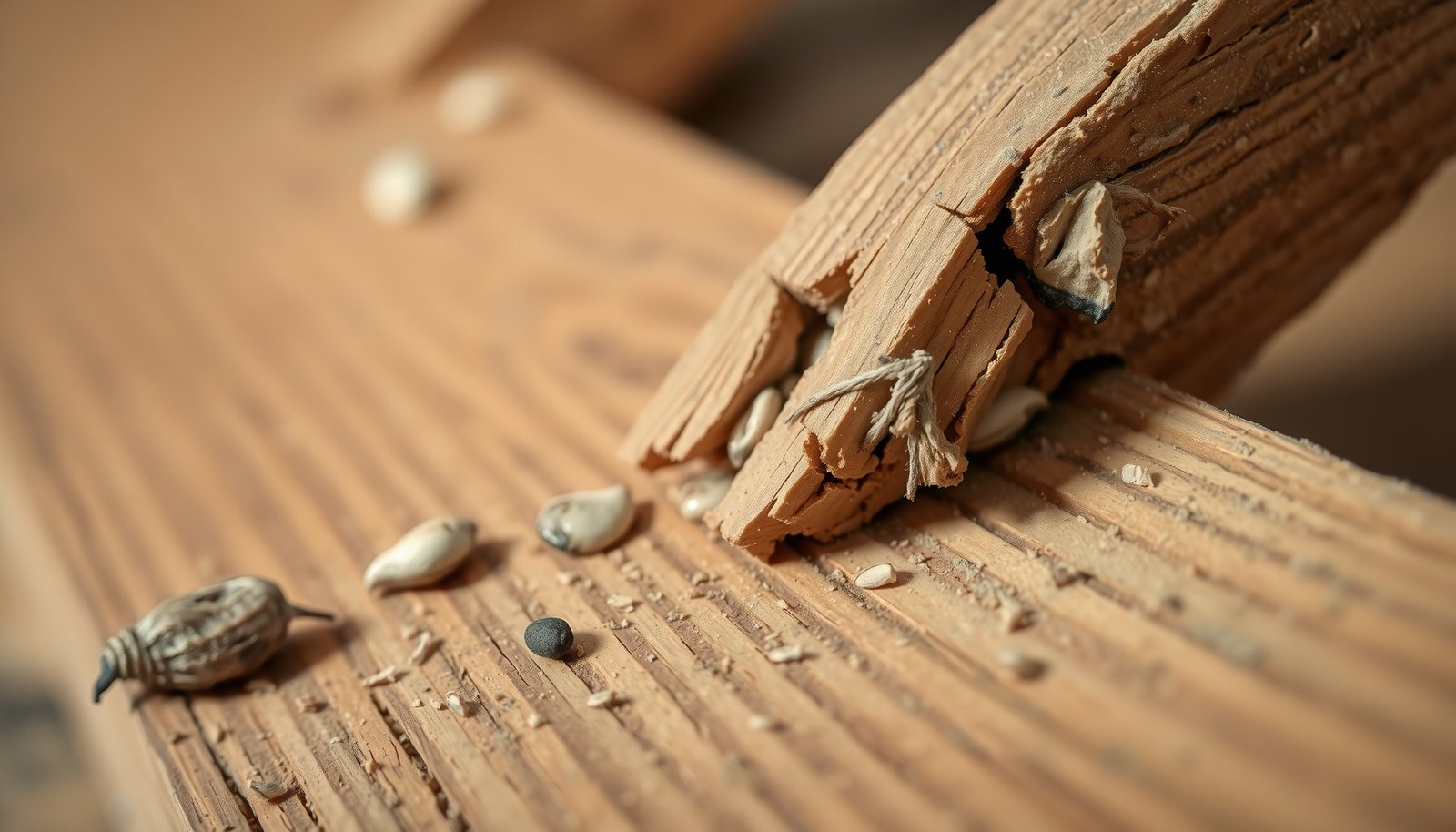
The rolling or bouncing sound — that “marble” effect — is usually a nut or acorn being moved or dropped. It’s one of the most reported sounds by homeowners with squirrel problems and one of the most distinctive. You may also hear gnawing: a rhythmic, persistent chewing sound that stops and starts. Squirrels have incisors that never stop growing, so they gnaw constantly — on joists, wiring, and HVAC ducts — which is what makes them genuinely destructive rather than just annoying. A single squirrel can chew through a wooden joist in 24–48 hours of cumulative effort.
How Do Mouse Noises in the Attic Differ From Squirrel Sounds?
Mice are lighter and quieter than squirrels — the footfall is faster and more erratic, almost like static, rather than the deliberate back-and-forth of a squirrel. Think of the difference between someone walking with purpose across a room versus someone shuffling through a pile of papers. Mice also produce high-pitched squeaking, particularly when multiple mice interact near a nest, which squirrels rarely do at the same frequency.
The honest nuance here is that a severe mouse infestation can actually sound louder than a lone squirrel, especially if you have 20 or 30 mice active in the walls and attic simultaneously. A female mouse can produce 5–10 litters per year with 5–6 pups each, meaning a population can compound quickly if left alone for a season. The scratching you hear from mice is lighter and often originates from inside wall cavities rather than exclusively overhead — that’s a useful distinction because squirrels typically stay in the attic proper, not inside the walls.
Pro-Tip: Shine a flashlight at your attic insulation at night — mice will disturb and tunnel through insulation creating visible runways, while squirrels tend to nest in one concentrated pile rather than spread out. If you see flattened channels running across the insulation surface, mice are the likely culprit regardless of what the sound suggested.
What Does a Raccoon in the Attic Sound Like Compared to the Others?
Raccoons are dramatically louder than either squirrels or mice — there’s no real ambiguity once you’ve heard both. A raccoon moving through an attic sounds like a small person walking heavily overhead: deliberate, weighty footsteps with an unmistakable thud on each step. Adult raccoons typically weigh between 10 and 30 pounds, so the structural vibration you feel through the ceiling is real, not imagined.
Raccoons also vocalize in ways squirrels and mice don’t. You may hear growling, chittering, or what sounds like a low grunting conversation — especially if a female has brought kits into the attic to raise. Raccoon kits produce a crying sound that homeowners frequently mistake for a bird or a distressed cat. One counterintuitive fact most pest control articles skip over: raccoon damage concentrates around a latrine area — raccoons pick one spot and use it exclusively as a bathroom, creating a dense accumulation of feces that poses real hantavirus and roundworm risks. That pattern of localized, heavy soiling is one of the clearest raccoon-confirming signs when you do inspect.
“The timing-of-activity approach is something I walk homeowners through before anything else. People call me convinced they have rats, and nine times out of ten, once I ask what time they hear the noise, it’s a squirrel situation — strictly daytime sounds. It saves them from setting the wrong traps in the wrong places and calling me back two weeks later wondering why nothing worked.”
Dr. Marcus Hewitt, Urban Wildlife Specialist and NPMA-Certified Pest Management Professional, Mid-Atlantic region
How to Confirm Which Animal You Have Without Going Into the Attic
You can build a reliable picture of your intruder using five ground-level and exterior checks before you ever pull down the attic hatch. Each one narrows the field significantly.
- Check the entry point size and location. Squirrels typically enter through gaps of 1.5–2 inches, often at roof fascia, soffits, or where a dormer meets the main roofline. Mice can squeeze through a gap as small as 1/4 inch, meaning their entry points are often invisible to the naked eye on a casual inspection. Raccoons need at least a 4-inch gap and will physically tear back shingles or rip open roof vents — you’ll see obvious physical damage at the entry point.
- Look for grease marks or rub marks. Mice leave dark, greasy smears along wall edges and beams from the oils in their fur. Squirrels and raccoons don’t produce this same marking pattern. If you see rub marks around a small gap, mice are strongly implicated.
- Identify the droppings. Squirrel droppings are barrel-shaped, about 3/8 inch long, and tend to scatter near the nest. Mouse droppings are much smaller — roughly 1/4 inch — with pointed ends, and appear in high volumes (a single mouse can produce 50–75 droppings per day). Raccoon droppings are large, 2–3 inches, and clustered in that dedicated latrine area mentioned earlier.
- Observe outside activity at the entry point. Position yourself to watch the suspected entry area around dawn. You’ll often see squirrels entering and exiting directly. Raccoons typically enter after dark. If you can observe movement, the case is closed without any attic inspection at all.
- Check for food storage. Squirrels cache nuts and seeds in concentrated spots — you may notice a pile near the nest or in a corner. Mice scatter food scraps and nest material (shredded insulation, paper) more broadly. Raccoons don’t cache food in the attic at all; they forage outside and return.
Taken together, these five checks will confirm your identification with a high degree of confidence in most cases. The one situation where it gets genuinely murky: older homes in wooded areas where squirrels have been nesting for years sometimes develop secondary mouse infestations because the squirrel entry holes — once gnawed open — also let in mice. You may actually have both, which explains why you’re hearing daytime sounds and nighttime sounds.
Does Identifying the Animal Change How You Deal With the Problem?
Completely — and this is where the identification work pays off in a concrete way. Raccoons are protected under state and federal wildlife regulations in most US states, meaning lethal trapping often requires a permit and illegal removal can result in fines. Live-trapping and relocating raccoons at least 10 miles from the capture site is the standard approach, but many states require a licensed wildlife removal operator to do it legally. Getting this wrong isn’t just ineffective; it can be expensive.
Squirrels fall into a gray zone depending on your state — gray squirrels are classified as game animals in some states, meaning off-season trapping or lethal removal may require a permit, while in others they’re classified as nuisance wildlife with no restrictions. Mice have no such legal protections, and standard snap traps, bait stations, and exclusion work are all fair game without any regulatory concern. The approach diverges so significantly that if you’re considering calling a professional, it’s worth asking specifically about their wildlife licensing — not all general pest control companies are licensed for raccoon or squirrel removal.
| Animal | Active Hours | Typical Sound | Entry Gap Size | Legal Removal Notes |
|---|---|---|---|---|
| Gray Squirrel | Dawn–mid morning, late afternoon | Rapid scurrying, rolling objects, gnawing | 1.5–2 inches | Varies by state; often game animal |
| House Mouse | Midnight–4 a.m. | Light scratching, squeaking, rustling | As small as 1/4 inch | No restrictions; standard trapping |
| Raccoon | Dusk–midnight | Heavy thumping, vocalizations, tearing sounds | 4+ inches (will enlarge) | Often requires wildlife permit or licensed operator |
One thing worth flagging for renters specifically: if you’re in an apartment or rented house and you’ve identified an attic wildlife issue, your landlord’s obligation to address it varies by state habitability law — and the pest control costs aren’t automatically yours to absorb. You can review your options around whether withholding rent over an unresolved pest infestation is legal in your state before paying out of pocket for professional removal.
For homeowners comparing professional removal costs — especially for squirrel and raccoon situations that genuinely warrant a pro — the price difference between major national providers and regional wildlife operators can be significant. It’s worth doing a side-by-side comparison: the Orkin vs Terminix cost breakdown is a useful starting point for understanding what national pest control companies actually charge versus what you’d pay a local specialist.
Here’s a quick reference for the physical evidence that separates these three animals:
- Squirrel: chewed wooden beams, scattered nut shells or acorn fragments, barrel-shaped droppings ~3/8 inch, nest built from leaves and insulation in a corner
- Mouse: tiny pointed droppings (~1/4 inch) in very high volume, greasy rub marks along edges, shredded insulation and paper nesting material spread broadly, gnaw marks on electrical wiring
- Raccoon: large droppings (2–3 inches) concentrated in one latrine zone, torn insulation in large sections, damaged or bent roof vents, muddy paw prints near entry point
- Multiple animals: if you see both tiny mouse droppings and larger squirrel droppings in different areas, don’t assume one identification — both populations may be present
Getting your identification right before you act isn’t just satisfying — it directly determines whether your next step actually works. A raccoon-sized problem doesn’t respond to mouse snap traps, and a mouse infestation doesn’t get resolved by patching the 2-inch squirrel hole while ignoring the dozens of 1/4-inch gaps along the roofline. Spend 10 minutes on the timing and evidence checks above, and you’ll know exactly what you’re dealing with — and exactly what needs to happen next.
Frequently Asked Questions
what do squirrels in the attic sound like?
Squirrels in the attic sound like quick, light scurrying and rolling noises — almost like someone dropping small marbles or nuts across the floor. You’ll also hear scratching and gnawing sounds as they chew on wood or insulation. The most telling sign is timing: squirrels are active during the day, especially in the early morning and late afternoon, so if the noise stops at night, squirrels are your most likely culprit.
how do I tell if I have mice or squirrels in my attic?
Mice move in a constant, rapid pitter-patter pattern and are most active between midnight and 4 AM, while squirrels make heavier, more deliberate thumping and rolling sounds during daylight hours. Mice are also much lighter, so their footsteps are softer and harder to hear through the ceiling. If the noise sounds like something with real weight moving around overhead during the day, it’s almost certainly squirrels rather than mice.
what does a raccoon in the attic sound like at night?
Raccoons are the heaviest of the three and make loud, slow thumping sounds — almost like a small child walking around up there. You’ll often hear vocalizations too, like chittering, growling, or even crying sounds if a mother has babies with her. Raccoons are nocturnal, so heavy nighttime noise combined with sounds of something large moving or manipulating objects strongly points to raccoons rather than squirrels or mice.
what time of day are squirrel noises in the attic the loudest?
Squirrel noise in the attic is typically loudest in the early morning, within the first hour or two after sunrise, and again in the late afternoon before sunset. Squirrels don’t move around much at midday or at night, so the activity tends to happen in two clear bursts. If your attic noise follows that same pattern, there’s a strong chance you’re dealing with squirrels specifically.
can I hear squirrels chewing in my attic?
Yes — squirrels are persistent chewers and you can absolutely hear gnawing sounds coming from the attic, especially near the eaves, fascia boards, or roof vents where they commonly enter. The chewing sound is a sharp, repetitive scraping noise that’s distinct from the scurrying. If you’re hearing chewing combined with rolling or thumping during daylight hours, you should act quickly since squirrels can chew through electrical wiring and create a serious fire hazard.