
A pest inspection is not a guarantee that someone will find your problem — it’s only as good as the inspector doing it. That’s the part most homeowners don’t realize until after they’ve paid for one and the technician spent 22 minutes walking around with a flashlight, handed them a one-page report, and left. The real question isn’t just “how much does a pest inspection cost?” — it’s whether the inspection you’re paying for will actually tell you something useful, or just confirm what you already suspected.
Bottom line upfront: a standard pest inspection costs between $75 and $300 depending on the type, your location, and who performs it. Some inspections are free when bundled with a treatment quote. But cost is almost the least important variable here. What matters far more is what the inspector is actually trained to look for, what’s included versus what gets charged extra, and what the report obligates either party to do afterward.
What Does a Pest Inspection Actually Cover — and What Gets Left Out?
A general pest inspection typically covers visible, accessible areas of your home: the kitchen, bathrooms, basement or crawl space, attic if accessible, garage, and the exterior foundation. The inspector is looking for evidence of activity — droppings, gnaw marks, live or dead insects, frass, nesting materials, mud tubes, moisture damage, and entry points. What they’re not doing is pulling apart walls, moving stored boxes, or digging into areas that require more than a flashlight and a mirror on a stick.
That limitation matters more than most people expect. A mouse can squeeze through a gap as small as 1/4 inch, and those entry points are often behind appliances, inside utility chases, or under insulation — places a standard walkthrough won’t touch. Similarly, a subterranean termite colony can contain over 1 million individuals while leaving almost no visible surface evidence until the damage is already extensive. A general inspection catches the obvious. A specialized inspection catches the hidden.
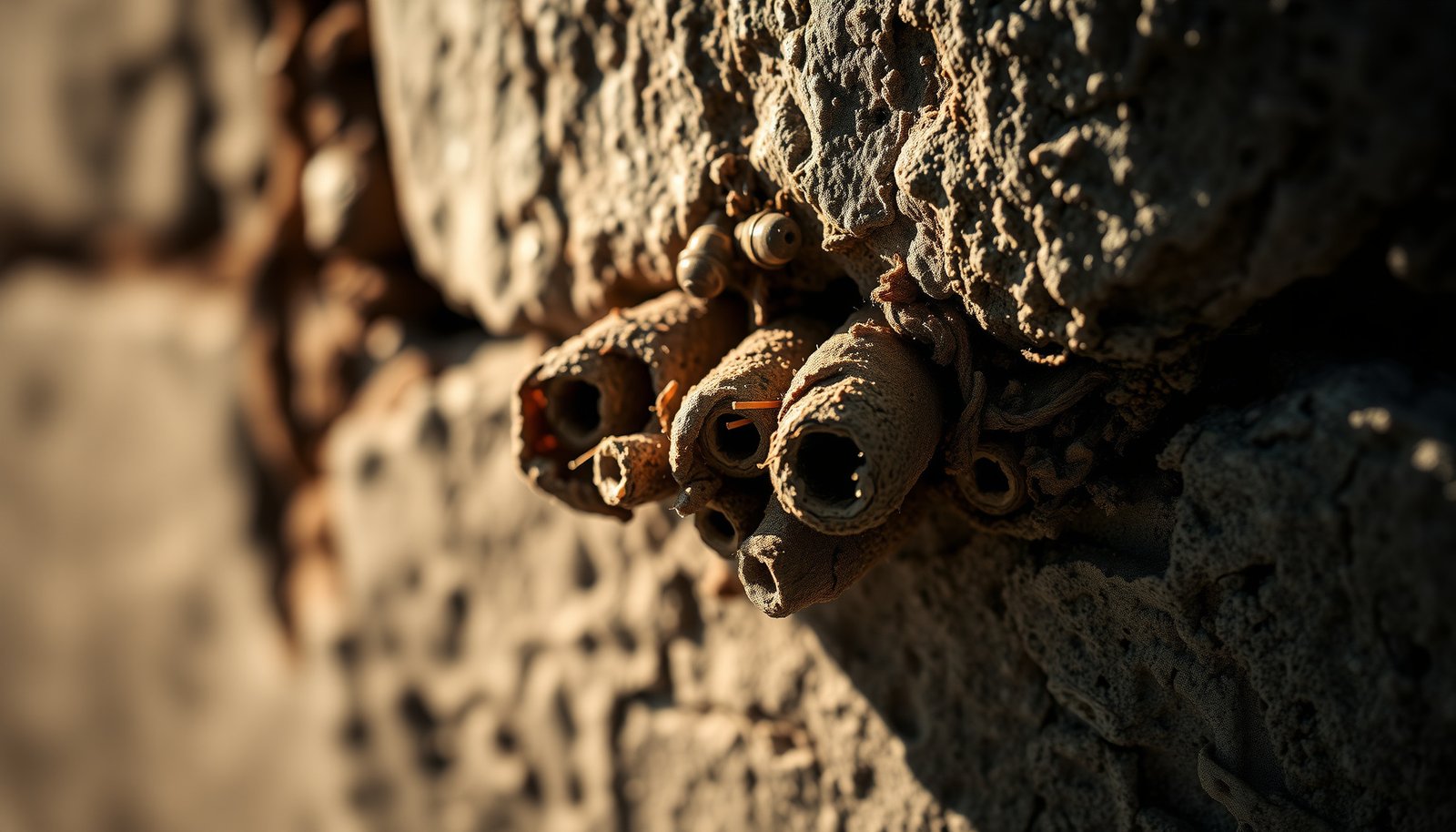
This image shows the kind of detail a thorough pest inspection targets — subtle structural entry points and early damage signs that are easy to miss without knowing exactly what you’re looking for.
How Much Does a Pest Inspection Cost by Type?
The price range for pest inspections is wide because “pest inspection” isn’t one service — it’s a category that includes several very different products. A free inspection from a pest control company bundled with a treatment estimate is not the same thing as a standalone Wood-Destroying Organism (WDO) report required by a mortgage lender. Conflating those two is one of the most common mistakes homeowners make when budgeting for this.
| Inspection Type | Typical Cost Range | What It Covers |
|---|---|---|
| General pest inspection (free with quote) | $0 – $50 | Visual walkthrough, common pests, treatment recommendation |
| Standalone general inspection | $75 – $150 | Same as above but with a written report, no sales obligation |
| WDO / Termite inspection | $75 – $150 | Wood-destroying organisms: termites, carpenter ants, wood-boring beetles |
| Real estate / mortgage inspection | $100 – $300 | Certified WDO report required for FHA/VA loans, includes liability documentation |
The free inspection that most pest control companies offer is a legitimate service, but understand what it is: a sales call with a trained eye. That’s not automatically bad — many free inspections surface real problems. Just know that the inspector’s job is also to sell you a treatment plan. A paid standalone inspection from an independent company has no upsell incentive, which changes what gets flagged and how urgently.
What Should a Pest Inspector Actually Do During the Visit?
A competent inspection isn’t just a visual scan — it follows a methodology. The inspector should be checking specific high-risk zones in a specific order, documenting findings with notes or photos, and testing for conditions that attract or sustain pests, not just looking for the pests themselves. Moisture levels, wood-to-soil contact, ventilation gaps, and even the type of landscaping near the foundation are all part of a thorough assessment.
Here’s what a well-executed inspection should include, step by step:
- Exterior perimeter walk — checking foundation gaps, utility line entry points, mulch depth, wood-to-soil contact, and signs of burrowing or nesting near the structure.
- Crawl space or basement assessment — looking for moisture damage, mud tubes along piers or beams, rodent droppings or runways, and any stored organic material that could harbor pests.
- Attic inspection (if accessible) — checking for rodent nesting, insulation disturbance, bat or bird entry points, and evidence of carpenter ant activity along rafters.
- Kitchen and bathrooms — inspecting under sinks, inside cabinet bases, behind appliances, and around plumbing penetrations for cockroach frass, ant trails, or moisture-related pest conditions.
- Interior structural elements — probing window sills, door frames, and baseboards for soft wood that indicates termite or moisture damage, and checking for any mud packing in cracks.
- Written documentation — a report that identifies findings by location, describes the evidence observed, and distinguishes between active infestation and conditions conducive to infestation.
That last point — distinguishing active infestation from conducive conditions — is one inspectors sometimes blur together to make a report look more alarming than it needs to be. “Conditions conducive to termites” means you have wood mulch against your foundation. That’s not the same as finding live termites or mud tubes, and it shouldn’t be priced as if it is.
“The single biggest gap I see in residential pest inspections is that inspectors report what they observe without explaining what it means. A homeowner sees ‘rodent activity noted in crawl space’ on a report and doesn’t know if that means one dropping from six months ago or an active population. The report needs context, not just observations.”
Marcus Delgado, NPMA-Certified Pest Management Professional and licensed structural pest inspector, 17 years field experience
When Is a Pest Inspection Worth Paying For vs. When Can You Skip It?
There are situations where paying for a standalone inspection is genuinely worth every dollar — and situations where it’s an unnecessary expense. The honest answer is that it depends heavily on what’s prompting the inspection and what you plan to do with the results. This is one of those areas where context actually changes the math significantly.
Paying for an inspection makes clear sense in these situations:
- Before buying a home — especially if the general home inspector flagged anything related to moisture, wood damage, or pest activity. A WDO report from a licensed inspector is not optional for FHA or VA loans, and even in conventional purchases, it’s cheap insurance against a very expensive surprise.
- After a confirmed infestation and treatment — a follow-up inspection verifies whether treatment worked. Cockroach infestations, for example, can persist in wall voids and appliance motors even after surface treatment if the root population wasn’t addressed.
- In older homes with a history of termite activity — if a previous disclosure or treatment record exists, an annual WDO inspection is worth more than the cost of one missed re-infestation.
- When you’re getting conflicting quotes — if one pest control company says you have a major termite problem and another says you have minor activity, a third-party inspection with no treatment obligation is the only way to get an honest read.
- Before starting a DIY treatment program — knowing exactly what you’re dealing with, where it’s concentrated, and what entry points exist makes your own efforts dramatically more targeted. For instance, if you’re planning to get rid of ants in the kitchen permanently, an inspection that identifies the nest location and entry trail changes your entire approach.
Skipping a paid inspection is reasonable if you have visible, obvious activity with a clear identification — say, a single mouse caught in a snap trap, or a small trail of pavement ants along your kitchen baseboard. Those situations don’t require a professional to diagnose. What they require is a targeted response you can execute yourself or with a basic treatment.
Pro-Tip: Before scheduling any paid pest inspection, ask the company directly: “Will this inspection produce a written report with specific findings by location, and does your inspector carry E&O insurance?” If they hesitate on either answer, find a different inspector. A verbal walkthrough without documentation protects no one except the company that did it.
What Happens After the Inspection — and What Does the Report Actually Obligate Anyone To Do?
Here’s the part almost nobody talks about: a pest inspection report, by itself, obligates nothing. It’s a snapshot of conditions observed on a single day. Finding termite activity in a report doesn’t mean the seller has to treat it (though in most states they’re obligated to disclose it in a real estate transaction). Finding rodent droppings in a rental property doesn’t automatically trigger the landlord’s remediation timeline. The report is evidence — what happens with that evidence depends entirely on your specific situation.
In a real estate context, a WDO report finding active infestation typically creates negotiation leverage, not a contractual requirement. You can ask the seller to treat before closing, negotiate a price reduction, or walk away — but the report alone doesn’t compel any particular outcome. On the treatment side, if the inspection reveals something like subterranean termites, you’ll want to understand your options before signing anything — and that means comparing approaches carefully. If you’re weighing DIY versus professional termite solutions, the breakdown in our guide on best termite treatments for homeowners: DIY vs professional will help you make that call with actual numbers.
One thing worth knowing: pest inspections have a shelf life. A WDO report used in a real estate transaction is typically valid for 30 to 90 days depending on your state. If your closing gets delayed, you may need a re-inspection — and that costs money again. Build that into your timeline if you’re using an inspection as part of a home purchase.
The final thing most articles skip entirely: the difference between an inspector who finds nothing and an inspector who found nothing. A clean report from a thorough inspector who spent 75 minutes with a moisture meter and a boroscope camera in your crawl space means something very different than a clean report from someone who did a 20-minute visual. Ask how long the inspection will take and what tools the inspector brings. That answer tells you almost everything about what the report will actually be worth.
Frequently Asked Questions
How much does a pest inspection cost?
A standard pest inspection typically costs between $50 and $150 for a basic visit, though prices vary by region, home size, and pest type. Some companies offer free inspections as part of a sales pitch for treatment services, so it’s worth asking upfront whether the inspection fee is waived if you book treatment.
What does a pest inspector actually look for?
An inspector checks both the interior and exterior of your home — think crawl spaces, attics, basements, foundation walls, door frames, and plumbing entry points. They’re looking for live insects or rodents, droppings, gnaw marks, mud tubes, wood damage, and conditions that could attract pests, like moisture or clutter.
How long does a pest inspection take?
Most inspections take 30 to 90 minutes depending on the size of your home and how accessible areas like the attic or crawl space are. A larger home with a full basement and multiple outbuildings could push that closer to two hours.
Is a pest inspection required when buying a house?
A general home inspection doesn’t automatically include a pest inspection, so you’ll usually need to request and pay for one separately. Many mortgage lenders — especially those backing VA loans — do require a pest inspection before closing, so check your loan requirements early in the process.
How often should you get a pest inspection done?
For most homeowners, once a year is a reasonable schedule, especially if you live in a region prone to termites, ants, or rodents. If you’ve had an active infestation treated in the past, quarterly follow-up inspections for the first year are a smart way to confirm the problem is gone.
Disclaimer: This article is for informational purposes only. Pest control costs, timelines, and outcomes vary widely depending on the pest, the severity of the infestation, your location, and the company you hire. Always get multiple quotes and ask for a written inspection report before agreeing to a treatment plan.