

You woke up with red, itchy welts and you didn’t feel a single bite happen — and that’s actually the key detail most people overlook when trying to figure out what’s attacking them at night. The instinct is to immediately blame bed bugs, but the truth is there are at least seven other culprits that produce nearly identical symptoms, and misidentifying the source means you’ll treat the wrong thing, waste money, and wake up itching again tomorrow. The real problem isn’t the bites — it’s that nocturnal biters are specifically adapted to feed while you’re completely unaware, which makes identification almost entirely a detective exercise based on evidence they leave behind rather than anything you’ll catch in the act.
Why Do So Many Different Pests Bite at Night Specifically?
Darkness isn’t random timing for these pests — it’s a survival strategy. Bed bugs, for example, are triggered by the carbon dioxide you exhale during sleep, and they’ve evolved to feed during the 3–5 hour window when human movement is minimal and detection risk is lowest. Fleas, mites, and certain mites respond to body heat and vibration cues that increase when you’re horizontal and still for extended periods.
The reason bites feel worse in the morning than they do in real time is also biological: most of these arthropods inject a mild anesthetic-like compound in their saliva before feeding. Your immune system mounts its reaction — the swelling, redness, and itch — after the pest is long gone, sometimes 2–8 hours later. This delay is exactly why people rarely connect the welt they see at 7am to the thing that actually bit them at 2am.
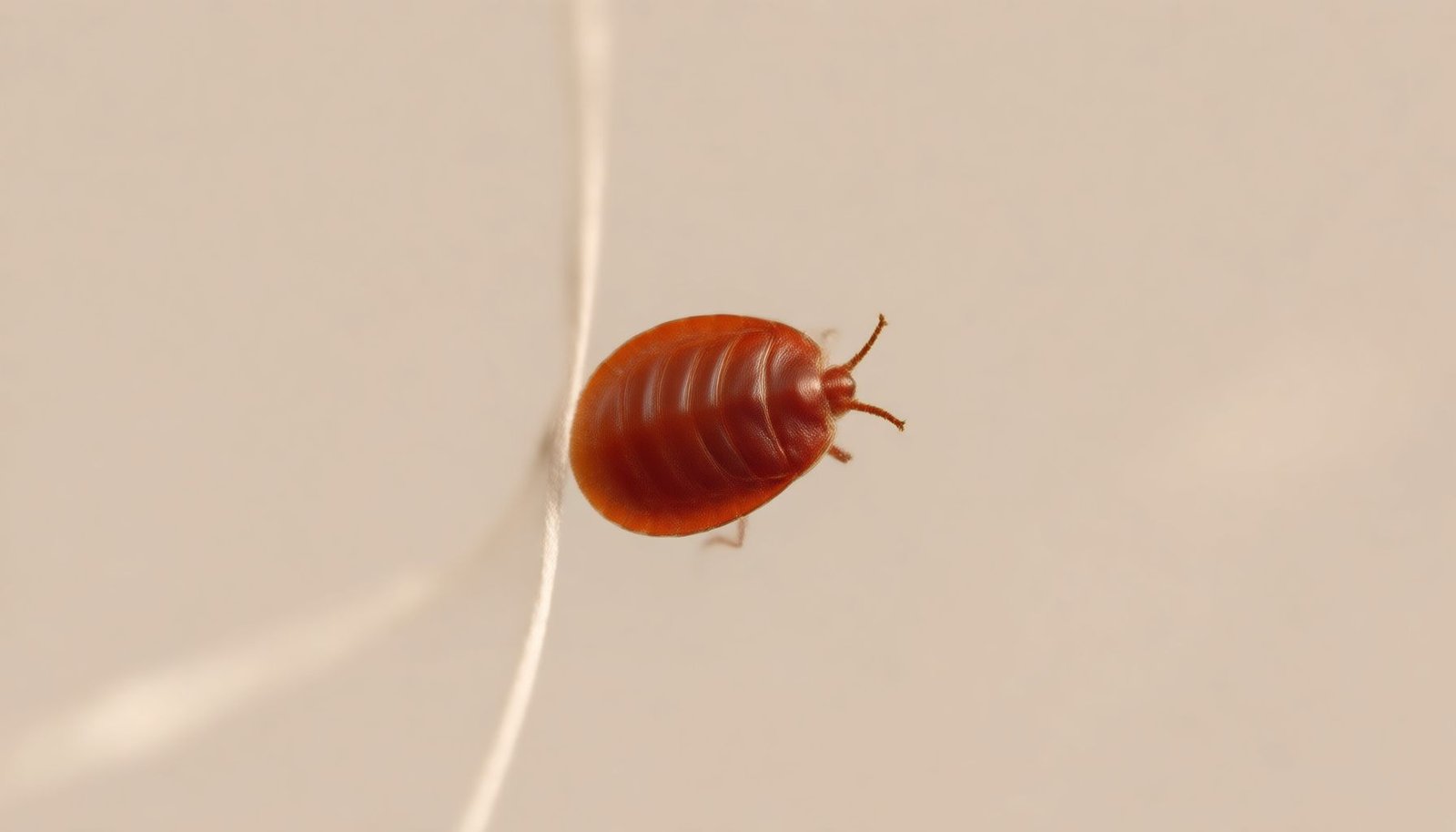
This close-up shows the kind of bite clustering and skin reaction patterns that can help distinguish between different nocturnal biters — because the pattern and location of welts on your body is often more diagnostic than the bites themselves.
What Are the 8 Most Likely Causes of Nighttime Bites?
Here’s where most people go wrong: they Googled “bed bugs” before reading this far and now they’re planning a heat treatment. Run through this list first, because the treatment for each one is completely different, and applying the wrong one does nothing.
- Bed bugs — Flat, reddish-brown, apple-seed-shaped insects roughly 4–5mm long. Bites typically appear in lines or clusters of 3, often along areas where skin contacts the mattress or sheets. Look for rusty brown stains and tiny dark specks (fecal matter) along mattress seams and box spring edges.
- Fleas — Bites concentrate around ankles and lower legs, not the torso. Fleas jump, so they typically bite wherever they land during their brief contact. A pet sleeping in your bedroom dramatically increases flea exposure at night.
- Mites (bird or rodent mites) — These show up after a bird nest is removed from near a window or after a mouse infestation is cleared. The mites lose their host and migrate toward warmth — meaning you. Bites are intensely itchy and extremely small.
- Mosquitoes indoors — A single mosquito trapped inside produces scattered, random bites on exposed skin. Bites are raised, round wheals and may appear on the face, neck, and arms — wherever the blanket doesn’t cover.
- Carpet beetle larvae — This one surprises almost everyone. Carpet beetle larvae don’t actually bite — but the tiny bristle-like hairs on their bodies cause a reaction on sensitive skin that is nearly indistinguishable from insect bites. If no live biting insect can be found, larvae could be the answer.
- Chiggers (harvest mites) — Bites appear in clusters around tight clothing areas: waistbands, sock lines, collar edges. Usually acquired outdoors but symptoms don’t appear for hours, so people wake up confused about indoor exposure.
- Bat bugs — Nearly identical to bed bugs under a basic visual inspection, but linked to bat colonies in attics or wall voids. If treatments for bed bugs keep failing, bat bugs with an unaddressed bat roost above you is a legitimate possibility.
- No-see-ums (biting midges) — If you sleep near a window with a torn or missing screen, these tiny flies can enter and bite aggressively at night. The bites burn immediately rather than itching, and the insects are nearly invisible to the naked eye.
The carpet beetle reaction is the one that sends the most people down a wrong diagnostic path — if you’re getting “bites” only in areas where your skin touched bedding or upholstered furniture, and you cannot find any live insects, read up on What Do Carpet Beetles Look Like and Where Do They Hide? before assuming you have a biting pest at all.
How Can You Tell Which Pest Is Actually Responsible?
Bite appearance alone will not get you there reliably — different people react completely differently to the same pest. Someone sleeping next to their partner may wake up covered in welts while the partner has zero reaction, and both of them were bitten equally. Individual histamine response is just too variable to use as a diagnostic tool.
Physical evidence in the room is far more reliable. Here’s a quick-reference comparison of the evidence each culprit leaves behind:
| Pest | Key Physical Evidence | Where to Look First |
|---|---|---|
| Bed bugs | Dark fecal streaks, shed skins, live bugs, blood smears on sheets | Mattress seams, box spring, headboard joints |
| Fleas | “Flea dirt” (tiny black specks that turn red when wet), live jumping insects | Pet bedding, carpet near baseboards |
| Bird/rodent mites | Tiny moving specks on walls or windowsills, recent pest or bird activity | Wall voids near nests, attic entry points |
| Mosquitoes | Single insects resting on walls or ceilings | Dark corners of bedroom, behind curtains |
Pro-Tip: Run a strip of white packing tape along your mattress seams and the inside edge of your box spring, press it flat, and pull it up — if bed bugs or their shed skins are present, they’ll stick to the tape and become far easier to see than trying to spot them in dark crevices with a flashlight.
Could It Be Something That Isn’t a Pest at All?
Picture this: a family spends three weeks treating their home for bed bugs, throws out a mattress, and bags everything in plastic — and the “bites” keep appearing every morning. A pest inspector eventually finds no evidence of any insect. The culprit turns out to be contact dermatitis from a new laundry detergent, combined with extremely dry winter air causing skin irritation that looks and feels exactly like insect bites. This is more common than the pest control industry tends to advertise.
Conditions that mimic insect bites at night include allergic reactions to new bedding or mattress materials (especially memory foam off-gassing), scabies (a mite that burrows into skin and is transmitted person-to-person, not from the environment), dry skin cracking in low-humidity climates, and even psychosomatic responses after a known pest exposure that has since been resolved. Scabies in particular is frequently misdiagnosed as bed bugs because the itch worsens at night — but scabies burrows are visible as thin, pencil-line tracks between fingers and on wrists, not clustered welts on the back or torso.
“One of the most consistent mistakes I see is homeowners treating aggressively for bed bugs based solely on bite symptoms, with no physical evidence of the insect itself. Bites are a starting point for suspicion, not a diagnosis. I always tell people: find the bug first, treat second. Without a confirmed specimen, you’re guessing — and expensive guessing at that.”
Dr. Renata Voss, Board-Certified Entomologist and Urban Pest Management Specialist, Texas A&M AgriLife Extension
What Steps Should You Actually Take Tonight?
Start with the mattress — not with sprays, not with bombs, not with throwing things out. Adult bed bugs can survive over 300 days without a single feeding, so if you discard a mattress without addressing the box spring, headboard, and surrounding furniture, you’ve spent money and solved nothing. The infestation continues from the pieces you kept.
Here’s a systematic approach that works regardless of which culprit you’re dealing with:
- Strip the bed completely and examine every inch of the mattress seams, box spring fabric, and frame joints with a flashlight. Photograph anything unusual — shed skins, dark specks, or live insects.
- Check pets and their sleeping areas for flea dirt before assuming the bedroom is the source — fleas move quickly and will follow a pet into any room.
- Inspect the room’s perimeter for signs of rodent or bird activity, especially near wall voids, attic access panels, or utility penetrations — bird mite and rodent mite infestations always have a secondary host source that needs to be addressed first.
- Check windows and screens for gaps or tears if you suspect mosquitoes or no-see-ums — a hole as small as 1/4 inch is enough for most biting flies to enter, and no-see-ums can pass through standard window screen mesh.
- Change your laundry detergent and bedding fabric softener for one week and note whether the reactions continue — ruling out contact irritants before committing to a pest treatment saves both time and money.
- Place a glue trap flat on the floor near the bed and check it each morning — almost every crawling pest that moves at night will eventually cross a glue trap, and catching a specimen makes identification certain.
One honest caveat here: the right response really does depend on your housing type, climate, and whether you’ve had recent pest activity or introduced secondhand furniture. Someone in a multi-unit apartment building has a fundamentally different risk profile than someone in a detached suburban home — bed bugs spread through shared walls and common areas in ways that make unit-level treatment alone ineffective, while rodent mite problems in apartments are almost always tied to a rodent issue in a neighboring unit or wall void. If you’re dealing with an apartment situation and suspect mite origin from a neighboring unit, the diagnostic process for How to Get Rid of Roaches in an RV or Camper illustrates well how enclosed shared spaces create unique pest pressure that requires a different investigative approach than a standalone house.
The counterintuitive thing about nighttime bites is that solving the problem almost never starts at night — it starts the next morning, in good light, looking at sheets and baseboards and pet fur and window frames. Get the evidence first. Then you’ll know exactly what you’re dealing with, and you can treat it once and be done with it instead of chasing symptoms that keep coming back because the source was never correctly identified.
Frequently Asked Questions
what is biting me at night but I can’t see anything?
The most likely culprits are bed bugs, fleas, or mites — all small enough to be nearly invisible without close inspection. Bed bugs are about the size of an apple seed and hide in mattress seams during the day, while mites can be smaller than 1mm. Strip your bed in the morning and use a flashlight to check mattress seams, box springs, and nearby furniture for tiny bugs, blood spots, or shed skins.
how do I know if bed bugs are biting me at night?
Bed bug bites typically show up in clusters or a line of 3 or more red, itchy welts on exposed skin like your arms, neck, or shoulders. You’ll also usually find physical evidence in your bed — tiny rust-colored stains, small black fecal dots, or translucent shed skins along the mattress seams. Unlike flea bites, bed bug bites rarely appear below the knee.
can something be biting me at night and not be bed bugs?
Yes, absolutely — fleas, mosquitoes, spider mites, bird mites, scabies mites, and even bat bugs can all bite you while you sleep. Fleas tend to bite around the ankles and lower legs, while scabies causes intense itching that gets worse at night and requires a doctor’s diagnosis. The bite pattern, location on your body, and where you sleep are the biggest clues for narrowing down the cause.
what can I put on my skin to stop getting bitten at night?
DEET-based repellents (at least 20–30% concentration) are effective against mosquitoes and some other insects, but they won’t protect against scabies or mites already living in your bedding. For those, the fix has to start with treating your environment — washing all bedding in hot water (at least 130°F) and drying on high heat. If you suspect scabies, you’ll need a prescription treatment like permethrin cream from a doctor since topical repellents won’t clear the infestation.
do I need to throw away my mattress if I have bed bugs?
Not necessarily — throwing away a mattress is often unnecessary and can actually spread the infestation if you’re not careful moving it out. A mattress encasement rated for bed bugs, combined with professional heat treatment or EPA-approved insecticide treatment, can eliminate bed bugs without replacing the mattress. Exterminators typically recommend giving treatment at least 2–3 follow-up inspections before considering a full replacement.