
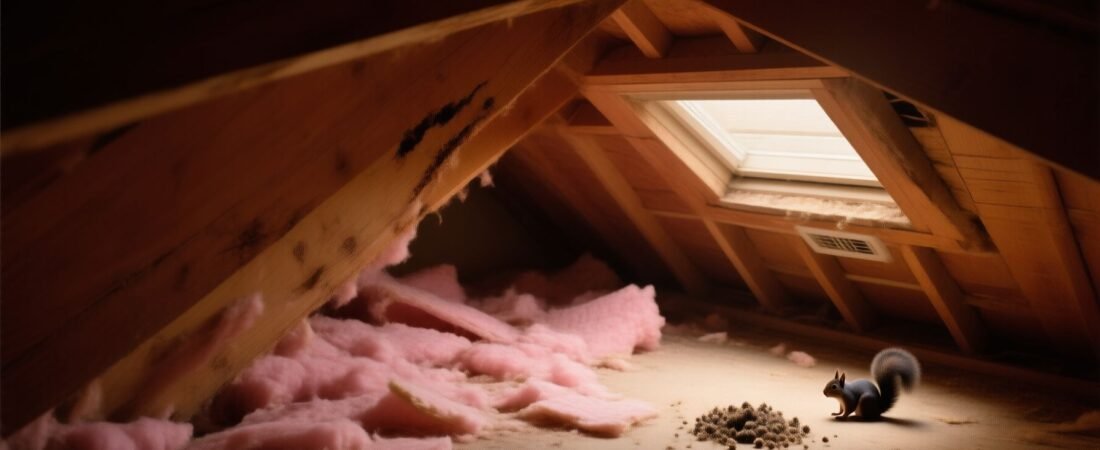
Squirrels in the attic are almost never identified by sight — they’re identified by sound, and most people get that sound wrong. The default assumption is rats or mice, and that misidentification delays the right fix by weeks. Squirrels are daytime animals, which means if the noise stops completely after dark and picks back up around sunrise, you’re almost certainly not dealing with rodents. That one timing detail changes everything about how you respond.
What Do Squirrels in the Attic Actually Sound Like?
The noise a squirrel makes overhead is heavier and more deliberate than a mouse — think rolling, bounding footsteps rather than the light, rapid scurrying that mice produce. You might also hear a low chattering or gnawing sound that’s rhythmic and persistent, usually coming from the same spot near a roof edge or soffit. Scratching that starts around dawn (between 6–8 AM) and wraps up before noon is one of the most reliable squirrel indicators there is.
Rats are nocturnal, mice are mostly nocturnal, and raccoons move at night too. Squirrels are diurnal — active during daylight hours — so a noise timeline is your fastest diagnostic tool before you even look in the attic. There’s a secondary activity window in the late afternoon, roughly 4–6 PM, before they return to the nest. If your attic goes quiet at dusk and you start hearing things again after midnight, you need to be thinking about a different animal entirely.
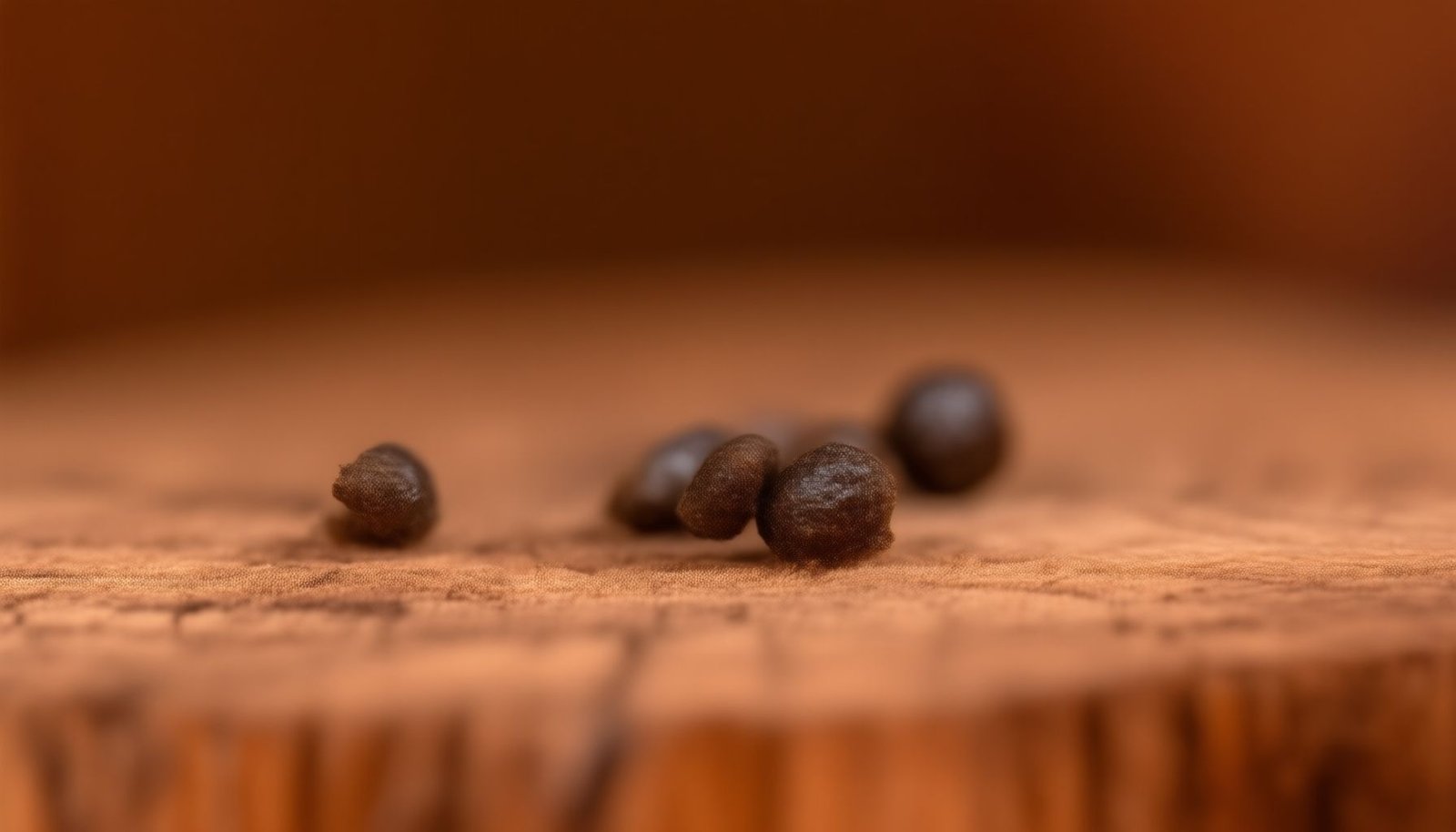
This close-up shows the kind of gnaw damage and insulation disturbance that squirrels leave behind — details that look superficially similar to rat damage but have key differences in scale and pattern that help confirm what you’re actually dealing with.
What Does Squirrel Damage in the Attic Look Like?
Squirrel teeth never stop growing, which means squirrels never stop gnawing — not because they’re hungry, but because they have to. That biological reality is what makes a squirrel infestation genuinely dangerous to a home in a way that goes beyond the nuisance of noise. Electrical wiring is a frequent target, and the National Fire Protection Association has linked gnawed wiring by rodents (including squirrels) to thousands of house fires annually. A squirrel doesn’t intend to chew through a wire; it just does, because the wood beam next to it wasn’t enough.
Beyond wiring, look for flattened or displaced insulation — squirrels nest by compressing insulation batts into a bowl shape, usually in a corner or along an eave. You’ll often find shredded material nearby: pieces of leaves, bark, or soft insulation fibers pulled together into a rough nest structure. Entry holes on the exterior are typically 2–4 inches in diameter and show gnaw marks around the edges where the squirrel has widened an existing gap. Unlike mice, which can squeeze through openings as small as 1/4 inch, squirrels need a meaningful entry point — though they’re highly capable of creating one from a small crack in a fascia board or a compromised soffit joint.
How to Identify Squirrel Droppings vs. Rat Droppings
This is where most homeowners — and even some pest control companies — make mistakes. Squirrel droppings and rat droppings are close enough in size that they get confused constantly, and that confusion matters because the exclusion strategy for each animal is different. Getting this wrong means you seal the wrong entry points, use the wrong control methods, and the problem continues.
| Feature | Squirrel Droppings | Rat Droppings |
|---|---|---|
| Size | 3/8 inch, rounded ends | 1/2–3/4 inch, tapered ends |
| Shape | Barrel-shaped, slightly bulging center | Spindle-shaped, pointed at one or both ends |
| Color (fresh) | Dark reddish-brown | Very dark brown to black |
| Location pattern | Scattered near nest, often near entry point | Along established run paths, concentrated trails |
Fresh squirrel droppings are soft and darker; older ones lighten to a pale tan or gray and become crumbly. Rats deposit droppings along the same travel paths repeatedly — you’ll see a line of them along a wall or beam. Squirrel droppings tend to be more scattered near the nesting area rather than arranged in trails. That scatter pattern, combined with rounded ends and the reddish tint when fresh, is your most reliable visual confirmation. Always wear gloves and a mask when inspecting attic droppings — squirrels can carry diseases including leptospirosis and salmonella, and dried fecal matter becomes airborne when disturbed.
Where Are Squirrels Getting Into Your Attic?
Picture this: you hire a pest control company, they set traps inside the attic, catch two squirrels, and declare the job done. Three weeks later the noise is back. This happens constantly, because closing the interior without finding and sealing every exterior entry point just means the next squirrel moves in through the same gap. Entry point identification is the part of squirrel control that’s almost always underestimated.
Here’s where to check systematically on the exterior of your home:
- Roofline intersections: Where two roof planes meet (valleys), gaps often develop as flashing ages or shifts — squirrels exploit these quickly.
- Soffits and fascia boards: Rot or storm damage creates soft spots that a squirrel can open within minutes of finding them.
- Gable vents: Older homes often have plastic or wooden gable vents without metal mesh backing — a squirrel chews through these in under an hour.
- Roof vents and ridge vents: Any vent without heavy-gauge galvanized or stainless steel screening is a potential entry point.
- Overhanging tree branches: Not an entry point itself, but branches within 10 feet of the roofline are the access ramp — trim them back as part of the fix.
- Chimney caps and flashing gaps: The gap between chimney brick and the surrounding flashing is a frequent entry point, especially when mortar has cracked.
A gray squirrel’s home range is roughly 2–7 acres, but it will return to the same nesting site year after year if the entry point remains open. Sealing with hardware cloth (1/2-inch galvanized steel mesh) is far more durable than foam, caulk, or wood alone — squirrels will simply chew back through softer materials. The exclusion has to be physically harder than the squirrel’s persistence, and that persistence is substantial.
Pro-Tip: Before sealing any entry hole, spend two to three days watching it from a distance at dawn and late afternoon. Confirm squirrels are actively exiting before you close it — sealing a squirrel inside the attic turns a manageable problem into a panicked animal tearing through drywall trying to escape, and it creates a second problem with odor if the animal dies inside a wall cavity.
How Do You Know If Squirrels Are Still Active or Already Gone?
This is the question most articles skip entirely, and it’s one of the most practically useful things to know. An attic can show evidence of squirrel activity — nesting material, old droppings, gnaw marks — from an infestation that ended months ago. Acting on old evidence wastes money and effort. Confirming active infestation before you spend anything is worth the time it takes.
Here’s a reliable sequence for confirming whether you have an active problem right now:
- The noise timeline test: Track sounds for 3–5 days. Active squirrels are consistent — you’ll hear them nearly every morning between 6–9 AM. Silence during this window suggests the nest may be abandoned or seasonal.
- Fresh vs. aged droppings: Fresh squirrel droppings are moist and dark. If everything you find is pale, dry, and crumbles easily, the infestation may be dormant or resolved. Fresh material near old material means current activity.
- The flour test: Lightly dust flour or baby powder near suspected entry holes on the exterior. Check after 24–48 hours for paw prints. This is low-tech and surprisingly accurate.
- Insulation disturbance: Freshly disturbed insulation has a different look — edges are loose and fibers are pulled rather than compressed and settled. Old disturbance looks compacted and dusty.
- Nesting condition: An active nest will have recent material additions — fresh leaves or plant fiber that hasn’t dried and darkened. A dried-out, flattened nest with no recent additions suggests the site was abandoned.
One honest nuance worth acknowledging: squirrel activity in attics is genuinely seasonal in colder climates, especially in late fall when females seek nesting sites before winter. In warmer climates like the Southeast or coastal California, squirrel activity can be year-round with multiple litters per year — a female gray squirrel typically produces two litters annually, with 2–4 young per litter. A problem that seems to resolve in summer may return in October with a whole new cohort of juveniles looking for shelter. Treating the structure once and not monitoring for seasonal re-entry is how one-time problems become recurring ones.
“The single biggest mistake I see is homeowners patching entry points without confirming all animals are out first. A squirrel trapped inside an attic will do damage in two days that would take a month of normal activity to accumulate. Always observe the entry point from outside during peak activity hours before you seal anything — that step alone prevents the most expensive callbacks I deal with.”
Dr. Marcus Hale, Wildlife Conflict Biologist and NWCOA-Certified Nuisance Wildlife Control Operator
There’s a broader misunderstanding worth correcting here that most pest guides don’t address: people treat squirrel identification as the hard part and removal as the easy part. It’s actually the reverse. Correctly reading the signs — the sound timing, the dropping shape, the entry point location — takes maybe an afternoon of careful observation. The exclusion work, done correctly with proper materials and proper sequencing, is what actually determines whether you solve the problem once or spend the next three years patching gaps. Spend more time on the exterior inspection and sealing plan than on anything else, and you’ll be fine.
It’s also worth knowing that attic pests of all kinds tend to share the same investigative logic — careful observation before action, confirmation of active versus past infestation, and understanding the biology driving the behavior. The same methodical approach that helps you confirm squirrel activity applies broadly: just as you’d want to understand what carpet beetle larvae look like before assuming you have a different textile pest, you want to confirm the specific animal before buying exclusion materials sized for the wrong species. And if you’re finding yourself down a rabbit hole of “what else might be living up there,” are drain flies dangerous to human health covers how to think about pest-related health risks in a way that helps you prioritize what actually needs urgent attention versus what can wait.
Once you’ve confirmed an active infestation, documented the entry points, and watched the squirrels’ daily exit pattern for at least three days, you’re in a position to actually fix it — not just react to it. That shift from reacting to understanding is what separates a problem you solve permanently from one you manage indefinitely.
Frequently Asked Questions
what does a squirrel in the attic sound like?
Squirrels are active during the day, so you’ll typically hear scratching, scurrying, or rolling sounds in the early morning and late afternoon — that’s when they’re most active. You might also hear gnawing or chattering noises, especially near wood beams or electrical wiring. If the sounds stop at night, it’s a strong sign you’re dealing with squirrels rather than rats or mice, which are nocturnal.
what do squirrel droppings in the attic look like?
Squirrel droppings are small, oval-shaped pellets about 3/8 of an inch long with rounded ends — similar to rat droppings but slightly larger and more barrel-shaped. They’re usually dark brown when fresh and lighten to a grayish color as they dry out. You’ll typically find them clustered near entry points, food caches, or along the edges of the attic floor.
how much damage can squirrels do in an attic?
Squirrels can cause serious damage in a surprisingly short time — within just a few weeks, they can chew through electrical wiring, insulation, and wooden beams. Chewed wires are a real fire hazard and one of the most costly repairs homeowners face, sometimes running into thousands of dollars. They also compress and contaminate insulation with urine and droppings, which reduces its effectiveness and creates a health risk.
how do squirrels get into the attic?
Squirrels most commonly get in through gaps or damaged areas around roof vents, fascia boards, soffits, and where the roofline meets the exterior walls. They can squeeze through openings as small as 1.5 inches and will chew existing small gaps to make them bigger. Checking these spots for gnaw marks, torn screening, or worn edges is one of the quickest ways to confirm squirrels are the culprit.
how do I know if squirrels are nesting in my attic?
If squirrels are nesting, you’ll likely find piles of shredded insulation, leaves, twigs, and other soft materials clumped together in a corner or along the eaves. You may also notice a musky odor from urine soaking into the insulation over time. Finding stored food like acorns or nuts scattered around the attic is another dead giveaway that squirrels have settled in rather than just passing through.