
Pest control works — until it doesn’t, and most people blame the exterminator when the real problem is something nobody told them upfront. The honest answer to whether pest control services work long-term is: yes, but only under specific conditions that most homeowners never set up. That’s the part the industry glosses over.
Picture this: a homeowner pays $400 for a professional cockroach treatment, sees nothing for six weeks, then finds three roaches skittering under the dishwasher one night and assumes the treatment “wore off.” What actually happened is that a neighboring unit’s infestation pressure overwhelmed the residual barrier — a completely different problem that no single treatment was ever going to solve permanently on its own. The treatment worked. The conditions defeated it.
That gap between “treatment worked” and “problem solved long-term” is where most pest control articles go completely silent. This one won’t.
Why Most Pest Control Treatments Expire — And What That Actually Means
Every pesticide applied to your home has a residual window — a period of time during which it remains active enough to kill or repel pests on contact. Pyrethroid-based sprays used on baseboards and entry points typically stay effective for 30 to 90 days depending on surface porosity, humidity, and UV exposure. Gel baits for cockroaches can last 3 to 6 months if left undisturbed. Nothing lasts forever, and that’s by design, not by accident or poor quality.
The expiration of a treatment isn’t a failure — it’s physics. Residual breakdown is accelerated by mopping floors with heavy detergents, repainting walls, or even high humidity in climates like Florida or Louisiana. A treatment that held strong for 60 days in a dry Arizona home might lose effectiveness in 30 days in a Gulf Coast apartment. That’s not a reason to distrust pest control; it’s a reason to understand what you’re actually buying.
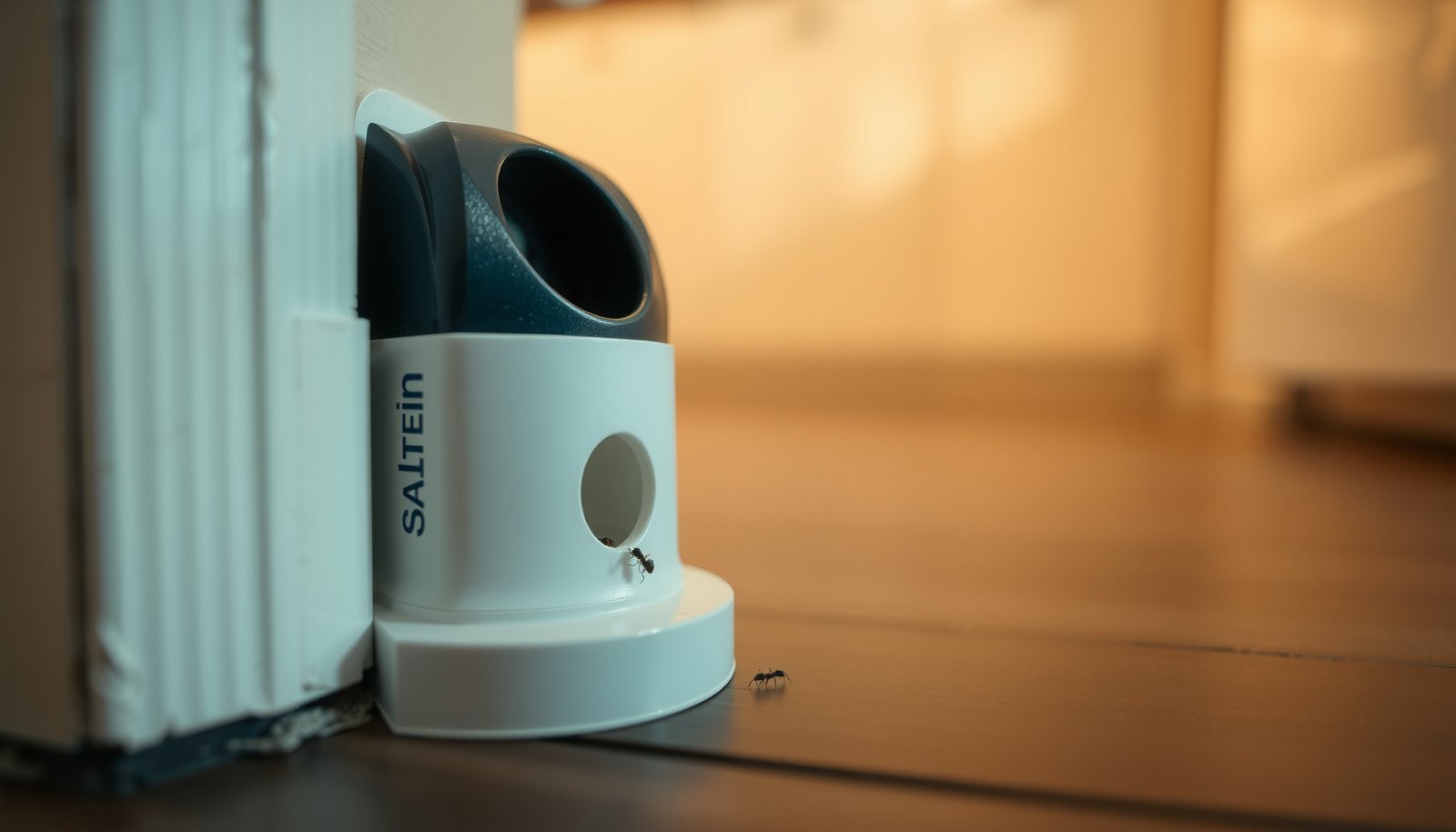
This close-up shows residual spray application along a wall-floor junction — the exact zone where cockroaches and ants travel most frequently, and where treatment concentration matters most for long-term effectiveness.
Does the Type of Pest Determine Whether Control Lasts?
Absolutely — and this is one of the most underappreciated variables in the whole conversation. Different pests have completely different reproductive rates, harborage behaviors, and re-infestation pathways, and those biological realities dictate how durable any treatment can realistically be. A single German cockroach female produces 30 to 40 eggs per capsule and can generate up to 6 generations per year under warm indoor conditions. That biology means a 90% kill rate from a treatment still leaves enough survivors to rebuild a colony within weeks if follow-up pressure isn’t maintained.
Compare that to a carpenter ant infestation. Carpenter ant colonies grow slowly — a mature colony of 3,000 workers takes 3 to 6 years to establish. A thorough perimeter treatment combined with eliminating the moisture source often holds for a full season or longer because the colony can’t replenish itself quickly. Bed bugs sit in a middle tier: adults can survive over 300 days without feeding, so a chemical treatment that misses even a small harborage behind an outlet cover gives survivors plenty of time to re-emerge months later. The pest’s biology is the calendar for how long your treatment window actually is.
“Homeowners often evaluate pest control success at the 30-day mark when the real test is the 90-day mark. Residual chemistry buys you time, but sustained control requires reducing the conditions that invited the pest in the first place. Skipping that step is why callbacks are so common.”
Dr. Marcus Hale, Board-Certified Entomologist and Urban Pest Management Consultant, NPMA Member
What Actually Causes Pests to Come Back After Professional Treatment?
Re-infestation after treatment is one of the most frustrating experiences a homeowner can have, and it almost always has a traceable cause — it rarely means the exterminator did a bad job. Understanding the actual re-entry and re-establishment pathways is the thing that separates people who stay pest-free long-term from people who end up on a perpetual treatment cycle. Here are the most common culprits:
- Untreated neighboring units or structures. In apartments and row houses, pest pressure from an adjacent unit can overwhelm even a well-maintained residual barrier within weeks. Mice can squeeze through a gap as small as 1/4 inch — a treated perimeter doesn’t help if there’s an active colony 12 feet away in the wall void.
- Reintroduction through secondhand items. Used furniture, cardboard boxes from warehouses, and grocery bags from infested stores are the most common re-entry vehicles for bed bugs and cockroaches. A treatment clears your home; the next box you bring in resets the clock.
- Surviving eggs and pupae. Most professional pesticides kill active insects on contact but are ineffective against eggs and some pupal stages. Flea pupae, for example, are essentially immune to insecticide and can emerge 5 to 14 days after a treatment, which homeowners often misread as treatment failure.
- Untreated harborage points. Clutter, wall voids, and inaccessible crawlspaces give surviving pests a refuge beyond the treated zone. Even a thorough spray treatment can’t penetrate 6 inches into a pile of old newspapers or into the interior of a wall cavity without specialized application methods.
- Moisture and food sources left intact. A leaking pipe under a sink creates conditions that make cockroach and silverfish harborage almost inevitable regardless of what’s been sprayed. Pests return to what drew them in the first place. Eliminating the attractant is the only permanent fix for that specific draw.
The counterintuitive reality here is that re-infestation after treatment is more often a property condition problem than a pest control quality problem. Blaming the exterminator first is the reflex, but auditing the conditions that welcomed pests back is almost always the more productive question.
How Do One-Time Treatments Compare to Ongoing Service Plans for Long-Term Results?
This is where the “do pest control services work long-term” question gets genuinely complicated, because the honest answer depends heavily on what you’re treating and where you live. A one-time treatment for a minor ant trail in a single-family home with no structural vulnerabilities can absolutely hold for a full season or longer. That same one-time approach in a 1940s apartment building with shared walls, exposed plumbing chases, and active rodent pressure in the exterior is practically a temporary patch job.
Ongoing quarterly or bi-monthly service plans exist because continuous pest pressure — from the outdoors, from neighbors, from seasonal migration — never stops. The plan isn’t designed to eliminate pests once; it’s designed to maintain a suppression barrier that prevents populations from establishing. That’s a genuinely different service model than a one-time knockdown treatment, and conflating the two is how most homeowners end up disappointed.
| Treatment Type | Best For | Realistic Longevity | Biggest Limitation |
|---|---|---|---|
| One-Time Spot Treatment | Minor, isolated infestations | 30–90 days residual | No re-infestation protection |
| Quarterly Service Plan | Ongoing perimeter and seasonal pressure | Year-round with maintenance | Requires consistent access and conditions |
| Annual Termite Treatment (liquid barrier) | Subterranean termite prevention | 5–10 years depending on product | Soil disturbance can break the barrier |
| Heat Treatment (bed bugs) | Heavy infestations, full-room elimination | Immediate full kill, no residual | Zero protection against re-introduction |
Pro-Tip: Before signing any ongoing service plan, ask the company specifically what their re-treatment policy is if pests return between scheduled visits. A reputable provider will include complimentary callbacks within a defined window — typically 30 days — at no extra charge. If that policy isn’t clearly stated in writing, push for it or walk away.
What Homeowners Can Do Between Treatments to Make Results Last
The single biggest variable in whether professional pest control holds long-term isn’t the product used or the company hired — it’s what the homeowner does between visits. Professionals apply chemistry; homeowners control conditions. Both halves have to work together for results that actually stick past the next 60 days.
Some of the most effective between-treatment habits are almost embarrassingly basic, which is probably why they get overlooked. Sealing food in airtight containers eliminates the foraging reward that brings ants back into a treated kitchen. For stored goods especially, this matters more than most people realize — how to get rid of pantry moths and their eggs completely involves not just eliminating the active insects but cutting off the grain and flour sources that keep successive generations viable. No food source means no reason to come back, regardless of residual chemical presence.
Physical exclusion is the other half of the equation that most homeowners defer entirely to the exterminator — and that’s a mistake. Sealing gaps around pipe penetrations, caulking baseboards in bathrooms, and installing door sweeps on exterior doors reduces the entry points that make re-infestation almost inevitable. For bed bugs specifically, mattress encasements rated for full protection act as a permanent physical barrier that keeps any surviving eggs or adults from accessing sleeping areas — extending the practical effectiveness of a treatment long after the chemistry has degraded. Here’s what’s worth knowing about the between-treatment period:
- Fix moisture problems first — a dripping pipe under the kitchen sink will rebuild a cockroach population faster than almost anything else, regardless of what’s been sprayed around it.
- Don’t mop treated zones with strong floor cleaners for at least 5 to 7 days after a spray application — surfactants in common cleaners break down pyrethroid residuals dramatically faster than normal degradation.
- Inspect secondhand furniture and boxes before bringing them inside, especially anything that’s been in storage — cardboard is a well-documented transport vector for cockroach egg cases and bed bugs.
- Keep exterior vegetation trimmed back at least 12 to 18 inches from the foundation — overgrown shrubs and ground cover create bridged pathways that let ants, spiders, and rodents bypass perimeter treatments entirely.
- Report activity to your pest control provider between visits rather than waiting — catching a resurgence at 5 insects is a callback; ignoring it until it’s 500 is a new infestation.
One thing that doesn’t get said enough: the homeowners who get the best long-term results from professional pest control tend to treat the service relationship as a partnership rather than a one-way transaction. That means communicating what’s changing in the home — a renovation, a new pet, a move-in from a college apartment — because any of those events can shift pest pressure significantly and a good technician needs that context to adjust their approach accordingly.
Long-term pest control success isn’t really a question of whether the exterminator did their job. It’s whether the home environment makes it easy or hard for pests to re-establish after treatment ends. Get the conditions right, maintain the physical barriers, and the chemistry your exterminator applies has a fighting chance of actually holding. Skip those steps, and you’ll be scheduling another treatment before the invoice from the last one is even filed away.
Frequently Asked Questions
do pest control services work long-term or do pests always come back?
Pest control can absolutely work long-term, but it depends on the type of pest and how consistent you are with follow-up treatments. One-time treatments often wear off within 30 to 90 days, while quarterly or bi-monthly service plans are far more effective at keeping pests from returning. The key is eliminating entry points and food sources alongside chemical treatments — spray alone won’t cut it if your home has gaps, moisture issues, or clutter.
how long does pest control treatment last before it stops working?
Most standard interior sprays last anywhere from 30 to 60 days, while exterior perimeter treatments can hold up for 60 to 90 days depending on weather and sunlight exposure. Gel baits used for cockroaches or ants tend to last longer — sometimes up to 3 months — but lose effectiveness once pests stop encountering them. Termite treatments like Termidor can protect a home for 10 or more years, so longevity really varies by pest type and product used.
why do bugs keep coming back after pest control?
If pests are returning after treatment, it’s usually because the root cause hasn’t been addressed — things like cracks in the foundation, leaky pipes, or unsealed food containers keep attracting them back. Pest control kills what’s there at the time, but it doesn’t stop new pests from moving in through the same entry points. You’ll also see reinfestation faster in warmer months or if you live in a densely populated building like an apartment complex where pests migrate from neighboring units.
is monthly or quarterly pest control worth it?
For most US homeowners, quarterly service is the sweet spot — it’s enough to maintain a protective barrier without overspending on monthly visits. Monthly plans make more sense if you’re dealing with an active infestation or live in a region with year-round pest pressure like the Southeast or Southwest. Studies from pest management associations show that homes on regular treatment schedules are significantly less likely to experience repeat infestations compared to one-time service customers.
can I do my own pest control instead of hiring a company?
DIY pest control with store-bought products can handle minor issues — like a small ant trail or the occasional roach — but it rarely matches the residual effectiveness of professional-grade products. Most consumer sprays top out at around 0.05% active ingredient concentrations, while licensed applicators use formulations that are far stronger and longer-lasting. If you’re dealing with termites, bed bugs, or a full-blown rodent infestation, DIY approaches almost always fall short and can end up costing more in the long run.
Disclaimer: This article is for informational purposes only. Pest control costs, timelines, and outcomes vary widely depending on the pest, the severity of the infestation, your location, and the company you hire. Always get multiple quotes and ask for a written inspection report before agreeing to a treatment plan.