
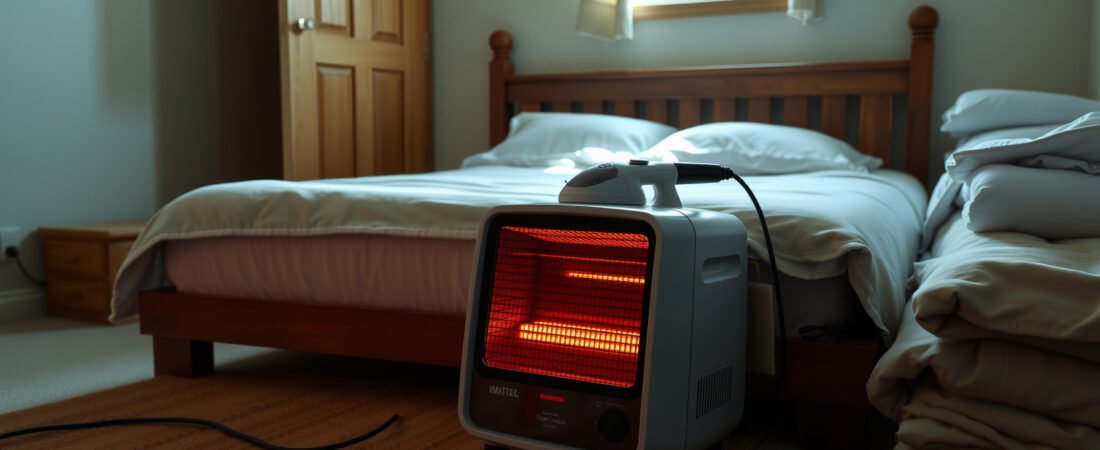
Heat kills bed bugs at 122°F — but the device you use determines whether you actually reach that temperature inside a mattress, not just on the surface of it. That’s the part most DIY guides gloss over, and it’s exactly why people run a portable heater for six hours, declare victory, and wake up with bites two weeks later. The bug didn’t survive because heat doesn’t work. It survived because the heat never reached it.
There’s a real difference between heating the air in a room and heating the core of a couch cushion or the seam of a box spring. Bed bugs are specialists at hiding in thermal refugia — spots that stay cooler longer, like inside wood furniture joints, under carpet tack strips, and deep in mattress foam. A good DIY heat treatment device needs to sustain high temperatures for long enough to eliminate those cold pockets. This article is specifically about which devices actually do that, what their real limitations are, and how to use them so you’re not just cooking the easy-to-reach bugs while the rest wait you out.
Why Most DIY Heat Devices Fail Before the Job Even Starts
The failure point for DIY heat treatment almost never happens during the treatment itself — it happens in the setup. Homeowners either underestimate the cubic footage they need to heat, skip the thermometer probe step entirely, or use a device rated for a smaller space than the room they’re treating. You can own a perfectly capable heat device and still get a failed treatment because you didn’t account for the fact that exterior walls bleed heat to the outside, especially in winter, which means your heater has to work harder just to maintain temperature.
Adult bed bugs die at 122°F when exposure lasts at least 1 minute, but eggs require sustained temperatures of 118°F for 90 minutes to be reliably destroyed. That’s not a detail you can skip. A device that ramps up fast and then cycles off thermally won’t maintain 118°F at the center of a mattress long enough to kill eggs — and a single female that survived as an egg can lay 1–5 eggs per day, rebuilding an infestation within weeks. The math is unforgiving.
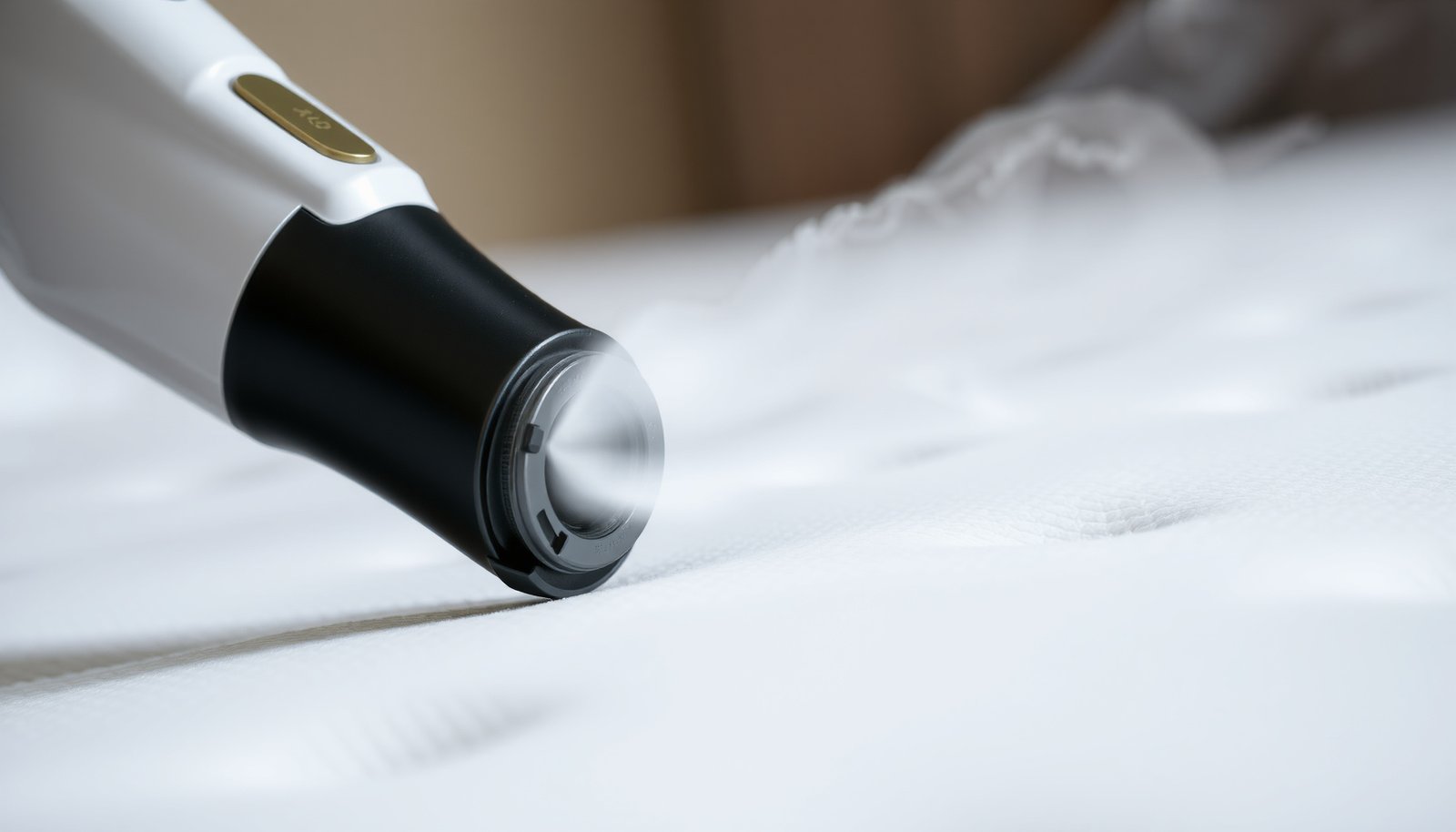
This close-up shows the key components of a portable bed bug heat treatment setup — including the heating unit, thermometer probes, and airflow fans — which together determine whether lethal temperatures penetrate furniture and wall voids rather than just warming the ambient air.
What Types of Bed Bug Heat Treatment Devices Are Actually Available for DIY Use?
The DIY heat treatment market breaks down into three distinct categories, each with a different use case, price range, and success rate depending on your infestation size. Understanding which category you’re buying into matters more than any individual brand recommendation, because using a Category 1 device on a Category 3 problem is a waste of money and time.
Here’s how the three categories actually break down in practice:
- Portable heat chambers (tent-style): Enclosed zippered bags or foldable boxes designed for individual items — luggage, clothing, backpacks, shoes. Brands like ZappBug and PackTite are the standard here. These work well for what they’re designed for, which is treating discrete items, not rooms. Temperatures inside reach 120–140°F reliably. They’re genuinely useful for travelers and for decontaminating items before bringing them back into a treated space.
- Whole-room electric heaters (propane-free): High-draw electric heaters — typically 1,500–4,800 watts — meant to heat a single room to lethal temperature. The Dr. Infrared Heater and similar units fall here. These require multiple units for any room larger than 200 square feet, and they’re the most commonly misused device because people assume one unit is enough.
- Propane-powered bed bug heaters (pro-grade DIY rental): Units like the Titan 800 or Bed Bug Heater rental systems that push serious BTUs and are designed to heat a full room or apartment to 135–145°F for 4–8 hours. These are what pest control professionals actually use, available for rental through some pest supply companies. They’re significantly more effective but require proper electrical or propane access and careful monitoring.
- Steamers (supplemental only): High-temperature steamers like the Vapamore MR-100 or Dupray Neat produce dry steam at 212°F and above at the nozzle. They’re not whole-room treatment — they’re surface and crack treatment. Used correctly along seams, tufts, and furniture joints, they’re effective for direct contact killing. Used alone, they miss too much.
- Combination kits: A growing category where manufacturers bundle a heater, thermometer probes, and sometimes a fan into one package. These close the monitoring gap somewhat, though the quality varies widely. Look for kits that include at least two remote thermometer probes, not just one.
Which Specific Devices Perform Best for Each Infestation Size?
Matching device to infestation scale is the single most important decision in this process. A small, contained infestation — found early in one room with evidence limited to a single bed — is a genuinely manageable DIY heat job. A multi-room infestation that’s been active for more than 60 days is a different problem entirely, and the honest answer there is that DIY heat has real limits. Picture this: you buy a 1,500-watt electric heater for a 300-square-foot bedroom, run it for eight hours, and check the thermometer — the air temperature shows 130°F. But you never probed the mattress core or the baseboards, which stayed at 108°F the entire time. The treatment looked successful and completely wasn’t.
Here’s a practical breakdown by infestation scope:
| Infestation Scope | Recommended Device Type | Realistic Success Rate DIY |
|---|---|---|
| Single item (luggage, bag, clothing) | Portable heat chamber (ZappBug, PackTite) | High — near 100% if items fit properly |
| Single room, early-stage (under 60 days) | Multiple electric heaters + thermometer probes + fans | Moderate — 70–80% with correct monitoring |
| Whole apartment or multi-room | Propane rental unit or pro-grade system | Lower — 50–60% DIY, errors compound |
| Recurring or multi-unit building | Professional treatment recommended | DIY not advised — reinfestation likely from adjacent units |
Pro-Tip: Always place at least two wireless thermometer probes before starting any heat treatment — one at the coldest spot in the room (typically an exterior corner near the floor) and one inside the thickest item being treated, like the mattress center or a couch cushion core. If both probes don’t hit 118°F for a sustained 90 minutes, the treatment isn’t done, regardless of what the air temperature reads.
What Do You Actually Need Besides the Heater to Make a DIY Treatment Work?
The heater is only part of the system. A DIY heat treatment without circulation fans fails almost every time. Hot air rises, which means without active airflow management, the ceiling of a room can be 145°F while the floor behind the bed frame stays below the lethal threshold. Pros use large electric fans — typically 20-inch box fans — positioned to circulate heated air horizontally through the space and force it into furniture and along baseboards. This is non-negotiable for any whole-room treatment.
Beyond fans, here’s what a complete DIY heat treatment kit should include:
- Wireless thermometer probes (minimum 2, ideally 4): Govee, ThermoPro, or similar with remote monitoring. Non-negotiable. Guessing temperature is how treatments fail.
- 20-inch box fans (2–3 per room): Positioned to push hot air under furniture and along floor-level walls where bed bugs congregate.
- Door seals and window film: Inexpensive foam weatherstripping and plastic window insulation film to reduce heat loss. Without these, you’re heating the neighborhood.
- Bed bug interceptors (post-treatment monitoring): ClimbUp or similar cup-style interceptors placed under furniture legs after treatment to catch any survivors attempting to climb back to a host.
- Heat-sensitive items removal checklist: Candles, vinyl records, certain plastics, medications, aerosol cans, and musical instruments can be damaged or become dangerous above 120°F. Anything flammable or heat-sensitive needs to leave the room before treatment starts.
“The biggest mistake I see with DIY heat treatments is that people treat temperature as a binary — either it’s hot enough or it isn’t. What they miss is the time component. You need 118°F sustained at the coldest point in the room for a minimum of 90 minutes to kill eggs reliably. That means your treatment clock doesn’t start when the heater turns on — it starts when your lowest probe hits threshold. Most DIYers are cutting the treatment time by 2 to 3 hours without realizing it.”
Dr. Marcus Trell, Board-Certified Entomologist and Urban Pest Management Specialist, University Extension Service
When Is DIY Heat Treatment Genuinely Worth It — and When Does It Become a Liability?
Here’s the counterintuitive part that most product review articles won’t say outright: for a mid-level or advanced infestation in a full apartment, buying $600 worth of heat equipment and spending a weekend on treatment is likely to cost you more — in money, time, and mental energy — than splitting the cost of professional heat treatment with a landlord dispute or insurance claim. The economics of DIY heat only make sense at the smaller end of the infestation scale. Just as choosing between professional wildlife removal and DIY trapping comes down to severity and access, the same calculus applies here: small, accessible, early-stage problems favor DIY; established, dispersed infestations favor professional intervention.
There’s also a building-type variable that almost no one discusses. In a single-family home, a successful DIY whole-room heat treatment is genuinely achievable with the right equipment and monitoring. In a shared-wall apartment or condo, heat treatment in your unit does nothing about the bed bugs living in adjacent wall voids, and re-infestation can happen within days. Adult bed bugs can survive over 300 days without feeding, which means they don’t need to rush — they’ll wait in the wall cavity until temperatures normalize and then migrate back. For situations like this, applying the same research rigor you’d use when comparing pest control products side-by-side matters: you need to know what a device actually does versus what its marketing implies, because the gap between those two things is where failed treatments live.
The honest nuance is this: DIY heat treatment devices are not a lesser version of professional treatment. For the right situation — a single-room, early-detected infestation in a detached house — they’re genuinely effective and far cheaper than a service call. The problem isn’t the equipment. The problem is deploying capable equipment against a situation it wasn’t designed to handle. Know what you’re dealing with before you buy anything, and let the scope of the infestation drive the decision, not the price of the device.
If you’ve confirmed the infestation is contained, you have access to remote thermometers, you’re prepared to seal the room properly and run the treatment for a full 8 hours, and you’re in a single-family home — DIY heat is a legitimate and often successful option. Go in with that setup and that level of attention, and the devices covered here give you a real shot at permanent elimination on the first try.
Frequently Asked Questions
what temperature do bed bugs die at?
Bed bugs die when exposed to temperatures of 118°F or higher for at least 90 minutes. Eggs are harder to kill and need sustained heat at 122°F or above. That’s why effective bed bug heat treatment devices need to maintain those temps consistently throughout the entire treatment space, not just peak briefly.
can I use a space heater to kill bed bugs myself?
A standard space heater won’t cut it for most infestations — it can’t raise an entire room to the 120°F+ needed to kill bed bugs in wall voids, mattresses, and furniture. Purpose-built bed bug heat treatment devices like portable PropHeat or ZappBug systems are designed to circulate heat evenly and hold lethal temperatures long enough to actually work. Using a space heater might push bugs deeper into walls instead of killing them.
how long does a DIY bed bug heat treatment take?
Most DIY heat treatment sessions take between 6 and 8 hours for a full room, though smaller enclosure heaters like the ZappBug Oven 2 can treat individual items in about an hour. The key isn’t just hitting the right temperature — it’s keeping everything at 118°F to 122°F long enough for heat to penetrate thick materials like mattresses and box springs. Rushing the process is one of the most common reasons DIY treatments fail.
are bed bug heat treatment devices worth the money?
It depends on how bad your infestation is and what you’re treating. A quality portable heater unit runs $200 to $1,500, while a professional whole-room heat treatment can cost $1,000 to $3,000 or more per visit. For treating specific items like luggage, clothing, or a single piece of furniture, a device like the ZappBug Heater or PackTite is absolutely worth it — but for a heavily infested apartment, professional equipment is usually more reliable.
what items can be damaged by bed bug heat treatment?
Heat-sensitive items like candles, vinyl records, certain medications, aerosol cans, and anything with lithium batteries can be damaged or become dangerous at temperatures above 120°F. You should also remove pets, plants, and any artwork with wax-based finishes before running a heat treatment. Always check manufacturer guidelines for electronics — laptops and phones can handle moderate heat, but leaving them in a chamber running above 120°F for hours isn’t a good idea.