
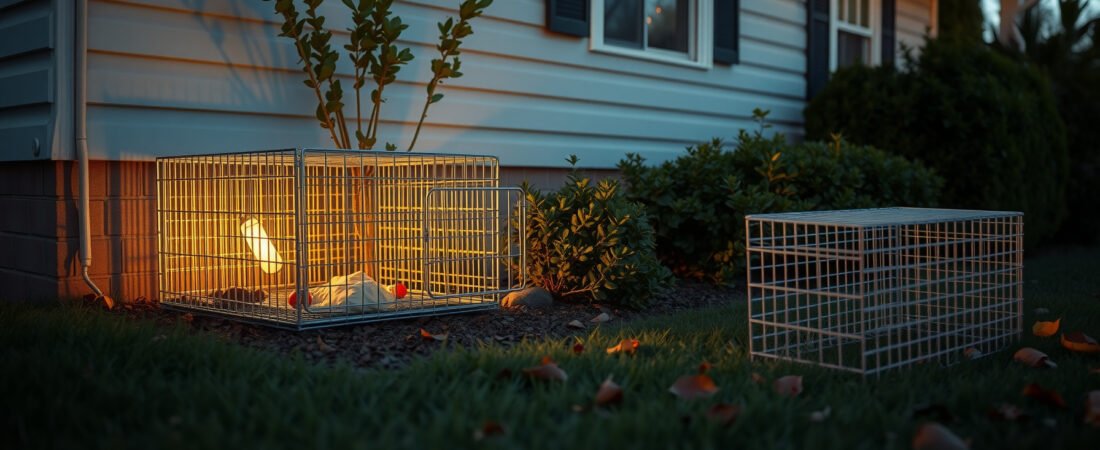
DIY trapping fails most wildlife problems — not because homeowners are incompetent, but because trapping is actually the last step, and most people skip straight to it. The real problem is entry points, and that’s where the professional-versus-DIY debate gets interesting in ways almost nobody talks about.
Here’s the angle that nearly every comparison article misses: whether to hire a professional or go DIY isn’t really a question about trapping skill. It’s a question about whether you can correctly diagnose a structural problem on a building you live in but probably don’t fully understand. A raccoon in your attic isn’t a trapping problem. It’s an exclusion problem with a trapping component. Get that backwards, and you’ll trap one animal, seal up the gap, and leave three more inside your insulation.
Why Most DIY Wildlife Trapping Fails Before the Trap Is Ever Set
The single most common mistake homeowners make is treating wildlife removal like a catch-and-release problem. They rent or buy a live trap, bait it with peanut butter or fruit, catch something, and drive it a few miles down the road. Problem solved, right? Not even close. Wildlife — raccoons, squirrels, opossums, groundhogs — are territorial and often have established entry and exit routes to and from your home that took them weeks or months to develop.
Removing one animal without identifying and sealing those entry points almost guarantees a replacement animal moves in within days. Squirrels, for example, can squeeze through a gap as small as 1.5 inches — about the diameter of a golf ball. A hole that size near a soffit or fascia board is essentially a billboard advertising a dry, warm nesting space. Catch one squirrel, leave the hole open, and the scent trail it left behind actively attracts the next tenant.
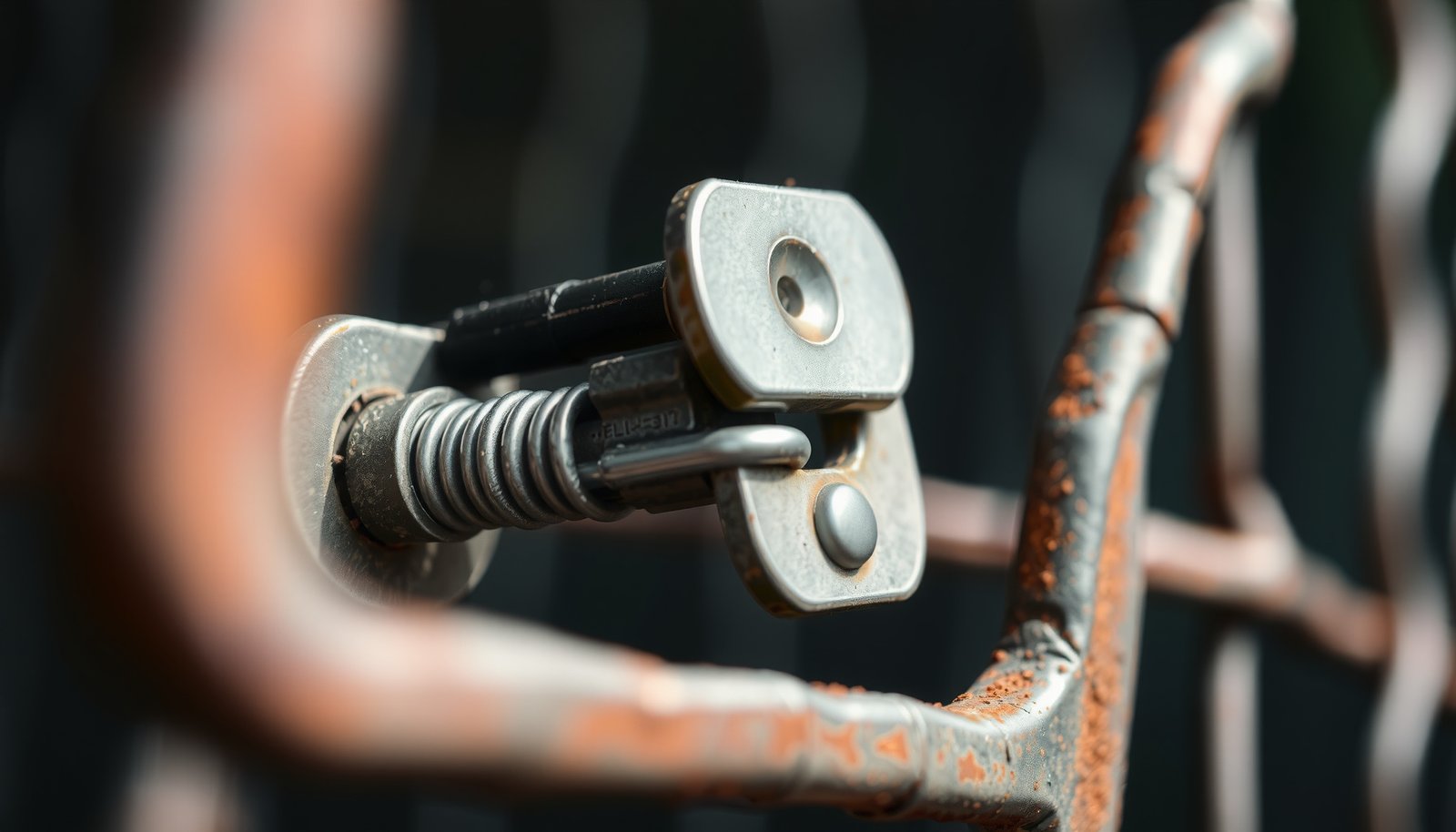
This image shows a typical soffit entry point used by wildlife — a deceptively small gap that’s easy to overlook from ground level but functions as a permanent open door for any animal scouting for nesting sites.
What Professional Wildlife Removal Actually Includes (That You’re Not Paying Just for Trapping)
A lot of homeowners sticker-shock out when they get a wildlife removal quote and see $400–$1,200 for what they assume is just setting a trap. The price isn’t for the trap. It’s for the inspection, the exclusion work, the follow-up visits, and — in many states — the licensed handling and relocation of the animal in compliance with local wildlife regulations. A licensed wildlife control operator (WCO) is trained to identify every potential entry point on a structure, not just the obvious one you found.
Here’s a breakdown of what a standard professional wildlife removal service typically covers, because the line items matter when you’re deciding if it’s worth the cost:
- Full perimeter inspection: A professional walks the entire exterior, checks the roofline, soffits, vents, foundation gaps, and chimney — not just where you heard noise.
- Species identification: Different animals require different trap types, bait, placement, and legal handling. What works for a groundhog won’t work for a flying squirrel.
- Trap placement and monitoring: Traps are checked every 24–48 hours in most states — a legal requirement, not a courtesy. An animal left in a trap longer can die, which creates a whole separate problem.
- Exclusion and sealing: Entry points are sealed using hardware cloth, metal flashing, or foam rated for wildlife — not steel wool (which animals chew through) and not expandable foam alone.
- Cleanup and sanitization: Many professionals offer attic restoration for insulation contaminated with urine, droppings, or nesting material — a health hazard that’s easy to underestimate.
- Warranty period: Reputable companies guarantee their exclusion work for one to three years, meaning if another animal gets in through a sealed area, they return at no cost.
That warranty is actually where the financial argument for hiring a professional gets strongest. DIY exclusion materials from a hardware store will run you $50–$150. But if you miss a gap — which is genuinely easy to do from the ground — you’ll spend that again, plus another rental trap, plus another weekend.
When DIY Wildlife Trapping Is Actually a Reasonable Option
This isn’t an article that’s going to tell you to always call a professional. There are real scenarios where DIY trapping makes sense, saves money, and works. The key variable is animal location and whether the infestation is active inside a structure or just perimeter-level.
A groundhog digging under your deck is a genuinely manageable DIY project. You can buy or rent a wire live trap, bait it with cantaloupe or cucumber, and relocate the animal at least 10–15 miles from your property — or hire a neighbor with land to do it. The exclusion work (L-shaped wire mesh buried along the foundation) is well within a moderately handy homeowner’s skill set. Contrast that with a family of raccoons that have been in your attic for three weeks. At that point, you’ve got potential juveniles (who can’t be relocated with the mother without creating an even bigger problem), likely contaminated insulation, and structural entry points that require working at height. That’s where DIY goes from “reasonable” to “probably going to make this worse.”
Pro-Tip: Before setting any live trap, check your state’s wildlife regulations first. In many US states, it’s illegal to relocate certain species — including raccoons and squirrels — across county lines, or to trap them at all without a nuisance wildlife permit. Getting caught can result in fines that dwarf the cost of hiring a licensed professional from the start.
Professional vs. DIY Wildlife Removal: Honest Cost and Outcome Comparison
The cost comparison isn’t as simple as “DIY is cheaper.” It depends heavily on species, location, and how long the animal has been present. A squirrel caught in week one costs very little to address yourself. The same squirrel discovered after three months has likely chewed through wiring, nested in insulation, and possibly attracted others. At that point the removal cost is the smallest line item — the repair bill is what hurts.
| Scenario | DIY Estimated Cost | Professional Estimated Cost | Risk if Done Wrong |
|---|---|---|---|
| Groundhog under deck (perimeter only) | $30–$80 (trap rental + materials) | $150–$350 | Low — animal returns if relocation distance is too short |
| Squirrel in attic (single entry point) | $75–$200 (trap + hardware cloth) | $300–$700 | Medium — missed entry points, sealed animals inside |
| Raccoon family in attic | $150–$400+ (multiple traps, return trips) | $600–$1,500 | High — juveniles, contamination, structural damage, legal issues |
One thing that trips people up: the DIY cost column above assumes everything goes right on the first attempt. It doesn’t include a second or third trap rental, replacement bait, extra exclusion materials after discovering more gaps, or the cost of an emergency vet visit if a trapped animal bites you during release. Those variables tip the scales toward professional help more often than people expect. It’s a bit like comparing the cost of doing your own electrical work versus hiring an electrician — the materials are cheap; the knowledge of what to do with them is not.
The Scenarios Where Professional Wildlife Removal Is Non-Negotiable
Picture this: you’ve been hearing scratching in the wall every night for two weeks. You assumed it was mice — reasonable assumption — and started placing snap traps. Nothing. Then one morning your dog corners something in the garage and it’s not a mouse. It’s a juvenile opossum, which means an adult has been getting in somewhere you haven’t found. Now you’ve got a live wild animal cornered, a panicked dog, and no idea how it got in. That’s a situation that escalates fast, and it’s a version of a story wildlife control operators hear constantly.
There are specific situations where calling a professional isn’t a preference — it’s the only practical choice:
- Any bat involvement: Bats are federally protected in most states. You cannot trap or kill them during maternity season (typically May through August), and their guano carries Histoplasma capsulatum, a fungal pathogen that becomes airborne when disturbed. Bat removal requires a licensed professional who understands one-way exclusion devices and seasonal restrictions.
- Suspected rabies vector species: Raccoons, foxes, skunks, and bats are primary rabies vectors in the US. Any animal behaving erratically — active during daylight when normally nocturnal, disoriented, or aggressive without provocation — should never be approached or trapped without professional equipment.
- Animals inside living walls or HVAC: An animal that has entered ductwork, wall cavities, or a crawl space under a finished floor can die there if entry points are sealed without confirmed removal first. A decomposing animal inside a wall produces odors that last weeks and can attract secondary pests.
- Nesting females with young: Removing a mother raccoon or squirrel without locating and removing juveniles (who may not be mobile yet) creates a humanitarian and practical problem. Young animals that can’t self-regulate temperature will die quickly, and their cries can actually attract other wildlife to the same location.
“The single biggest mistake I see in DIY wildlife cases isn’t the trapping — it’s the exclusion. Homeowners seal the obvious hole and miss two more they can’t see from ground level. Then they call us six weeks later with a dead animal in the wall and a secondary insect infestation. The inspection and exclusion phase is where professional experience actually pays for itself.”
Marcus Ellroy, Certified Wildlife Control Professional (CWCP), National Wildlife Control Operators Association member, 14 years field experience
The insight that most wildlife removal articles skip entirely is this: the exclusion phase is where the actual expertise lives, not the trapping. Trapping is mechanical — set a box, add bait, check it. Exclusion requires understanding how your home’s exterior functions as a system and identifying weak points that aren’t always visible from the ground. That gap-finding skill is what you’re paying for when you hire a professional, and it’s the skill that’s hardest to replicate with a YouTube tutorial and a Saturday afternoon.
It’s worth noting, too, that “professional wildlife removal” isn’t a monolithic service. Quality varies enormously by company. A good operator will show you every entry point they find, explain their exclusion materials, and provide a written warranty. A less reputable one will charge you for a trap visit, catch one animal, and disappear. Vetting matters — check for NWCOA certification, state licensing, and reviews that specifically mention follow-up service, not just the initial catch.
If you’re dealing with rodents alongside your wildlife problem — which isn’t uncommon, since structural gaps that let in a squirrel will also let in mice — the trapping approach is entirely different. A comparison like the one in our guide to Tomcat vs Victor vs Catchmaster: Best Mouse Trap Comparison can help you choose the right tool for the smaller intruders while the bigger exclusion work gets handled.
And if you find yourself in an active wildlife situation and you’re also dealing with pantry or kitchen pests at the same time — something that happens when an attic infestation leads to secondary pest pressure throughout the home — it’s worth reading up on other perimeter-invaders like our guide on How to Get Rid of Weevils in Flour and Pantry Products, since chaotic entry points tend to bring multiple problems at once.
The bottom line on professional versus DIY wildlife removal comes down to one honest question: are you solving a trapping problem or a structural problem? If the animal is outside, perimeter-level, and you can safely relocate it under your state’s rules, DIY is a reasonable choice. The moment a wild animal is inside your home’s envelope — attic, walls, crawl space, chimney — you’re dealing with a structural diagnosis problem that trapping alone won’t fix. That’s when professional help stops being a luxury and starts being the faster, cheaper path when you account for the second and third attempts that almost always follow an incomplete first job.
Frequently Asked Questions
How much does professional wildlife removal cost compared to DIY trapping?
Professional wildlife removal typically runs $150–$500 for a single animal, while a DIY trap costs $20–$80. That said, if you’re dealing with a family of animals, multiple entry points, or structural damage, the DIY costs can stack up fast — and mistakes often mean paying a pro anyway to fix the problem.
Is it legal to trap and relocate wildlife yourself?
It depends on your state — many states require a permit to trap, relocate, or kill certain wildlife, including raccoons, squirrels, and opossums. Some states, like California and Florida, outright prohibit relocating certain species without a licensed professional. Check your state’s fish and wildlife agency website before setting any traps.
What animals are too dangerous to remove yourself?
You should always call a professional for raccoons, bats, foxes, groundhogs, and any animal that’s acting disoriented or aggressive — those can be signs of rabies. Bats are a special case because even a small scratch or bite requires post-exposure rabies treatment, which can cost over $3,000 without insurance. Don’t risk it.
Will homeowners insurance cover wildlife removal or damage?
Most standard homeowners insurance policies don’t cover wildlife removal costs, but they may cover structural damage caused by animals — like a raccoon tearing through your attic. It’s worth calling your insurer before hiring anyone, since some policies have exclusions for ‘pest damage’ that could apply. A licensed wildlife removal company can usually provide documentation if you need to file a claim.
What happens if you trap a wild animal but don’t seal the entry point?
You’ll almost certainly get another animal moving in — often within days. Trapping without exclusion work is the most common DIY mistake, and it’s why many homeowners end up calling a pro after multiple failed attempts. Professional wildlife removal includes identifying and sealing entry points, which is honestly the most important part of solving the problem long-term.
Disclaimer: This article is for informational purposes only. Pest control costs, timelines, and outcomes vary widely depending on the pest, the severity of the infestation, your location, and the company you hire. Always get multiple quotes and ask for a written inspection report before agreeing to a treatment plan.