
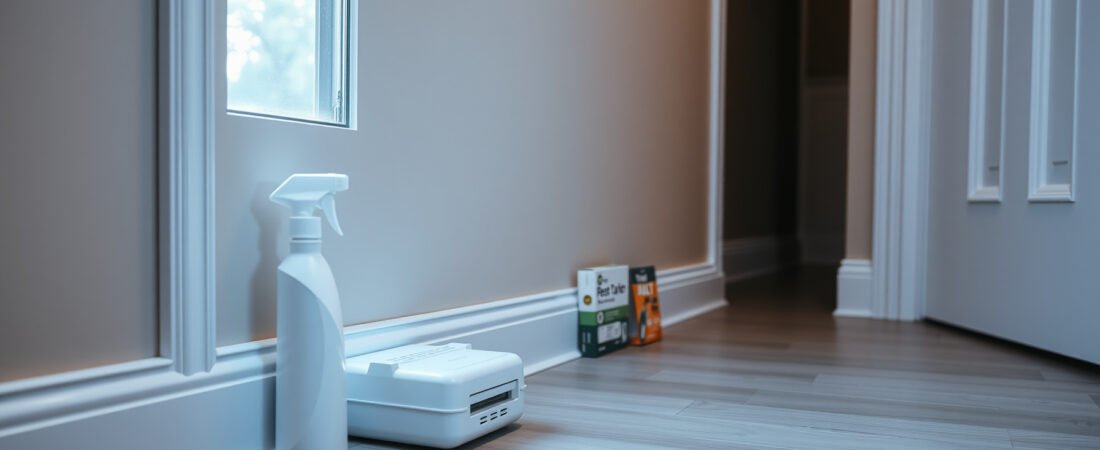
A pest control subscription won’t stop a new infestation — it only manages the one you already have or prevents the next one from taking hold. That distinction matters more than any price comparison between Orkin and Terminix, and it’s the thing most homeowners never think to ask before they sign up. The real question isn’t which service is cheaper. It’s whether a subscription model actually fits your pest situation, your home type, and your local pest pressure — or whether you’d be better off handling it yourself with the right products and a little know-how.
What Does a Pest Control Subscription Actually Cover?
Most subscription pest control plans — whether from Orkin, Terminix, or regional providers — are built around quarterly treatments. A technician comes out every 3 months, applies a residual pesticide around your home’s perimeter and entry points, and notes any new activity. That’s it for most standard plans. What people don’t realize is that “general pest control” almost never includes termites, bed bugs, wildlife, or mosquitoes — those require separate contracts with separate fees, often doubling or tripling what you initially quoted.
The general pest umbrella typically covers ants, roaches, spiders, earwigs, silverfish, and occasional invaders like stink bugs or boxelder bugs. For a home with moderate pest pressure in a temperate climate, quarterly visits are often enough to maintain control. But in Florida, Texas, or the Gulf Coast, where cockroaches breed year-round and termite pressure is relentless, quarterly treatments may genuinely fall short — and you’ll find yourself calling for extra service visits that are technically “free” under contract but still require you to be home for a 4-hour window.
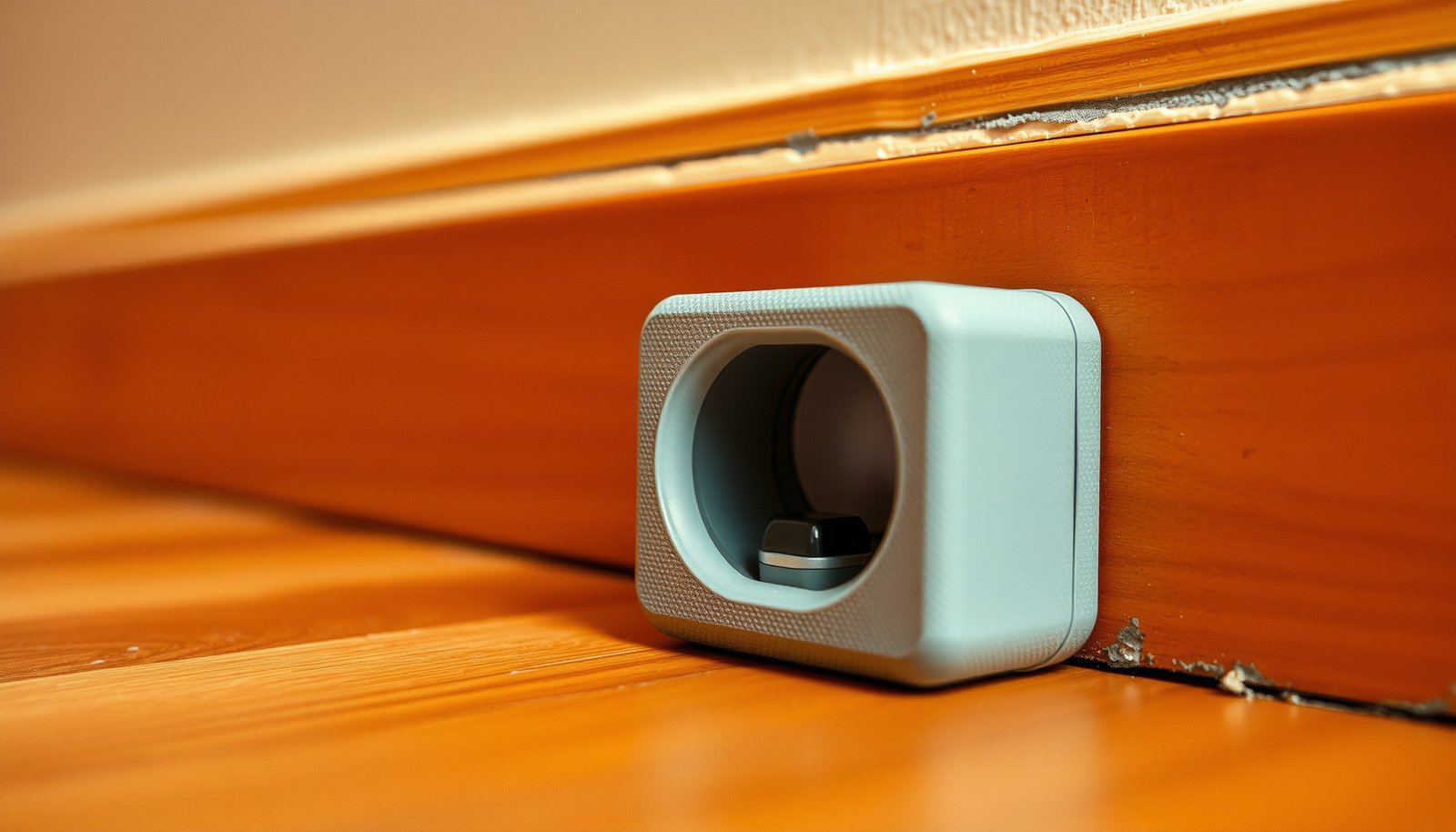
This image shows a technician applying a residual barrier treatment around a home’s foundation — the core service delivered by most subscription plans, and the starting point for understanding what you’re actually paying for.
Orkin vs Terminix: Where They’re Actually Different
Orkin and Terminix are both enormous companies with franchised service models, which means quality varies more by local branch than by brand. The guy who shows up at your door in Phoenix may be excellent; the one covering your zip code in Atlanta may be overwhelmed with 14 stops that day. That’s the honest reality of national franchise pest control, and no amount of corporate branding changes it. That said, the two companies do differ structurally in ways worth understanding before you commit.
| Feature | Orkin | Terminix |
|---|---|---|
| Contract cancellation fee | Varies by plan; typically $150–$200 if cancelled early | No cancellation fee on most residential plans |
| Termite coverage included? | No — separate Orkin Termite plan required | No — separate Terminix Termite plan required |
| Retreatment guarantee | Yes — free retreatment between visits if pests return | Yes — Nix Guarantee covers retreatment at no charge |
| Average annual cost (general pest) | $480–$840 depending on home size and region | $400–$780 depending on home size and region |
Terminix dropped cancellation fees on its standard residential plans after years of consumer complaints — that’s a real, practical advantage if you want flexibility. Orkin’s technician training program is genuinely rigorous (they run their own technical training center in Atlanta), which can mean more consistent service quality in well-run franchise areas. Neither company publishes its pesticide product list upfront, which is frustrating if you have pets, young children, or chemical sensitivities — you have to ask directly and get specifics before the first treatment.
“The biggest mistake I see homeowners make is comparing subscription plans purely on price per visit. What matters is whether the treatment protocol matches your specific pest species and infestation pressure. A German cockroach problem in an apartment requires a completely different approach than the occasional American cockroach coming in from outside — and most general subscription plans treat both exactly the same way.”
Dr. Marcus Fowler, Board-Certified Entomologist and NPMA-Certified Pest Control Consultant
When DIY Pest Control Beats a Subscription — And When It Doesn’t
Picture this: you’ve been paying $65 a month for quarterly service for two years, and you still see the occasional ant trail in the kitchen every spring. A $28 bottle of bifenthrin concentrate, mixed correctly and applied around your foundation and entry points, will do the same thing that technician is doing — because in most cases, that’s exactly what they’re using. The professional-grade products that were once restricted to licensed applicators are increasingly available to homeowners through Amazon, Walmart, and specialty retailers, and the application methods aren’t complicated for perimeter treatments.
DIY works reliably well for: general perimeter pest control, ant baiting, roach gel baiting in apartments, spider web removal and residual spray, and pantry pest management. It works poorly — sometimes dangerously — for termite colony elimination, bed bug eradication, large rodent infestations inside walls, and wildlife removal. A female German cockroach produces 30–40 eggs per capsule and can generate over 300 offspring in her lifetime; if you misidentify the species or use a repellent spray instead of a non-repellent bait, you’ll scatter the colony and make it harder to eliminate. That kind of mistake costs more to fix than the subscription would have. For something like how to get rid of squirrels in the attic without trapping, the DIY approach requires very specific knowledge about entry points and exclusion — it’s not as simple as setting a product and waiting.
Pro-Tip: Before cancelling a professional subscription, do one thing first — ask your current technician exactly what product they’re applying, at what concentration, and at which application points. If they can’t answer that clearly, you’re not getting the value you’re paying for, and you’re better positioned to DIY or switch providers.
The Hidden Cost Nobody Compares: What Subscriptions Don’t Detect
Here’s the counterintuitive thing about quarterly pest control: a technician who visits four times a year for 20–30 minutes each visit is not performing an inspection. They’re applying a treatment. Those are two completely different things, and the distinction has real consequences. A subscription service will spray your perimeter faithfully and still miss the early signs of a subterranean termite tube forming along your crawlspace beam, or the bed bug population building in a guest bedroom that nobody’s been sleeping in. Early detection requires someone actively looking — not someone moving quickly through a routing schedule.
Bed bug detection is a perfect example of how subscription plans fall short. Most general pest subscriptions don’t cover bed bugs at all, and bed bug evidence is subtle enough that it often goes unnoticed for months. Adult bed bugs can survive over 300 days without feeding, which means a small population in a low-use room can persist silently through multiple quarterly visits. If you’re ever uncertain whether what you’re seeing is bug activity or something else, understanding what bed bug stains look like on sheets and mattresses can be the difference between catching a small problem early and facing a full infestation. No subscription plan teaches you that — you have to know it yourself.
How to Decide Which Option Is Right for Your Home
The honest answer is that “best” depends entirely on your situation — your home’s age and construction, your region’s pest pressure, whether you rent or own, and how much time you’re willing to invest. A newly built home in a low-humidity northern climate with no crawlspace and tight construction might genuinely need nothing more than a $30 can of perimeter spray twice a year. A 1970s slab-on-grade home in Houston sitting near a drainage ditch is a different animal entirely. Here’s a practical framework for making the call:
- Audit what you actually see. If you’re encountering pests fewer than 5–6 times per year and they’re common occasional invaders (spiders, earwigs, the odd ant), DIY perimeter spray is almost certainly enough. Seeing pests weekly, especially roaches or rodents, suggests active infestation pressure that benefits from professional identification and targeted treatment.
- Check your home’s termite risk. If you’re in the South, Southwest, or Pacific Coast — regions in Termite Infestation Probability Zones 1 and 2 — a standalone termite protection plan is worth serious consideration regardless of what you decide about general pest control. Termite damage averages $3,000–$8,000 to repair and is almost never covered by homeowners insurance.
- Factor in your time and comfort level. DIY perimeter treatment takes about 45 minutes twice a year. DIY roach baiting in a kitchen takes 20 minutes and a $15 tube of gel bait. If that doesn’t bother you, you’ll likely save $400–$600 annually versus a subscription. If you’d rather not deal with it, a subscription pays for peace of mind — which has real value.
- Read the contract cancellation terms before signing anything. Some Orkin franchise agreements carry early termination fees of $150–$200. Others don’t. The terms vary by location and plan type, so read the specific agreement you’re handed — not the company’s national marketing page.
- Ask about the retreatment guarantee in writing. Both Orkin and Terminix advertise free retreatment between scheduled visits, but the fine print often limits this to the same pest type treated on your last visit. A new ant species or a sudden mouse issue may not qualify without a separate service call fee.
- Consider a hybrid approach. Use professional service for one targeted problem (say, a German roach issue or termite baiting system monitoring) and handle everything else DIY. Many homeowners don’t realize they can hire a professional for a single one-time treatment without committing to an annual subscription.
Regional pest pressure is the variable that most online comparisons completely ignore, and it genuinely changes the math. Homeowners in mild climates with low insect diversity can DIY almost everything successfully. In high-pressure zones, professional treatment frequency and product access can legitimately outperform what a homeowner can replicate on their own — not because the products are different, but because an experienced technician recognizes harborage patterns and pest behavior that a first-timer misses.
- Best for DIY only: Low pest pressure, newer construction, northern climates, renters in single-unit homes, homeowners with entomology or pest control background
- Best for Orkin subscription: Multi-pest pressure, homes with prior history of cockroach or ant issues, households that want consistent documentation of treatments (useful for landlord disputes or home resale)
- Best for Terminix subscription: Homeowners who want flexibility to cancel without penalty, properties with active termite monitoring under a Terminix bond, or households that have already had a Terminix termite baiting system installed
- Best for hybrid approach: Most homeowners, honestly — one professional treatment to reset a problem, then DIY maintenance to keep it under control
- Not suitable for any subscription plan: Active bed bug infestations, wildlife intrusions (bats, squirrels, raccoons), subterranean termite active damage — these require specialized treatment, not a general subscription
One thing the pest control industry doesn’t advertise openly: mice can squeeze through a gap as small as 1/4 inch, and no amount of perimeter spray stops a rodent from using a structural gap to enter. If you have a rodent problem, the subscription fee is irrelevant until you’ve sealed entry points — which almost no general pest subscription plan includes as a standard service. Exclusion work is almost always quoted separately, often at $300–$800 or more depending on the scope. Know that going in.
The pest control subscription that works best for you is the one calibrated to what’s actually happening at your property — not the one with the slickest marketing. Get a quote from both Orkin and Terminix, ask each one specifically what products they’ll apply and at what intervals, then price out the DIY equivalent for the same pests. That comparison will tell you everything the TV commercials won’t. And if you end up going it alone, invest in a good residual concentrate, a quality sprayer, and about an hour of your time twice a year — you’ll likely get results that match or beat what a quarterly subscription delivers.
Frequently Asked Questions
how much do pest control subscription services cost per month?
Most pest control subscription services run between $40 and $80 per month depending on your home size and pest type. Orkin and Terminix both charge more than regional competitors, but they include unlimited callbacks between scheduled visits, which can make the higher price worth it if you’re dealing with a serious infestation.
is Orkin or Terminix better for ongoing pest control?
It honestly depends on what’s bugging you — Terminix tends to get better reviews for termite coverage, while Orkin edges ahead for general pest subscriptions like ants, roaches, and rodents. Both offer quarterly service plans, but Orkin’s technician training is more standardized nationwide, so you’re less likely to get inconsistent service from location to location.
can I cancel a pest control subscription without a fee?
Most major pest control subscription services require a 30-day notice to cancel, and some lock you into a 12-month contract with early termination fees ranging from $100 to $200. Always read the fine print before signing — Terminix and Orkin both have annual contracts by default, though they’ll sometimes waive the cancellation fee if you complain or negotiate.
is DIY pest control as effective as a professional subscription service?
For common pests like ants, spiders, and roaches, DIY treatments from brands like Suspend SC or Temprid FX can be just as effective as a professional plan if you apply them consistently every 60 to 90 days. However, for termites, bed bugs, or a heavy rodent infestation, professional pest control subscription services are worth the cost because those pests need targeted treatments that over-the-counter products just can’t reliably handle.
how often do pest control subscription services treat your home?
Standard plans typically include 4 treatments per year on a quarterly schedule, though some services offer monthly visits for an extra fee. Between scheduled treatments, most subscriptions include free re-service visits if pests come back, which is one of the biggest advantages over buying DIY products one-off.