
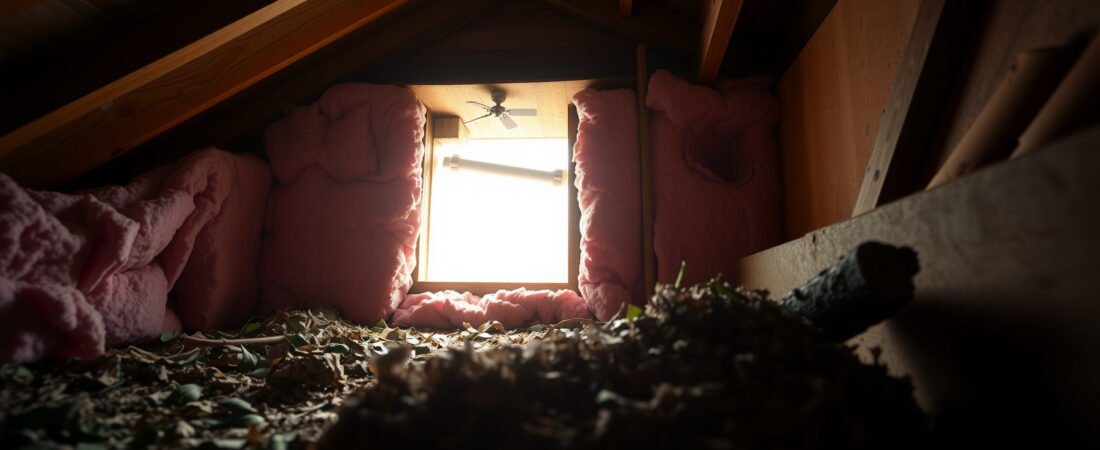
Trapping squirrels is often the wrong first move — and most homeowners who go straight for a cage trap end up making the problem worse. Here’s why: squirrels in attics are almost always part of a larger entry problem, and removing one or two animals without sealing those entry points just means new squirrels move in within days. The trap-first approach treats the symptom while ignoring the disease.
The smarter play — and the one that actually sticks — is to combine exclusion, one-way exits, and deterrence in the right order. No traps required. This method works because it addresses the reason squirrels chose your attic in the first place, not just the animals currently inside it.
Why Squirrels Keep Coming Back Even After You Remove Them
Picture this: a homeowner in North Carolina spends $300 on cage traps, catches three squirrels over two weeks, drives them miles away, and releases them. By the following month, she’s hearing the same scratching sounds above her bedroom at 5:30 in the morning. The squirrels were never the core problem — the three-inch gap under her roofline soffit was.
Squirrels are territorial but opportunistic. A gray squirrel will travel up to 2 miles to establish a nesting territory, and a warm, dry attic with easy access beats any hollow tree. Once your attic has been used as a den — even briefly — it retains scent markers that attract new squirrels for months. Removing the animals without removing the access point is like bailing water from a boat with a hole in it.
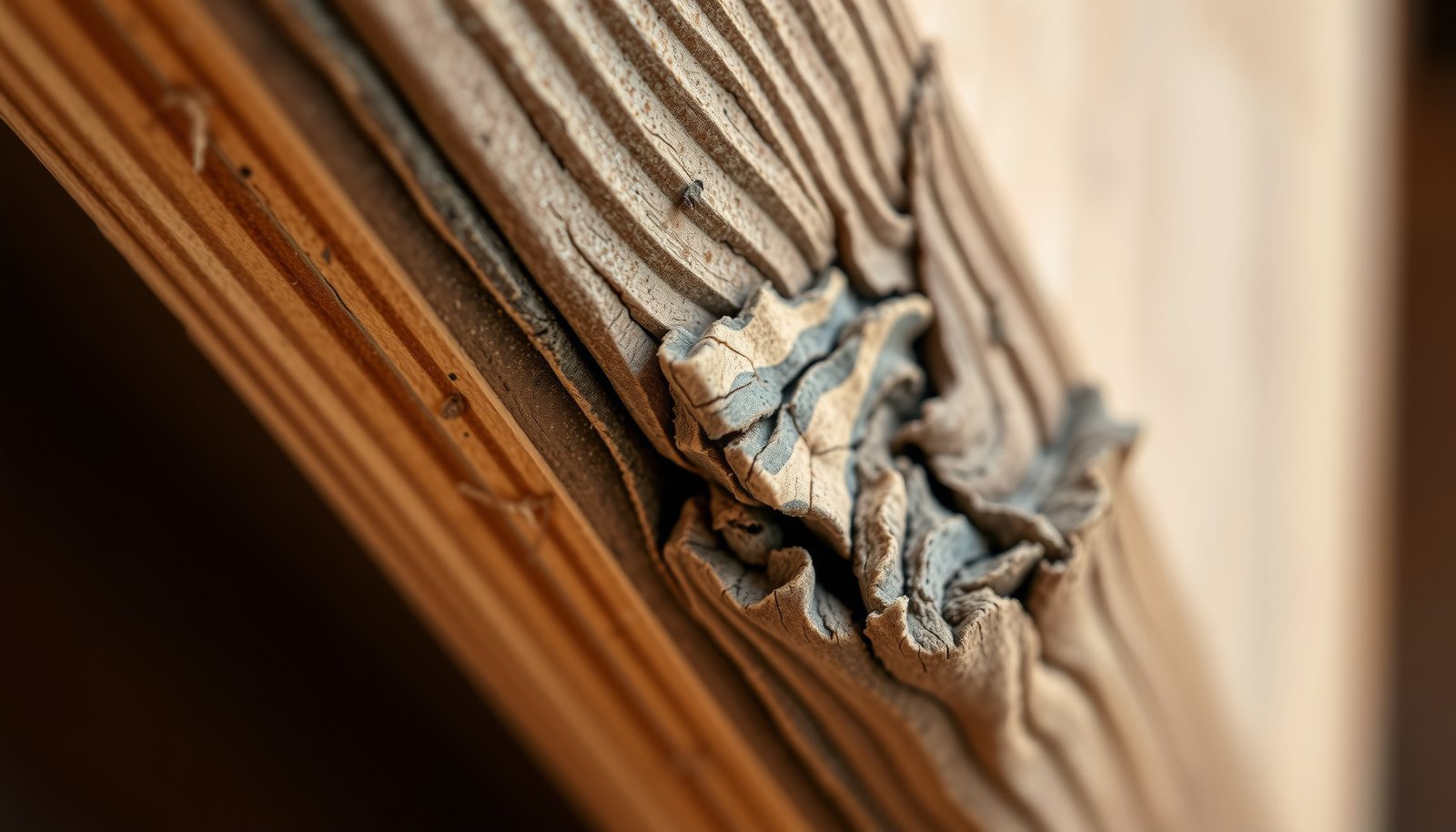
This close-up shows the type of gnawed soffit gap that squirrels exploit to enter an attic — even a gap as small as 1.5 inches is enough for a gray squirrel to squeeze through, which is why identifying every entry point before you begin any exclusion work is non-negotiable.
How to Find Every Entry Point Before You Seal Anything
The most common mistake in DIY squirrel exclusion is sealing only the obvious hole. Squirrels almost always use multiple entry points — a primary entry and one or two backup routes they’ve already chewed or tested. Seal just the main one and the squirrels still inside will panic, chew new openings, and potentially become trapped and die in your walls (which creates an entirely different problem).
Do your inspection at dusk or early morning when squirrels are most active. Walk the full perimeter with binoculars, checking every spot where a roof edge meets siding, where fascia boards have pulled away, and where utility lines enter the structure. Squirrel entry points are identifiable by dark grease staining around the edges (from oils in their fur), fresh chew marks on wood, and insulation debris pushed outward. Mark every single one with tape or chalk before you buy a single piece of hardware cloth.
Pro-Tip: Go into your attic on a bright day and turn off all the lights. Any pinhole of daylight you can see is a potential entry point — squirrels can squeeze through a gap as small as 1.5 inches, and they’ll chew any soft material around a smaller hole to make it work.
The One-Way Door Method: Getting Squirrels Out Without Trapping Them
One-way exclusion devices are the backbone of trap-free squirrel removal, and they work on a beautifully simple principle: the device allows squirrels to exit through a spring-loaded flap or tube but physically prevents re-entry. The squirrel leaves to forage — which squirrels do multiple times per day — and simply can’t get back in.
Here’s the correct sequence for using them effectively:
- Seal every secondary entry point first using 16-gauge hardware cloth or galvanized steel flashing — leave only the primary entry open for the one-way device.
- Install the one-way exclusion device over the main entry hole, flush against the exterior so there’s no gap around the device itself.
- Wait a minimum of 4-7 days before checking — squirrels need time to use the exit naturally; don’t rush this step or you risk trapping juveniles inside.
- Listen for activity each morning for 3-4 days after installation; a sudden drop to silence typically signals the attic is clear.
- Do a final attic inspection with a flashlight before permanently sealing the last hole — look for any squirrels that may still be inside, especially during spring and late summer when juveniles may not yet be mobile.
- Seal the last entry permanently only after confirming the space is empty, using hardware cloth screwed (not stapled) into the framing with at least a 2-inch overlap around all edges.
One honest caveat here: this method has a seasonal timing component that matters. Attempting exclusion between March and April, or July and August — the two main squirrel birthing seasons in most of the US — risks sealing nursing mothers out and leaving blind, helpless pups inside to die. If you hear very rapid, high-pitched chittering (not the typical scratching) or you know activity started within the last few weeks, wait until you’re confident the young are mobile before starting exclusion. A wildlife biologist can help you time this if you’re unsure.
Which Deterrents Actually Work — and Which Are a Waste of Money
Deterrents alone will never solve an active squirrel infestation. But as a second layer after exclusion is complete — or to discourage squirrels from targeting your roof in the first place — some of them genuinely earn their place in a prevention strategy.
| Deterrent Method | Does It Work? | Best Use Case |
|---|---|---|
| Predator urine (fox, coyote) | Marginally, short-term | Around entry point areas after sealing; needs reapplication every 2-3 weeks |
| Capsaicin-based spray | Yes, moderately | Applied to wood surfaces near entry points; irritates but doesn’t harm squirrels |
| Ultrasonic repellers | No reliable evidence | Not recommended — squirrels habituate within days in a closed attic space |
| Ammonia-soaked rags | Temporary only | Can speed up voluntary departure when placed near nest site; fumes dissipate fast |
The counterintuitive truth about squirrel deterrents is that smell-based repellents work better than sound-based ones — the opposite of what most pest control marketing suggests. Squirrels rely heavily on scent to navigate and assess threat levels. A fresh predator scent signal near an entry point raises their perceived risk, while an ultrasonic device in a confined space just becomes background noise within 48-72 hours.
“Exclusion is the only permanent solution for squirrels in structures — full stop. Deterrents can support a completed exclusion by discouraging re-colonization at vulnerable spots, but no spray, sound device, or scent product will convince a squirrel to leave an established nest on its own. The nest represents months of work and safety to that animal. You have to physically close the door.”
Dr. Marcus Hale, Urban Wildlife Ecologist, Certified Wildlife Control Professional (CWCP), Virginia Cooperative Extension
What to Do Inside the Attic After the Squirrels Are Gone
Getting squirrels out is only half the job. What they leave behind — insulation contaminated with urine and feces, chewed wiring, compressed nesting material — creates ongoing problems that don’t resolve on their own. Squirrel urine soaks into blown insulation and produces ammonia vapors that can affect air quality in the living space below, especially in tighter homes. And the scent, as mentioned earlier, actively attracts new squirrels to the same spots.
Here’s what the post-removal cleanup should include:
- Remove and bag all nesting material — squirrel nests are typically baseball-to-football sized masses of leaves, insulation, and chewed debris; handle with gloves and an N95 mask since squirrels can carry leptospirosis and other pathogens.
- Treat contaminated insulation with an enzyme-based cleaner before deciding whether to replace it — if the damage is localized, treatment may be enough; if it’s widespread, replacement is the cleaner long-term option.
- Inspect all visible wiring carefully; squirrels chew insulation off electrical wires, and a single exposed wire near wood framing is a fire hazard — if you see any chewed wires, call an electrician before doing anything else.
- Apply a scent-eliminating enzyme spray (similar to what’s used for pet odors) to wooden framing and rafters in areas where the nest was located — this breaks down the pheromone markers that signal “safe nesting site” to future squirrels.
- Check your attic ventilation screens and replace any that are bent, corroded, or torn — these are among the first things squirrels will test on a second attempt to enter.
One thing worth knowing: squirrel damage to wiring is more common than most homeowners expect, and it’s often invisible until it causes a problem. A study of house fires attributed to rodents (which includes squirrels in the data) found that chewed wiring accounted for roughly 25% of fires where the cause was listed as “unknown electrical.” That’s not a reason to panic, but it is a reason to take the wiring inspection seriously rather than skipping it because the attic looks “fine.”
It’s also worth thinking about what made your attic attractive in the first place. Overhanging tree branches within 8-10 feet of your roofline are the most common highway squirrels use to reach your house — trimming them back is one of the most effective long-term prevention moves you can make. Adding sheet metal banding around the trunks of any climbable trees near the house (at least 6 feet off the ground) further disrupts their access routes. Neither fix is expensive, and both are things you can do in an afternoon.
The squirrel problem in your attic is solvable without a single trap. But it requires doing the steps in the right order — find everything first, seal everything second, exit everything third, clean everything fourth. Skip any one of those and you’ll be back on the roof in six months wondering what went wrong. The good news is that a properly completed exclusion, done correctly once, typically holds for years. That’s a better outcome than any trap will ever give you.
And if you’re dealing with other pest evidence in the house while tackling this — it’s easy to confuse different types of damage or staining — resources like what bed bug stains look like on sheets and mattresses or understanding what rights you have if you bring bed bugs from a previous apartment can help you sort out what you’re actually dealing with before spending money on the wrong solution.
Frequently Asked Questions
what scents will keep squirrels out of the attic?
Squirrels hate strong smells like peppermint oil, cider vinegar, and predator urine — especially fox or coyote urine. Soak cotton balls in peppermint oil and place them near entry points, or spray diluted vinegar along beams and joists every 3 to 5 days. These aren’t permanent fixes, but they can make squirrels uncomfortable enough to leave on their own.
how do I find where squirrels are getting into my attic?
Walk the exterior of your home and look for gaps or holes larger than 1.5 inches, especially around roof vents, soffits, fascia boards, and where utility lines enter the house. Squirrels can chew through wood and weak mesh, so even small damaged areas count. Inside, look for chewed insulation, droppings about half an inch long, and greasy rub marks near entry holes.
will bright lights or loud noise make squirrels leave the attic?
Yes, both can work as deterrents if used consistently. Set up bright LED lights or a strobe light in the attic and leave them on continuously — squirrels prefer dark, quiet spaces to nest. Pairing lights with an ultrasonic pest repeller or a battery-powered radio set to a talk station increases the chances they’ll relocate on their own within a week or two.
how do I seal my attic after squirrels leave without trapping them inside?
Wait until you’re sure all squirrels have left before permanently sealing any entry point — sealing them inside causes them to die or chew new exit holes in a panic. A one-way exclusion door lets squirrels exit but not re-enter, and you can install it over the main entry point for 3 to 7 days before sealing it permanently. Use galvanized steel mesh or metal flashing to close gaps, since squirrels can chew through foam, caulk, and thin plastic.
how long does it take to get squirrels out of the attic without trapping?
Using a combination of deterrents like repellent scents, bright lights, and one-way exclusion doors, most squirrels will leave within 1 to 3 weeks. The timeline depends on whether there’s a nest with babies — if it’s squirrel nesting season, typically February through April and again in August through September, females won’t abandon their young no matter the deterrents. In those cases, you may need to wait until the young are mobile before exclusion methods will work.
Disclaimer: This article is for informational purposes only and isn’t a substitute for professional pest control advice. Always read and follow the product label instructions exactly — label directions are legally binding and vary by brand and active ingredient. Keep all pesticides, baits and traps away from children and pets, ventilate treated areas as directed, and consider calling a licensed pest control professional if an infestation is large, recurring, or involves a structural pest like termites or carpenter ants.