
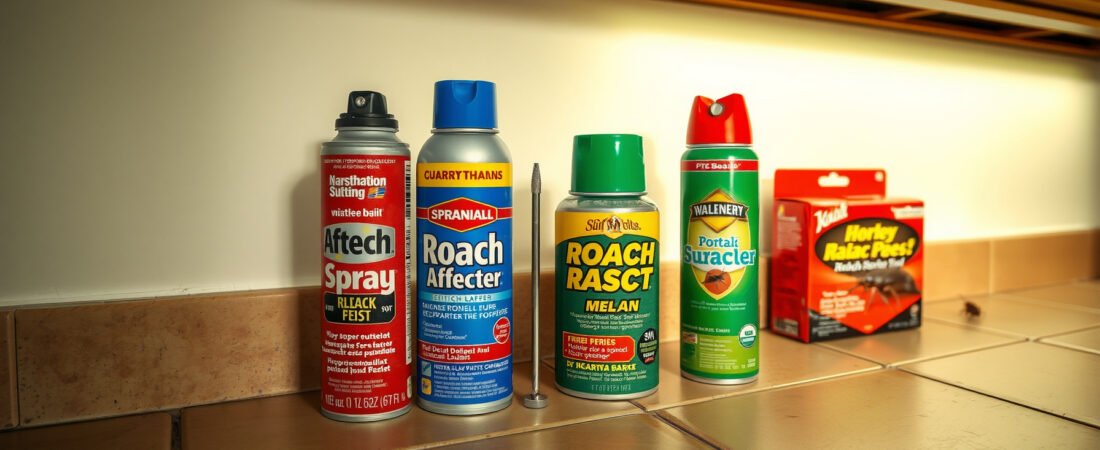
Three roach killers, one kitchen, and a German cockroach infestation that’s been running your home for six weeks — picking the wrong product doesn’t just waste money, it actively makes the problem worse. Here’s the angle most comparison articles skip entirely: Bengal, Hot Shot, and Harris aren’t interchangeable options you rank by price. They work through completely different mechanisms, and using the wrong one for your specific situation can trigger scatter behavior in cockroaches, pushing them deeper into walls and making your infestation harder to eliminate. The product that wins this comparison depends entirely on what stage of infestation you’re dealing with and what species is in your home.
Why Using the Wrong Roach Killer Can Make Your Infestation Worse
Cockroaches are not passive targets. German cockroaches — the ones most likely living in your kitchen cabinets right now — have a stress response to harsh repellent chemicals that causes colony fragmentation. A single egg capsule (ootheca) holds 30-40 eggs, and if a pregnant female scatters from a repellent spray into a new wall void, you’ve just seeded a second infestation. This is the hidden cost that no one puts on the product label.
The three products in this comparison represent three genuinely different approaches: Bengal Gold Roach Spray uses a dry, non-staining pyrethroid formula designed to penetrate deep into cracks without causing scatter; Hot Shot products (gel bait or fogger, depending on which you’re looking at) attack through ingestion; and Harris Boric Acid uses a mechanical-physical kill mechanism that cockroaches cannot develop resistance to. Getting this distinction wrong is the single most common reason DIY roach treatment fails twice before it works once.
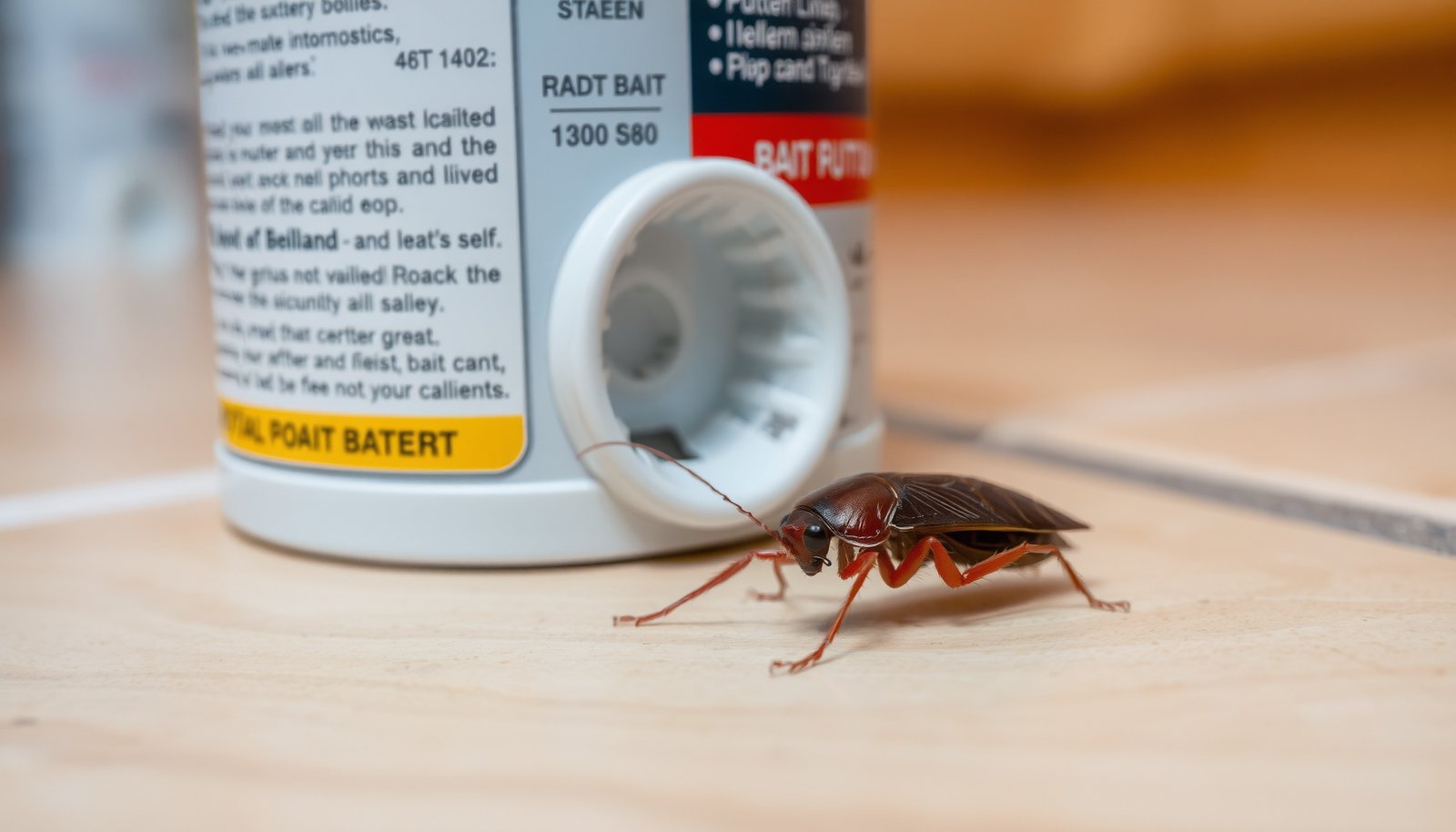
This side-by-side view of Bengal, Hot Shot, and Harris packaging highlights the different delivery formats — aerosol, bait station, and powder — which is the first visual clue that these products are solving different parts of the same problem, not competing to do the same thing.
How Do Bengal, Hot Shot, and Harris Actually Kill Cockroaches?
Bengal Gold Roach Spray uses permethrin and piperonyl butoxide in a dry aerosol base. The “dry” part matters — unlike wet sprays that leave a residue roaches can detect and avoid, Bengal’s formula penetrates into cracks and dries almost instantly, leaving a residual kill zone that keeps working for weeks. Permethrin attacks the cockroach’s nervous system by keeping sodium channels open, causing paralysis and death, typically within 24-48 hours of direct contact. The piperonyl butoxide is a synergist that disables the cockroach’s metabolic enzymes, stopping it from breaking down the permethrin before it can work.
Hot Shot MaxAttrax Roach Bait uses indoxacarb as its active ingredient, which works on a delayed-kill principle — the cockroach eats the bait, goes back to the nest, and dies there, where nestmates and juveniles consume the carcass and pick up a lethal secondary dose. Harris Boric Acid Roach Powder works entirely differently: the fine powder clings to the waxy cuticle on a cockroach’s exoskeleton, abrading it and causing death by dehydration, while any boric acid ingested during grooming disrupts metabolic function. It’s slower — 72 hours to full kill — but cockroaches cannot develop physiological resistance to a physical desiccation mechanism the way they can to pyrethroid chemicals.
Which Product Wins for Each Type of Roach Infestation?
The honest answer is that the “best” product shifts dramatically based on species, infestation size, and where the roaches are hiding. American cockroaches (the large ones coming in from outside) respond differently than German cockroaches that are breeding inside your walls and appliances. Oriental cockroaches living in basement drains present a third scenario. A product recommendation that ignores species is essentially useless advice.
Here’s how the three products stack up against real infestation scenarios:
- German cockroaches in kitchen appliances (active infestation): Hot Shot MaxAttrax gel bait wins here. Place bait stations behind the refrigerator, inside cabinet hinges, and under the stove — these are the harborage zones a German cockroach colony uses. The delayed-kill design allows secondary kill through necrophagy (roaches eating dead nestmates), which can collapse a colony from within.
- American or smokybrown cockroaches entering from outside: Bengal Gold is your best tool. Spray the perimeter of door frames, garage doors, weep holes, and any exterior crack wider than 1/8 inch. The dry residual creates a contact-kill barrier that keeps working for 3-4 weeks without washing away easily.
- Behind walls and under appliances (long-term harborage): Harris Boric Acid powder — applied in a very thin layer — is uniquely effective here because it stays active indefinitely as long as it stays dry. A thick layer actually repels roaches, so the application technique matters.
- Apartment with a neighbor-sourced infestation (ongoing re-entry): Combine Hot Shot bait stations (to kill what’s already inside) with Bengal sprayed into wall voids, electrical outlets, and entry points to slow re-infestation between treatments.
- Cockroach-resistant strains that have survived multiple treatments: Pyrethroid-resistant German cockroach populations are documented in major US cities. If Bengal hasn’t worked after two applications, switch to Hot Shot (indoxacarb) or Harris (boric acid), both of which work on different mechanisms that resistance hasn’t caught up to yet.
Bengal vs Hot Shot vs Harris: Head-to-Head Comparison Table
Comparing these products across the factors that actually matter — kill mechanism, speed, residual life, and safety profile — makes the differences concrete. Most homeowners only compare price per ounce, which tells you almost nothing useful about which product will actually work in their home.
| Product | Active Ingredient | Kill Speed | Residual Duration | Best Use | Pet/Child Safety Note |
|---|---|---|---|---|---|
| Bengal Gold Roach Spray | Permethrin + PBO | 24–48 hours | 3–4 weeks | Perimeter, cracks, wall voids | Keep pets/children out until fully dry (~30 min) |
| Hot Shot MaxAttrax Bait | Indoxacarb | 3–7 days (delayed) | Bait lasts ~3 months | Active indoor colony, kitchen appliances | Low toxicity; enclosed bait station format reduces exposure |
| Harris Boric Acid Powder | Boric Acid (99%) | 72+ hours | Indefinite (if dry) | Wall voids, under appliances, long-term harborage | Low acute toxicity; avoid inhalation during application |
One nuance worth acknowledging: in humid climates like Florida, Louisiana, or coastal Texas, Harris Boric Acid loses effectiveness faster because moisture clumps the powder, making it visible and avoidable to cockroaches. Dry desert climates in the Southwest get dramatically better results from boric acid than humid Gulf Coast homes do — same product, very different outcome based purely on environment.
“The biggest mistake I see with DIY roach treatment is using a repellent spray and a bait station at the same time in the same space. The pyrethroid drives roaches away from the bait, so you get zero secondary kill, and the colony survives in a slightly different corner of your kitchen. If you’re using bait, you cannot also be spraying pyrethroids in the same harborage area — they work against each other.”
Dr. Marcus Henley, Board-Certified Entomologist and Urban Pest Management Specialist, Texas A&M AgriLife Extension
What Nobody Tells You About Mixing These Products (And Why It Backfires)
Picture this: you buy Hot Shot bait stations and Bengal spray on the same Amazon order, thinking more is better. You put out the bait stations Monday night and spray the cabinets Tuesday morning because you saw two roaches near the stove. By Wednesday, the bait stations are untouched, and you conclude the product doesn’t work — but the product isn’t the problem. The pyrethroid from the Bengal spray has chemically signaled “danger” to any cockroach within sensing range of those bait stations, and they’re avoiding both the spray residue and the bait sitting next to it.
This isn’t theoretical. Cockroaches use chemical signals (aggregation pheromones and alarm pheromones) to communicate harborage safety to the rest of the colony. Pyrethroids trigger alarm responses, scattering the colony — which is exactly what you don’t want if your bait depends on cockroaches staying in one place and eating. The correct sequencing is: deploy bait first, wait two weeks, then assess whether a perimeter spray treatment is needed for re-entry points. If you want to use a desiccant powder like Harris in wall voids, that’s compatible with bait stations because it doesn’t have a repellent chemical signal — roaches can walk through boric acid dust without avoiding it until after they’ve been exposed.
Pro-Tip: If you’ve already applied a pyrethroid spray and want to switch to bait, wait at least 7-10 days before placing bait stations, and wipe down the surfaces where you’re placing bait with a damp cloth to remove residual chemical repellent effect. Place bait in the back corners of cabinets and inside the hinge area of cabinet doors — locations roaches use but that you’re unlikely to spray clean by accident.
How to Know If Your Roach Killer Is Actually Working
Seeing dead roaches within 24 hours of treatment is not necessarily a good sign. With bait products, seeing dead roaches immediately usually means they contacted a spray, not the bait — bait is supposed to take 3-7 days to kill and should produce a wave of deaths starting around day 4-5 as secondary kill moves through the colony. If you’re seeing zero activity after 10 days of Hot Shot bait deployment, the bait may be in the wrong location, placed too thick, or contaminated with cleaner residue that’s masking the attractant.
Here’s a useful reality check on whether your treatment is working:
- Bait (Hot Shot): Expect to see a noticeable increase in dead roaches between days 4-8. If bait stations are untouched after 5 days, reposition them closer to confirmed harborage areas (check under the refrigerator motor housing, inside the dishwasher door panel, and behind the stove broiler drawer).
- Spray (Bengal): Dead roaches should appear within 48 hours of direct contact. If you’re not seeing any kills, you’re likely spraying areas roaches aren’t using — follow their actual travel paths along wall edges and under appliances rather than spraying open floor space.
- Boric acid (Harris): Allow 5-10 days minimum. A correctly applied thin layer (barely visible, like fine dust) should show results within a week. A thick visible layer will not be walked through by cockroaches — they’ll route around it.
- All products: If you’re still seeing live adults after 3 weeks of consistent treatment, you likely have a re-entry problem (neighbor or exterior source) rather than a product failure. Assess whether exterior entry points are sealed — a gap around a water pipe the width of a pencil eraser is wide enough for a German cockroach nymph.
- Egg capsule survival: None of these three products reliably kill cockroach oothecae (egg cases). German cockroach oothecae take 28-30 days to hatch, meaning a second wave of nymphs is expected 4-5 weeks after treatment begins even if all adults are killed. An IGR (insect growth regulator) like gentrol added to your treatment protocol prevents these nymphs from reaching reproductive maturity.
It’s worth noting that if you’re dealing with a moisture-related pest problem alongside roaches — which happens more often than people expect in basement and bathroom areas — correctly diagnosing what you’re actually dealing with matters a lot. For example, some homeowners treating what they think is a roach problem in their bathroom discover a separate issue entirely. A resource like this guide on How to Get Rid of Springtails in Bathroom and Basement can help you rule out other moisture-attracted insects before committing to a full roach treatment protocol.
Similarly, if you’re finding droppings and aren’t 100% certain they’re from cockroaches, it pays to identify before you treat. Roach droppings (small, dark, ridged cylinders) are commonly confused with mouse droppings, and the treatment approach is completely different. A quick look at a guide like How to Identify Bat Droppings vs Mouse Droppings can help you think through what’s leaving evidence in your space, even if the specific pest differs — the identification logic is the same.
The counterintuitive truth this comparison keeps circling back to is that Bengal, Hot Shot, and Harris are more useful as a coordinated system than as competing options. A realistic treatment plan for a moderate German cockroach infestation looks like this: Hot Shot bait stations in active harborage areas, Harris boric acid powder in wall voids and behind appliances where you can’t place bait, and Bengal reserved for perimeter entry points only — never applied near bait stations. That three-product approach, deployed correctly, addresses the infestation at every stage of the cockroach lifecycle and every location they’re using. The homeowner who grabs the cheapest spray and calls it a treatment plan is the one back at the hardware store three weeks later wondering why nothing worked.
Frequently Asked Questions
which roach killer works fastest Bengal Hot Shot or Harris?
Hot Shot tends to work the fastest for immediate knockdown, often killing roaches on contact within minutes. Bengal and Harris are better suited for longer-term control — they’re slower acting but spread through the colony more effectively, which matters more if you have a serious infestation.
is Bengal roach spray safe to use indoors around pets and kids?
Bengal uses a dry spray formula with permethrin, so once it dries — usually within 30 minutes — it’s considered safe for pets and kids to re-enter the treated area. That said, you should always keep animals and children out of the room during application and ventilate well before letting anyone back in.
does Harris roach killer work on German roaches?
Yes, Harris makes products specifically targeting German roaches, including boric acid tablets and gel baits that work well in kitchens and bathrooms. German roaches are notoriously hard to kill, so Harris works best when you combine the boric acid powder with a bait to hit multiple stages of the infestation.
how long does Hot Shot roach killer residual last?
Hot Shot’s residual effectiveness typically lasts up to 6 months under normal indoor conditions, though heavy cleaning or moisture can shorten that. For heavy infestations, most pest control pros recommend reapplying every 3 months to stay ahead of new hatch cycles.
what’s the difference between roach bait and roach spray for killing a big infestation?
Sprays like Hot Shot and Bengal kill roaches on contact but don’t spread through the colony — once the residue dries, it acts as a barrier but won’t eliminate the nest. Baits, like Harris gel bait, work slower but roaches carry the poison back to the nest, which is why they’re generally more effective for wiping out a large or hidden infestation.