
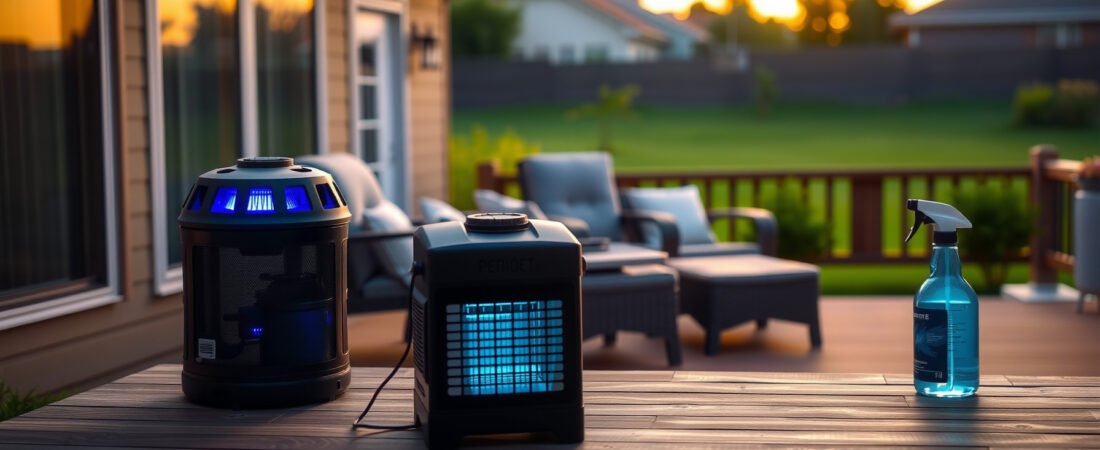
Propane traps, electric zappers, and yard sprays all kill mosquitoes — but none of them will fix your backyard problem if you’re targeting adult mosquitoes and ignoring the 1,000+ eggs a single female can lay in standing water the size of a bottle cap. That’s the trap most homeowners fall into: they buy the most powerful device they can find, set it up, and still get eaten alive at dusk. The real issue isn’t which technology wins — it’s understanding what each method actually does, where it fails, and how to layer them so you’re not fighting mosquitoes on their terms.
Why Most Mosquito Killers Fail Before You Even Turn Them On
Here’s the thing nobody puts on the product box: adult mosquitoes make up less than 20% of the total mosquito population in your yard at any given time. The rest are eggs, larvae, and pupae sitting in water — completely unaffected by propane traps, electric grids, or any spray that only targets flying adults. You can run a $400 propane attractant trap 24 hours a day and still have a miserable July because you haven’t touched the next generation hatching in your gutters.
This is why a single-method approach almost always disappoints. Mosquito control that actually works treats multiple life stages simultaneously, and the best backyard setup uses at least two different modes of action. Think of it less like choosing the “best” product and more like building a system — one that cuts off reproduction while also reducing the adults you’re currently dealing with.
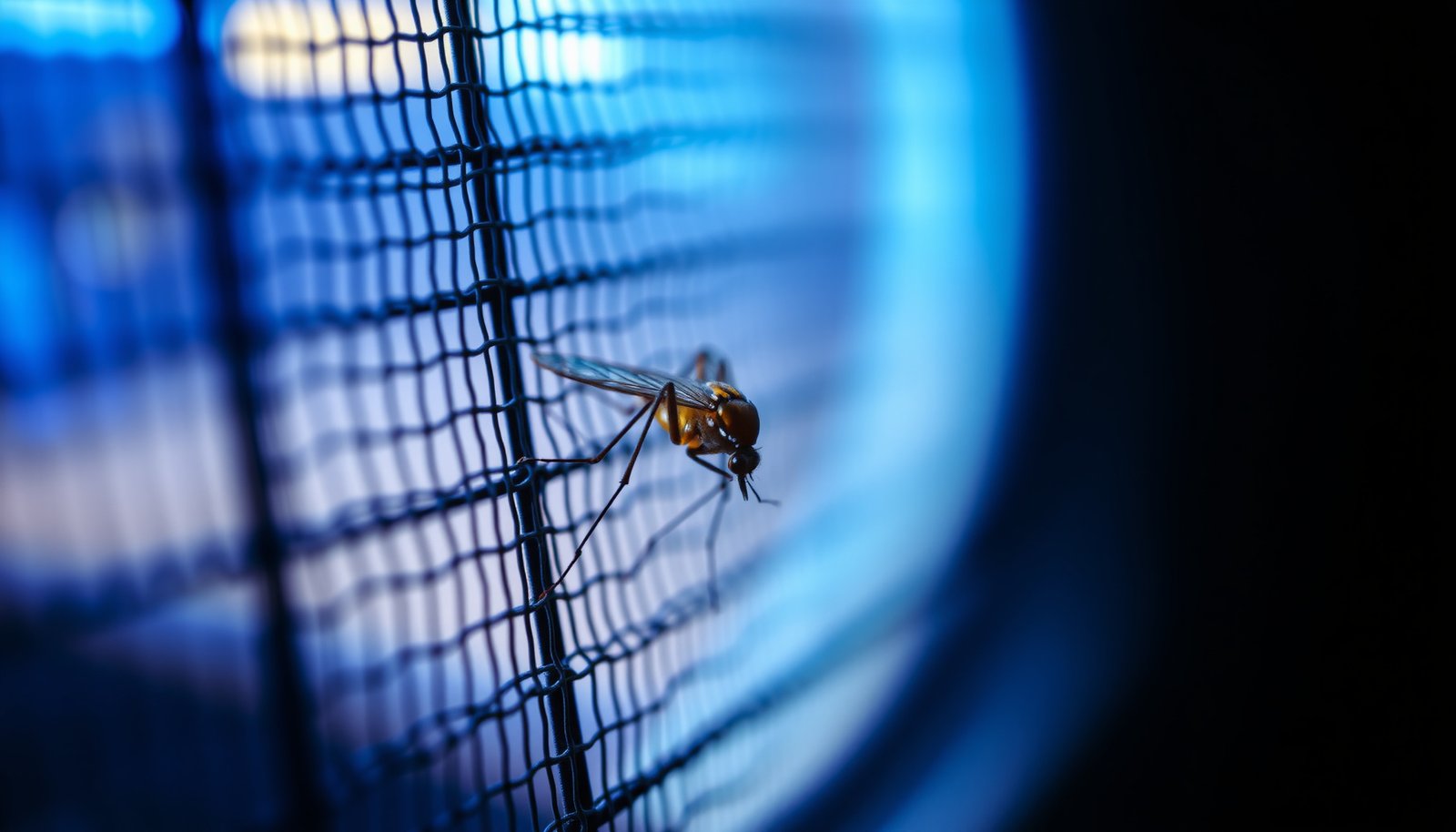
This side-by-side view of a propane trap, electric grid zapper, and a yard spray applicator illustrates the core difference in how each method intercepts mosquitoes — and why their effective zones don’t actually overlap the way most homeowners assume.
Propane Mosquito Traps: What They Actually Attract (and What They Don’t)
Propane traps like the Mosquito Magnet and Dynatrap work by burning propane to produce CO2, heat, and sometimes secondary lures like octenol or lurex — mimicking the chemical signature of a mammal breathing. Female mosquitoes (the biters) detect CO2 from up to 100 feet away and fly toward what they think is a meal. The trap then uses a fan to vacuum them into a net where they dehydrate and die within 24 hours. It’s genuinely clever technology, and in controlled studies it does reduce local mosquito populations over 4–6 weeks of continuous use.
The catch is placement and patience. Propane traps need to run continuously — turning them off at night or when you’re not outside defeats the purpose entirely. They also need to be positioned upwind of where mosquitoes breed, not where you sit. Put one right next to your patio furniture and you’re essentially ringing a dinner bell in your own direction. Budget for roughly a 20-lb propane tank every 3 weeks during peak season, which adds up fast.
“Propane traps can meaningfully reduce biting pressure in a contained yard, but homeowners consistently underestimate how long they need to run before seeing results. You’re not killing adults that already exist — you’re intercepting the females before they bite and reproduce. That population reduction takes 3 to 6 weeks of uninterrupted operation to become noticeable.”
Dr. Greta Holloway, Board-Certified Entomologist and Urban Pest Management Specialist, University Extension Program
Electric Zappers and Bug Grids: Good at Killing the Wrong Insects
Electric zappers are satisfying — that crack and sizzle feels productive. The problem is that mosquitoes are not strongly attracted to UV light. A study from the American Mosquito Control Association found that in samples of insects killed by backyard electric zappers, mosquitoes accounted for fewer than 1% of the total body count. What zappers excel at killing are moths, beetles, and other insects that are actually beneficial to your garden ecosystem. You’re running a bug execution machine that mostly targets the wrong species.
That said, modern electric trap designs that combine UV light with CO2 or heat (like the Flowtron with octenol cartridges) perform meaningfully better than UV-only units. If you’re committed to electric, get a combination unit and treat it as a supplementary tool, not your primary defense. Pure UV zappers hung near a patio are doing more to clear out beneficial moths than they are to protect your ankles.
Pro-Tip: If you already own a basic UV zapper and don’t want to replace it, add an octenol lure cartridge designed for mosquito attractant — many standard zappers have a cartridge slot you’ve probably never used. It won’t transform the unit, but it does measurably increase the proportion of mosquitoes drawn in versus other insects.
Yard Sprays and Barrier Treatments: Fastest Relief, Shortest Memory
Yard sprays — whether you hire a company or DIY with a hose-end sprayer — are the fastest way to knock down the adult mosquitoes currently living in your yard. Products based on bifenthrin, permethrin, or lambda-cyhalothrin coat foliage where mosquitoes rest during the hottest parts of the day. Contact with treated leaves kills them within minutes. Picture this: a family hosting a backyard graduation party on a Saturday calls a mosquito barrier spray service on Thursday, and the Saturday evening is genuinely bite-free. That’s the legitimate use case for barrier spray — event prep, fast population reduction.
The honest limitation is duration. Most synthetic pyrethroid barrier sprays last 21–30 days under normal conditions, less if you get heavy rain within 48 hours of application. They also don’t discriminate — they’ll kill fireflies, beneficial ground beetles, and pollinators resting on treated plants. Natural alternatives like cedar oil-based sprays and garlic concentrate (products in the Wondercide family) break down faster (7–14 days) but are significantly less harmful to beneficial insects. Which one is right for your yard depends on how much you care about pollinators and how often you’re willing to reapply.
| Method | Speed of Results | Duration | Targets Larvae? | Best Use Case |
|---|---|---|---|---|
| Propane Trap | 3–6 weeks (cumulative) | Ongoing (with propane) | No | Season-long population reduction |
| Electric Zapper (UV only) | Immediate (wrong insects) | Continuous | No | Limited — not recommended alone |
| Barrier Spray (synthetic) | Within hours | 21–30 days | No | Event prep, fast knockdown |
| Natural Spray (cedar/garlic) | Within hours | 7–14 days | No | Pollinator-safe knockdown |
The Layer That Actually Changes Everything: Targeting Larvae Before They Hatch
Every method above targets adult mosquitoes. None of them address what’s producing those adults — and this is the single biggest gap in most backyard mosquito control plans. Mosquito larvae only need about 7–10 days of standing water to complete their development cycle from egg to flying adult. That means your gutters, a birdbath you forgot to empty, a tarp with a dip in it, or a kid’s toy left in the yard after rain are each producing waves of new mosquitoes every week and a half throughout the warm season.
Bacillus thuringiensis israelensis (Bti) is a naturally occurring bacterium that kills mosquito larvae in water without harming birds, fish, pets, or beneficial insects. It comes in dunk form (Mosquito Dunks) or granules (Mosquito Bits) and you drop or sprinkle it into any standing water you can’t drain. One dunk treats 100 square feet of standing water for up to 30 days. Combining Bti treatment of all water sources with a barrier spray for immediate adult knockdown and a propane trap for ongoing population suppression is the three-layer approach that actually delivers a functional backyard through summer. No single device or spray gets you there alone.
Here’s exactly how to build that layered system, starting from the most impactful step to the least:
- Eliminate or treat all standing water first — dump anything you can drain weekly (buckets, plant saucers, kiddie pools), and drop Mosquito Dunks in anything you can’t (rain barrels, ornamental ponds, low spots in your yard).
- Apply a barrier spray to resting sites — focus on the undersides of shrubs, tall grass edges, shaded fence lines, and areas that stay damp. This is where adult mosquitoes spend 90% of their time waiting for dusk.
- Position a propane trap upwind of breeding areas — not near your seating, but between the mosquito source and your outdoor living space, so you’re intercepting them before they reach you.
- Reapply barrier spray every 3–4 weeks — or within 48 hours after any significant rainfall that would wash residue off foliage.
- Replace Bti dunks monthly — check all water sources after every rain event since new ones appear in places you didn’t notice before (a low spot in the lawn, clogged gutters, an overturned trash can lid).
One thing worth knowing: your yard’s mosquito pressure is also heavily influenced by neighbors’ properties and any green space, drainage ditch, or wooded area adjacent to you. Renters Insurance and Pest Damage: What’s Covered and What Isn’t covers why pest-related damage and treatments are rarely covered by standard policies — which is relevant if you’re renting and wondering whether your landlord or your insurer should be handling outdoor pest control. If your property backs up to a pond or retention area that you don’t control, you’ll need to compensate with stronger on-property suppression since you can’t treat the source.
Which Mosquito Killers Are Actually Worth the Money?
Spending $300–$500 on a propane trap makes sense if you have a medium-to-large yard (over 5,000 sq ft), you’re home consistently through mosquito season, and you’re willing to run it continuously. It does not make sense for renters, people with small patios, or anyone who only needs protection for occasional outdoor events. For smaller spaces, a $25 bag of Mosquito Dunks plus a $15 bottle of bifenthrin concentrate mixed with a $10 hose-end sprayer gets you further than any electronic device at a fraction of the cost.
The products that consistently deliver real-world results in the categories that actually matter break down like this:
- Best larval control: Mosquito Dunks (Bti) — safe for ponds, bird baths, rain barrels; each dunk lasts 30 days and covers 100 sq ft of water surface
- Best fast-knockdown spray (synthetic): Bifen I/T or Permethrin SFR concentrate — professional-grade actives available to homeowners, cover up to 32,000 sq ft per gallon of concentrate
- Best natural spray: Wondercide Outdoor Pest Control (cedar oil base) — genuinely effective for 7–14 days, safe around pets and pollinators when dry, available in gallon concentrate
- Best propane trap: Mosquito Magnet Independence — runs on 20-lb propane tank, covers up to 1 acre, performs best with octenol attractant cartridge added
- Best combo electric unit: Dynatrap DT2000XL — uses UV plus heat plus CO2 attractant rather than UV alone; performs significantly better than standard zappers for actual mosquito capture
- Best for small patios: Thermacell Radius or E55 Rechargeable — creates a 20-ft zone of repellency using allethrin-heated mats; not a killer but extremely effective at keeping mosquitoes away from your immediate seating area
Just as mosquito control in your yard requires thinking about environments you might overlook, pest prevention in enclosed spaces demands the same attention to hidden harborage — similar to how bed bug elimination in a vehicle requires treating not just visible surfaces but the seams, crevices, and upholstery where eggs are actually hiding. In both cases, targeting only what you can see means you’re missing most of the problem.
One honest nuance: if you live in the Gulf Coast, Florida, or along the Mississippi River basin, your baseline mosquito pressure is categorically higher than someone in the arid Southwest or higher elevation areas. Homeowners in those high-pressure regions often need professional monthly barrier spray services in addition to DIY larval control — because the mosquito source (neighboring wetlands, drainage infrastructure) overwhelms what any one product can manage alone. Knowing your regional context matters more than any product comparison chart.
The real shift in thinking is this: stop shopping for the one product that handles everything and start building a system that attacks mosquitoes at two or three points in their lifecycle. The best backyard setup you can build isn’t the most expensive one — it’s the one that disrupts breeding, reduces resting adults, and intercepts incoming females before they reach you. Get those three things working together and your backyard becomes functional again, not just tolerable.
Frequently Asked Questions
what is the best mosquito killer for backyard use?
The best mosquito killer for your backyard depends on yard size and how often you entertain. Propane traps like the Mosquito Magnet work well for large yards over 1 acre, electric zappers cover smaller spaces up to a half acre, and spray treatments give you the fastest knockdown before a party. Most homeowners get the best results combining a residual spray with a propane or electric trap for ongoing control.
how far does a propane mosquito trap cover?
Most propane mosquito traps are rated to cover between 1 and 1.5 acres, though real-world performance is often closer to half that in heavily wooded or humid areas. Placement matters a lot — put the trap upwind of your gathering area and away from competing light sources for the best catch rates.
are mosquito zappers actually effective or a waste of money?
Electric zappers do kill insects, but studies show they kill far more non-target bugs like moths and beetles than actual mosquitoes. If mosquito control is your main goal, a propane trap or perimeter spray will outperform a zapper significantly. Zappers work better as a supplement than a standalone solution.
how long does mosquito yard spray last after treatment?
Most professional-style bifenthrin or permethrin yard sprays last 3 to 4 weeks under normal conditions, though rain or heavy irrigation can cut that down to 1 to 2 weeks. Natural sprays using essential oils like cedarwood or peppermint wear off much faster, often within 3 to 7 days. You’ll need to reapply throughout the season for consistent protection.
is it safe to use mosquito killers in the backyard around kids and pets?
It depends on the product type and how long you wait after application. Most synthetic sprays like permethrin are considered safe for kids and pets once they’ve fully dried, which typically takes 30 to 60 minutes. Propane and electric traps pose no chemical exposure risk at all, making them the safer passive option if you have young children or animals spending a lot of time in the yard.