
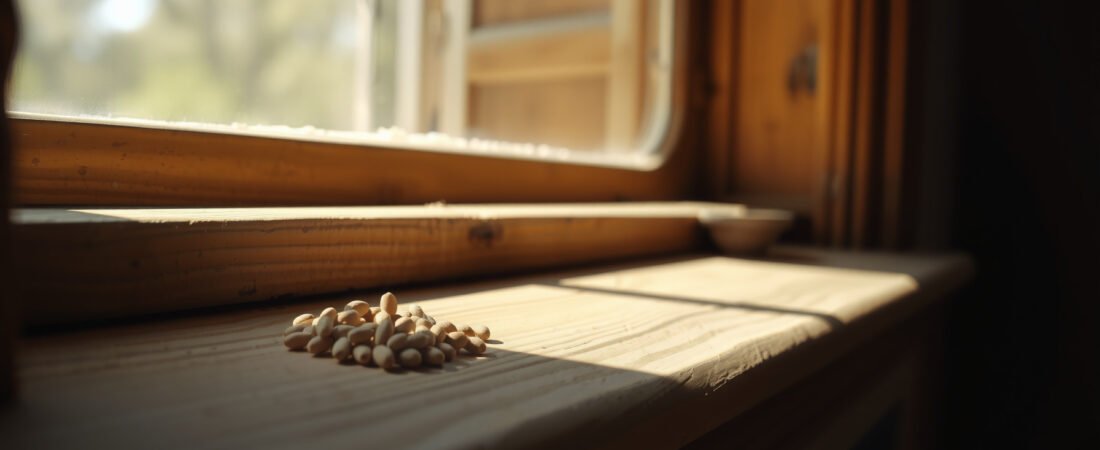
Termite droppings don’t actually tell you what most people think they tell you — and that misread leads homeowners to either panic over something harmless or shrug off something serious. The pellets you’re staring at right now might not even be from termites. Here’s how to know for certain, what they reveal about the infestation behind your walls, and why the location of those droppings matters far more than their shape.
What Do Termite Droppings Actually Look Like Up Close?
Drywood termite frass — the technical term for termite droppings — looks like tiny oval pellets, roughly 1 millimeter long, with six concave sides and rounded ends. The color varies widely: cream, tan, brown, reddish-brown, or nearly black, depending on what wood the colony has been consuming. That color range is exactly what trips people up, because there’s no single “termite brown” to match against.
The pellets are uniform and hard, almost like grains of sand or coffee grounds pushed through a mold. If you roll one between your fingers, it won’t crumble into dust the way wood shavings or dirt would. That texture is a real diagnostic clue — frass holds its shape because termites actively push it out of kick-out holes in the wood rather than letting it accumulate inside their tunnels.
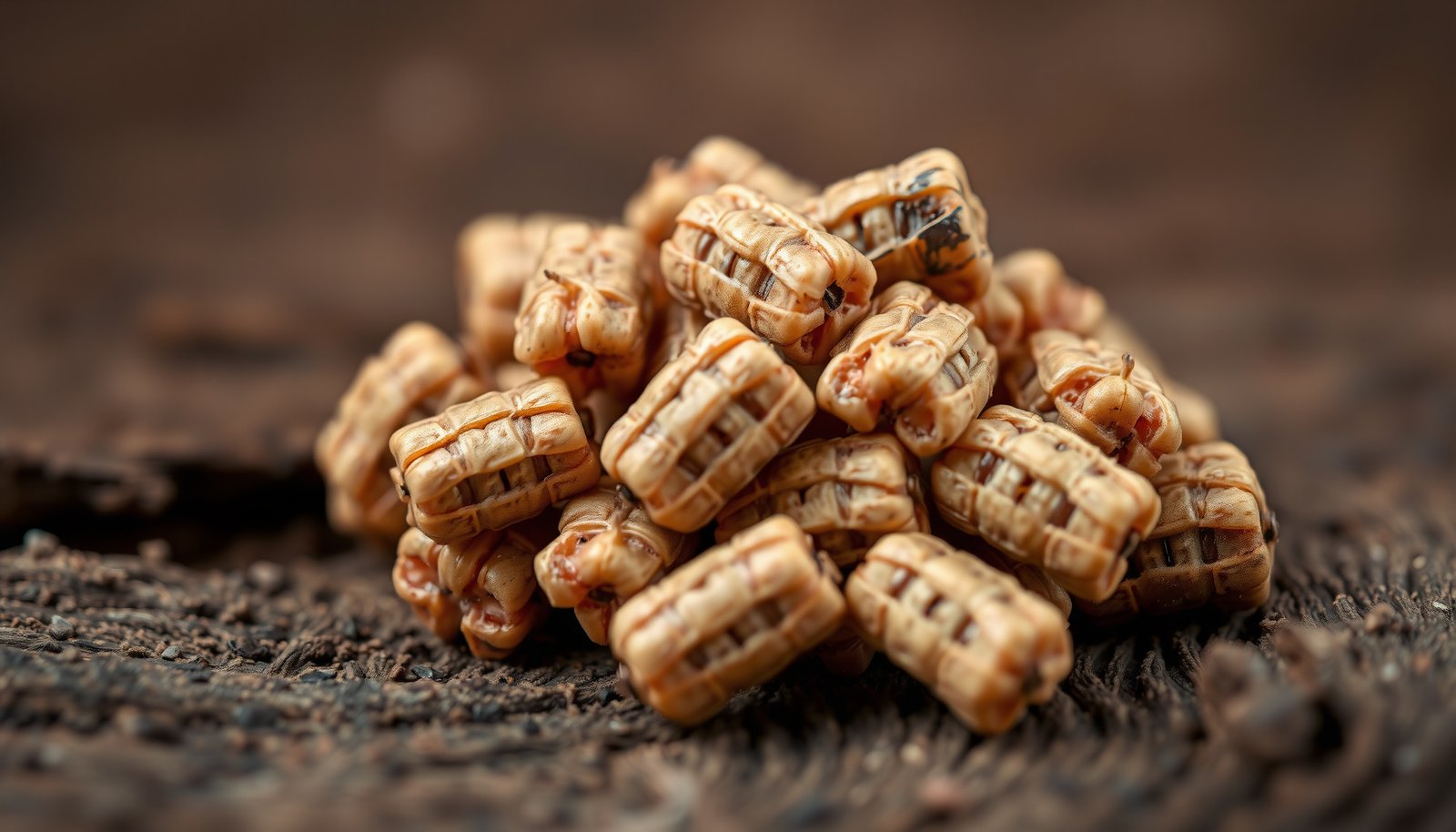
This close-up shows the distinctive six-sided, pellet shape of drywood termite frass alongside a millimeter scale — details that are nearly impossible to confirm with a quick glance from standing height, which is why so many homeowners misidentify what they’re seeing.
Termite Frass vs. Other Look-Alikes: How Do You Tell the Difference?
Here’s the part most guides skip: drywood termite frass is routinely confused with at least four other things that show up in homes, and the confusion causes real problems. Sawdust from a carpenter bee or carpenter ant looks similar but is more fibrous and irregular — it won’t have the consistent oval shape. Mouse droppings are larger (4–7 mm), tapered at the ends, and soft when fresh. Frass is always hard and dry.
The trickiest imposter is wood-boring beetle frass, which can also be fine and pellet-like. Beetle frass tends to be powdery and flour-like rather than distinctly oval, and it often has a slightly gritty, sandy quality that differs from the uniform geometry of termite pellets. If you’re genuinely unsure, a cheap 60x jeweler’s loupe from any hardware store will let you see the six-sided shape clearly enough to make a confident call.
| Material | Size | Shape | Texture |
|---|---|---|---|
| Drywood termite frass | ~1 mm | Oval, 6 concave sides | Hard, gritty, holds shape |
| Carpenter ant frass | Variable | Irregular, fibrous | Coarse, mixed with insect parts |
| Wood-boring beetle frass | Very fine | Powder or small granules | Dusty, flour-like |
| Mouse droppings | 4–7 mm | Tapered ovals | Soft when fresh, hard when old |
Does Finding Frass Mean You Have an Active Infestation Right Now?
This is the counterintuitive part: a pile of frass is not automatically proof of an active infestation — and an absence of frass doesn’t mean you’re in the clear. Frass can sit undisturbed for months or years after a colony has died or been treated. Meanwhile, subterranean termites — the species responsible for roughly 80% of termite damage in the U.S. — produce almost no visible frass at all because they use their excrement as a building material inside mud tubes.
To check for activity, mark the edges of a frass pile with a pencil on a piece of paper laid underneath it, then check back in 48–72 hours. Fresh pellets appearing outside the original boundary are a strong indicator that the colony is still feeding. A pile that stays exactly where it was suggests you might be dealing with a historical infestation — still worth investigating, but not an emergency requiring same-week treatment.
Pro-Tip: Lightly vacuum the frass pile rather than sweeping it — sweeping scatters the pellets and makes it impossible to track whether new material is being deposited. After vacuuming, mark the spot with a small piece of blue painter’s tape and check it daily for a week before drawing conclusions about activity level.
Where You Find Frass Tells You More Than What It Looks Like
Picture this: you find a small cone-shaped mound of pale pellets on your windowsill, directly below a wooden window frame. That specific setup — frass pile directly beneath an exit hole in structural wood — is one of the clearest signs of drywood termites you can get, and it’s more diagnostic than any color or size comparison. Location context is the piece that most online guides bury in a footnote, if they mention it at all.
Frass found in the following locations carries very different implications, and treating them identically is a mistake:
- Below a window frame or door jamb: High probability of active drywood termites in the surrounding structural wood — inspect the wood surface closely for exit holes about the diameter of a pencil tip.
- On a basement floor or crawl space: Could indicate subterranean termites, but visible frass piles here are unusual — more likely carpenter ants or beetles; look for mud tubes on the foundation wall instead.
- On attic insulation or attic floor: Drywood termites frequently colonize roof framing, and attic infestations often go undetected for years because nobody goes up there regularly.
- On furniture or hardwood floors away from walls: Could be frass falling from ceiling joists above, or it may have been tracked in — this location requires looking upward, not just at what’s beneath your feet.
- In kitchen or bathroom cabinets: Moisture-exposed wood in these areas can attract drywood colonies; check the cabinet frame where it meets the wall, not just the interior panels.
What Should You Actually Do After Confirming Termite Frass?
Confirming frass is step one — not the finish line. Before you call anyone or buy anything, document everything with your phone camera, including the pile, the nearest wood surface, and any exit holes you can find. Zoom in on the exit holes: drywood termite kick-out holes are clean, round, and roughly 1–2 mm in diameter, often sealed with a thin disc of hardened frass between deposits. That detail alone helps a pest control inspector understand the infestation’s timeline.
Your next decision depends heavily on how many locations you’ve found frass and how accessible the infested wood is. A single localized spot in a non-structural piece of trim is a very different situation from multiple frass piles near load-bearing framing. Is DIY Termite Treatment Safe and Effective? An Honest Assessment walks through that decision honestly — including the scenarios where DIY actually holds up and where it falls short. Skipping that research before buying a product often means treating the wrong species with the wrong chemistry.
- Photograph and document every frass location — include something for scale (a coin or ruler) and note which direction the pile is from the nearest wall or wood surface.
- Mark each pile and check for 72 hours — establish whether the infestation is active before spending money on treatment.
- Probe the surrounding wood lightly with a screwdriver — healthy wood resists pressure; termite-damaged wood sounds hollow when tapped and may crumble or give way at the surface.
- Identify the termite species if possible — drywood vs. subterranean termites require completely different treatments; frass piles generally indicate drywood, but confirm before treating.
- Get at least two professional inspections — termite inspections are often free, and a second opinion on the scope and species is worth the hour it takes.
- Check your lease or homeowner’s policy — termite damage coverage and treatment responsibility varies significantly; if you’re renting, this resource on real options when exterminator costs feel out of reach covers your options clearly.
“One thing I see constantly is homeowners focusing on the color of the frass to determine species or severity, and that’s almost useless diagnostic information on its own. Frass color reflects the wood being consumed, not the termite species or the age of the colony. What I want to know is where it’s concentrated, whether it’s reappearing after cleaning, and whether there’s corresponding wood damage within 18 inches of the deposit. Those three factors tell me far more than color ever will.”
Dr. Ellen Rourke, Board-Certified Entomologist and University Extension Specialist in Structural Pest Management
One honest nuance worth sitting with: the urgency of your response genuinely depends on your climate and building type. A drywood termite colony in a humid coastal region can grow to contain over 10,000 individuals within a few years and damage wood faster than the same colony in a drier inland area. In an older home with a lot of exposed, unfinished wood in the attic or crawl space, even a small established colony gets more runway to cause structural damage before anyone notices. In a newer home with pressure-treated lumber, the risk profile shifts. There’s no single universal timeline that applies to every situation — which is exactly why getting eyes on the actual damage is irreplaceable.
The most underappreciated fact about termite frass is that finding it means the colony has already been working long enough to need housekeeping. Drywood termites only start pushing frass out of kick-out holes once their galleries have accumulated enough waste — that typically represents weeks to months of feeding activity, not days. By the time you see the pellets on your windowsill, the damage behind the wood is already real. That’s not a reason to panic, but it is a reason to stop treating this like something you can watch for another month before acting.
Frequently Asked Questions
What do termite droppings look like?
Termite droppings, also called frass, look like tiny oval pellets about 1mm long with rounded ends and six concave sides. They’re usually tan, brown, or black depending on the type of wood the termites have been eating. You’ll typically find them in small piles that resemble sawdust or coffee grounds near baseboards, windowsills, or door frames.
How do I tell the difference between termite droppings and sawdust?
Sawdust has irregular, jagged shapes and sticks together when wet, while termite frass consists of uniform, six-sided pellets that stay loosely piled. If you look closely with a magnifying glass, frass pellets have a consistent oval shape that sawdust simply doesn’t have. Another giveaway is location — frass piles often appear out of nowhere near walls or trim with no obvious construction work nearby.
Are termite droppings dangerous to humans?
Termite droppings aren’t toxic and don’t carry diseases that affect humans. That said, large accumulations of frass can trigger allergic reactions or asthma symptoms in sensitive individuals, especially when the fine particles become airborne. You should still wear gloves and a dust mask when cleaning them up, and treat the discovery as a warning sign that active termites are nearby.
Where do termites leave droppings in a house?
Drywood termites push frass out of tiny kick-out holes in wood, so you’ll find piles directly beneath infested furniture, door frames, window sills, or structural beams. Subterranean termites rarely leave visible droppings since they mix their waste into their mud tunnels. If you’re spotting frass piles indoors, that almost always points to a drywood termite infestation rather than a subterranean one.
How much termite frass means I have a serious infestation?
There’s no exact pile size that signals a serious infestation, but finding multiple piles in different rooms or frass that keeps reappearing after you clean it up suggests active, widespread termite activity. Even a single small pile — roughly the size of a dime — shouldn’t be ignored, since one colony can contain hundreds of thousands of termites. If you’re seeing frass in more than one location, it’s worth calling a licensed pest control inspector rather than waiting to see how bad it gets.