
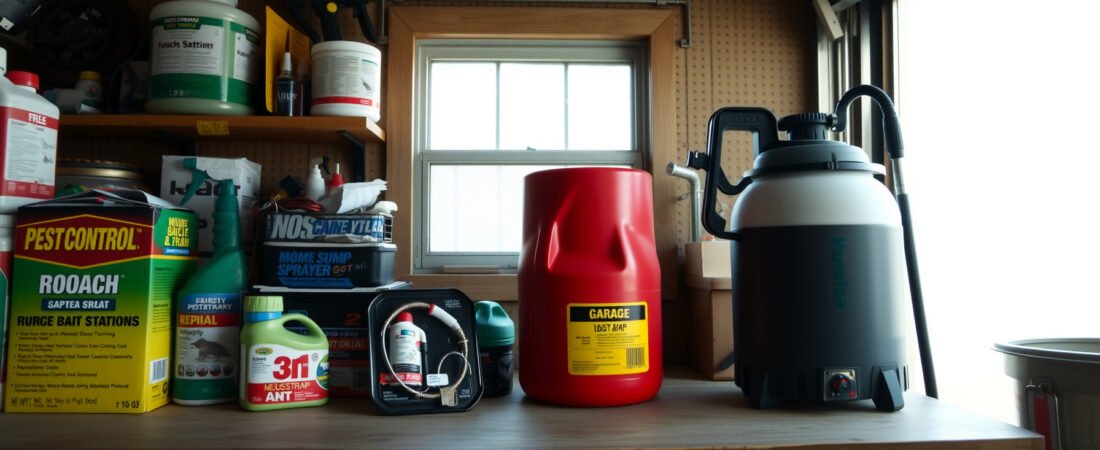
The honest answer is that DIY pest control is almost always cheaper upfront — and almost never cheaper overall. That’s the part nobody talks about. Homeowners compare the price of a $12 can of spray to a $150 pro visit and assume the math is obvious. But that calculation ignores the 6 cans of spray bought over 4 months, the $40 fogger that didn’t work, the replacement pantry items, and the fact that the infestation quietly doubled while they were experimenting. The real cost of DIY isn’t the product — it’s the time-to-control gap, and that gap is where pests win.
Why the Sticker Price Comparison Misleads Almost Everyone
The default way people think about this decision is simple: a professional visit costs $100–$300 for a one-time treatment, and a bottle of bug spray costs $10. So DIY wins by default, right? The problem is that one-time professional visits are specifically designed to deliver a lethal dose to an active infestation in a single application — and that $10 spray almost never is. Consumer-grade products are formulated to lower concentrations than what licensed applicators use, and they’re applied by people who haven’t been trained in harborage patterns, pest biology, or product placement that actually intercepts a colony rather than just the scouts you see on the surface.
Picture this: you spot a trail of ants across your kitchen counter and buy a $9 can of permethrin spray. You kill the ants you see. Three days later they’re back, using a slightly different route. You spray again. This cycle repeats for six weeks before you realize the colony — which can contain anywhere from 10,000 to 100,000 workers — was never touched. By the time a professional comes in, you’ve spent $60–$80 on products and lost six weeks of containment time. That’s not a hypothetical; it’s the single most common path people take before calling an exterminator.
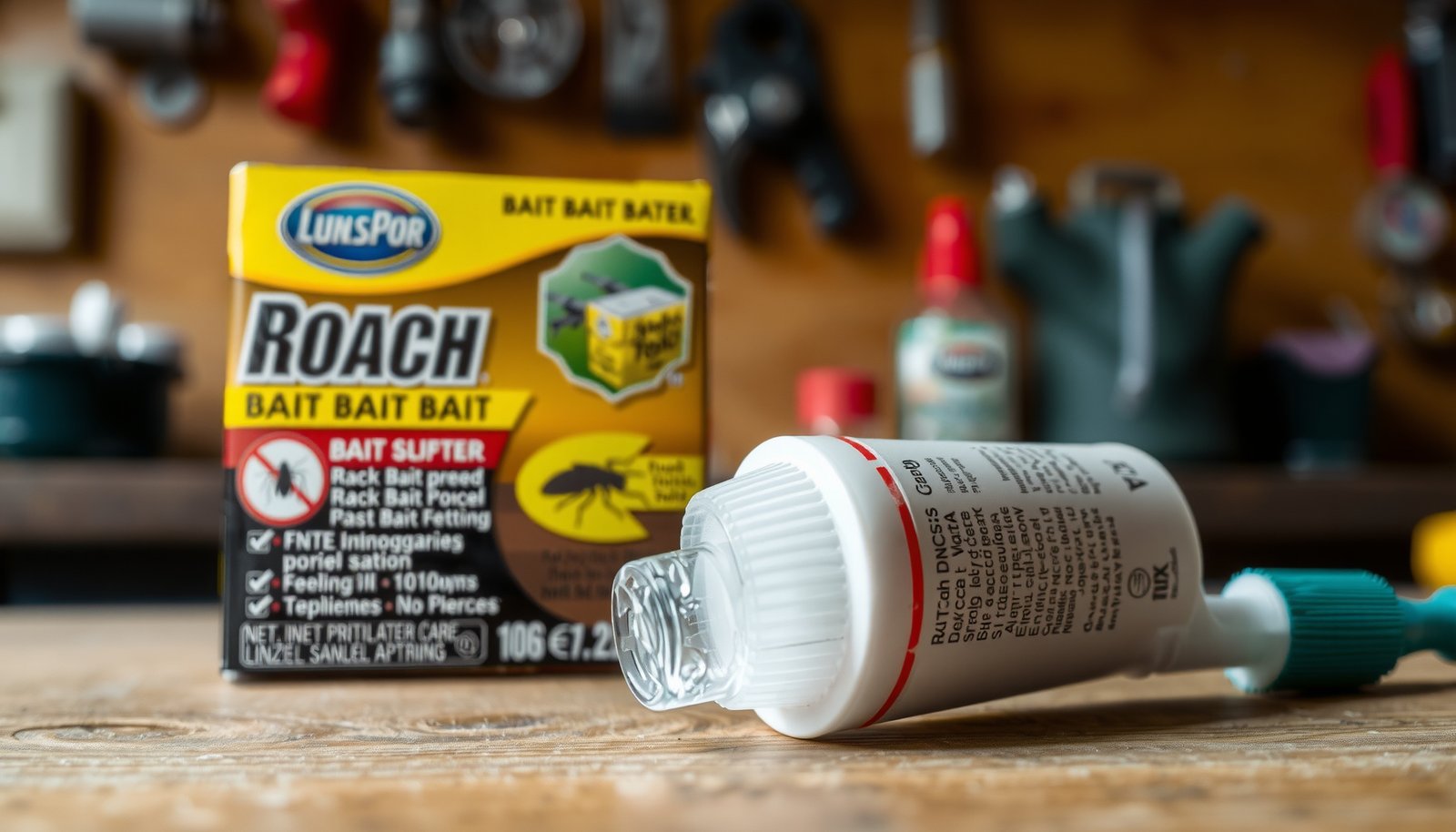
This side-by-side comparison shows the actual product accumulation most homeowners end up with after a failed DIY campaign — multiple half-used sprays, traps, and baits that each targeted a different stage of the same infestation without ever addressing the source.
Which Pests Are Actually Cheap to Handle Yourself?
Not every pest situation tips toward professional help, and it’s worth being specific about which ones genuinely don’t. Certain pests are predictable, slow-moving, and respond well to off-the-shelf products when those products are applied correctly and consistently. If you catch the problem early and you’re dealing with a single-species, low-density situation, DIY can absolutely hold the line without escalating cost. The key phrase is “catch it early” — most DIY failures happen because people wait too long before acting, which is actually a separate decision from which method they choose.
Here are the pest situations where DIY typically delivers real cost savings without sacrificing effectiveness:
- Pantry moths and weevils: Infestations almost always start in a single food source. Removing contaminated food, deep-cleaning shelves, and placing pheromone traps handles most cases completely without professional help.
- Occasional invaders (clover mites, boxelder bugs, stink bugs): These pests don’t reproduce indoors. Sealing entry points and using a perimeter spray is often all that’s needed, and any licensed-strength permethrin concentrate handles it.
- Early-stage ant trails with no wall penetration: A slow-acting bait like borax gel will outperform a contact spray every time, and it costs under $10. The trick is patience — baits need 48–72 hours to work back through the colony.
- Single-mouse entries: One mouse found and one confirmed entry point can be resolved with snap traps and steel wool without a professional — if you’re fast and thorough. Mice can squeeze through a gap as small as 1/4 inch, so plugging the entry point is non-negotiable.
- Fruit flies with a known source: These are almost entirely a sanitation issue. Remove the source, drain-clean if needed, and the population collapses within a week.
The honest pattern across all of these: DIY works when the pest has a single, identifiable source and hasn’t yet established a breeding population inside the structure. Once it’s past that point, the math changes.
What Does a Professional Actually Charge — and What Does That Include?
Professional pricing varies more than most homeowners expect, and understanding the structure helps you evaluate whether you’re getting value or being oversold. A standard one-time interior treatment for a common pest like roaches or spiders typically runs $100–$300 depending on home size and region. Specialty treatments — termites, bed bugs, and wildlife — operate on an entirely different pricing tier and generally shouldn’t be compared to DIY at all, because the DIY options for those pests are either ineffective or genuinely dangerous to attempt without training.
| Treatment Type | Typical Professional Cost | Realistic DIY Cost |
|---|---|---|
| General interior spray (ants, spiders, roaches — early) | $100–$200 one-time | $15–$40 if resolved in 1–2 attempts |
| German cockroach infestation (established) | $200–$400 for gel bait + IGR program | $80–$200+ over multiple failed attempts |
| Bed bug treatment (chemical) | $300–$600 per room | $150–$400+ with low success rate |
| Subterranean termite treatment | $800–$2,500+ depending on method | Not recommended — colony can exceed 1 million individuals |
What that professional cost actually buys you isn’t just product — it’s diagnostics, liability, and access to restricted-use formulations that aren’t sold to consumers. A licensed technician carries products with active ingredient concentrations and residual timelines that consumer-grade products simply aren’t allowed to match. That’s a regulatory gap, not a marketing one, and it’s why identical-looking spray bottles from a pest supply store and a home improvement store perform so differently on an active infestation.
“The biggest cost driver in pest control isn’t the product — it’s how fast you achieve control. Every week an infestation continues, you’re compounding the population and the damage. A homeowner spending $20 a month on retail products for four months has spent $80 and still has roaches. A professional who achieves control in one visit at $200 was cheaper in the end, by every meaningful measure.”
Dr. Marcus Thielen, Board-Certified Entomologist and Urban Pest Management Specialist
When DIY Pest Control Actually Costs You More Than a Pro Would Have
Here’s the counterintuitive reality that most cost comparison articles skip entirely: certain DIY approaches don’t just fail — they actively make professional treatment harder and more expensive when you eventually call. This is especially true with cockroaches. Spraying a contact killer into a roach population causes a scatter response; the survivors disperse deeper into wall voids, behind appliances, and into areas they previously hadn’t colonized. A professional arriving to treat a scattered infestation has to cover more ground and use more product than they would have on a contained one.
The same problem occurs with pharaoh ants, which are one of the most mishandled DIY situations in any home. Pharaoh ants are prone to a behavior called budding — when they sense a threat, they split the colony and create multiple new satellite nests rather than retreating. A homeowner who sprays a pharaoh ant trail once can turn a single-colony problem into a multi-room, multi-colony infestation within days. Professionals who deal with pharaoh ants know never to use repellent sprays and rely exclusively on slow-acting bait, but that’s not obvious from the label on any store shelf product. You can also run into similar escalation issues with wasps — using the wrong application approach on an established nest can send hundreds of agitated insects into your living space; check the actual best wasp and hornet sprays for fastest knockdown before you attempt that one yourself.
Pro-Tip: Before buying any retail pest control product, look up whether the pest you’re dealing with responds negatively to repellent chemicals — pharaoh ants, Argentine ants, and certain termite species will scatter or bud when exposed to common contact killers, turning a contained problem into a distributed one. Bait-only approaches are safer when you’re not certain which species you have.
How to Decide: A Step-by-Step Framework for the Real Cost Calculation
The decision between DIY and professional treatment shouldn’t be made based on sticker price — it should be made based on the likely cost to achieve control, which is a different number entirely. Severity, species, home construction type, and how long the infestation has been active all affect that number. A light ant trail in a one-story house is a genuinely different problem from an established German cockroach population in a multi-unit apartment building, even though both look like “bug problems” on the surface.
Work through these questions before spending a dollar on either option:
- Can you identify the species? Treatment effectiveness is almost entirely species-dependent. Misidentifying a pest leads to buying the wrong product category entirely, which is money directly wasted. If you’re not certain, identification should come before any product purchase.
- Is this an isolated incident or an established infestation? A single mouse is a DIY problem. Evidence of gnawing, droppings in multiple locations, and audible activity in walls indicates an established population that likely warrants professional exclusion work. German cockroaches, for reference, can produce 30–40 eggs per capsule with a 28-day hatch cycle — populations escalate fast.
- Is there structural access involved? Any pest living inside walls, under subfloor, or in crawl spaces requires either professional-grade injection equipment or a license to treat effectively. Consumer aerosols simply can’t reach those voids at useful concentrations.
- What’s the consequence of failure? For pantry moths, failure means you buy another trap. For termites or carpenter ants actively destroying structural wood, failure means repair costs that dwarf any treatment price. Weight the downside, not just the upside.
- How many DIY attempts have you already made? One failed attempt is information. Two failed attempts with the same pest means something structural is wrong — either the species requires a different approach, or the infestation is too large for surface-level treatment to reach. At that point, every additional DIY spend delays control and inflates total cost.
- Does the pest require specialized equipment? Heat treatment for bed bugs, termite bait stations, and rodent exclusion all require either equipment that isn’t available to consumers or installation techniques that take training to do correctly. These aren’t situations where the gap between DIY and professional is price — it’s physical capability.
That last point is worth sitting with. The pest control industry does have legitimate upsell incentives, and not every service call is strictly necessary. But there’s a category of pest problem where the professional option isn’t a premium — it’s the only path to actual resolution. Knowing which category you’re in before you spend the first $15 is how you keep DIY pest control genuinely cost-effective instead of just feeling like you’re saving money while the problem grows.
Start with identification, be honest about how long this has been going on, and treat a second failed DIY attempt as a clear signal — not a reason to buy a different product, but a reason to stop spending on things that aren’t working. That’s the calculation that actually saves money, and it looks nothing like comparing a $12 spray can to a $200 service call.
Frequently Asked Questions
How much does a professional exterminator cost compared to doing it yourself?
A single professional exterminator visit typically runs $150–$300, while a full DIY treatment with store-bought products usually costs $20–$80. If you’re dealing with a minor ant or roach problem, DIY pest control is almost always cheaper upfront. However, if the infestation is large or keeps coming back, you can easily spend more on repeated DIY attempts than you would on one pro visit.
What pests are worth calling an exterminator for instead of treating yourself?
Termites, bed bugs, and carpenter ants are almost always worth paying a professional for — DIY products rarely reach the full colony, and a missed infestation can cause thousands in structural damage. Rodent infestations inside walls are also tricky to handle without professional equipment and knowledge. For surface-level pests like common ants, spiders, or roaches, DIY pest control is usually effective enough.
Are professional exterminator chemicals stronger than what you can buy at the store?
Yes, in most cases. Pros have access to commercial-grade concentrates and restricted-use pesticides that aren’t sold to the general public. Store-bought sprays and baits are formulated at lower concentrations for safety reasons, which means they often work more slowly or wear off faster. That difference in product strength is a big reason why DIY pest control vs professional exterminator cost comparisons can be misleading — you might need to treat more often with retail products.
Does homeowners insurance cover pest control or exterminator costs?
Most standard homeowners insurance policies don’t cover pest control or exterminator visits because infestations are considered a maintenance issue, not sudden damage. There are rare exceptions — some policies cover structural damage caused by a covered peril if pests were a result of it — but that’s not the norm. It’s worth calling your insurer to ask, but don’t count on it to offset the cost of a professional exterminator.
How do I know if my DIY pest control isn’t working and I need a pro?
If you’ve done two or more full DIY treatments and you’re still seeing active pest activity after two to three weeks, that’s a strong sign the infestation is beyond what retail products can handle. You should also call a pro right away if you spot signs of termites, find a rodent nest inside the walls, or see bed bug activity spreading to multiple rooms. At that point, the DIY pest control vs professional exterminator cost question tips clearly toward paying for expert help — the longer you wait, the more expensive it gets.
Disclaimer: This article is for informational purposes only. Pest control costs, timelines, and outcomes vary widely depending on the pest, the severity of the infestation, your location, and the company you hire. Always get multiple quotes and ask for a written inspection report before agreeing to a treatment plan.