
Asking for a rent reduction because of pests is not the hard part. The hard part is that most tenants go about it completely backwards — they complain first and document second, which hands the landlord every excuse they need to delay, deny, and wait you out. Do it in the right order and you’re not just asking for a favor; you’re presenting a landlord with a paper trail they can’t easily dismiss.
Why “Just Asking Nicely” Almost Never Gets You a Rent Reduction
Here’s what actually happens in most pest-related rent disputes: a tenant texts their landlord saying “there are roaches,” the landlord sends someone to spray once, and when nothing changes, the tenant asks for a rent discount. The landlord says no, because from their perspective, they responded. That single spray visit — even if it accomplished nothing — becomes their legal shield. Verbal complaints and informal texts are nearly worthless in this process unless they’re part of a documented chain of evidence that shows a pattern of neglect, not a one-time miscommunication.
A rent reduction is a legal remedy tied directly to a landlord’s failure to maintain habitable conditions. In most states, that habitability standard is codified — meaning your right to reduced rent doesn’t come from asking nicely, it comes from demonstrating that the pest problem materially affects your ability to use and enjoy the rental unit, and that the landlord had notice and failed to remedy it within a reasonable time. “Reasonable time” in most jurisdictions is somewhere between 14 and 30 days for a documented pest infestation, though some states specify as few as 7 days for serious infestations like rodents or cockroaches.

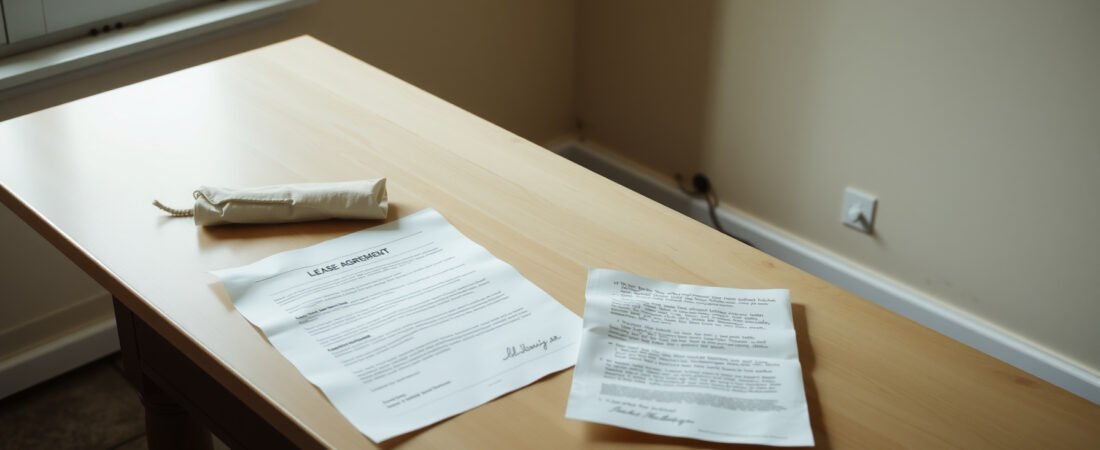
This image shows a written pest complaint letter alongside photographic evidence of roach activity — exactly the kind of documented paper trail that separates a tenant who gets results from one who gets ignored.
What “Ongoing” Actually Means — and Why the Timeline Is Everything
One treatment that didn’t work does not automatically make a pest problem “ongoing” in a legal sense — at least not yet. What makes it ongoing is the combination of: a documented initial complaint, a failed or absent response, and continued evidence of infestation after a reasonable window for remediation has passed. This distinction matters because it shifts the argument from “pests exist in my apartment” (landlord’s response: “we sprayed”) to “pests have persisted despite notice and failed remediation” (landlord has a much harder time deflecting this).
Picture this: you move into an apartment in the spring, notice cockroach activity within the first two weeks, notify your landlord in writing, and they send a pest control company that does a one-time perimeter spray. Six weeks later you’re still finding live roaches under the refrigerator and in kitchen cabinets. A German cockroach population reproduces fast — a single female can produce an egg capsule containing 30 to 40 eggs every 3 to 4 weeks, so a missed or ineffective treatment doesn’t slow things down, it just gives the colony time to grow. At this point you have a legitimate ongoing infestation, a documented notification, and evidence that the landlord’s response was inadequate. That’s the timeline you need.
How to Build the Evidence File Before You Ever Ask for a Reduction
This is the step most tenants skip entirely because it feels like overkill before anything “official” has happened. It’s not overkill — it’s the only thing that makes your request credible. Your evidence file doesn’t need to be elaborate, but it does need to be specific, timestamped, and organized before you send any formal correspondence to your landlord.
Here’s what to build into that file, in roughly this order:
- Dated photographs and video — show live pests, droppings, damage, or entry points. Your phone’s metadata timestamps are sufficient; you don’t need anything fancy. Rat droppings are roughly 3/4 inch long with blunt ends; mouse droppings are smaller, about 1/4 inch, with pointed tips — capturing close-up photos that clearly show these can help establish what you’re actually dealing with.
- Written notice to landlord (email or certified letter) — this creates a timestamp the landlord can’t later claim they didn’t receive. Be factual and specific: “On [date] I observed approximately 6–8 cockroaches in the kitchen area. I am providing written notice of this condition.”
- Landlord’s written response (or lack thereof) — save every email, text, and voicemail. If they don’t respond within your state’s required window, that silence becomes part of your case.
- Records of any treatments performed — ask the pest control technician for a copy of the service report. These documents typically show what was applied, where, and what evidence of infestation was observed. If the technician notes a “light infestation” but activity continues, that contradiction is useful later.
- Medical or financial impacts (if applicable) — if the infestation has caused health issues, out-of-pocket expenses for flea or roach products, or required you to discard food or belongings, document those costs. A tenant who spent $180 on over-the-counter treatments and $60 in discarded groceries has a concrete damages number to work with.
- Third-party confirmation — a written inspection report from an independent pest control company carries significant weight, especially if it contradicts a landlord’s claim that the unit is “treated and clear.”
Pro-Tip: Don’t use apps to send your formal complaint — use your email or physical certified mail so there’s an unambiguous delivery record. Many landlords will claim they “didn’t see” a text. A certified letter with return receipt gives you a signed delivery confirmation that holds up if this escalates to small claims court or a housing authority complaint.
How to Actually Write the Rent Reduction Request Letter
Most templates floating around the internet for this kind of letter read like they were written by someone trying to sound like a lawyer without actually knowing any law. They’re vague, they use phrases like “as per my rights,” and they don’t state a specific number. That approach rarely works because it gives the landlord nothing concrete to respond to — they can just say “we’ll look into it” and stall indefinitely.
A rent reduction request letter that actually moves the needle does four specific things: it references the exact dates of prior notifications, it names the legal framework (your state’s implied warranty of habitability or specific housing code section, which is easy to look up on your state AG’s website), it proposes a specific dollar amount or percentage reduction tied to the portion of the unit that’s genuinely unusable, and it gives a deadline for response — typically 10 to 14 days. Here’s what each of those components looks like in practice:
| Letter Component | What to Include |
|---|---|
| Reference to prior notice | “I first notified you in writing on [date]. As of this letter, [X] days have passed with no resolution.” |
| Legal basis | “Under [State] Civil Code §[section], landlords are required to maintain habitable conditions free of pest infestation.” |
| Specific reduction requested | “I am requesting a [10–25%] reduction in monthly rent for the period beginning [date] until the infestation is fully resolved.” |
| Response deadline | “Please respond in writing within 14 days. If I do not receive a response, I will pursue further remedies available under state law.” |
The percentage you request matters. A 10–15% reduction is conservative and easier to defend. A request for 50% reduction over a roach sighting in one cabinet is going to be dismissed as unreasonable, which then weakens your overall credibility. Be proportional: if pests have made your kitchen genuinely unusable — you can’t store food, you can’t cook safely — that’s a larger functional impact than a mouse spotted once in the hallway. Proportionality signals that you’re a serious person making a serious claim, not someone fishing for free rent.
“The tenants who get results are the ones who come in with a paper trail, not a grievance. A landlord can dismiss a complaint. They can’t dismiss a dated written notice, a failed treatment record, and a specific dollar request with a legal citation attached to it. That combination forces a real conversation.”
Marcus Delray, Licensed Pest Management Professional and Housing Code Consultant, 18 years in multi-unit residential pest management
What Happens After You Send the Letter — and When to Escalate
Sending the letter is not the end of the process; it’s the beginning of a defined timeline. One of the most common mistakes tenants make at this stage is waiting too long after the landlord goes quiet. Your letter set a 14-day response window for a reason — use it. If the landlord doesn’t respond, doesn’t offer a remedy, or responds dismissively (“we’ve already treated the unit”), you have clear escalation options that don’t require a lawyer.
Your escalation path, in roughly ascending order of formality, looks like this:
- File a complaint with your local housing or code enforcement authority. This triggers an official inspection, and a written violation notice from a city inspector carries far more weight than your photographs alone. In many jurisdictions, a confirmed habitability violation also strengthens your position in any subsequent rent withholding or reduction claim.
- Contact your state’s tenant protection agency or attorney general’s consumer protection division. Many states have formal rent reduction or “repair and deduct” remedies that tenants can invoke after a landlord fails to act within the legal window. Some states allow you to deduct the cost of pest control directly from rent — up to one month’s rent in some jurisdictions — without landlord approval.
- File in small claims court. Small claims is genuinely accessible for tenants — no attorney required in most states, filing fees are typically under $75, and your documented evidence file is exactly what these cases are built on. A judge who sees a dated complaint letter, a failed treatment record, and 60 days of continued infestation photos doesn’t need much convincing.
- Consult a tenant rights attorney for a free initial consultation. Many tenant attorneys work on contingency for habitability cases, meaning you pay nothing upfront. If your situation involves significant health impacts, substantial out-of-pocket costs, or retaliatory behavior from the landlord, this becomes worth exploring quickly.
There’s an honest nuance worth acknowledging here: how far this process goes depends heavily on your specific state, city, and even the type of housing you’re renting. Rent-controlled units in cities like San Francisco or New York have formal rent board processes specifically designed for habitability-based reductions. In rural areas or states with fewer tenant protections, your remedies may be more limited, and the “repair and deduct” option may not be available at all. Knowing your specific state law before you send that first letter isn’t optional — it’s what makes the letter credible in the first place.
It’s also worth understanding the difference between a pest problem you’re trying to resolve through negotiation and one that requires professional-grade intervention. If your landlord finally agrees to bring in a professional and the question is what kind of treatment is appropriate for the severity of the infestation — whether that’s a localized spot treatment or something more intensive — it helps to go into that conversation informed. For instance, knowing how to distinguish between fumigation and local termite treatment options can help you push back if a landlord’s pest company is clearly underperforming the scope of the problem.
Similarly, if the infestation involves fleas — particularly common in units where previous tenants had pets — and the landlord’s “treatment” was a single fogger with no follow-up, you’ll want to understand why that almost certainly failed. Not all pest products are equal, and a landlord who sends the cheapest option available is not meeting the habitability standard. Understanding what flea bombs and foggers actually do and don’t do gives you the language to argue that a failed treatment wasn’t adequate remediation — it was a performance of remediation.
The counterintuitive thing about rent reduction requests is that the tenants who approach this calmly, specifically, and with documentation tend to get faster responses than the ones who escalate emotionally right away. Landlords are risk-averse. A formal, evidence-backed request signals that you know what you’re doing — and that ignoring you has real consequences. That, more than any emotional appeal, is what moves a landlord from stalling to negotiating.
Frequently Asked Questions
Can I ask for a rent reduction because of a pest problem?
Yes, you can — and in most states, you have a legal right to do so if the infestation makes your unit uninhabitable. Most landlord-tenant laws require landlords to maintain pest-free living conditions as part of the implied warranty of habitability. If your landlord has failed to fix the problem after written notice, requesting a rent reduction is a reasonable next step.
How much rent reduction can I ask for due to a pest infestation?
A common starting point is 10% to 25% of your monthly rent, depending on how severe the infestation is and how much of your home is affected. For example, if roaches or bedbugs have made a bedroom unusable, you can argue for a larger reduction than if the problem is limited to one area. Some tenants have successfully negotiated up to 50% off in extreme cases that involved multiple pest types or landlord negligence.
What evidence do I need to request a rent reduction for a pest problem?
You’ll want photos or videos of the pests, droppings, or damage, along with copies of every written complaint you’ve sent your landlord. Pest control inspection reports are especially powerful — if a licensed exterminator documents the infestation in writing, that’s hard for a landlord to dismiss. Keep a dated log of every sighting and every time you contacted your landlord, since a paper trail is what makes or breaks these requests.
How do I write a letter to my landlord asking for a rent reduction because of pests?
Keep it professional and stick to the facts — include the date the problem started, a list of your previous complaints, and the specific reduction amount you’re requesting. Reference your state’s habitability laws by name if you can, since that signals you know your rights and are serious. Send it via email and certified mail so you have proof it was received, and give your landlord a clear deadline — typically 14 to 30 days — to respond.
What can I do if my landlord refuses to give me a rent reduction for a pest infestation?
If your landlord says no, you still have options — you can file a complaint with your local housing authority or code enforcement office, which can force an inspection and issue violations. Some states allow rent withholding or rent escrow, where you pay rent into a court-held account until repairs are made. As a last resort, you can take the landlord to small claims court to recover costs like pest control bills or damaged belongings.
Disclaimer: This article is for general informational purposes only and does not constitute legal advice. Landlord-tenant laws and pest-related disclosure or habitability requirements vary significantly by state and even by city, and they change over time. Before withholding rent, breaking a lease, or taking other legal action over a pest infestation, consult a licensed attorney or your local tenant rights organization familiar with the laws in your area.