
Latest posts
-
How Bed Bug Laws Differ by State: A Renter’s Quick Reference

Only 13 states have an explicit bed bug statute on the books — and if you’re renting in one of the other 37, your rights still exist, they’re just buried inside general habitability law instead of a dedicated bed bug rule. That distinction matters more than most renters realize, because it changes how you document…
-
Buying a House and Finding a Pre-Existing Pest Problem: Your Options
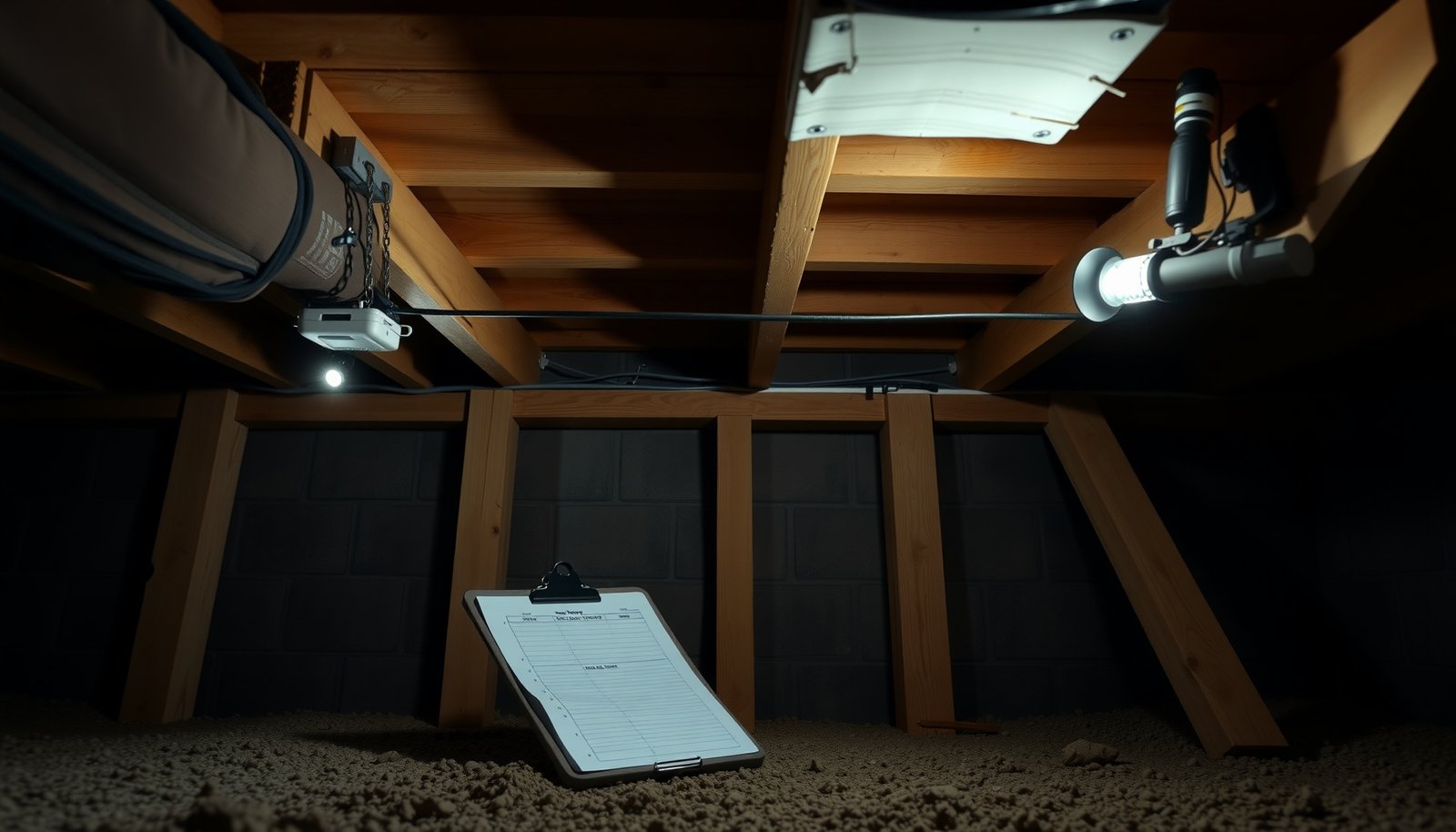
Sellers are legally required to disclose known pest problems — but “known” is doing a lot of heavy lifting in that sentence. The reality is that a significant percentage of pre-existing pest infestations are either genuinely unknown to the seller or conveniently undiscoverable before closing. And by the time you move your furniture in and…
-
Renters Insurance and Pest Damage: What’s Covered and What Isn’t
Renters insurance won’t pay for pest damage — almost ever. That’s the short answer, and knowing it before you file a claim can save you from a denied claim that gets flagged on your insurance record. But the story is messier than a flat “no,” because there’s one narrow exception most renters don’t know about,…
-
Small Claims Court for Pest Infestations: Is It Worth It?
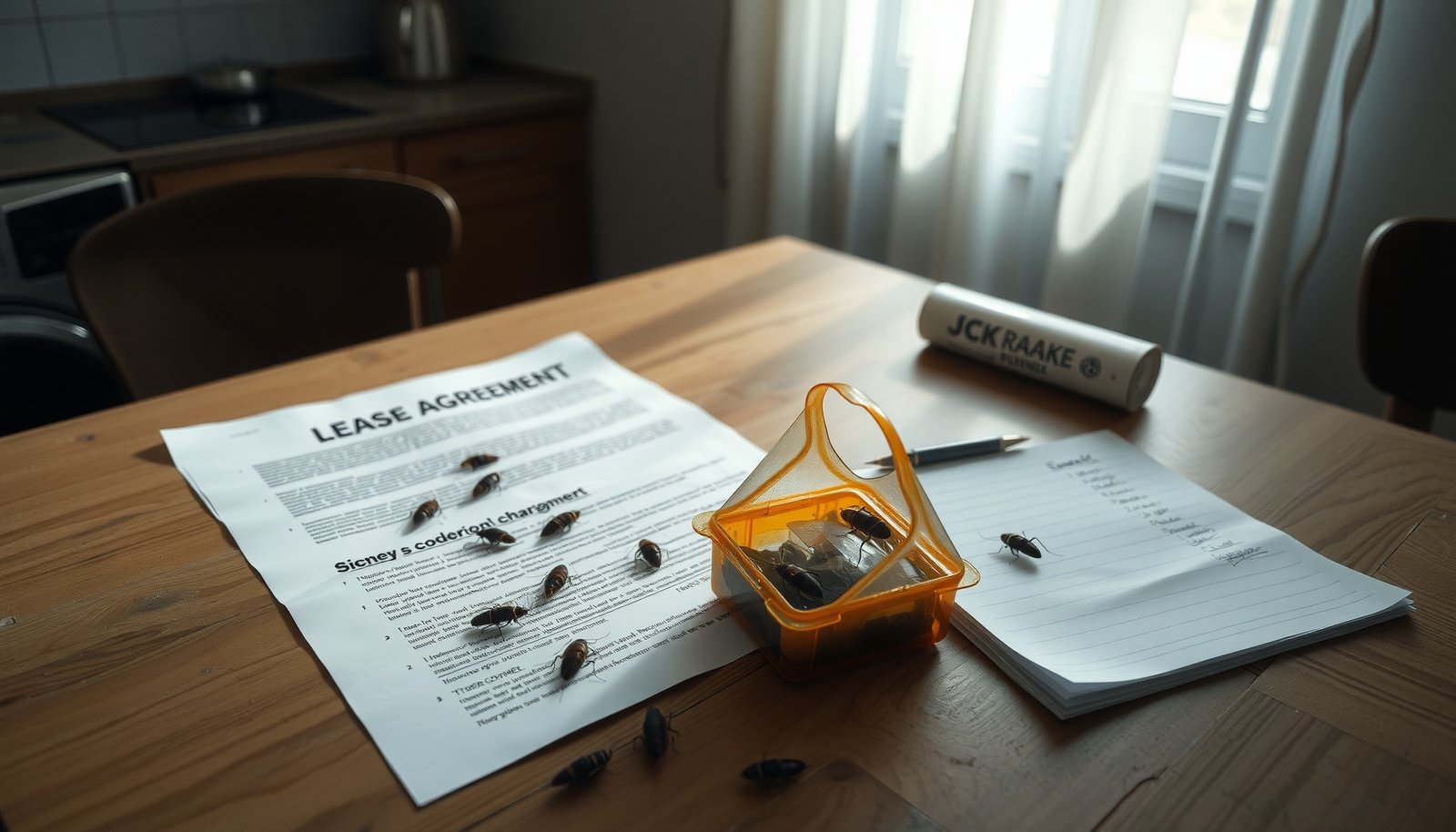
You can win in small claims court for a pest infestation — but winning and actually getting paid are two completely different things, and most renters never realize that until it’s too late. That gap between a favorable judgment and money in your pocket is where most pest-related cases quietly fall apart. This article is…
-
What to Include in a Demand Letter to a Landlord About Pests
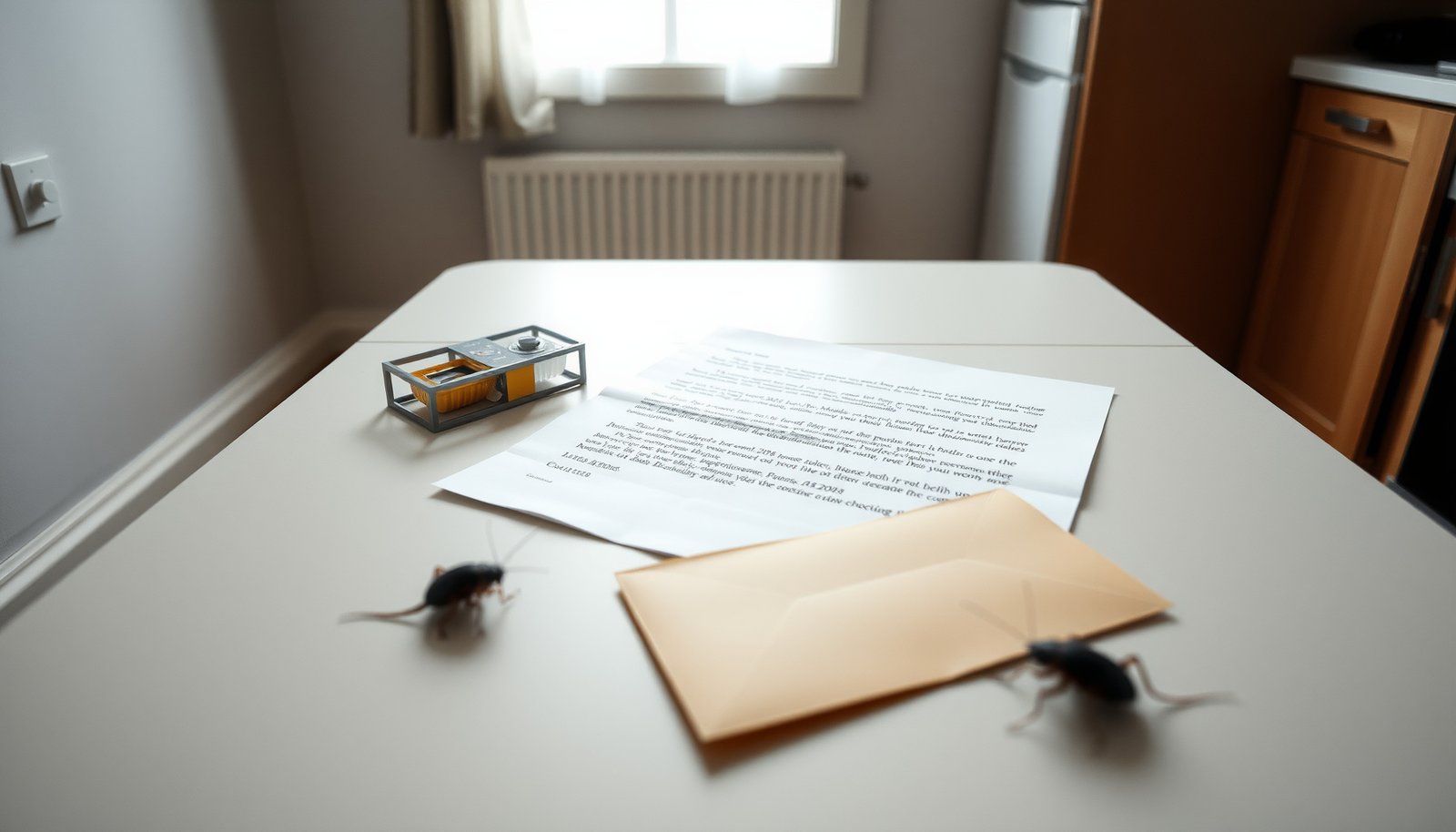
A demand letter to your landlord about pests fails — not because you forgot to be polite or because you didn’t sound legal enough — but because it lacks the one thing that actually creates legal pressure: documented proof that your landlord had notice and did nothing. Most tenants write an angry email describing roaches…
-
Can Landlords Charge Tenants for Pest Control Automatically?
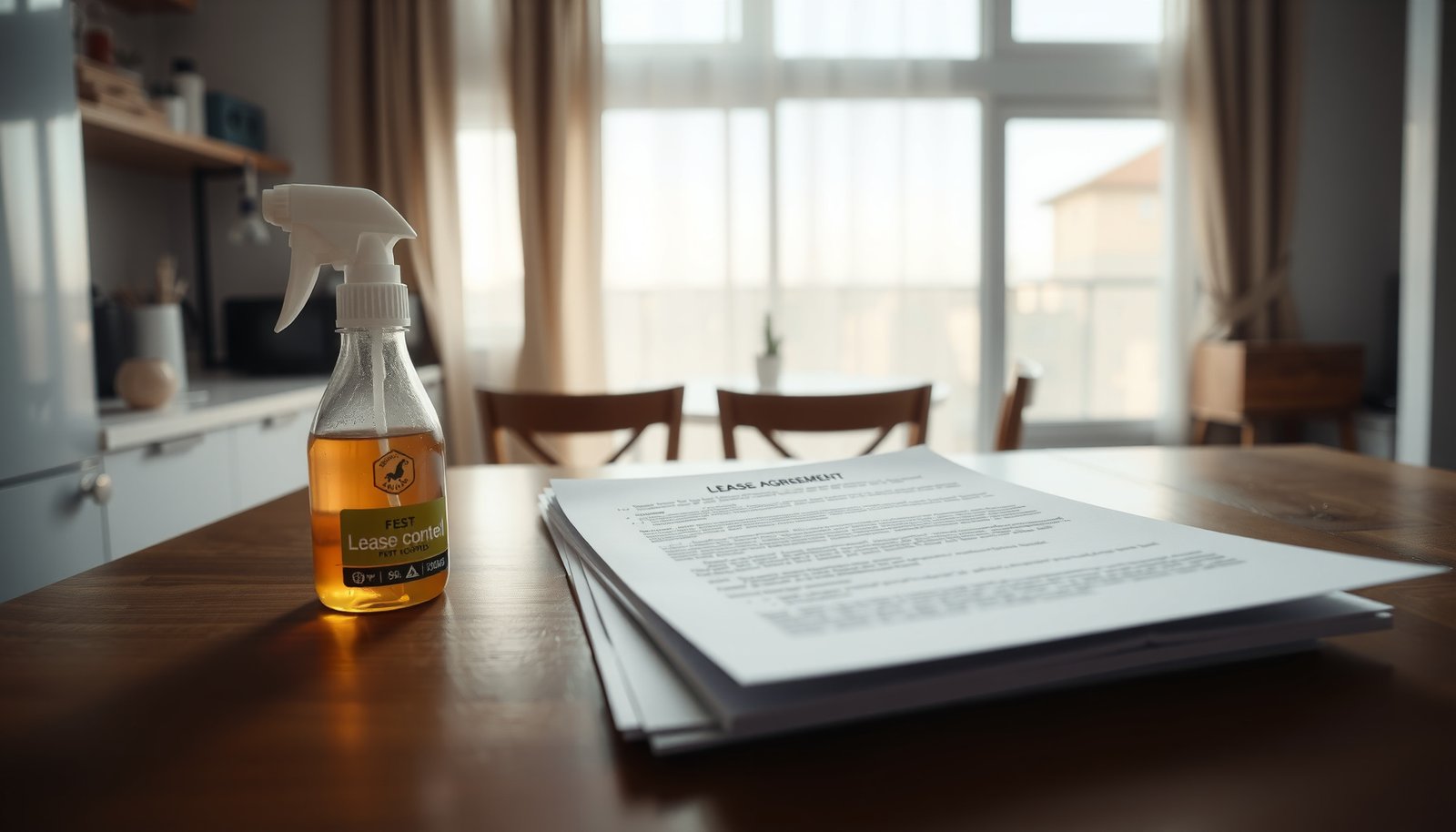
Your landlord cannot automatically charge you for pest control just by writing it into a lease — and that’s where most tenants get completely blindsided. The clause feels legal, it’s buried in paragraph 14 of an eight-page document, and you signed it. But a lease clause that conflicts with your state’s implied warranty of habitability…
-
Section 8 and Public Housing Pest Rights: What Tenants Can Demand
Federal housing law gives Section 8 voucher holders and public housing residents the right to demand pest-free living conditions — but almost nobody tells you that the enforcement mechanism is completely different from what standard renters use. You can’t just withhold rent or sue your private landlord the same way. The system runs through HUD,…
-
HOA and Condo Pest Responsibility: Who Pays in Shared Buildings?
Your HOA’s governing documents almost certainly say who’s responsible for pest control — but they’re probably wrong about where that responsibility actually ends. The legal line between “your unit” and “common area” sounds clean on paper, but pests don’t read bylaws. A termite colony can contain over 1 million individuals tunneling through shared structural wood…
-
What Happens If a Pest Inspection Is Required Before You Move Out?
A move-out pest inspection isn’t about cleanliness — and that’s the part almost every renter gets wrong. Most tenants scrub the apartment spotless, hand in their keys, and assume they’re done. Then they get a bill for $400 in “pest remediation” deducted from their security deposit, with zero explanation of how that number was reached…
-
Can You Get Out of a Lease Early Due to a Roach Infestation?
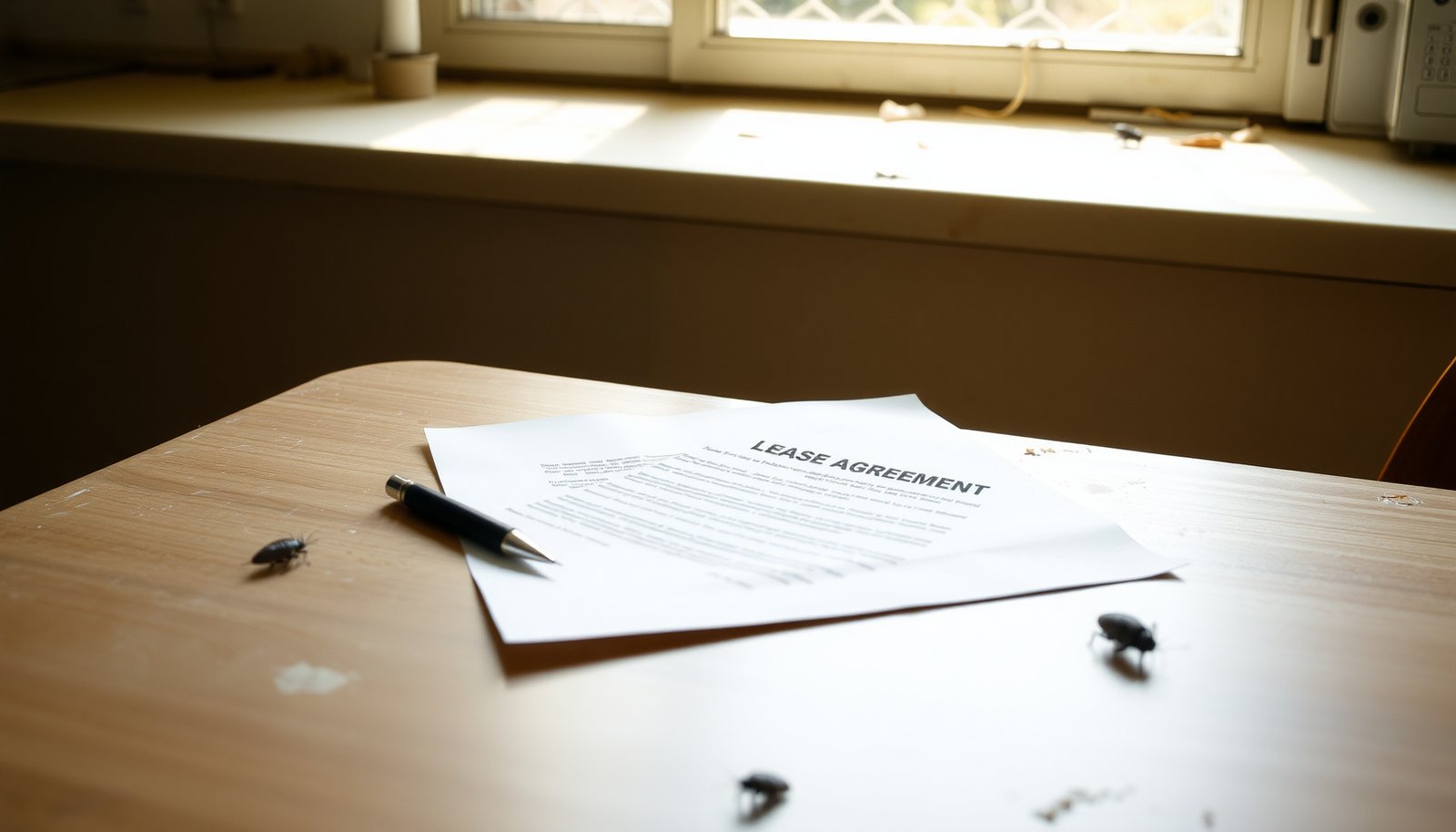
Yes, a roach infestation can legally justify breaking your lease early — but almost no tenant does it correctly, and that mistake ends up costing them thousands. The real problem isn’t whether you have the right to leave. It’s that most renters skip the one step that actually makes that right enforceable: creating an airtight…