
Sellers are legally required to disclose known pest problems — but “known” is doing a lot of heavy lifting in that sentence. The reality is that a significant percentage of pre-existing pest infestations are either genuinely unknown to the seller or conveniently undiscoverable before closing. And by the time you move your furniture in and find evidence of termites, mice, or cockroaches, most buyers assume they have no options left. That assumption is wrong, and it costs people thousands of dollars.
Here’s the angle almost every real estate and pest control article misses: your options after discovering a pre-existing pest problem aren’t just legal — they’re also strategic and time-sensitive. What you do in the first two to four weeks after discovery changes everything about what you can recover, from whom, and how.
What Does “Pre-Existing” Actually Mean — and Why It’s Harder to Prove Than You Think
A pre-existing pest problem is one that was present — actively or dormantly — before you took ownership of the property. That sounds simple enough until you’re standing in front of a pest inspector trying to prove that the German cockroach infestation in your kitchen walls didn’t appear the week after you moved in. A female German cockroach can produce up to 40 eggs per capsule and six or more capsules in her lifetime, which means a population can explode visibly within weeks from just a handful of individuals that were already there when you signed the deed.
The challenge is that pest evidence ages poorly. Mud tubes from subterranean termites can collapse and dry out. Mouse droppings crumble. Old roach egg cases look similar to recent ones without lab analysis. Unless a licensed pest inspector documents conditions at or before closing, “pre-existing” becomes a he-said-she-said argument. That’s why timing your response — and getting professional documentation fast — is the single most important thing you can do.

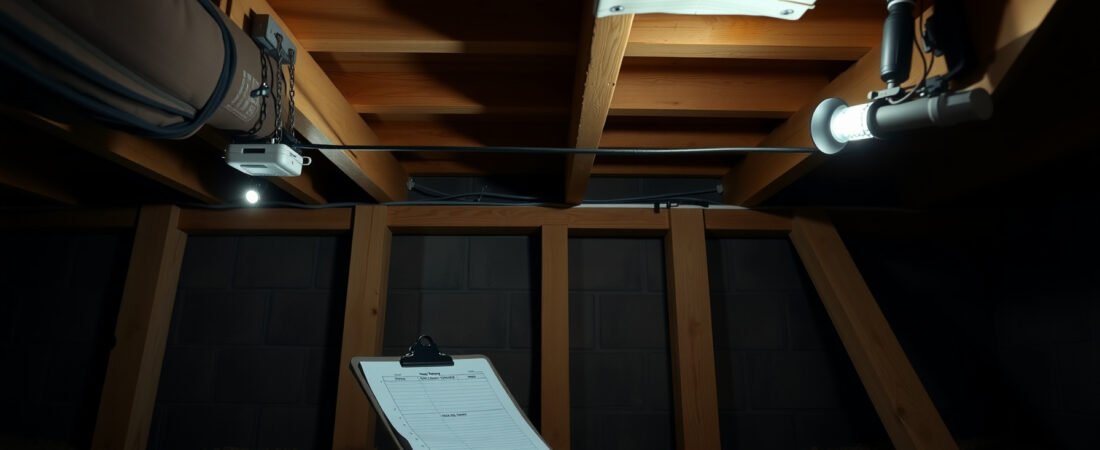
This photo shows the kind of physical evidence — frass trails, mud tubes, and droppings — that a pest inspector will document to help establish how long an infestation has likely been present, which is the foundation of any legal or financial claim you may pursue.
Did the Seller Have to Tell You? Understanding Disclosure Laws by Pest Type
Seller disclosure requirements vary significantly by state, and not all pests trigger the same obligations. Termites get the most legal attention — most states require sellers to disclose known termite damage or active infestations, and many require a Wood Destroying Insect (WDI) report as part of the transaction. Rodents and cockroaches occupy a grayer area: sellers typically must disclose “known material defects,” and a serious infestation arguably qualifies, but enforcement is inconsistent and proving the seller’s actual knowledge is difficult.
Here’s what most buyers don’t realize: the disclosure form isn’t a guarantee — it’s a sworn statement. If a seller checked “no known pest issues” and there’s credible evidence the infestation predates your ownership, that statement becomes the foundation of a potential fraud or misrepresentation claim. The strength of that claim depends on how long the infestation has been established, whether a pre-sale home inspection flagged anything, and whether the seller had prior pest control service records they didn’t share.
| Pest Type | Typical Disclosure Requirement | Evidence That Establishes Age |
|---|---|---|
| Termites | Usually required; WDI report often mandated | Mud tubes, structural damage, old frass deposits |
| Rodents | Required if seller had knowledge; often unprovable | Gnaw marks with oxidation, multi-season droppings, established runways |
| Cockroaches | Gray area — falls under “material defects” in most states | Egg cases behind appliances, heavy grease trails, established harborage |
| Bed bugs | Varies widely; some states have specific disclosure laws | Cast skins, staining patterns, infestation density at move-in |
What Your Options Actually Are — and Which One to Move on First
Picture this: you pull out the refrigerator to clean behind it on your first weekend in the new house and find a wall of roach egg cases behind the kick plate, plus droppings so compacted they’ve formed a crust. This didn’t happen in a week. You’re looking at months of activity, minimum. So what do you do?
You have more routes available than most people realize, and they aren’t mutually exclusive. The key is understanding what each option can realistically deliver — and the order in which to pursue them.
- Get a licensed pest inspector to document everything immediately. Before you treat anything, have a certified professional assess and document the infestation. Their report — including estimated age and extent — becomes your evidence. This is the step most buyers skip, and skipping it kills every other option down the line.
- Pull the pre-sale home inspection report. Review what the inspector did or didn’t flag. If they missed clear signs of an active infestation, you may have a claim against the home inspection company. Home inspectors carry errors and omissions (E&O) insurance for exactly this reason.
- Contact your real estate attorney before contacting the seller. Anything you say to the seller before getting legal advice can be used to argue that you’re making informal demands rather than asserting legal rights. An attorney can send a formal demand letter that signals you’re serious and preserves your position.
- Check if your homeowner’s insurance covers any of it. Standard homeowner’s policies almost never cover pest damage, but some policies include riders for sudden and accidental damage. It’s a low-probability path but worth a 15-minute call to your agent before you spend anything on treatment.
- Consider mediation before litigation. Many real estate purchase agreements include mandatory mediation clauses. Even if yours doesn’t, mediation is faster and cheaper than a lawsuit and often results in the seller covering treatment costs without anyone going to court.
Pro-Tip: Don’t start treatment before your documentation appointment. A pest control company spraying the kitchen before an inspector can assess the infestation can legitimately undermine your ability to demonstrate the scale and age of the problem — and the seller’s attorney will absolutely use that against you.
When You Discover Bed Bugs or Termites Specifically — the Stakes Are Different
Not all pest discoveries carry the same financial and legal weight. Bed bugs and termites sit at opposite ends of the pest spectrum but share one critical feature: the cost to treat and repair them is high enough that the seller’s potential liability becomes worth pursuing. A full-structure termite treatment with repair costs can run $5,000 to $15,000 or more depending on the extent of structural damage. Termite colonies can contain over 1 million individuals and may have been active for years before visible damage appears — which is exactly the kind of evidence that supports a pre-existing claim.
Bed bugs are a different kind of problem. They’re transported, which means proving they came with the house rather than arriving in your belongings is genuinely difficult. Adult bed bugs can survive over 300 days without feeding, which means a vacant home between sellers can still harbor an active population that was never visible during showings. Some states have explicit bed bug disclosure laws; others don’t. If you suspect bed bugs were already in a vehicle, furniture, or other items associated with the property, How to Get Rid of Bed Bugs in a Car: Complete Treatment Guide walks through how infestations spread between locations — useful context if you’re trying to establish an origin point.
“The most common mistake buyers make is treating the pest problem first and asking legal questions second. Once you’ve eradicated the evidence, you’ve essentially given the seller a free pass. A professional inspection report created before treatment is worth more than any receipt you’ll ever collect.”
Dr. Marcus Ellison, Board-Certified Entomologist and Licensed Pest Management Consultant, Southeast Regional Pest Advisory Board
What the Home Inspector’s Missed Pest Signs Actually Tell You About Your Claim
There’s a counterintuitive truth buried in pre-existing pest cases: a bad pre-sale home inspection actually improves your legal position in some ways. If an inspector walked through a house with a serious termite or rodent infestation and didn’t flag it, their liability becomes part of the equation — and that pressure can move cases toward settlement faster than a seller dispute alone. Home inspection companies are highly motivated to avoid drawn-out legal battles when their report clearly missed accessible evidence.
That said, this depends heavily on what type of inspection you paid for. General home inspectors aren’t pest specialists — many are explicitly not qualified to diagnose active infestations, and their contracts usually say so. A WDI (Wood Destroying Insect) report performed by a licensed pest control professional is a separate service and carries different liability. If you had only a general home inspection with no pest-specific add-on, the inspector’s culpability may be limited by their scope of work. This is one situation where the answer genuinely depends on what you paid for and what was promised.
One area that almost never gets discussed in these situations: seller-provided pest control records. Many sellers have quarterly or monthly pest control service contracts on their homes. Those records document when pests were treated, what was found, and sometimes how long the contract had been active. Requesting these records during discovery in a legal dispute — or simply asking for them directly, in writing, before things escalate — can reveal a history the seller didn’t voluntarily disclose.
Here’s what to document and preserve regardless of which path you pursue:
- Photographs with timestamps of all visible pest evidence before any cleaning or treatment
- The written report from your post-discovery pest inspector, including their professional estimate of how long the infestation has been present
- Any pest control service history you can obtain from the seller or prior service companies (which may share records with a new homeowner under certain state laws)
- The original seller disclosure form, specifically what was checked or left blank
- Your pre-sale home inspection report and any addenda, especially anything referencing pest activity or pest-related damage
- All written communications with the seller, real estate agents, and inspectors — including texts
Keep in mind that outdoor pest problems discovered after purchase — a yard full of mosquitoes from a neglected pond, a wasp colony in the eaves — generally don’t rise to the same level of legal disclosure obligation as structural or interior infestations. For outdoor pest context specific to your new property, Best Mosquito Killers for Backyard: Propane vs Electric vs Spray covers your options for reclaiming the yard on your own terms while the bigger legal questions get sorted out.
Buying a house is already a high-stakes transaction. Finding a pest infestation on the other side of closing doesn’t mean you’re stuck with it financially — but it does mean the clock is running. The buyers who recover costs are the ones who document before they treat, consult an attorney before they confront the seller, and understand that “the seller didn’t know” is a claim that can often be tested. Move fast, document everything, and don’t let the urgency of fixing the problem cause you to accidentally erase the evidence that proves it wasn’t yours to begin with.
Frequently Asked Questions
who is responsible for pest control when buying a house with a pre-existing pest problem?
It depends on what was disclosed and when. If the seller knew about the pest problem and didn’t disclose it, they can often be held legally responsible for remediation costs. If you waived the inspection or bought the home as-is, you’re likely on the hook — so always get a pest inspection before closing.
can you back out of a home purchase if there’s a pest infestation?
Yes, in most cases you can back out if your purchase contract includes an inspection contingency and the pest problem is discovered before closing. Termite damage, for example, can cost $3,000 to $8,000 or more to repair, which gives you solid grounds to renegotiate or walk away. Once you’ve closed without contingencies, your options get a lot narrower.
what pests are sellers required to disclose when selling a house?
Disclosure requirements vary by state, but most states require sellers to disclose known termite infestations, past termite damage, and sometimes rodent or bed bug problems. Some states have very specific forms covering wood-destroying organisms, while others rely on general material defect disclosures. Your real estate agent or attorney can tell you exactly what’s required in your state.
how do I negotiate with a seller after finding a pest problem during inspection?
You’ve got a few realistic options: ask the seller to pay for professional treatment before closing, request a price reduction to cover the cost yourself, or ask for a closing credit. Get two or three quotes from licensed pest control companies so you have actual numbers to bring to the negotiation — a vague ‘there’s a bug problem’ won’t carry as much weight as a $4,500 termite treatment estimate.
does homeowners insurance cover pre-existing pest damage when buying a house?
Almost never. Standard homeowners insurance policies specifically exclude pest damage, including termites, rodents, and bed bugs, because insurers treat it as a maintenance issue rather than a sudden loss. If you discover significant pest damage after buying, you’d typically need to pursue the seller through legal channels or rely on any warranties negotiated at closing.
Disclaimer: This article is for general informational purposes only and does not constitute legal advice. Landlord-tenant laws and pest-related disclosure or habitability requirements vary significantly by state and even by city, and they change over time. Before withholding rent, breaking a lease, or taking other legal action over a pest infestation, consult a licensed attorney or your local tenant rights organization familiar with the laws in your area.