
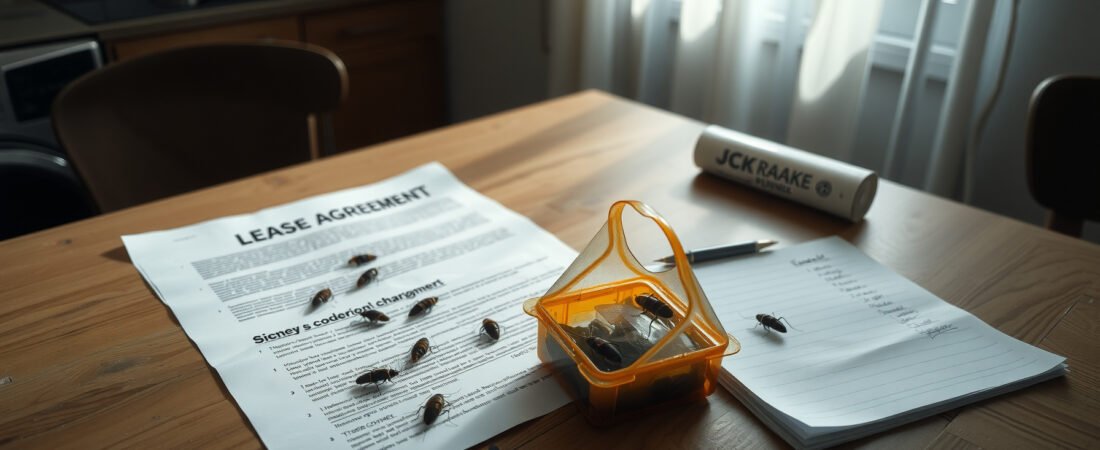
You can win in small claims court for a pest infestation — but winning and actually getting paid are two completely different things, and most renters never realize that until it’s too late. That gap between a favorable judgment and money in your pocket is where most pest-related cases quietly fall apart. This article is about that gap, and what you actually need to know before you file.
What Most Renters Get Wrong About Small Claims Court and Pest Infestations
The common assumption is that small claims court is a straightforward fix — you show up, describe the roaches, and the judge makes your landlord pay. That’s not how it works. Small claims court is a civil proceeding, which means you’re not punishing your landlord; you’re asking a judge to award you money damages for a specific harm that you can prove with evidence.
That distinction matters enormously. A judge can’t force your landlord to exterminate anything. They can only order monetary compensation — and even then, collecting that money often requires a separate enforcement process. Plenty of tenants win their case and then spend months chasing a landlord who simply ignores the judgment. Understanding this upfront changes how you prepare, what you document, and whether filing is even the right move for your situation.
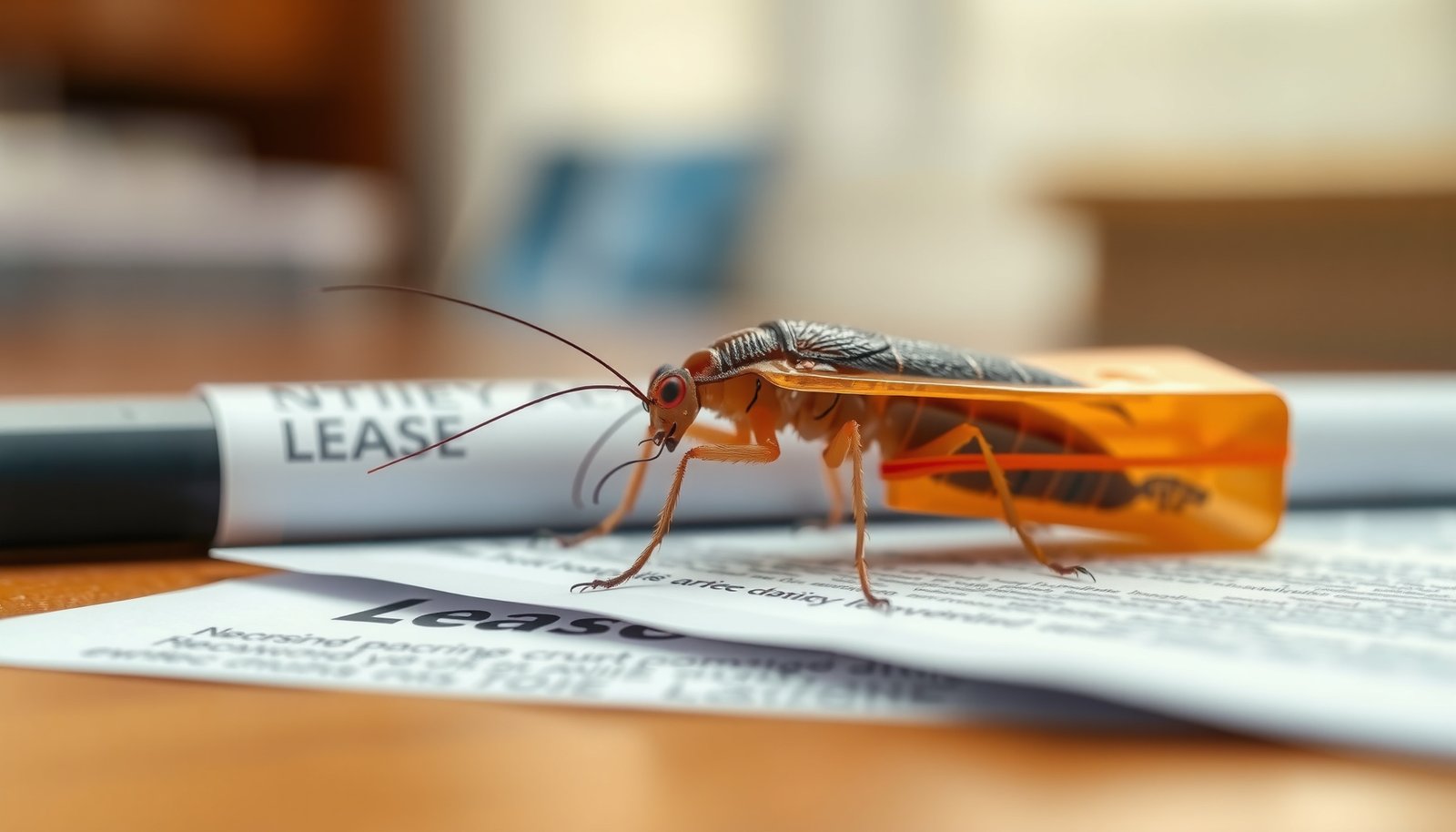
This image shows the kind of documentation — pest inspection reports, written landlord correspondence, and photographic evidence — that judges actually weigh in small claims pest cases, illustrating why paper trails matter more than courtroom persuasion.
What Damages Can You Actually Recover in a Pest Infestation Case?
This is where most tenants underestimate their claim — or, just as often, wildly overestimate it. Small claims court deals in documented, calculable losses. “I was miserable living with cockroaches for four months” is real suffering, but a judge needs a dollar amount tied to a verifiable harm. Emotional distress alone rarely wins monetary awards in small claims proceedings.
Here’s a breakdown of damage types that courts have historically recognized in pest infestation cases, and which ones tend to hold up:
| Type of Damage | Recoverable in Small Claims? | What You Need to Prove It |
|---|---|---|
| Rent paid during uninhabitable conditions | Yes — commonly awarded | Lease, payment records, inspection reports or photos |
| Cost of extermination you paid out-of-pocket | Yes — strong claim | Receipts, proof landlord refused to act |
| Destroyed personal property (bedding, furniture) | Yes — with documentation | Photos, purchase receipts, written disposal records |
| Medical bills from pest-related illness or bites | Sometimes — harder to prove causation | Doctor’s note explicitly linking condition to infestation |
| Emotional distress / pain and suffering | Rarely in small claims | Difficult without additional damages |
One counterintuitive fact that most pest articles skip entirely: in many states, you can claim a rent reduction even if you actually paid full rent — because courts can retroactively determine the rental value of an infested unit was lower than what you paid. That’s a meaningful avenue that tenants leave on the table constantly.
What Evidence Does a Judge Actually Need to Rule in Your Favor?
Picture this: a tenant shows up to court visibly upset, describes German cockroaches pouring out of cabinet hinges every night, and explains that the landlord ignored three text messages. The judge is sympathetic — and then asks for the written notice, the photos, the pest control report, and the lease clause. The tenant has none of it. Case dismissed, or award significantly reduced.
That scene plays out constantly, and it’s avoidable. Building a small claims case for pest infestation isn’t about drama — it’s about documentation stacked in a specific order that tells a clear cause-and-effect story. Here’s what that stack needs to include:
- Written notice to your landlord — Texts work, but dated emails or certified letters are stronger. Courts look for proof you notified the landlord before taking any action yourself.
- Photos and videos with timestamps — Document pest activity, damage to property, and the physical conditions (gaps in walls, water damage, etc.) that contributed to the infestation.
- A professional inspection report — A licensed pest control company’s written assessment carries far more weight than your own description. Even a $75 inspection can make or break your case.
- Your lease agreement — Specifically any clause addressing pest control responsibility. Understanding Pest Control for Renters: Who Is Responsible — Tenant or Landlord? before you file determines whether your landlord was even legally obligated to act.
- Health department or housing authority records — If you reported the infestation to a local agency and they issued a violation notice, that document is gold in small claims court. It’s third-party confirmation that conditions were substandard.
- Receipts for all out-of-pocket expenses — Extermination costs, replaced bedding, temporary lodging during treatment, bagging and laundering costs for bed bug prep. Every dollar needs a paper trail.
One honest nuance here: the strength of your case varies significantly depending on your state. Some states have explicit “implied warranty of habitability” statutes that make landlord liability almost presumed once a serious infestation is documented. Others put more burden on the tenant to prove negligence. Before you file, spend 20 minutes reading your state’s landlord-tenant statutes — most are available free online through your state legislature’s website.
When Is Filing Small Claims Court Actually Worth It for a Pest Problem?
Filing costs money, takes time, and carries real stress. The honest answer is that small claims court is worth it in some pest situations and a complete waste of effort in others. The pest type, infestation severity, your landlord’s behavior, and the dollar amount at stake all determine whether you’ll come out ahead.
These are the situations where filing tends to make sense:
- You paid for extermination yourself after the landlord refused — This is one of the cleanest cases in small claims. You have a receipt, a clear refusal (in writing), and a direct financial loss caused by the landlord’s inaction.
- You had to throw away significant property — Bed bug infestations, in particular, often require disposing of mattresses, furniture, and clothing. Receipts and photos make these losses calculable.
- You were forced to break your lease due to the infestation — If you have documented proof the infestation made the unit genuinely uninhabitable and you gave proper notice, you may be able to recover moving costs or a portion of pre-paid rent.
- The landlord withheld your security deposit citing pest damage that was pre-existing — This is a distinct category where small claims is specifically designed to resolve disputes efficiently.
- Your total documented losses exceed $500 — Below that threshold, the filing fees, time off work, and stress often make small claims a losing proposition even if you win.
Filing is probably not worth it if your only evidence is your word, if your landlord has no assets to collect from, or if the total damages are so minor that even a winning judgment won’t feel meaningful. A judgment is only as useful as your ability to enforce it — and if your landlord is broke or has relocated, enforcement can drag on for years.
“The tenants who succeed in pest-related small claims cases aren’t always the ones with the worst infestation — they’re the ones who documented everything from day one. A single professional inspection report showing active German cockroach activity, paired with written proof that the landlord was notified and failed to respond within a reasonable window, can be worth thousands of dollars in awarded damages. Without it, even a severe infestation can look like a ‘he said, she said’ dispute to a judge.”
Marcus Dell, Licensed Pest Management Professional and former housing code enforcement consultant, New Jersey
How to File and What to Expect on the Day of Your Hearing
Small claims limits vary by state — anywhere from $2,500 to $25,000 — so the first thing to confirm is whether your total damages fall within your state’s cap. Filing is done at your local courthouse’s civil division or, in many jurisdictions, online. Filing fees typically run between $30 and $100 depending on your claim amount, and you’ll need to formally “serve” your landlord with notice of the suit, which usually involves certified mail or a process server.
At the actual hearing, judges in small claims court move fast. You’ll typically have 5 to 10 minutes to present your case. Don’t spend that time venting about how awful the experience was — judges have heard it all. Lead with your lease, then your written notice to the landlord, then the inspection report or photos, then your receipts. Close with the specific dollar amount you’re requesting and how you calculated it. Bring three copies of every document: one for the judge, one for your landlord, one for yourself.
Pro-Tip: Call your local small claims court clerk before filing and ask specifically whether pest infestation cases fall under habitability or property damage claims in your jurisdiction. That one phone call can tell you exactly which forms to use, whether you need a specific type of evidence, and what the typical timeline to hearing looks like — usually 30 to 70 days from filing.
After the hearing, if you win, your landlord has a set period (usually 30 days) to pay voluntarily. If they don’t, you can pursue enforcement through wage garnishment, bank levies, or property liens depending on your state’s options. This is the stage most tenants don’t anticipate — and it’s worth knowing about before you file, not after. If your landlord is a large property management company with real assets, enforcement is usually manageable. If it’s an individual landlord with unclear finances, collection can be genuinely difficult.
One thing worth noting before you get to court: proactive prevention is always cheaper than litigation. If you’re currently dealing with early pest activity and wondering whether to address it yourself or push the landlord first, having a baseline understanding of products that work — like the options covered in this guide to Best Pest Control Sprays for Perimeter Defense — can help you decide whether the problem is one you can manage while building your legal record, or something serious enough that you document it as the landlord’s responsibility immediately.
Small claims court for a pest infestation isn’t a last resort or a long shot — for the right case, with the right documentation, it’s one of the most accessible legal tools a renter has. The tenants who regret filing are almost always the ones who went in unprepared. The ones who walk out with a judgment are the ones who treated documentation like a second job from the moment the infestation appeared. Start building that record on day one, and the courtroom part almost takes care of itself.
Frequently Asked Questions
how much can you sue for in small claims court for a pest infestation?
Small claims court limits vary by state, but most fall between $5,000 and $10,000. Some states like California allow up to $12,500 for individuals, while others like Kentucky cap it at just $2,500. Add up your actual losses — hotel stays, exterminator bills, damaged furniture — before deciding if small claims is the right venue or if you need a higher court.
can a renter sue a landlord in small claims court for bed bugs?
Yes, renters can sue a landlord in small claims court for bed bugs if the landlord knew about the problem and failed to fix it within a reasonable time. You’ll need to show the infestation made the unit uninhabitable, which ties into the implied warranty of habitability that exists in most states. Document everything — photos, written complaints, exterminator reports — before you file.
what evidence do you need to win a pest infestation small claims case?
You’ll want dated photos or videos of the infestation, written notices you sent your landlord, any professional pest inspection reports, and receipts for costs you paid out of pocket. Text messages and emails are especially useful because they’re timestamped and hard to dispute. The stronger your paper trail, the less the judge has to take your word for it.
who is responsible for pest control in a rental — landlord or tenant?
In most states, landlords are responsible for pest control when an infestation exists at move-in or results from building-related conditions like cracks or plumbing leaks. Tenants can be held responsible if the infestation is traced to their own unsanitary habits. Check your state’s landlord-tenant law and your lease — some leases try to shift pest control costs to tenants, but courts don’t always enforce those clauses.
is small claims court worth it for a pest infestation claim?
It’s worth it if your documented losses are at least a few hundred dollars and you have solid evidence the other party is liable. Filing fees are usually between $30 and $100, and you don’t need a lawyer, which keeps costs low. If your landlord ignored written complaints and you’ve got receipts, your chances are reasonable — but if it’s your word against theirs with no documentation, you’ll likely lose.
Disclaimer: This article is for general informational purposes only and does not constitute legal advice. Landlord-tenant laws and pest-related disclosure or habitability requirements vary significantly by state and even by city, and they change over time. Before withholding rent, breaking a lease, or taking other legal action over a pest infestation, consult a licensed attorney or your local tenant rights organization familiar with the laws in your area.