
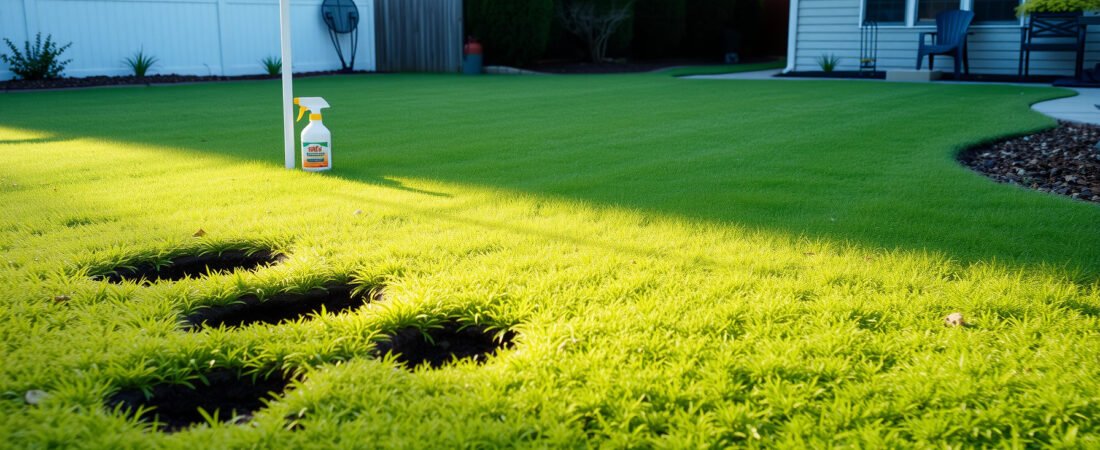
Mole and vole repellents work — but not in the way most people expect, and not on the pest most people think they’re buying for. That disconnect is why so many homeowners spend $40 on a castor oil spray, treat the lawn, and watch new tunnels appear the very next morning. The repellent didn’t fail. They used a mole product on a vole problem, or vice versa. Getting this distinction right before you buy anything is worth more than any single product on the market.
Are You Actually Dealing With Moles or Voles? (This Changes Everything)
Moles are insectivores — they eat earthworms and grubs, not your plants. Voles are rodents that chew roots, bulbs, and bark, often killing perennials and small shrubs from below ground where you can’t see the damage happening. If your tulip bulbs are disappearing or your hostas are collapsing at the stem, that’s voles. If you have raised ridges snaking across your lawn but your plants are fine, that’s almost certainly moles.
Picture this: a homeowner in suburban Ohio spends an entire spring applying castor oil-based mole repellent across her garden beds, convinced she’s solving the problem. The bulbs keep vanishing anyway. A neighbor eventually points out the pencil-sized entry holes near the mulch — classic vole sign. She was fighting the wrong animal the entire time. This is the single most common and costly mistake in this category of pest control, and almost no product label makes it obvious enough.
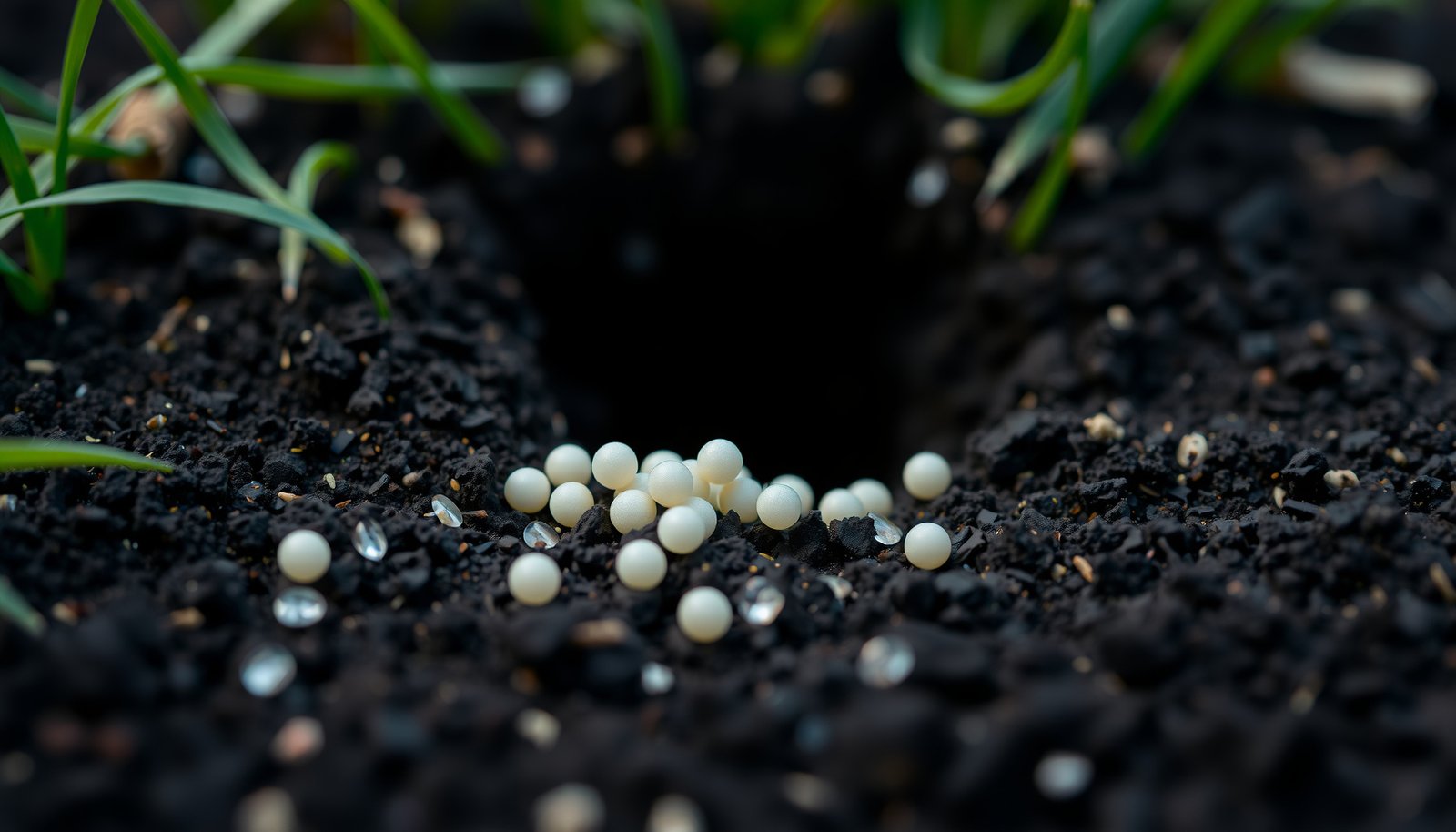
This close-up comparison of mole tunnel ridges versus vole surface runways shows exactly what to look for before purchasing any repellent — the wrong ID means wasted money and continued damage.
How Do Mole and Vole Repellents Actually Work?
Most repellents in this category operate through one of two mechanisms: sensory irritation or taste aversion. Castor oil — the active ingredient in the vast majority of mole repellents — works by coating soil and earthworms with a compound that makes the mole’s digestive system uncomfortable after feeding. It doesn’t kill moles. It makes your yard an unpleasant dining experience, and over 7 to 14 days of consistent application, the mole is supposed to relocate to better foraging ground. The key phrase there is “consistent application.”
Vole repellents, by contrast, tend to rely on capsaicin (hot pepper), putrescent egg solids, or predator urine — all of which target the vole’s threat-detection instincts rather than digestion. Voles have a home range of roughly ¼ acre and establish regular runway systems through grass and mulch. A repellent applied along those runways disrupts the familiar scent signature, making the path feel unsafe. The mechanism sounds simple, but rain, soil type, and mulch depth all affect how well any of these products hold up in real conditions.
Which Mole and Vole Repellents Are Actually Worth Buying?
The repellent market in this category is overcrowded with products that make identical claims. Here’s how the most commonly purchased options actually break down by pest type, active ingredient, and realistic performance:
| Product Type | Target Pest | Active Ingredient | Realistic Effectiveness |
|---|---|---|---|
| Castor oil granules (e.g., Mole Scram, Repellex) | Moles | Castor oil (10–15%) | Moderate — works best on sandy/loamy soil, less effective on clay |
| Castor oil liquid concentrate (e.g., Liquid Fence Mole) | Moles | Castor oil (22–28%) | Good — faster soil penetration, requires reapplication every 30 days or after 1 inch of rain |
| Putrescent egg + capsaicin spray (e.g., Plantskydd, I Must Garden) | Voles | Dried blood, capsaicin, garlic | Good for above-ground plant protection; less effective in underground runs |
| Predator urine granules (coyote, fox) | Voles (marginally moles) | Predator scent compounds | Variable — degrades quickly outdoors, may need reapplication every 7–10 days |
One honest nuance here: if you’re dealing with a heavy infestation — multiple active tunnel systems or visible vole runways across more than 500 square feet — repellents alone are rarely sufficient. In that situation, repellents work best as a perimeter tool to prevent reinfestation after trapping has knocked the population down. Don’t expect a $25 spray to solve a problem that’s been building for two seasons.
Pro-Tip: Apply castor oil-based mole repellents immediately after a rainfall, or water your lawn first. Dry soil repels liquid repellents from penetrating deeply enough to reach the mole’s foraging zone — typically 6 to 12 inches below the surface. Wet soil lets the oil move down where it actually needs to go.
What Application Mistakes Kill Your Results Before They Start?
Buying the right product and applying it wrong is almost as bad as buying the wrong product entirely. The most common mistake with mole repellents is treating only the visible tunnel ridges. Moles don’t use those surface ridges as permanent highways — those are feeding tunnels, often abandoned within 48 hours. The deeper main runs, usually 6 to 10 inches down, are where the mole actually travels and where the repellent needs to penetrate to have any effect.
With vole repellents, the failure mode is different. Voles are neophobic — they’re suspicious of new things in familiar territory — but they adapt fast. A repellent applied in the same spots repeatedly can lose its deterrent effect within a few weeks as the voles learn it’s not actually a threat. Rotating products or varying application zones helps prevent this habituation. Here’s a step-by-step application sequence that gives either type of repellent the best chance of working:
- Identify active areas first. Press down raised mole ridges with your foot. Check which ones re-emerge within 24 hours — those are live tunnels worth treating.
- Clear the area of debris. Thick thatch, heavy mulch, or dense groundcover prevents liquid repellents from reaching soil. Rake back at least 2 inches before applying.
- Apply in a perimeter pattern, not just on damage spots. Treat the border of your lawn or garden first, then work inward. This pushes the animal out rather than trapping it in the treated zone.
- Water in granular products immediately. Granules do nothing sitting on dry soil — they need moisture to activate and release the active compound into the ground.
- Reapply on schedule, not just when you see new damage. Most products require reapplication every 30 days, or within 48 hours of a heavy rain exceeding 1 inch. Letting coverage lapse creates an opening animals will find.
- Expand treatment if activity shifts. Repellents work by displacing the animal, not eliminating it. If tunneling moves to the edge of your treated zone, expand coverage immediately or the animal simply relocates 10 feet and continues.
Are There Natural or Plant-Based Repellents That Actually Hold Up?
There’s a persistent belief in gardening circles that planting daffodils, castor bean plants, or gopher spurge creates a natural barrier that keeps moles and voles out of nearby beds. The evidence for this is mostly anecdotal, but it’s not entirely without logic — voles do avoid daffodil bulbs because they’re toxic, and some studies suggest allium plants (onions, garlic, ornamental alliums) are genuinely avoided by voles when other food sources are available. The problem is that voles, especially in winter when food is scarce, will route around unpalatable plants rather than be stopped by them. A hungry vole with 3 to 5 pups to feed isn’t deterred by a daffodil.
Commercially available plant-based repellents tend to perform better than folk remedies, mainly because they deliver a concentrated dose of irritating compounds rather than a dilute natural source. Products using essential oil blends — particularly those with castor oil, peppermint, and garlic oil — have shown reasonable short-term efficacy in university extension trials, though none outperform well-applied castor oil concentrate for moles specifically. Just like with best squirrel repellents for attic and garden, plant-based options are real tools but work best as part of a layered strategy rather than a standalone fix. Here’s what plant-based approaches actually bring to the table:
- Castor oil (commercial-grade liquid concentrate): Most evidence-backed option for moles; disrupts foraging without harming earthworm populations long-term
- Capsaicin-based sprays: Best for voles targeting above-ground plant material — bark, stems, bulb tops emerging in spring
- Garlic oil granules: Short-lived but effective as a supplemental deterrent along vole runway edges; degrades in 5 to 7 days
- Peppermint oil-soaked materials (cotton balls, mesh sachets): Useful in enclosed garden beds or raised beds with contained soil — essentially useless in open lawn situations due to rapid volatilization
- Planted deterrents (daffodils, alliums, fritillaria): Legitimate supplemental tactic for voles in garden beds — not effective for moles and not a substitute for active repellent treatment
“The biggest misunderstanding I see with repellent use is the expectation that one application solves the problem permanently. Moles and voles don’t read the label. They respond to sensory cues, and when those cues fade — which they do — the animal returns. Repellents are a pressure tool, not an eradication tool. For homeowners with persistent pressure, I always recommend combining repellents with habitat modification: reduce thatch, manage grub populations for moles, eliminate dense groundcover that voles use for shelter. That combination changes your yard from an attractive target to a low-value site.”
Dr. Karen Elsworth, Wildlife Extension Specialist, Cooperative Extension Program, University of Wisconsin
That last point about habitat modification is worth lingering on. Grub populations under your lawn are essentially a food supply that actively draws moles onto your property. A mole can consume earthworms and grubs equal to roughly 70 to 100% of its body weight daily. Treating your soil with a grub killer (milky spore or synthetic grub control) removes the food incentive at the source — something no surface repellent can replicate. Similarly, dense ivy, ornamental grasses, and thick mulch layers above 3 inches create ideal vole habitat. Cleaning these up reduces the population pressure that makes repellents necessary in the first place. One useful corollary from a completely different pest category: the same principle of removing attractants before applying repellents applies whether you’re dealing with burrowing mammals or something like whiteflies on houseplants — the environment matters as much as the product.
There’s also a counterintuitive fact that almost no repellent review covers: voles can produce 5 to 10 litters per year, with each litter averaging 3 to 6 pups, and young voles reach reproductive maturity in as little as 3 weeks. That means a population can triple within a single season even while you’re actively applying repellents. If you start a repellent program in late summer and your yard still shows activity by fall, it’s not necessarily that the product failed — the population may have expanded faster than the repellent could displace it. This is why starting repellent applications in early spring, before breeding season accelerates, gives you a meaningful population advantage.
Repellents are genuinely useful, but they’re the middle chapter of a mole and vole management story — not the whole book. Use them to protect actively threatened areas, apply them correctly and on schedule, and pair them with at least one habitat or food-source modification to reduce what’s drawing these animals in. That combination won’t make your lawn invincible, but it will make it a lot less interesting to a mole that has an easier option 40 feet away.
Frequently Asked Questions
what is the best mole and vole repellent that actually works?
Castor oil-based repellents are the most consistently effective option for both moles and voles — products like Tomcat Mole & Gopher Repellent and Repellex are popular picks among homeowners. They work by making the soil and plants smell and taste unpleasant to these pests without harming them or your lawn. For best results, you’ll need to reapply every 30 days or after heavy rain.
how do I know if I have moles or voles in my yard?
Moles leave raised, winding tunnels just under the surface of your lawn and cone-shaped dirt mounds — they’re after earthworms and grubs, not your plants. Voles create shallow runways at ground level through grass and gnaw on plant roots, bulbs, and the bark of young trees. If you’re seeing chewed stems or dead patches of grass near surface trails, voles are the more likely culprit.
are mole and vole repellents safe for pets and kids?
Most castor oil-based repellents are considered safe for pets and children once they’ve dried or been watered into the soil, but you should keep kids and pets off the treated area until it’s fully absorbed — usually a few hours. Always check the product label for specific safety warnings, since some granular formulas include additional ingredients that may irritate skin or paws. Avoid applying near vegetable gardens unless the label explicitly says it’s food-safe.
how often do you need to apply mole repellent to keep them away?
Most liquid and granular mole and vole repellents need to be reapplied every 30 to 60 days during active pest season, which typically runs from early spring through late fall. Rain and irrigation can wash away the active ingredients faster, so after any rainfall over an inch you’ll likely need to retreat the area. Consistent reapplication is key — skipping treatments is usually why people think repellents don’t work.
do ultrasonic mole repellers actually work?
The evidence on ultrasonic mole repellers is pretty weak — most independent tests show they have little to no lasting effect on moles or voles. Moles may move away from the vibrations temporarily, but they tend to return once they get used to the noise. You’re much better off with a proven castor oil repellent or combining repellents with traps for serious infestations.