
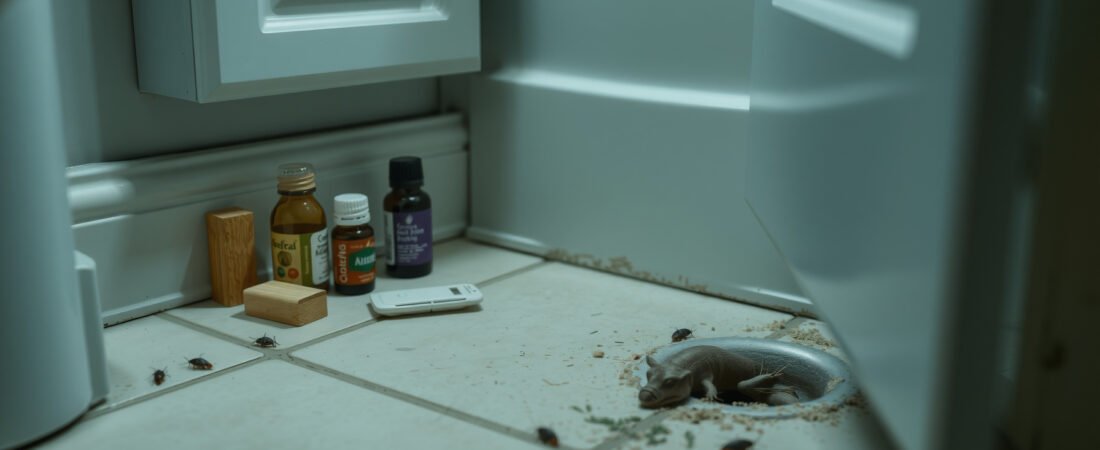
Silverfish repellents mostly don’t repel silverfish — they just make you feel like you’re doing something. Cedar blocks, lavender sachets, and peppermint oil get recommended constantly online, and they share one thing in common: they’re not going to solve a real infestation. The core problem isn’t that homeowners are using the wrong repellent. It’s that silverfish keep showing up because the conditions that sustain them — high humidity, starchy materials, and undisturbed hiding spots — never get addressed. Repellents are the last piece of the puzzle, not the first.
That said, some repellents and traps genuinely work as part of a layered approach. Cedar has real antifungal and deterrent properties that affect silverfish behavior under specific conditions. Sticky traps do catch them and tell you where pressure is highest. A handful of essential oils disrupt their chemosensory system enough to redirect their movement. The trick is knowing what each tool actually does — and what it doesn’t — so you’re not wasting money on products that only work in a lab or a wishful Amazon review.
Why Most Silverfish Repellents Fail Before You Even Open the Box
Silverfish (Lepisma saccharina) are thigmotactic insects, meaning they instinctively press their bodies against tight surfaces — behind baseboards, inside wall voids, underneath cardboard boxes in a damp basement. That behavior is a direct problem for repellents: if a silverfish is tucked into a crack 2 inches deep, a cedar block sitting on the shelf 3 feet away isn’t reaching it. Scent-based deterrents only work when the insect is actively foraging in the open, which is mostly happening between midnight and 4am in areas you’re not monitoring.
The humidity factor is equally underestimated. Silverfish need relative humidity above 75% to thrive, and many of the spaces they occupy — crawlspaces, bathroom wall voids, attic insulation — are consistently that wet. You can place cinnamon sticks and clove sachets all over a bathroom cabinet, but if there’s a slow pipe drip behind the wall keeping that micro-environment at 80% RH, you’re not changing the equation. Addressing moisture first isn’t a cliché; it’s the only way repellents have any leverage at all.
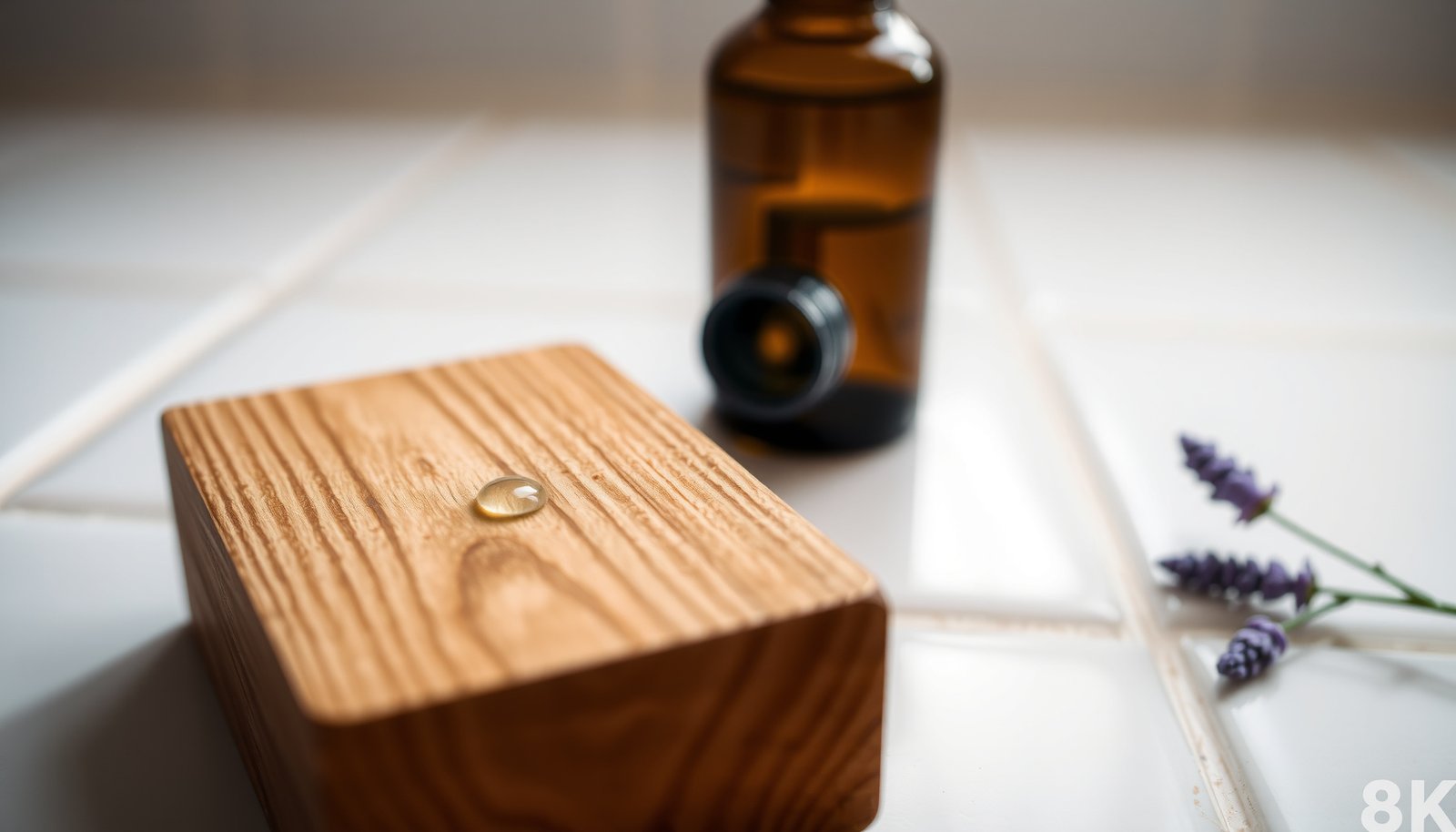
This close-up shows how different repellent formats — cedar blocks, sticky traps, and essential oil-based sprays — compare in size and placement context, which matters enormously for understanding where each one actually reaches a silverfish versus where it just sits.
Which Silverfish Traps Actually Catch Anything?
Sticky traps are the most honest tool in the silverfish-control toolkit, because they don’t pretend to repel anything — they just catch whatever walks over them. The design matters more than most people think. Silverfish are flat-bodied and fast, covering up to 1 inch per second on smooth surfaces, so traps with textured inner surfaces or glue boards inside a small enclosed cardboard housing outperform flat open-glue sheets. The enclosed style mimics the tight crevices silverfish prefer, luring them in rather than hoping they stumble across an exposed sticky surface in the middle of a room.
Placement is more important than brand. Put traps along baseboards adjacent to bathrooms, laundry rooms, and bookshelves — not in the center of rooms. If you’re catching 5 or more silverfish per trap per week, that’s a meaningful infestation, not a nuisance. Use that catch rate to map where pressure is highest before you spend money on sprays or cedar. Silverfish populations build slowly — a female lays only 2 to 20 eggs at a time, but she can live 3 to 6 years, meaning a modest population left unchecked compounds over a long time.
Pro-Tip: Replace sticky traps every 4–6 weeks regardless of how full they look. Dust and debris coat the glue surface faster than captured insects do, and a trap that looks half-empty may have lost 80% of its catching power.
Does Cedar Actually Repel Silverfish or Is That a Myth?
Cedar is one of those pest-control remedies that lands somewhere between folk remedy and legitimate science. The active compound in Eastern red cedar (Juniperus virginiana) — cedrol — has documented insecticidal and repellent properties against several stored-product insects. Studies on clothes moths and fabric pests show measurable deterrence. For silverfish specifically, the effect is real but conditional: fresh cedar with a strong volatile cedrol output can disrupt foraging behavior, but the effect fades as the wood dries out, typically within 4 to 8 weeks without re-sanding or re-oiling the surface.
Cedar chest or closet lining works better than loose cedar balls for a simple reason — surface area. A lined closet exposes far more wood surface to the air than a handful of small chips in a drawer. That said, even well-maintained cedar lining won’t stop an active silverfish infestation because silverfish travel through wall voids and come up through gaps in flooring — not by casually browsing your closet shelves. Cedar is a reasonable preventive layer in low-infestation situations, particularly for protecting books, paper goods, and fabric storage. It’s not a treatment.
| Cedar Format | Effective Duration | Best Use Case | Maintenance Needed |
|---|---|---|---|
| Cedar chest lining | 2–3 months per sanding | Fabric and paper storage areas | Sand lightly every 8 weeks |
| Cedar blocks or balls | 4–6 weeks | Small enclosed drawers | Sand or replace monthly |
| Cedar oil spray | 1–2 weeks per application | Crack and crevice spot treatment | Reapply every 10–14 days |
| Cedar mulch (exterior) | Seasonal | Entry point deterrence outside | Refresh each season |
Which Essential Oils Affect Silverfish Behavior (and Why)
Which Essential Oils Affect Silverfish Behavior (and Why)
Not all essential oils marketed as pest repellents have any credible mechanism against silverfish. A few do. The ones worth knowing about work by interfering with the insect’s olfactory receptors — basically overwhelming the chemical signals silverfish use to locate food sources (starches, cellulose, glue in book bindings) and identify safe harborage spots. Cinnamon oil contains cinnamaldehyde, which has documented toxicity to soft-bodied insects at sufficient concentrations. Clove oil contains eugenol, which affects the nervous system of many arthropods. Both are more than pleasant smells — they’re biologically active compounds.
The application method almost always determines whether these oils do anything useful. Dropping lavender oil on a cotton ball and leaving it in a corner doesn’t produce sufficient vapor concentration to affect an insect that’s hiding behind your drywall. A diluted spray applied directly into cracks, along baseboards, and around plumbing entry points — refreshed every 10 to 14 days — is a different scenario entirely. Even then, essential oils function as deterrents that redirect silverfish movement, not as knockdown agents. Think of them as a fence, not a wall.
“Homeowners consistently overestimate what scent-based repellents can do in the absence of structural corrections. Silverfish populations are maintained by humidity and harborage, not by the absence of cedar or peppermint. If you use essential oils without reducing moisture and sealing entry points, you’re managing the symptom while the root cause stays fully intact.”
Dr. Renee Albrecht, Entomologist and Urban Pest Management Specialist, Cooperative Extension Service
How to Layer Repellents Into a Real Silverfish Control Strategy
Picture this: a homeowner in a Pacific Northwest rental has been placing cedar blocks in every closet for two years. She’s still finding silverfish in her bathroom cabinet, in the spines of paperback books on her bedroom shelf, and occasionally in her kitchen near the recycling bin. The cedar isn’t failing because cedar doesn’t work — it’s failing because she’s using a preventive tool as though it were a treatment. No trap to measure population. No dehumidifier. No caulk along the baseboards where the old plumbing pipes enter. The silverfish have an uninterrupted supply chain that cedar oil vapor can’t interrupt from three shelves away.
A layered approach that actually moves the needle looks like this — sequenced intentionally, not applied all at once and hoped for:
- Deploy sticky traps first — spend 1 to 2 weeks mapping where silverfish are most active before treating anything. Traps placed at floor level along baseboards in bathrooms, laundry areas, and bookshelves give you real data.
- Reduce humidity in hotspot zones — run a dehumidifier in basements and crawlspaces to bring relative humidity below 60%. This alone disrupts the living conditions silverfish require to remain active and reproduce.
- Seal physical entry points — caulk gaps around pipes, baseboards, and plumbing access panels. Silverfish move through wall voids and can enter from shared walls in apartments or from crawlspaces below. Similar to how earwigs exploit gap entry points around exterior doors and foundations, silverfish use the same structural vulnerabilities to move indoors.
- Apply cedar or essential oil sprays to active zones — not as room fresheners, but directly into cracks, along plumbing runs, and around the edges of storage areas. Reapply every 10 to 14 days.
- Add cedar lining or blocks in storage areas — now that you’ve addressed moisture and entry, cedar becomes a useful maintenance layer for protecting books, papers, and fabric-based items from casual foraging.
- Switch to boric acid powder in wall voids and under appliances if population pressure remains high — this is the bridge between DIY repellent strategy and actual chemical treatment, and it works by damaging the silverfish’s exoskeleton and digestive tract on contact.
One honest nuance worth calling out: the right level of intervention depends heavily on your housing type and climate. A homeowner in a dry inland climate with a newer, well-sealed house may genuinely control silverfish with cedar and trap management alone. Someone in an older coastal home with wood-frame construction, aging plumbing, and shared walls is dealing with a structurally different problem — one where repellents are useful but insufficient without professional exclusion work. The same products behave differently depending on what they’re up against.
Here’s what the main repellent categories bring to the table, summarized honestly:
- Sticky traps: Best diagnostic tool available, gives real population data, catches actively foraging silverfish at night
- Cedar blocks and lining: Genuine preventive deterrent when maintained, loses effectiveness quickly without upkeep, not a treatment
- Essential oil sprays (cinnamon, clove, cedarwood): Directionally useful as crack-and-crevice deterrents, short residual, must be reapplied frequently
- Diatomaceous earth: Crosses from repellent into treatment territory — physically damages silverfish exoskeleton, effective in dry wall voids and under appliances, loses effectiveness when wet
- Ultrasonic devices: No credible peer-reviewed evidence of effectiveness against silverfish specifically — skip these
One counterintuitive insight that rarely makes it into silverfish articles: the areas where you’re not finding silverfish are often just as informative as the areas where you are. Silverfish avoid light and vibration, which is why you’re more likely to find them in a rarely-opened storage closet than in a frequently-used kitchen drawer. If you start finding them in unusual places — like inside electrical panels or near HVAC equipment — that usually indicates the population has grown large enough that competition for harborage is pushing individuals into less-preferred spaces. At that point, repellent-only strategies won’t cut it, and something like a targeted insecticide dust similar to what’s used in carpenter bee void treatments — as outlined in this guide on best carpenter bee traps and dust products — becomes the more realistic next step.
The takeaway isn’t that cedar and essential oils are useless. They’re genuinely useful tools — just not the ones most people think they are. Used as a maintenance layer after you’ve reduced humidity and cut off entry points, they extend the results of real structural work. Used as a substitute for it, they keep silverfish comfortable and your frustration level high. Start with the traps, map the problem, fix the conditions, then let repellents do what they’re actually built to do.
Frequently Asked Questions
what is the best silverfish repellent for home use?
Cedar is one of the most reliable silverfish repellents you can use at home — cedar blocks, sachets, or cedar-lined storage chests work well in closets, bookshelves, and drawers. Essential oils like lavender, peppermint, and clove also repel silverfish when applied along baseboards or soaked into cotton balls placed near entry points. For active infestations, combine these natural options with sticky glue traps to monitor and reduce the population at the same time.
do silverfish traps actually work?
Yes, silverfish traps do work, but they’re better for monitoring and reducing numbers than eliminating a full infestation on their own. Sticky glue traps and bait traps like Dekko Silverfish Paks use boric acid to kill silverfish that feed on them. Place traps along walls, behind appliances, and in closets since silverfish hug edges when they move — that placement makes a big difference in how many you catch.
does cedar repel silverfish?
Cedar repels silverfish because it contains natural oils that these insects find irritating. The catch is that cedar loses its potency over time — usually within 6 to 12 months — so you’ll need to sand cedar blocks lightly or replace them regularly to keep the scent strong enough to be effective. It works best as a preventive measure in enclosed spaces like closets and storage bins, not as a solution for an existing infestation.
what essential oils keep silverfish away?
Peppermint, lavender, clove, and cinnamon essential oils are the most commonly used options for repelling silverfish. Mix about 10 to 15 drops of your chosen oil with water in a spray bottle and apply it along baseboards, in closet corners, and around bathroom pipes. Reapply every 1 to 2 weeks since the scent fades, especially in humid areas where silverfish are most active.
what humidity level do silverfish need to survive?
Silverfish thrive in humidity levels between 75% and 95%, which is why you’ll almost always find them in bathrooms, basements, and laundry rooms. Keeping indoor humidity below 50% makes your home significantly less hospitable to them — a dehumidifier in damp areas is one of the most effective long-term prevention strategies. Pair that with silverfish repellents and you cut off both their shelter and their comfort zone at the same time.