
Foggers don’t work on roaches — and using one in your apartment might actually make your infestation worse. That’s not a caveat buried in fine print; it’s something entomologists have documented repeatedly. Cockroaches scatter when they detect the fog, retreating deeper into wall voids, behind appliances, and into neighboring units. When the aerosol settles, they come right back out. So if you’ve been holding off on bombing your place because it seems like a hassle, your instincts are right — and the alternatives aren’t just safer for an apartment environment, they’re genuinely more effective at eliminating the colony rather than just displacing it.
Why Roach Foggers Fail in Apartments (And What’s Actually Happening)
The core problem with foggers is physics. The aerosol particles they release are too large and too light to penetrate into the cracks, voids, and harborage zones where cockroaches actually live. German cockroaches — the species responsible for the vast majority of apartment infestations — spend roughly 75% of their lives hiding in gaps less than 3mm wide. A fog cloud that disperses through open air never reaches them. What it does reach is your countertops, your dishes, your HVAC intake, and your pets’ lungs.
There’s a secondary problem that almost nobody talks about: roach foggers can trigger behavioral changes that spread an infestation horizontally through a building. A 2018 study published in the journal Pest Management Science found that insecticidal aerosols caused cockroaches to relocate rather than die, with populations recovering to pre-treatment levels within two weeks. In an apartment building where your walls are shared, “relocating” often means your neighbor suddenly has a roach problem they didn’t have before — and eventually those roaches find their way back to you.
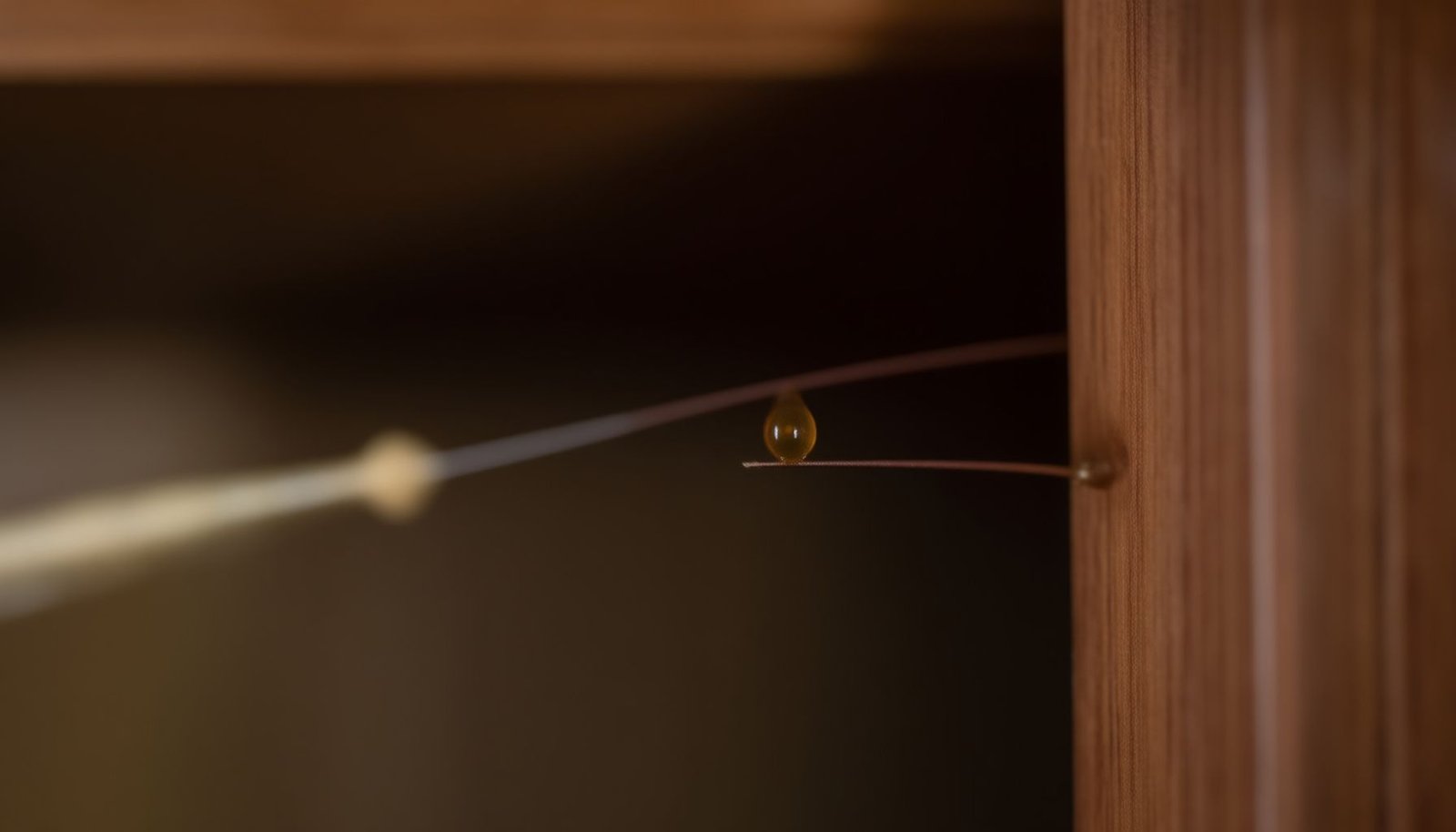
This close-up illustrates how gel bait and targeted crack-and-crevice applications reach the exact harborage zones that foggers miss — the narrow gaps behind outlet covers, under cabinet lips, and along plumbing penetrations where roach populations actually concentrate.
What Are the Best Roach Fogger Alternatives for Apartments?
The products that consistently outperform foggers in apartment settings share one trait: they deliver active ingredient directly into harborage zones, either through bait ingestion or through a physical barrier that roaches must cross. There’s no single “best” option in isolation — the most effective apartment treatments combine two or three methods that attack the population at different life stages and through different mechanisms.
Here are the four roach fogger alternatives that actually move the needle in an apartment environment:
- Gel bait (indoxacarb or fipronil): Placed in pea-sized dots inside cabinet hinges, under the refrigerator, behind the stove, and along the back wall of lower cabinets. Roaches feed on it, return to the colony, and die — spreading secondary kill through cannibalism and contact with contaminated feces. Advion (indoxacarb) and Vendetta Plus (abamectin + IGR) are the two professional-grade options available to homeowners without a license.
- Insect Growth Regulator (IGR) spray: Products containing hydroprene or pyriproxyfen don’t kill adult roaches — they prevent juveniles from reaching reproductive maturity. A female German cockroach produces 30–40 eggs per capsule and can carry four to six capsules in her lifetime, so breaking the reproductive cycle is non-negotiable in a heavy infestation. Gentrol Point Source or Gentrol IGR concentrate are the go-to options.
- Boric acid powder: Applied as a thin, barely visible dust along the back of lower cabinet shelves, inside wall voids via outlet plates, and behind the dishwasher. Boric acid works through physical abrasion and ingestion — roaches walk through it, groom themselves, and ingest a lethal dose. It remains effective indefinitely as long as it stays dry, which makes it ideal for apartment walls and void spaces. The key is thin application — a visible white layer is too heavy and roaches will walk around it.
- Diatomaceous earth (food-grade): Best used in areas where moisture makes boric acid less reliable — under the refrigerator drip pan, inside wall voids near plumbing, and around the base of the water heater. DE damages the waxy outer cuticle of the roach’s exoskeleton, causing death by dehydration within 24–48 hours of contact. It won’t evaporate or break down chemically, making it a long-term residual option for hard-to-reach spots.
- Sticky monitoring traps: Not just for tracking — placed in every corner of the kitchen and bathroom, these tell you exactly where the population is concentrated, so you’re applying bait and dust where roaches actually travel rather than guessing. Check them every 48 hours for the first two weeks and move them to wherever catch rates are highest.
How to Apply These Alternatives Without Violating Your Lease
Picture this: you’ve just placed gel bait in six spots under your kitchen cabinets, and your landlord sends a maintenance worker the next day to “treat” the unit with a fogger. Everything you just applied gets contaminated by the repellent compounds in the aerosol, and the bait becomes ineffective because roaches detect the pyrethroids and won’t approach it. This isn’t a hypothetical — it happens regularly in multi-unit buildings where management applies blanket treatments without coordinating with tenants.
Before you apply anything yourself, notify your landlord in writing that you’re using gel bait and IGR products, and ask them to avoid aerosol or fogger treatments in your unit for at least 90 days. Most leases allow tenants to use over-the-counter pest control products, but spraying pyrethroids near food prep surfaces or applying anything to shared wall voids could put you in a gray area. Gel bait, boric acid in enclosed spaces, and sticky traps are the three methods least likely to cause any lease friction — they’re also the three most effective for a moderate apartment infestation. If you’re dealing with ants alongside the roach problem, the same principle applies — targeted baiting outperforms broadcast sprays, which is exactly why the approach for getting rid of ants on kitchen counters relies on bait placement rather than surface sprays.
“The biggest mistake I see apartment dwellers make is reaching for a fogger because it feels like doing something decisive. In reality, a fogger in an apartment building is one of the least decisive actions you can take — it signals the population to scatter without delivering a lethal dose to more than a fraction of the colony. A gel bait rotation combined with an IGR breaks both the adult population and the reproductive cycle simultaneously, and it does it without emptying the apartment for four hours or contaminating every food surface.”
Dr. Michael Rust, Ph.D., Urban Entomologist, University of California Riverside, Department of Entomology
Which Products Work Best Together — and Which Cancel Each Other Out
This is the part most pest control content glosses over entirely: some of these alternatives actively interfere with each other when applied in the same space. Pyrethroid sprays — including most store-brand roach sprays — are repellent to cockroaches, which means they’ll make roaches avoid any area where the spray was applied, including areas where you’ve placed gel bait. Using a contact spray and a bait in the same zone is one of the most common reasons DIY roach treatments stall out after initial results.
Here’s how to think about compatibility in an apartment-sized space:
| Product Combination | Compatible? | Why It Matters |
|---|---|---|
| Gel bait + IGR spray | ✅ Yes | IGR doesn’t repel roaches; bait remains attractive |
| Gel bait + boric acid dust | ✅ Yes | Different application zones; no interference |
| Gel bait + pyrethroid spray | ❌ No | Pyrethroids repel roaches away from bait placement areas |
| Boric acid + diatomaceous earth | ✅ Yes | Use in different zones based on moisture levels |
Pro-Tip: If you’ve previously used a pyrethroid spray in your kitchen and are now switching to gel bait, clean the treated surfaces thoroughly with a damp cloth and let the area air out for at least 72 hours before placing bait. Residual repellent compounds can persist on cabinet surfaces for weeks and will suppress bait uptake even after the spray has dried.
Does Severity Change Which Alternative You Should Use First?
Honestly, yes — and this is where a blanket recommendation falls short. A light infestation (you’re seeing one or two roaches per week, mostly at night) responds well to gel bait alone, placed at 6–8 spots in the kitchen and 2–3 in the bathroom. You should see a measurable reduction within 7–10 days. A moderate infestation (multiple roaches per night, egg cases visible behind the refrigerator or under the sink) needs gel bait plus an IGR applied to cracks and crevices, because you’re now dealing with an active breeding population that will replace casualties faster than the bait can eliminate them.
A heavy infestation in a multi-unit building — the kind where roaches are visible during daylight hours, which indicates severe overcrowding in their harborage zones — is a situation where DIY alternatives alone may not be sufficient. German cockroach colonies can exceed 10,000 individuals in a heavily infested apartment, and at that scale, even perfectly applied gel bait can’t achieve full elimination without treating the shared wall voids that connect your unit to adjacent ones. If you’re also finding unexplained debris in kitchen drawers and suspect a secondary pest problem alongside roaches, the same attention to harborage zones that applies to roach treatment also applies to addressing mice in kitchen drawers and cabinets — different pest, same principle of targeting the spaces they actually use.
Here’s what a realistic alternative treatment looks like by infestation level:
- Light (1–5 roaches/week): Gel bait in 8–10 spots, sticky monitors to track activity, check and refresh bait every 2 weeks
- Moderate (multiple nightly): Gel bait + IGR spray in cracks/crevices + boric acid dust in wall voids via outlet plates
- Heavy (daytime sightings, egg cases): All of the above, plus written request to management for coordinated building-wide gel bait treatment in shared spaces
- Recurring (treated before, came back): Evaluate whether shared wall voids and plumbing chases are the reintroduction point — seal gaps around pipes with caulk or copper mesh before re-treating
- Post-treatment monitoring: Keep sticky traps active for 90 days after the last roach sighting — German cockroach egg cases can remain viable for 28–35 days, and a newly hatched cohort arriving 6 weeks after treatment looks like a reinfestation but is actually the original population completing its life cycle
The counterintuitive thing about roach treatment in apartments is that success looks slow. Gel bait takes 3–5 days to produce first kills, and the population declines gradually over 4–6 weeks rather than crashing overnight the way a fogger appears to (before the roaches return). That gradual decline is actually evidence that the bait is working — it means roaches are eating it in the harborage zone, dying there, and the remaining population is consuming the dead, spreading secondary kill through the colony. A fogger that produces dozens of dead roaches on your floor the same night might feel more effective, but the ones that mattered — the ones deep in the wall, the breeding females — were never touched.
The strongest position you can be in after treating your apartment is one where roach populations drop steadily, don’t rebound after two weeks, and your sticky monitor catch rates are approaching zero by week six. Get there with targeted bait and IGR, keep the repellent sprays out of the equation, and you’ve done what a fogger never could.
Frequently Asked Questions
are roach foggers safe to use in apartments?
Roach foggers aren’t a great fit for apartments because the pesticide mist can seep into neighboring units through shared walls, vents, and electrical outlets. Many apartment leases and local housing codes actually prohibit tenants from using foggers without landlord approval. If you set one off without warning neighbors, you could trigger a legal or lease violation issue.
what kills roaches in apartments without bombing?
Gel bait like Advion or Combat Max is one of the most effective roach fogger alternatives for apartments — roaches eat it, go back to the nest, and die there, which creates a chain-kill effect. Boric acid powder applied in thin layers along baseboards and under appliances also works well over 1–2 weeks. Combining gel bait with an IGR (insect growth regulator) spray stops roaches from reproducing, which breaks the infestation cycle faster.
how long does it take for gel bait to get rid of roaches?
Most people start seeing a noticeable drop in roach activity within 3–5 days of applying gel bait correctly. Full control of a moderate infestation typically takes 2–4 weeks, depending on how many roaches are present and how consistently the bait is replaced. You’ll want to replace dried-out bait every 3 months or sooner if roaches are consuming it quickly.
can I use roach spray in an apartment without telling my landlord?
For most over-the-counter sprays like Raid or Bengal Gold, you don’t legally need landlord approval, but it’s worth checking your lease since some specifically restrict pesticide use. If you’re in a multi-unit building, you should also be cautious about spraying near shared HVAC vents. That said, sprays alone rarely solve an infestation — they kill on contact but don’t reach roaches hiding deep in walls or under appliances.
do roach motels actually work or are they a waste of money?
Roach motels — the sticky trap style — are more useful for monitoring an infestation than eliminating one. They’ll catch individual roaches that wander into them, but they won’t make a dent if you’ve got dozens or hundreds hiding behind walls and under cabinets. Use them to figure out where roach activity is heaviest, then target those spots with gel bait or boric acid for actual control.