
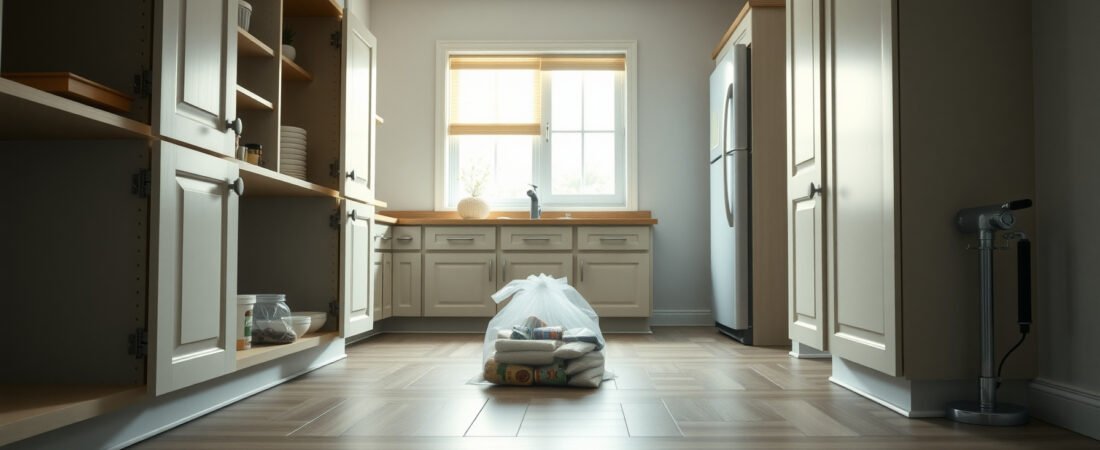
Half the reason professional pest treatments fail isn’t the chemicals — it’s what homeowners do (or don’t do) in the 24 hours before the technician shows up. Preparation is treated like a checklist you skim on the morning of the appointment, but the steps you skip are exactly what keeps pests alive after a $300 service call. This article focuses on that gap: not the obvious stuff every pest control company hands you in a pamphlet, but the preparation mistakes that quietly undermine an otherwise solid treatment.
Why Most Pre-Treatment Prep Advice Misses the Point Entirely
The standard prep sheet from most pest control companies says: put away pet food, cover the fish tank, vacuum the floors. That’s fine. But it skips the deeper reason preparation matters at all — pesticide formulations are engineered to interact with specific surfaces and harborage points, and anything that blocks or dilutes that contact reduces efficacy dramatically. You’re not just tidying up for a stranger’s visit. You’re literally optimizing the chemical environment the treatment needs to work in.
Here’s the part almost no prep guide explains: cleaning too aggressively right before treatment can actually backfire. Scrubbing baseboards with a strong detergent removes the greasy residue that cockroaches and ants use as chemical trails — trails the technician’s bait stations are specifically designed to intercept. A surface that’s too clean gives bait products nowhere to anchor their attractants. The goal is targeted decluttering, not a deep clean.
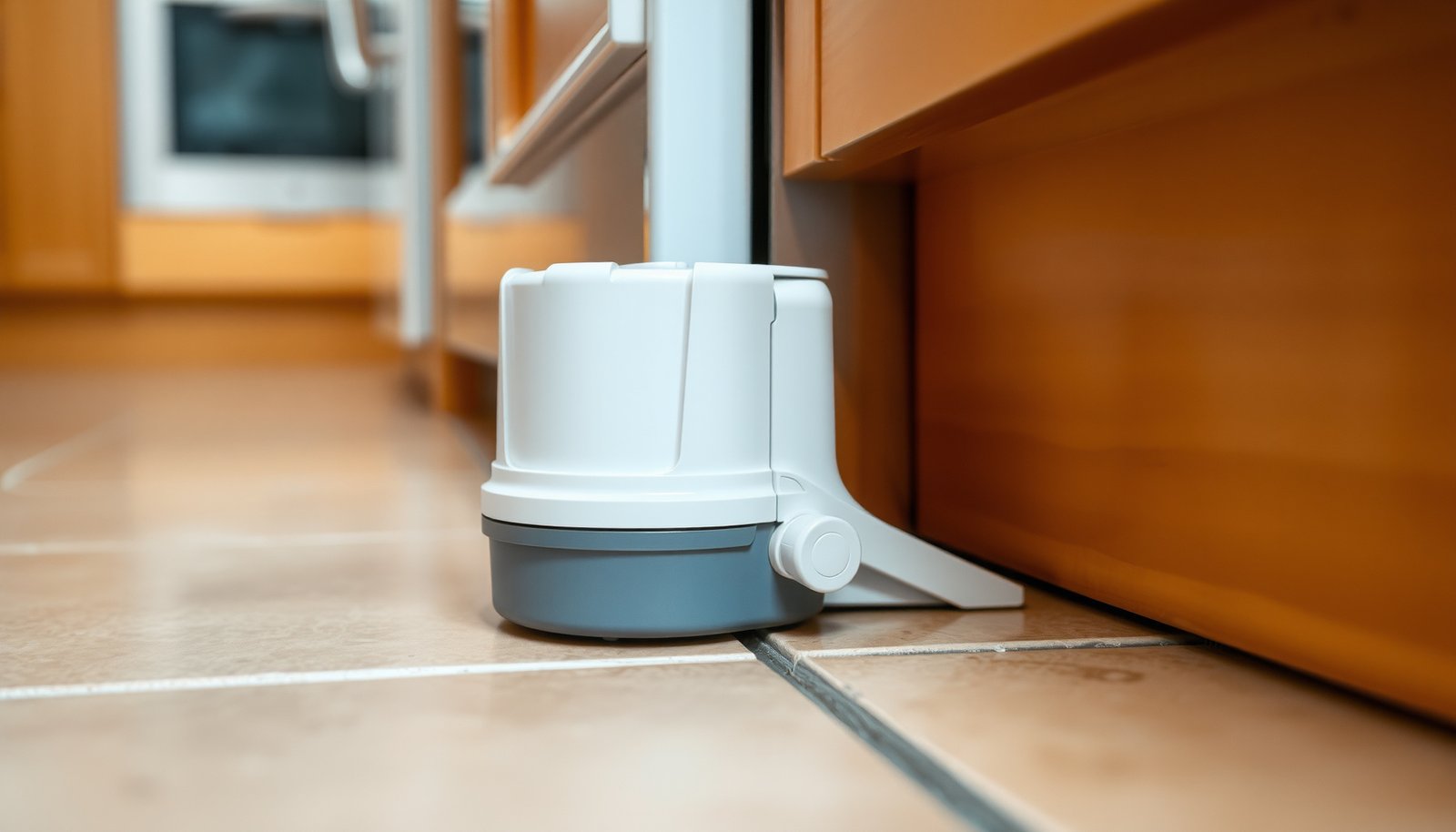
This close-up shows how pest technicians assess harborage zones along wall voids and cabinet bases — exactly the areas your preparation either opens up or accidentally seals off before treatment begins.
What Do You Actually Need to Move, and What Should You Leave Alone?
Picture this: a technician arrives to treat a moderate cockroach infestation in a kitchen, pulls out the stove, and finds it completely inaccessible because the homeowner shoved boxes of pots and pans behind it the night before to “get them out of the way.” The technician can only treat what they can reach — and cockroaches survive in exactly the spaces that got blocked. Moving things without strategy is just relocating the problem.
The rule of thumb is spatial access, not aesthetic neatness. Technicians need 18–24 inches of clear working space along baseboards, inside cabinets, and around large appliances. Pull the refrigerator and stove 2–3 feet from the wall. Empty the cabinet under the kitchen sink completely — that’s one of the highest-traffic zones for cockroaches and ants because of moisture. Don’t reorganize closets unless your treatment specifically targets them. Leave clothing piles, boxes, and stored goods where they are unless the technician tells you otherwise — disrupting those areas prematurely can scatter insects before treatment reaches them.
Which Items Absolutely Must Be Removed Before Treatment Begins?
Certain items require removal not just for safety, but because their presence can chemically interfere with the treatment or create post-treatment contamination risks. This is where the prep conversation gets specific — and where most homeowners make assumptions that cost them. “The exterminator handles the chemicals” doesn’t mean your job is passive.
Here’s what needs to come out before any interior spray, gel, or dust treatment:
- Food items not in sealed hard containers — Cardboard boxes, paper bags, and open pantry goods must be bagged or moved to a sealed cooler. Pesticide particles can penetrate soft packaging within hours of application.
- Pet food, water bowls, and pet bedding — Pyrethroids, which are the active ingredient in most indoor sprays, are highly toxic to cats and fish even at low concentrations. Remove these and keep them out until the technician clears re-entry — typically 2–4 hours for sprays, longer for foggers.
- Aquariums and reptile tanks — The pump pulls air from the room continuously. Cover the tank tightly with plastic wrap and turn off the air pump before the technician arrives. Turn it back on only after the area has been ventilated.
- Medications, supplements, and baby items — These should be sealed in a bag and taken out of the home entirely, not just placed in another room. Chemical drift during treatment is real, especially in smaller spaces.
- Children’s toys on the floor — Contact surfaces at ground level receive the highest residual chemical concentration. Toys should be bagged and washed before returning them to use.
Pro-Tip: Ask your technician specifically which active ingredients will be used and look up their EPA safety data sheet (SDS) before your appointment. Knowing whether you’re getting a pyrethroid, an insect growth regulator, or a boric acid dust tells you exactly how cautious you need to be with re-entry and surface cleaning — and it’s information you’re entitled to request.
Does the Type of Pest Change How You Should Prepare?
Yes — significantly. A cockroach treatment and a bed bug treatment require almost opposite preparation approaches, and lumping them together is a mistake that sends homeowners down the wrong path. The pest dictates the treatment method, and the treatment method dictates what you move, what you wash, and what you absolutely leave untouched.
| Pest Type | Key Prep Difference | Common Mistake to Avoid |
|---|---|---|
| Cockroaches (gel bait treatment) | Do NOT deep clean kitchen surfaces before treatment — bait relies on existing grease trails | Scrubbing cabinets and baseboards with bleach the night before |
| Bed Bugs (heat or chemical treatment) | Wash and bag all bedding, clothing, and soft goods; declutter bedroom floors completely | Moving mattresses or furniture to other rooms, which spreads the infestation |
| Ants (bait station treatment) | Remove competing food sources but don’t spray surfaces — bait needs to be the only food option | Applying DIY sprays within 72 hours of professional treatment, which repels ants away from bait |
For treatments targeting fabric-dwelling pests — moths being one of the less obvious examples — the prep is almost entirely about textiles and stored goods. If you’ve been dealing with a clothes moth infestation targeting larvae, adults, and eggs, your technician may need access to closets, drawers, and any area where natural fiber garments are stored, which means those spaces need to be emptied and accessible before they arrive.
What Should You Do Outside the Home Before an Exterior Treatment?
Exterior preparation gets almost no attention in standard pre-treatment guides, which is strange given that outdoor perimeter treatments account for a large portion of general pest control services. Technicians spraying foundation perimeters, eaves, and entry points need unobstructed access to those surfaces — and they’re often blocked by things homeowners never think about.
Before an exterior treatment, here’s what needs to happen:
- Move outdoor furniture, potted plants, and decorations at least 3 feet from the foundation so the technician can apply a continuous barrier without gaps
- Trim back vegetation that’s touching the siding or foundation — overgrown shrubs create a chemical shadow where spray can’t penetrate and pests use them as a highway straight into the structure
- Move children’s outdoor toys, sandboxes, and pet items to an area that won’t be treated, and keep them covered or stored until the exterior has dried (usually 1–2 hours, weather depending)
- Turn off outdoor water features and irrigation systems scheduled for that day — water dilutes residual exterior sprays within minutes of application and drastically shortens their effective window
- Clear debris piles, wood stacks, and leaf accumulation near the foundation — these are harborage zones where pests overwinter and breed, and treating the foundation while leaving these in place is like patching one hole in a screen while leaving five others open
It’s worth noting that exterior treatment efficacy can vary significantly based on climate. In humid southeastern states, exterior sprays often need reapplication every 60–90 days because rainfall and humidity break down pyrethroid residuals faster than in dry western climates where a single treatment might hold for 4–6 months. Your technician should account for this in their service plan — if they don’t mention it, ask directly.
“The number one factor that determines whether a professional treatment works is access — not the product, not the application method. I’ve seen top-tier treatments fail completely because a technician couldn’t get a gel bait applicator into the back corner of a cabinet or couldn’t spray a continuous perimeter because patio furniture was in the way. Homeowners think preparation is a formality. It’s actually 40% of the treatment.”
Dr. Marcus Fein, Board-Certified Entomologist and NPMA-Certified Pest Management Professional
How Long Before the Appointment Should You Start Preparing?
Most people start prep the morning of their appointment. That’s too late for anything beyond the basics. Real preparation — the kind that actually improves treatment outcomes — starts 48–72 hours out. Not because you need that long to move furniture, but because some steps require time to take effect or require coordination with other people in the household.
72 hours before: Stop using any DIY sprays, foggers, or aerosol insecticides. Residual repellent chemicals from consumer products can scatter insects away from treatment zones and make bait-based treatments nearly useless — some pyrethroid-based DIY sprays leave repellent residues for up to 5 days. This is the counterintuitive move most people miss: spraying before the exterminator comes doesn’t help, it actively competes with professional-grade bait products that depend on insects moving freely through treated areas. 24 hours before: Identify and communicate with your technician about any specific problem areas you’ve observed — entry points, trails, droppings, or new activity. A good technician will adjust their product mix and application points based on your observations, but only if you’ve documented and shared that information before they arrive. If you’ve noticed pest activity in areas outside your main infestation zone — say, occasional mosquito pressure around your yard and patio alongside your interior pest problem — mention it during the pre-treatment call so the technician can plan a complete service.
The preparation window also matters for logistics. Arrange for children, elderly family members, and pets to be out of the home for at least 4 hours post-treatment for standard spray services — and plan for 24–48 hours out if you’re receiving a fumigation or whole-home heat treatment. Don’t assume you can re-enter early just because the smell has dissipated. Odor and toxicity are not the same thing, and some residuals are odorless.
One honest caveat worth naming: preparation alone can’t compensate for a severe, long-established infestation or structural issues like significant moisture damage or multiple unsealed entry points. A female German cockroach produces 30–40 eggs per capsule and can generate thousands of offspring in a few months — at that population density, prep improves treatment but the infestation may still require 2–3 follow-up visits regardless of how well you prepared. Set realistic expectations going into the appointment, and ask your technician upfront how many treatments the severity of your infestation typically requires.
Preparation is the one part of professional pest control you have complete control over. The technician controls the chemistry; you control the environment it works in. Get that part right, and you’ve already stacked the odds significantly in your favor — not just for this treatment, but for keeping pests from re-establishing once the residuals start to fade.
Frequently Asked Questions
How long do you have to leave your house after a pest treatment?
Most professional pest treatments require you to stay out of your home for 2 to 4 hours after the service is complete. If you have infants, pregnant women, or pets in the household, your technician may recommend waiting closer to 4 hours to be safe. Always follow the specific re-entry time your pest control company gives you, since it can vary based on the chemicals used.
What do you need to move before an exterminator comes?
You’ll want to move small appliances, dishes, and food items away from countertops and out of cabinets in the kitchen, since these areas are usually treated first. Pull furniture at least 6 inches away from walls so the technician can spray baseboards and wall voids without obstacles. If you have fish tanks, cover them and turn off the air pump to prevent chemicals from getting into the water.
Do you have to wash everything after pest control?
You don’t need to wash every surface in your home, but you should wipe down countertops and any surfaces where food is prepared or eaten before using them again. Bedding and clothing that were directly exposed to the spray should be washed. For most general treatments, a quick wipe-down of kitchen surfaces and letting floors dry completely is enough.
Do pets have to leave the house for pest control?
Yes, pets need to be out of the house during the treatment and shouldn’t come back until the re-entry period is over, typically 2 to 4 hours. Birds and fish are especially sensitive to pesticide fumes, so their tanks and cages should be covered or removed from the treatment area entirely. Make sure pet food and water bowls are put away before the technician arrives.
How do I prepare my kitchen for a pest control treatment?
Empty your lower kitchen cabinets completely so the exterminator can treat inside them, since cockroaches and ants commonly nest in those areas. Store all food in sealed containers or put it in the refrigerator, and remove everything from your countertops. Don’t clean or mop your kitchen floors right after the treatment — most residual pesticides need 1 to 2 weeks to remain effective, and mopping too soon will wash away the product.
Disclaimer: This article is for informational purposes only. Pest control costs, timelines, and outcomes vary widely depending on the pest, the severity of the infestation, your location, and the company you hire. Always get multiple quotes and ask for a written inspection report before agreeing to a treatment plan.