
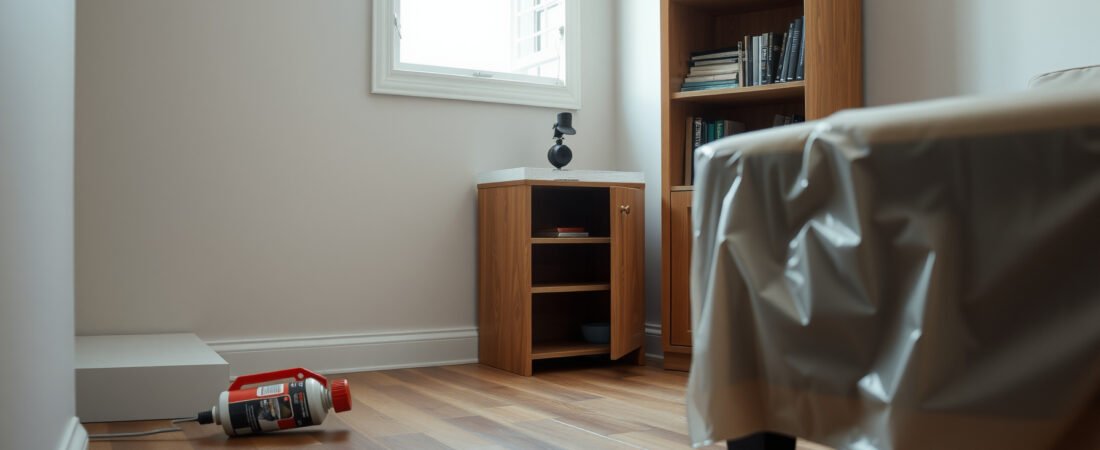
Pest control companies damage belongings more often than they admit — and most of the time, homeowners and renters quietly absorb the loss because they assume they have no real options. That assumption is wrong, and it costs people hundreds of dollars they’re legally entitled to recover. The real problem isn’t that damage happens; it’s that almost nobody knows what to do in the 48 hours after it does.
Here’s the angle that almost every article on this topic skips: your leverage isn’t just about whether the company has insurance. It’s about what you documented before the technician ever walked through your door. Without that, even a well-insured pest control company can deny your claim with zero consequences. This article is about closing that gap.
What Kind of Damage Do Pest Control Companies Actually Cause?
Most people picture a spilled bottle of spray or a broken knickknack. The reality is messier. Chemical staining on hardwood floors, upholstered furniture, and rugs is one of the most common complaints — and one of the hardest to prove after the fact because the discoloration sometimes appears hours or even days after treatment. Drill holes in walls or cabinetry from termite treatments, heat treatment equipment that warps vinyl flooring or melts plastic items left out, and fogging residue contaminating open pantry food are all documented, recurring issues.
The less obvious damage comes from access itself. A technician moving your furniture to treat baseboards, crawling through a cluttered attic, or pulling back insulation can crack shelving, scratch floors, and dislodge ductwork. That’s not negligence in a dramatic sense — it’s routine work done carelessly. But “careless” and “accidental” are legally different from “intentional,” and that distinction shapes exactly how your claim gets handled.
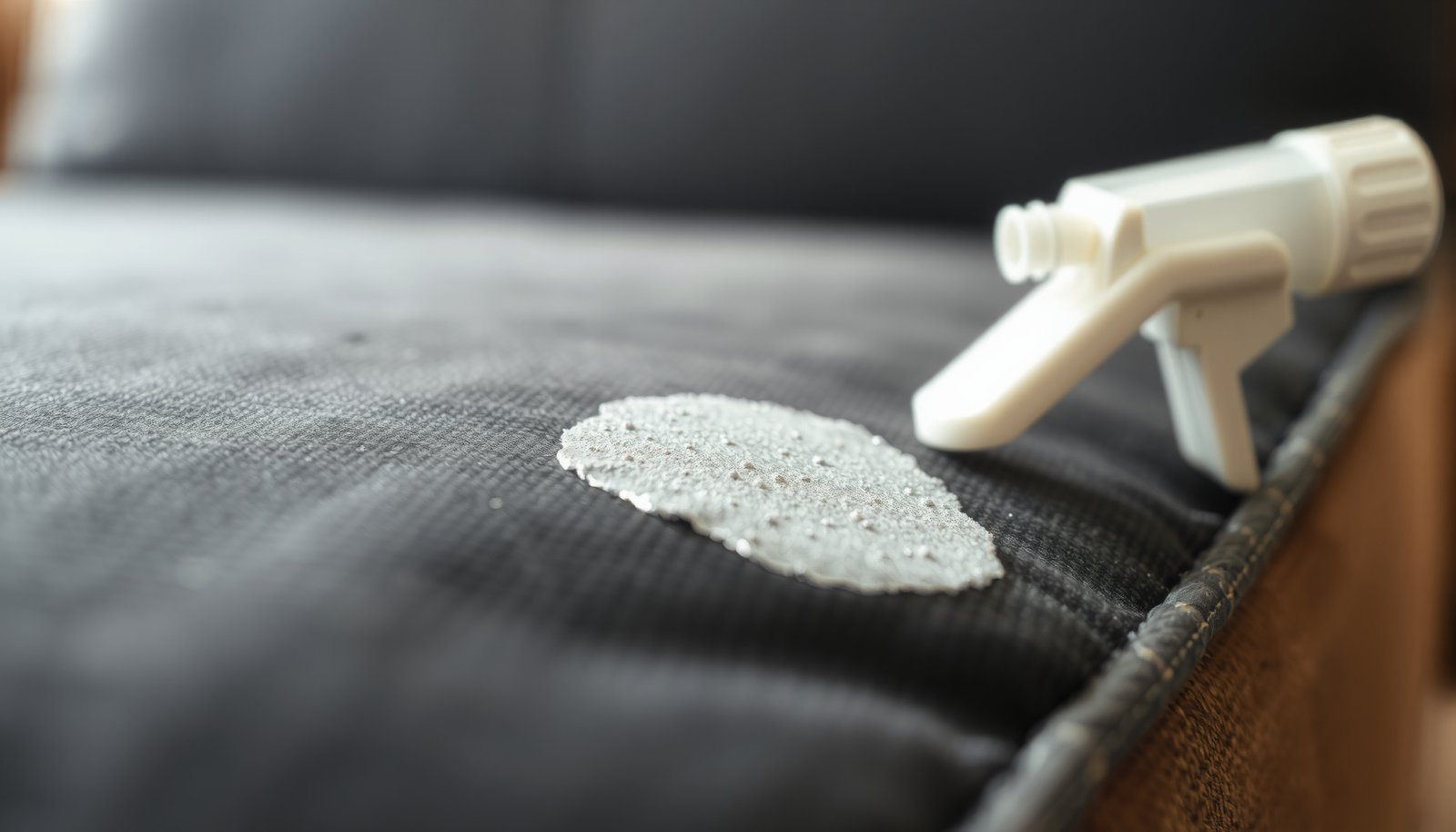
This close-up shows the type of chemical staining and surface residue that can be left behind after an indoor pest treatment — the kind of damage that’s easy to dismiss in the moment but expensive to remediate once it sets.
Does the Pest Control Company’s Insurance Actually Cover Your Stuff?
Almost every licensed pest control company is required to carry general liability insurance. In most states, that coverage kicks in at a minimum of $300,000 to $1,000,000 per occurrence. Sounds reassuring. But general liability insurance covers the company’s legal liability — meaning they have to agree (or be compelled to agree) that their technician caused the damage before the insurer pays out a dime. If the company disputes the cause, which is extremely common, the insurance doesn’t automatically step in on your behalf.
There’s also a clause that shows up in virtually every pest control service agreement that most customers never read: a limitation of liability provision. Many contracts cap the company’s financial responsibility at the cost of retreatment, not the cost of your damaged property. Picture this — a technician runs a heat treatment for bed bugs and a $1,200 laptop left in the bedroom warps and dies. The contract you signed might legally limit the company’s obligation to a free re-treatment worth $0 to you. This isn’t hypothetical; it’s one of the most common scenarios where homeowners lose claims they thought were solid.
Why Pre-Treatment Documentation Is the Only Thing That Actually Protects You
“I know it wasn’t scratched before” is not evidence. That’s the uncomfortable truth most damage articles don’t say plainly. Pest control companies field property damage complaints regularly, and their first question is always the same: can you prove the damage wasn’t pre-existing? Without photos or video taken before the treatment, you’re relying on your word against a company with a service record, a signed work order, and a lawyer on retainer.
The documentation protocol that actually holds up takes about 15 minutes before the technician starts. Walk every room with your phone camera rolling. Capture floors, baseboards, furniture legs, countertops, and any high-value items in the treatment zone. Email the video to yourself immediately — this creates a timestamped record independent of your phone’s internal clock. If the treatment involves drilling, heat, or fumigation, also photograph every item you’ve moved or prepped. That footage is the difference between a resolved claim and a letter from the company saying they can’t verify the damage occurred during service.
Pro-Tip: Before any pest control visit — especially for termites, bed bugs, or rodents — photograph your floors at knee height with flash. Low-angle lighting reveals scratches and scuffs that look invisible in normal light. If a technician later drags equipment across your hardwood, you’ll have an indisputable before-and-after comparison.
Here’s what to document in order of priority:
- Floor surfaces in every room being treated, especially hardwood, tile, and vinyl — these show drag marks and chemical staining most clearly.
- Furniture placement and condition, particularly legs, upholstery, and any fabric that chemicals could wick into.
- Electronics and appliances in the treatment zone — heat treatments can damage devices left within 5-10 feet of heat panels.
- Wall surfaces near access points the technician identified in the pre-inspection — drill damage happens exactly where they said they’d work.
- Any prep work you completed — bagged food, moved furniture, covered fish tanks — so you can prove you followed prep instructions if the company claims you didn’t.
How to File a Damage Claim and Actually Get Results
Speed matters more than most people realize. File your claim in writing within 24-48 hours of discovering the damage — not within 24-48 hours of the treatment itself, but within 24-48 hours of when you find it. Some chemical staining appears later; document the moment you notice it. Send your written complaint via email so there’s an automatic timestamp. Include your photos or video, a description of each damaged item, and a clear statement requesting that the company inspect the damage and respond with their resolution plan.
If the company brushes you off or disputes the cause, you have escalation paths most people don’t use. Every state has a pesticide regulatory agency (often within the Department of Agriculture) that licenses pest control operators. Filing a complaint with that agency creates an official record and often prompts faster company cooperation — pest control licenses can be suspended over unresolved damage complaints. Your state’s Attorney General consumer protection division is another lever, especially if the damage exceeds a few hundred dollars. Small claims court, which handles cases up to $10,000-$25,000 depending on the state, is genuinely accessible without an attorney.
“Homeowners underestimate how much a state licensing complaint changes the dynamic. A pest control company can ignore a customer email, but they can’t ignore a formal complaint to the agency that holds their operating license. That’s where I tell people to go if the company is stonewalling — file the regulatory complaint first, then follow up with the company. The response time changes dramatically.”
Marcus Delgado, NPMA-Certified Pest Management Professional and former pest control operator with 18 years of field experience
Here’s a clear breakdown of your claim options based on damage value:
| Damage Amount | Best First Step | Escalation if Ignored |
|---|---|---|
| Under $500 | Written claim to company with photos | State pesticide regulatory complaint |
| $500–$5,000 | Written claim + state regulatory complaint simultaneously | Small claims court (no attorney needed) |
| Over $5,000 | Consult a consumer protection attorney before contacting company | Civil lawsuit; attorney demand letter first |
What’s Different When You’re a Renter Instead of a Homeowner?
Renters face a layered problem that homeowners don’t: the pest control company was likely hired by your landlord, not by you. That means you probably have no direct contractual relationship with the exterminator and no leverage over their service agreement. The company’s liability, at least on paper, runs to whoever hired them. Practically speaking, that means your damage claim may need to go through your landlord first — and if the landlord disputes it or refuses to engage, you’re dealing with two parties instead of one.
Renter’s insurance changes this equation significantly. A standard renter’s policy covers personal property damage caused by a third party — including pest control operations — typically up to your policy’s personal property limit, minus your deductible. Your insurer then has the right to pursue the pest control company or the landlord through a process called subrogation. This is actually the most efficient path for renters: file with your renter’s insurer immediately, let them recover from the responsible party, and avoid the exhausting back-and-forth yourself. The honest nuance here is that this only works if you have renter’s insurance and the damage exceeds your deductible — for small losses under $250-$500, the claim may not be worth filing.
Renters should also know which damage types are most commonly disputed in these situations:
- Chemical odor or residue on clothing and bedding — almost never reimbursed without laboratory confirmation that the pest control product caused the damage
- Food disposal after fumigation — legitimate and commonly reimbursable, but requires receipts and proof of the fumigation prep instructions you were given
- Scratched or gouged flooring — disputable without pre-treatment photos; landlords sometimes claim the floors were already damaged
- Electronics damaged by heat treatment — well-supported in small claims court when you can show the device was in the treatment zone and worked before the service
- Pet illness after chemical exposure — vet records showing illness onset within 24-72 hours of treatment are critical; these claims are pursued through liability insurance
One thing renters often overlook: the signed prep instructions the pest control company gave before treatment are a two-way document. If those instructions say “remove all items from under the kitchen sink” and the technician then damages items stored there that you failed to move, your claim gets complicated fast. Follow the prep list to the letter, document that you followed it, and you’re in a much stronger position if anything goes wrong.
This is also worth keeping in mind if you’re dealing with a larger treatment like a termite inspection that leads to an aggressive treatment plan — it pays to read any work order carefully before signing. If you’re ever unsure whether a proposed treatment scope is legitimate, it’s worth reading through guidance on Should You Get a Second Opinion Before Paying for Termite Treatment? before committing to a company that may be overselling the job.
And if you’re a homeowner exploring termite options specifically, understanding what treatment actually requires — and what it doesn’t — is the best way to avoid consenting to invasive work that causes unnecessary property damage. Reviewing the options for Best Termite Bait Stations for DIY Homeowners can clarify whether a less disruptive approach is viable for your situation before a company drills into your foundation.
The thing most people don’t realize until it’s too late: pest control damage claims are won or lost before the treatment even starts. The 15 minutes you spend documenting your home before a technician touches anything is worth more than any post-damage negotiation. Companies that know you have timestamped evidence handle complaints very differently than companies that know you’re coming in empty-handed. Your leverage isn’t legal — it’s logistical. Use it before you need it.
Frequently Asked Questions
who is liable if pest control damages my belongings?
The pest control company is generally liable if their technician’s negligence caused the damage — things like spilling chemicals on furniture or breaking items during treatment. However, if you signed a service agreement waiving certain claims, your options may be limited. Always read the contract before signing, and document your home’s condition with photos before any treatment begins.
does homeowners insurance cover damage caused by pest control?
Standard homeowners insurance typically doesn’t cover damage caused by a pest control company — that’s considered the contractor’s liability, not yours. Your best bet is to file a claim directly with the pest control company’s general liability insurance, which reputable companies are required to carry. If they refuse, you can file a complaint with your state’s pesticide regulatory agency or small claims court.
what should I do immediately after pest control damages my property?
Take photos and videos of the damage right away before anything is moved or cleaned up — this is your most important evidence. Write down the technician’s name, the date, and exactly what happened, then notify the company in writing within 24 to 48 hours so there’s a paper trail. Don’t throw away or repair damaged items until the claim is resolved, since the company may want to inspect them.
can I sue a pest control company for damaging my stuff?
Yes, you can sue a pest control company if they damaged your belongings through negligence and won’t settle the claim fairly. For smaller losses under $10,000, small claims court is usually the fastest and cheapest route — no attorney required in most states. For larger damages, you’d want to consult a personal injury or property damage attorney, especially if the service agreement includes arbitration clauses.
what if pest control chemicals ruined my clothes or bedding?
If a technician sprayed chemicals directly on clothing, bedding, or soft furnishings without proper precautions, the company can be held responsible for replacement costs. Document everything with photos, keep any receipts or proof of value, and get a written estimate for replacement before contacting the company. Most reputable pest control companies will cover these costs out of pocket to avoid a formal liability claim, so escalate to a manager first before involving insurance or legal action.
Disclaimer: This article is for general informational purposes only and does not constitute legal advice. Landlord-tenant laws and pest-related disclosure or habitability requirements vary significantly by state and even by city, and they change over time. Before withholding rent, breaking a lease, or taking other legal action over a pest infestation, consult a licensed attorney or your local tenant rights organization familiar with the laws in your area.