
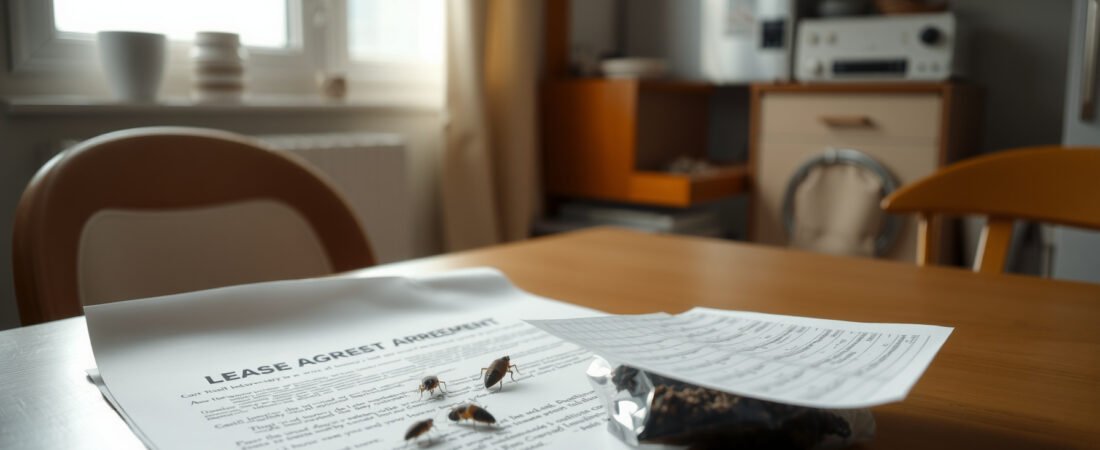
Forty-seven percent of housing code complaints filed by tenants get dismissed or stalled — not because the landlord was in the right, but because the tenant filed incorrectly. That’s the part nobody talks about. You can have roaches crawling across your countertop at noon and still lose a housing complaint if you don’t follow the exact sequence that your local authority requires. The real problem with reporting a landlord for pest neglect isn’t finding the courage to do it — it’s that most renters report too early, too vaguely, or to the wrong agency entirely, and then assume the system failed them when they actually just skipped a step.
This article is about that sequence. Specifically, the steps that most guides skip over — the ones that determine whether your complaint leads to an inspection and a violation notice, or gets filed in a drawer and forgotten. Filing a housing complaint is less about being right and more about being precise.
Why Most Pest Neglect Complaints Fail Before They’re Even Reviewed
Here’s the counterintuitive part: housing inspectors aren’t there to take your side. They’re there to evaluate whether a specific, documented violation of the housing code exists at the time of their visit. If you’ve already tried to handle the infestation yourself — set traps, sprayed store-bought pesticide, moved furniture to eliminate harborage — you may have actually weakened your own complaint. Pest activity that’s been partially suppressed is harder for an inspector to confirm on-site, and inspectors can only cite what they personally observe or what’s been systematically documented before they arrive.
The other reason complaints stall is that tenants often report to the wrong body first. Calling your city’s general hotline, emailing your property management company’s corporate office, or posting on a local Facebook group doesn’t create a legal record. Only written, dated communication sent directly to your landlord — followed by a formal complaint to the correct local agency — establishes the paper trail that inspectors and housing courts actually respond to. Skipping that written landlord notice step is the single most common reason complaints get dismissed.
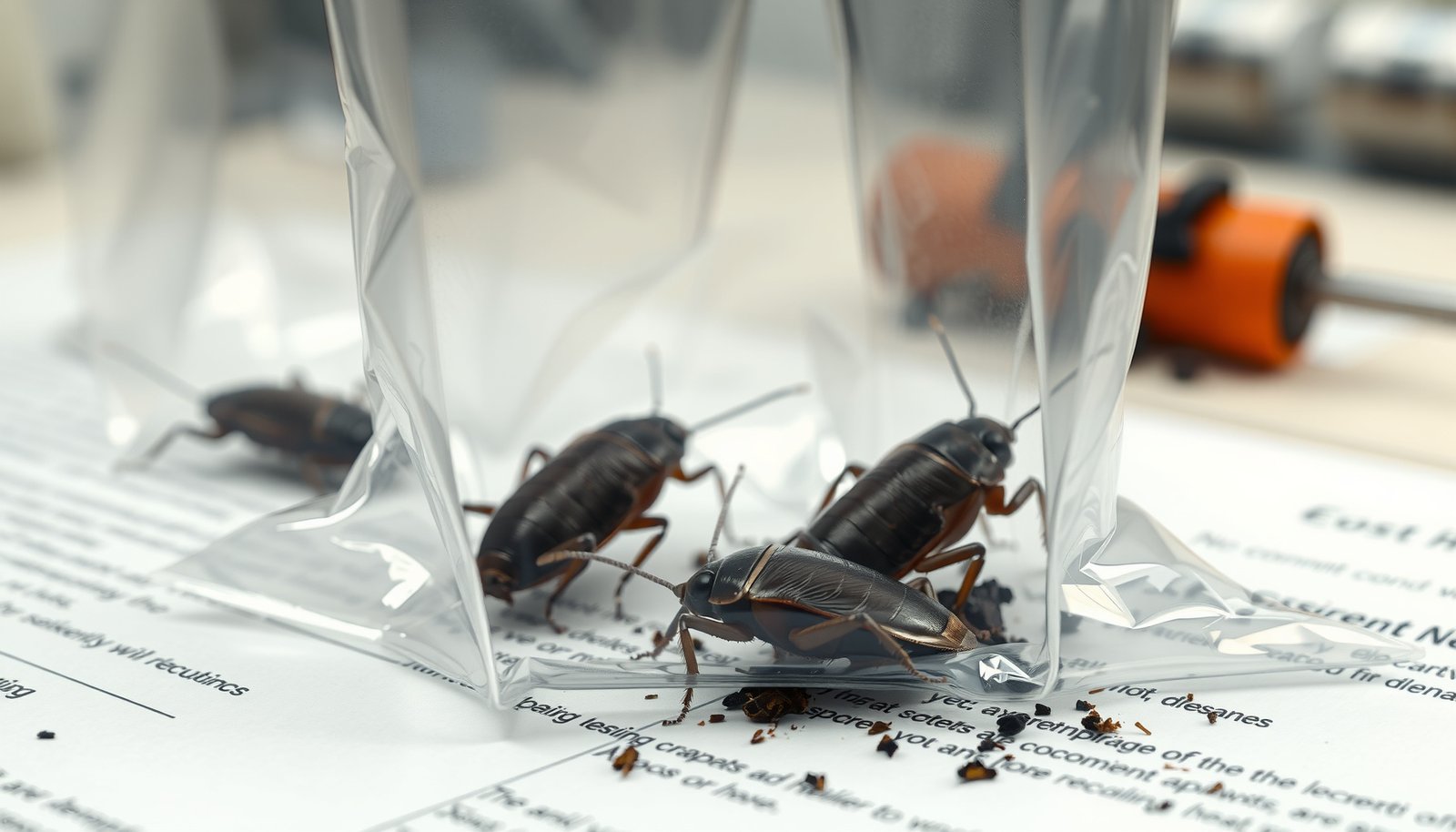
This image shows what a documented pest evidence photo should capture — visible droppings, structural gaps, or live activity in context — the kind of specific visual record that makes a housing inspector’s job straightforward and your complaint impossible to dismiss on procedural grounds.
What Counts as “Neglect” Under Housing Law — and What Doesn’t
Not every pest problem is legally your landlord’s problem to fix. This is where a lot of renters get tripped up, and honestly, it’s where the law gets genuinely complicated. In most U.S. states, landlords are required to maintain habitable conditions — which courts have consistently interpreted to include freedom from significant pest infestation. The key word is “significant.” A single mouse or a few ants near a gap in the door trim doesn’t typically meet the threshold that triggers a landlord’s mandatory repair obligation.
What does meet the threshold? Recurring cockroach infestations, evidence of active rodent harborage, bed bug activity that’s spread across multiple units, or structural conditions (like open wall voids or deteriorating window seals) that are actively inviting pest entry. Courts and housing inspectors look for evidence that the infestation is ongoing, that the landlord was notified and failed to act within a reasonable timeframe — typically defined as 7 to 30 days depending on the state — and that the conditions stem from the building itself rather than the tenant’s housekeeping. German cockroaches, for example, can produce 30–40 eggs per capsule and cycle through a new generation in about 60 days, so an infestation that’s clearly structural in origin will spread regardless of how clean the tenant keeps their unit.
The Exact Order of Steps That Actually Gets Results
The sequence matters more than most guides let on. Filing with a housing authority before giving your landlord written notice and a reasonable window to respond is a procedural error that inspectors notice immediately — and it can make you look like you’re escalating in bad faith, even when you’re not. Following the right order protects you legally and makes your complaint far more likely to result in an actual violation notice.
- Send written notice to your landlord first. This can be an email (save the thread) or a physical letter sent via certified mail with return receipt requested. Describe the pest problem specifically — species if you can identify them, locations, dates you first observed activity, and any photos or videos you’ve taken. This notice starts the clock on your landlord’s legal obligation to respond.
- Wait out the reasonable response window. Most states give landlords between 7 and 30 days to respond to habitability complaints, depending on severity. Rodent infestations and bed bugs are often treated as emergency conditions with shorter windows — sometimes 24 to 72 hours — while cockroach or ant infestations may allow the full 30 days. Check your state’s specific statute before assuming.
- Identify the correct local agency. This is not always obvious. Depending on your city and state, the right body could be your city’s Building Inspection Division, a county Health Department, a state Housing Authority office, or a Code Enforcement bureau. Search “[your city or county] + housing code complaint pest infestation” to find the specific department — not just the generic city hall number.
- File the complaint in writing with supporting documentation. Most housing authorities accept complaints online, by phone, or in person. File in writing when possible — it creates a timestamped record. Attach your landlord notification, photos, a written log of pest sightings, and any prior repair requests that went unanswered.
- Request a copy of your complaint number and inspector’s contact. You’re entitled to this. It lets you follow up if the inspection gets delayed and gives you a reference point if you eventually need to take the matter to housing court or small claims.
- Follow up within 7 to 10 business days if you haven’t heard anything. Housing departments are often understaffed. A polite, documented follow-up call or email — referencing your complaint number — can move an inspection from the bottom of the queue to an actual scheduled date.
Picture this: a renter in a mid-rise apartment building notices roach activity in her kitchen in week one. She texts her landlord (no reply), mentions it in passing to the property manager (who says “we’ll look into it”), and after six weeks calls the city’s general information line and is told to call a different number, which goes to voicemail. Meanwhile the infestation has spread to two adjacent units. Had she sent a certified letter on day one and filed a formal complaint at day 14 with the building inspection office — not the general city line — she’d have had an inspector on-site by week three and a violation notice issued before the problem doubled in scale. The system works, but only if you treat it like a system.
How to Document Pest Activity in a Way Inspectors Can Actually Use
Photos alone aren’t enough — and this surprises a lot of people. A blurry picture of what might be a mouse dropping on a dark countertop means almost nothing to an inspector who needs to cite a specific code violation. What inspectors are trained to look for is evidence that establishes pattern, location, and structural causation. Your documentation needs to tell that story before the inspector ever walks through the door.
Here’s what documentation that actually supports a housing complaint looks like:
- A written sighting log with date, time, location in the unit, and what was observed (live insect, droppings, damage, odor). Update it every time you observe pest activity — even if it seems minor.
- Clear, well-lit photos and short video clips showing live pests, droppings, structural entry points, or damage. Place a coin or ruler next to droppings for scale. A mouse dropping is roughly 3–6mm; a rat dropping is 12–20mm — that size difference matters for species identification and severity assessment.
- Photos of structural deficiencies — open pipe chases, gaps around utility penetrations, deteriorating weatherstripping, missing vent covers — that provide evidence the infestation is entering through the building rather than being caused by the tenant.
- Screenshots or printed copies of all communications with your landlord about the pest issue, with dates clearly visible. If you called instead of writing, follow up each call with a brief email: “Per our phone conversation today, I reported active cockroach activity in my kitchen and bathroom.”
- Neighbor statements or written complaints from adjacent tenants if the infestation is building-wide. Multi-unit infestations carry more legal weight because they point to a systemic building maintenance failure rather than a single-unit housekeeping issue.
Pro-Tip: Before the inspector arrives, do not clean up droppings, dead insects, or other pest evidence from areas you plan to show them. Leave the evidence exactly as it is and point the inspector to it directly. Cleaning before an inspection — even with good intentions — is one of the most common ways tenants accidentally undermine their own complaint.
What Happens After You File — and When to Escalate Further
Filing a complaint with a housing authority is not the end of the process — it’s closer to the middle. Once a complaint is logged, an inspector is typically assigned within 2 to 14 business days, though emergency conditions like active rodent infestations in a building with small children may be fast-tracked. If the inspector confirms a violation, your landlord will receive a notice of violation with a mandatory correction window — commonly 10 to 30 days for pest-related issues. If your landlord corrects the violation within that window, the complaint is typically closed.
But here’s where it gets nuanced: a landlord can technically “correct” a violation by having a pest control technician visit once, even if the infestation isn’t fully resolved. If the problem returns — which it often will if the underlying structural causes haven’t been addressed — you can file again, and a second violation within a short period carries significantly more weight. Repeated violations can trigger fines, and in some jurisdictions, housing authorities have the power to place a building on a watch list or require escrow of rent until conditions are remedied. Escalation options, if the housing authority complaint doesn’t produce results, include:
| Escalation Option | Best Used When |
|---|---|
| Small claims or housing court | Landlord has repeated violations, refuses to remediate, or you’ve incurred costs (hotel stays, medical bills, property damage from pests) |
| State Attorney General’s Office (tenant rights division) | Pattern of neglect affecting multiple tenants in the same building, or landlord retaliation after a complaint |
| Local Legal Aid or Tenant Rights Organization | You need free legal representation or advice on rent withholding, lease termination, or damages |
“The tenants who get results are almost never the ones who called the most — they’re the ones who documented consistently from day one and filed with the right agency in the right order. Housing inspectors have limited bandwidth, and a complaint that arrives with a clear timeline, photos, and a paper trail of landlord non-response gets prioritized over a complaint that’s just a phone call saying ‘I have bugs.’ The paper trail is the complaint.”
Marcus Delgado, Certified Environmental Health Specialist and former municipal housing inspector with 14 years of field experience
One thing worth knowing: landlord retaliation after a housing complaint is illegal in every U.S. state, but it does happen. Retaliation typically looks like a sudden rent increase, a notice to vacate, or reduced building services shortly after a complaint is filed. If you experience any of these within 60 to 90 days of filing, document it immediately — most states treat this timing as a legal presumption of retaliation, which shifts the burden to the landlord to prove otherwise. That protection only kicks in if your original complaint was filed correctly and on record. It’s one more reason the procedural steps matter so much — not just for the pest problem, but for your rights as a tenant going forward.
Pest problems that cross into habitability violations don’t exist in a vacuum. The same kind of deliberate, step-by-step approach that makes a housing complaint successful is the same logic behind evaluating any pest situation carefully before acting — whether that’s understanding when a problem like DIY scorpion control is safe or should involve a professional, or knowing that some pest pressures are genuinely seasonal and structural in a way that no amount of individual effort fully resolves, like the fall invasions that have renters and homeowners reaching for quick fixes the way they search for the best stink bug repellents and traps every October. The underlying principle is the same: precision and documentation beat reactive effort almost every time.
Your housing authority complaint isn’t a magic fix — it’s a formal record that gives the system something to act on. File it right, document it thoroughly, and follow up without apology. The tenants who get remediation aren’t necessarily the ones with the worst infestations. They’re the ones whose complaints were impossible to ignore.
Frequently Asked Questions
how do I report a landlord for pest neglect?
Start by contacting your local housing authority or code enforcement office — you can usually find them through your city or county government website. File a written complaint that includes your address, a description of the pest problem, and any dates you notified your landlord in writing. Most cities require landlords to respond to pest complaints within 24 to 72 hours, and code enforcement can issue violations if they don’t.
what counts as pest neglect by a landlord?
Pest neglect means your landlord knows about an infestation and fails to take action within a reasonable timeframe — typically 24 to 48 hours for severe cases like cockroaches or rodents. Under the implied warranty of habitability, landlords in most U.S. states are legally required to keep rental units free from infestations that threaten health or safety. If you’ve reported the problem in writing and nothing’s been done within 7 to 14 days, that’s generally enough to support a formal complaint.
what evidence do I need to report a landlord for pest neglect?
You’ll want photos or videos of the pests or damage they’ve caused, plus copies of any texts, emails, or written notices you sent your landlord about the problem. Keep a dated log of every communication and any responses you received — or didn’t receive. The stronger your paper trail, the faster housing inspectors can act and the harder it is for your landlord to dispute the complaint.
can I withhold rent if my landlord won’t fix a pest problem?
Rent withholding is legal in many states, but the rules are strict — you usually have to provide written notice first and give the landlord a set number of days to fix the problem, often between 14 and 30 days depending on your state. Some states require you to deposit withheld rent into an escrow account rather than just stopping payment. Check your specific state’s tenant rights laws before withholding anything, since doing it wrong can put you at risk of eviction.
what happens after I file a pest neglect complaint against my landlord?
After you file, a code enforcement officer will typically schedule an inspection of your unit, usually within a few days to two weeks. If violations are confirmed, the landlord receives a formal notice and a deadline to fix the problem — fines can range from $100 to over $1,000 per violation depending on your city. If the landlord still doesn’t act, the housing authority can escalate penalties or, in serious cases, condemn the unit.
Disclaimer: This article is for general informational purposes only and does not constitute legal advice. Landlord-tenant laws and pest-related disclosure or habitability requirements vary significantly by state and even by city, and they change over time. Before withholding rent, breaking a lease, or taking other legal action over a pest infestation, consult a licensed attorney or your local tenant rights organization familiar with the laws in your area.