
Your landlord will almost certainly tell you the infestation is your fault. That’s the first thing most tenants hear — and in most states, it’s legally wrong. Whether we’re talking about a dozen cockroaches scatter-running behind the stove or mice chewing through cereal boxes in the pantry, the default responsibility under most state landlord-tenant laws falls on the property owner, not the renter. But the details matter enormously, and that’s exactly where tenants lose — not because the law isn’t on their side, but because they don’t know how to use it.
The Law Says Landlords Are Responsible — But There’s a Catch Most Tenants Miss
The implied warranty of habitability is a legal doctrine recognized in nearly every U.S. state. It requires landlords to maintain rental units in livable condition, and pest infestations — cockroaches, rodents, bed bugs — consistently qualify as habitability violations. A landlord who rents you an apartment with an existing roach problem or a known mouse entry point has already breached that warranty before you signed the lease. That’s not a gray area in most jurisdictions.
Here’s the catch that most online articles completely gloss over: the warranty of habitability is not self-executing. It doesn’t automatically make your landlord show up with an exterminator. You have to trigger it — in writing, with documentation, and often through a formal notice process. Tenants who skip that step and just call pest control themselves often end up absorbing the cost entirely, because they handed their landlord a way out.
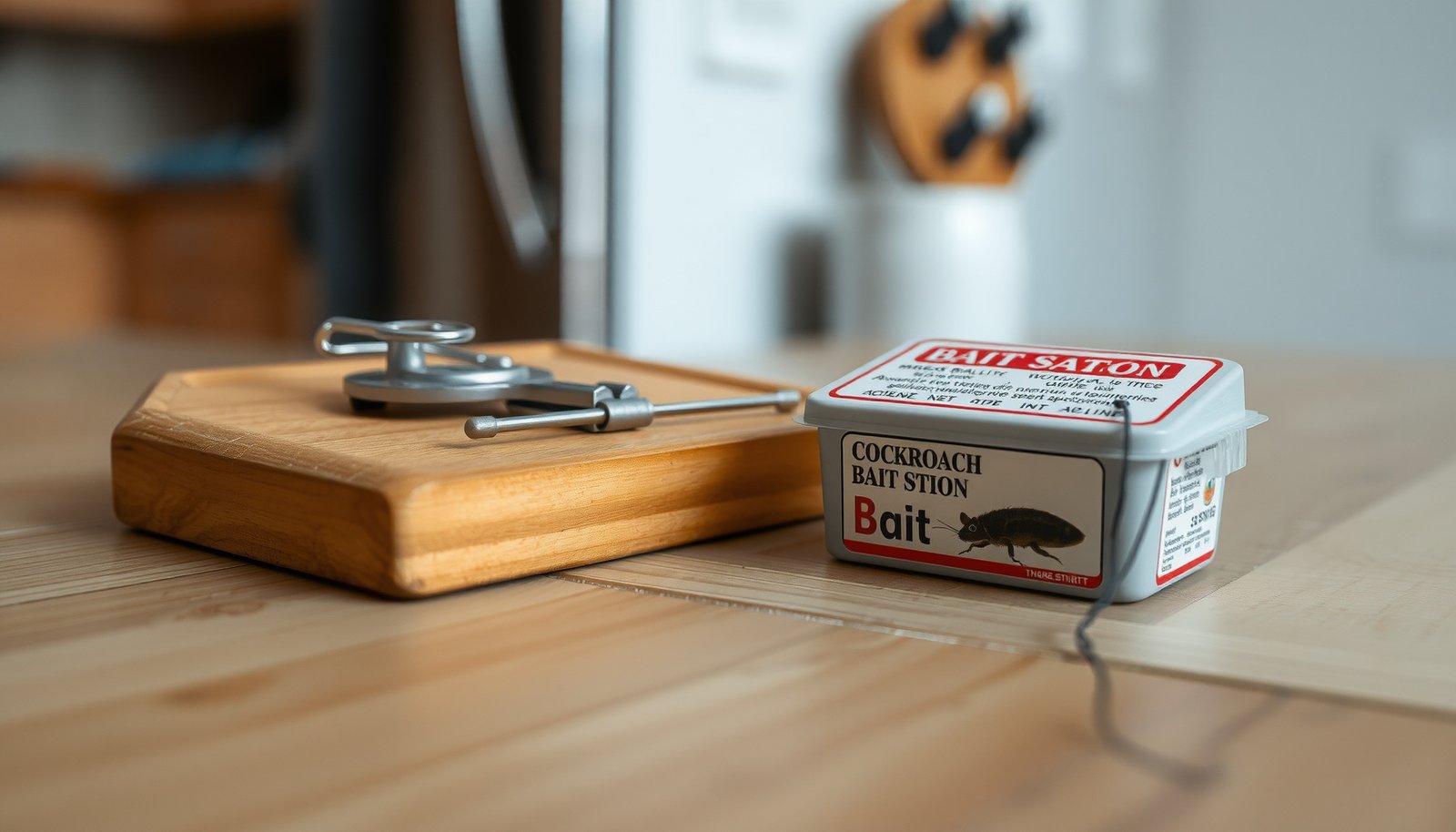
This close-up shows the kinds of signs — droppings, grease marks, gnaw damage — that form the paper trail you need to establish a pre-existing infestation rather than a tenant-caused one.
Does It Matter Whether You Have Cockroaches or Rodents?
Legally, both cockroaches and rodents trigger the same habitability framework — but practically, they behave very differently in a dispute. Cockroach infestations are almost always structural in origin. German cockroaches, the species most common in apartment buildings, reproduce fast: a single female can produce 30–40 eggs per capsule and generate hundreds of offspring in a matter of months. An infestation that looks like yours is often coming from wall voids, utility chases, or neighboring units. That’s a building problem, not a you problem.
Rodents are a bit more complicated because their entry point matters. Mice can squeeze through a gap as small as 1/4 inch, and those gaps are almost always in the building’s structure — foundation cracks, pipe penetrations, gaps around HVAC lines. A landlord who hasn’t sealed those entry points is exposing you to an infestation they could have prevented. That said, if you’re leaving food out openly or there’s significant clutter that gives rodents harborage, a landlord’s attorney will absolutely point to that in a dispute — and they won’t be entirely wrong.
What Shifts the Cost to the Tenant — and Why It Happens More Than You’d Think
Responsibility shifts to the tenant in specific, documentable situations. This is the part that catches renters off guard, because the line between “landlord’s problem” and “tenant’s problem” is drawn based on cause — not by who discovered it first or who’s most inconvenienced by it. Courts and housing agencies look at origin and contribution, and if your behavior meaningfully contributed to the infestation, you may share the cost or own it entirely.
Here are the most common circumstances where tenant liability becomes real:
- You introduced the pest. Bringing in secondhand furniture without inspecting it — a couch, a dresser, a mattress — and introducing a roach or mouse population that wasn’t there before puts the liability squarely on you.
- You ignored a known problem and let it worsen. Most states require tenants to notify landlords of infestations promptly. Waiting weeks or months while the problem compounds can shift liability, especially if the delay allowed the infestation to spread to other units.
- Your sanitation created the conditions. Leaving food debris, standing water, or open garbage consistently is grounds for a landlord to argue the infestation was tenant-caused. This is especially relevant for cockroaches, which are drawn to grease and food residue.
- You refused or obstructed pest control access. If your landlord scheduled treatment and you repeatedly blocked entry, any continued infestation after that point is difficult to pin on the landlord.
- The infestation is isolated to your unit only. If every other unit in the building is pest-free and only yours has an active problem, the origin question cuts against you — though this alone isn’t enough to flip full responsibility.
Pro-Tip: Take timestamped photos of pest activity the day you discover it — not a week later. Courts and housing inspectors treat documentation date as the discovery date, and getting that right is the single most important thing you can do to protect your position in any dispute.
How State Law Actually Varies — and Why Where You Live Changes Everything
The habitability doctrine is near-universal, but state laws differ significantly on what happens after you report a pest problem. Some states give landlords as few as 72 hours to respond to an emergency habitability complaint. Others allow 30 days or more for “reasonable” remediation. And a handful of states have explicit pest control statutes that name cockroaches and rodents by category as landlord responsibilities — with no ambiguity whatsoever.
Here’s a simplified look at how the landscape breaks down across major state groupings:
| State Category | Landlord Pest Obligation | Tenant Remedy if Ignored |
|---|---|---|
| Strong habitability states (CA, NY, IL, WA) | Explicit duty to exterminate; typically 24–72 hrs for urgent infestations | Rent withholding, repair-and-deduct, lease termination |
| Moderate habitability states (TX, FL, OH, GA) | General habitability duty applies; pest control not always named explicitly | Written notice required; limited self-help remedies |
| Weaker tenant protection states (AL, AR, WY) | Landlord duty exists but tenant has fewer statutory remedies | Primarily complaint to housing authority or civil lawsuit |
One underexplored detail: in several states, if you live in a single-family rental home rather than a multi-unit building, the legal burden is actually more likely to shift toward you as the tenant. Single-family lease agreements often include pest control responsibility clauses that are explicitly assigned to tenants — and courts in those states tend to uphold them, because the argument that an infestation “came from another unit” simply doesn’t apply.
“Tenants consistently underestimate how much the origin narrative matters in these disputes. A German cockroach infestation in a multi-unit building is almost never one tenant’s fault — the biology doesn’t support that. Those populations move through shared wall voids, and one unit simply can’t self-infest in isolation. Landlords who blame tenants for a building-wide cockroach problem are hoping the tenant doesn’t know that.”
Dr. Patricia Hensley, Urban Entomologist and Extension Specialist, Rutgers Cooperative Extension
What to Actually Do If Your Landlord Refuses to Pay or Act
Picture this: you send your landlord a text about cockroaches on a Monday. They say they’ll “look into it.” Two weeks later, nothing has happened and the problem is worse. At that point, you have options — but they depend entirely on following a specific sequence that most tenants skip because they don’t know it exists.
Here’s the process that actually works:
- Send written notice via email or certified mail. Texts are fine as a first contact, but formal notice in writing starts the legal clock. State exactly what you observed, when, and that you expect remediation within the time frame your state law requires.
- File a complaint with your local housing authority. Most cities and counties have a housing inspector who can cite landlords for pest infestations as code violations. An official citation creates a paper record that is very useful in any subsequent dispute.
- Document everything obsessively. Photos, videos, dated notes about conversations. If the infestation spreads or worsens after your written notice, that timeline is your strongest evidence.
- Understand your state’s “repair and deduct” rules before using them. Many states allow tenants to hire pest control themselves and deduct the cost from rent — but usually only after proper notice and a waiting period. Skipping the notice step first will cost you the reimbursement.
- If rodents are involved, ask specifically about entry point sealing. Exterminating mice without sealing the gaps they’re using is essentially worthless. If your landlord sends a pest control company that only sets traps but doesn’t seal entry points, the infestation will return within weeks. If you need to understand your trap options while waiting for your landlord to act, Best Mouse Traps: Snap, Electronic and Humane Options covers what actually works for interim control.
One nuance worth being honest about: the practical timeline for resolution varies widely depending on your city, your landlord, and your local housing court backlog. In some markets, filing a complaint with the housing authority produces a landlord visit within a week. In others, the process takes months. If you’re dealing with a significant rodent infestation in a city with slow housing enforcement, you may need to combine the formal complaint process with interim professional treatment — and that means understanding what different pest control companies actually do differently. A side-by-side like Orkin vs Terminix vs Rentokil: Which Pest Control Service Is Best? is worth reading before you call anyone, so you’re not paying for something superficial while you wait for your landlord to act.
The counterintuitive reality that most pest articles won’t tell you: getting reimbursed from a landlord is often easier than getting them to act proactively. Once you have a housing citation, a dated paper trail, and documented costs, small claims court becomes a viable option for amounts under most states’ thresholds — and landlords frequently settle before the court date rather than have a habitability violation on their record. The legal system here actually does favor informed tenants who follow procedure. The ones who lose are the ones who acted first and documented second.
Frequently Asked Questions
who pays for pest control in a rental property?
In most states, landlords are responsible for pest control when the infestation exists before move-in or results from structural issues like gaps in walls or a leaky roof. Tenants can be held responsible if the infestation is tied to their own behavior, like leaving food out or not taking out trash. Always check your lease — some landlords try to shift all pest costs to tenants, but many states won’t allow that if it violates habitability laws.
can a landlord make a tenant pay for cockroach extermination?
A landlord can charge a tenant for cockroach extermination if they can prove the infestation was caused by the tenant’s unsanitary conditions. However, if cockroaches were present before the tenant moved in or got in through building cracks, that’s the landlord’s problem to fix. Document everything — move-in inspection reports and dated photos can be the difference between you paying or not paying.
is a rodent infestation the landlord’s responsibility?
Yes, in most cases rodent infestations are the landlord’s responsibility because rodents typically enter through structural gaps, holes larger than a quarter inch, or broken foundation seals — all things a tenant can’t legally repair. Landlords are required to maintain a habitable unit under the implied warranty of habitability, which exists in nearly every U.S. state. If your landlord ignores a rodent problem after written notice, you may have grounds to withhold rent or break your lease depending on your state’s laws.
what to do if landlord refuses to pay for pest control?
Start by sending a written notice — email or certified letter — describing the infestation and giving the landlord a reasonable deadline to respond, typically 14 to 30 days depending on your state. If they still refuse, you can contact your local housing authority or code enforcement office, which can inspect the unit and issue violations. Some states allow tenants to use ‘repair and deduct’ — hiring an exterminator and subtracting the cost from rent — but check your state law before doing this.
does renters insurance cover pest control or rodent damage?
Standard renters insurance policies do not cover pest control costs or property damage caused by rodents and cockroaches — insurers classify this as a maintenance issue, not a covered peril. So if mice chew through your laptop cord or ruin your couch, you’re likely paying out of pocket. Your best move is to document the damage, notify your landlord in writing, and push for them to cover it since it falls under their responsibility to maintain a pest-free unit.
Disclaimer: This article is for general informational purposes only and does not constitute legal advice. Landlord-tenant laws and pest-related disclosure or habitability requirements vary significantly by state and even by city, and they change over time. Before withholding rent, breaking a lease, or taking other legal action over a pest infestation, consult a licensed attorney or your local tenant rights organization familiar with the laws in your area.