
Latest posts
-
How to Identify Psocids (Booklice): Tiny Bugs in Books and Walls

Psocids aren’t a sign that your home is dirty — they’re a sign that your home is humid, and that’s a distinction that matters enormously for how you respond. Most people who find these tiny pale insects crawling across old books, cardboard boxes, or wallpaper assume they’ve got a hygiene problem. They scrub surfaces, throw…
-
What Do Weevils Look Like in Flour and Pantry Foods?
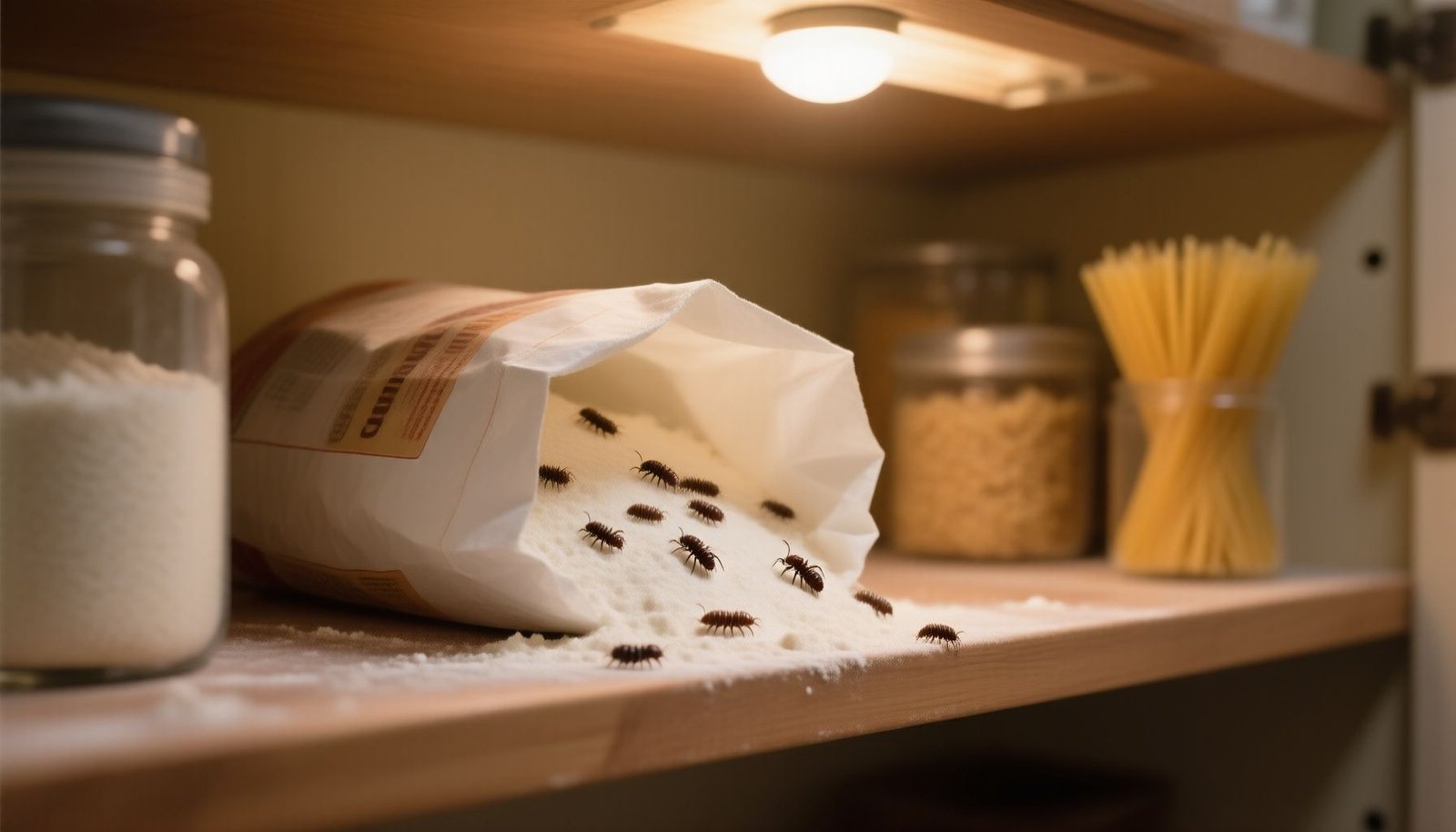
Flour can look completely normal and still be crawling with weevils — that’s the part nobody warns you about. The bugs you’re looking for are small enough to hide between grains, and the eggs they lay are completely invisible to the naked eye. Most people throw out an infested bag only after they’ve already eaten…
-
How to Identify Clover Mites: Tiny Red Bugs on Windowsills
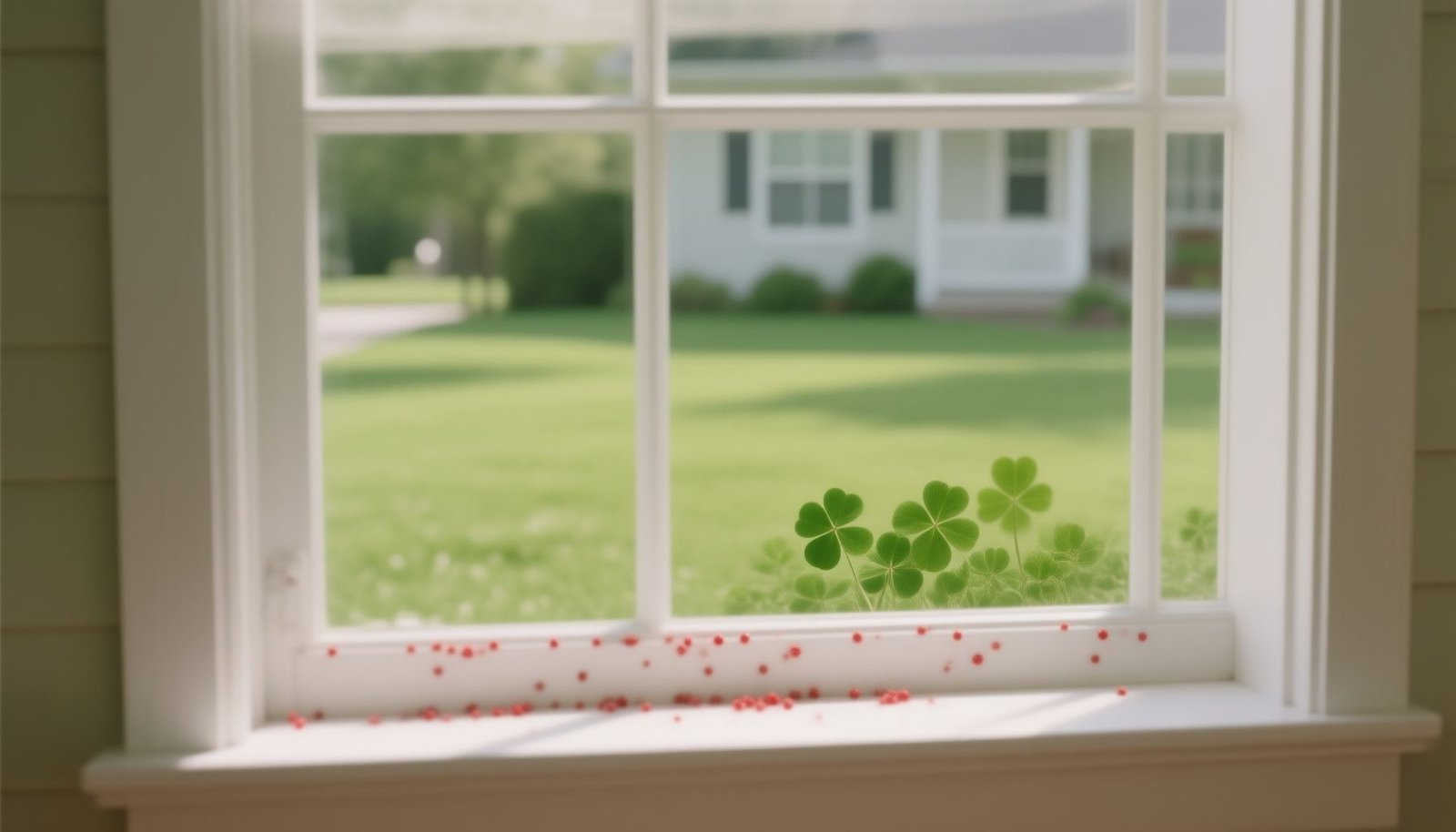
Clover mites are not coming inside because something is wrong with your home — they’re coming in because something is very right with your lawn. That’s the part almost every article skips. These tiny red specks on your windowsills aren’t a sign of filth, structural damage, or a failing garden. They’re a sign that your…
-
What Do Springtails Look Like and Why Are They in My Bathroom?
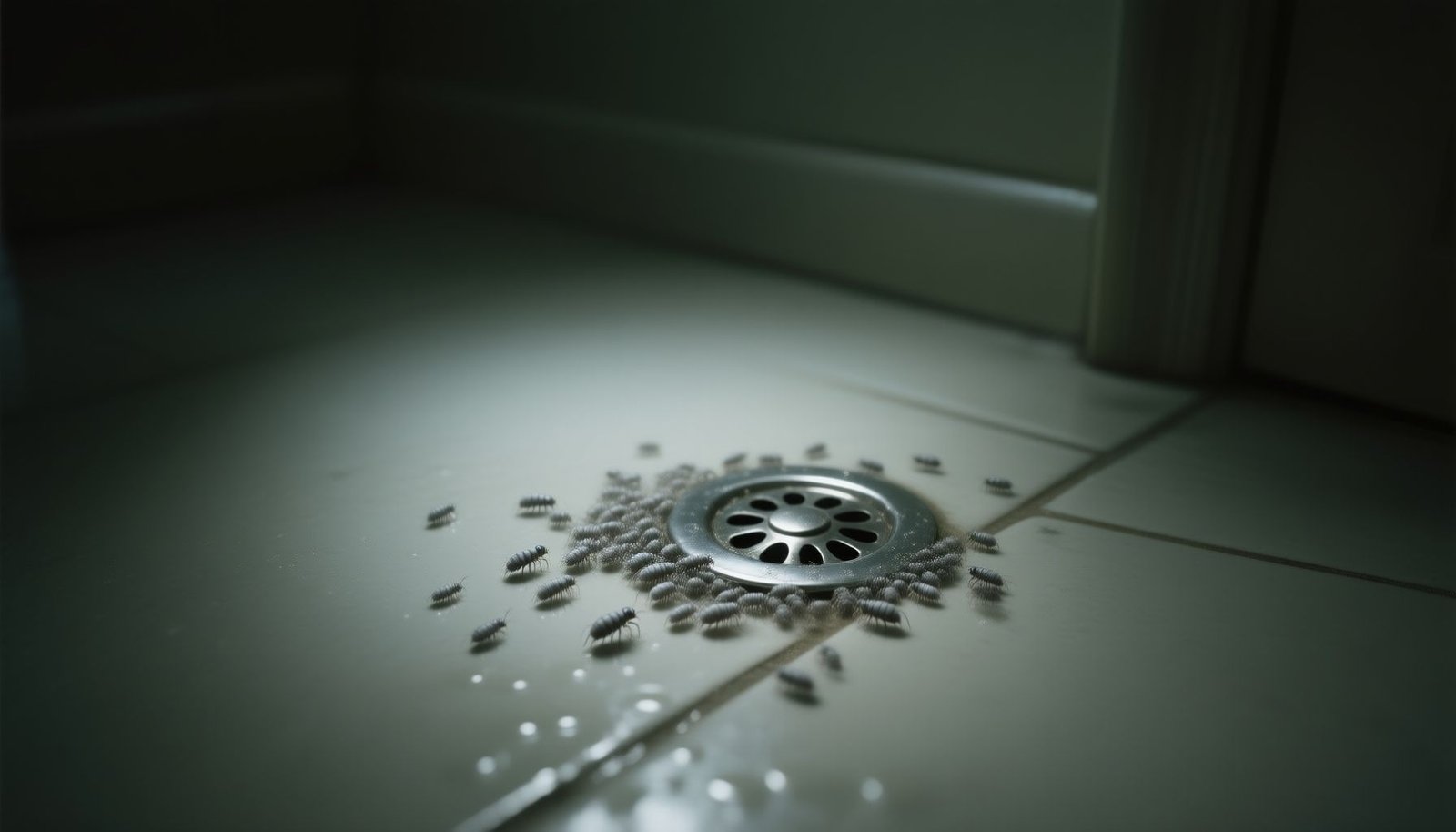
Springtails aren’t a sign your bathroom is dirty — and that’s the thing almost every panicking homeowner gets wrong. These tiny insects show up in spotless, freshly renovated bathrooms just as readily as neglected ones, because what draws them isn’t grime. It’s moisture. If your bathroom has a slow-draining tub, a sweating pipe under the…
-
How to Identify Boxelder Bugs: Black and Orange Insects Explained
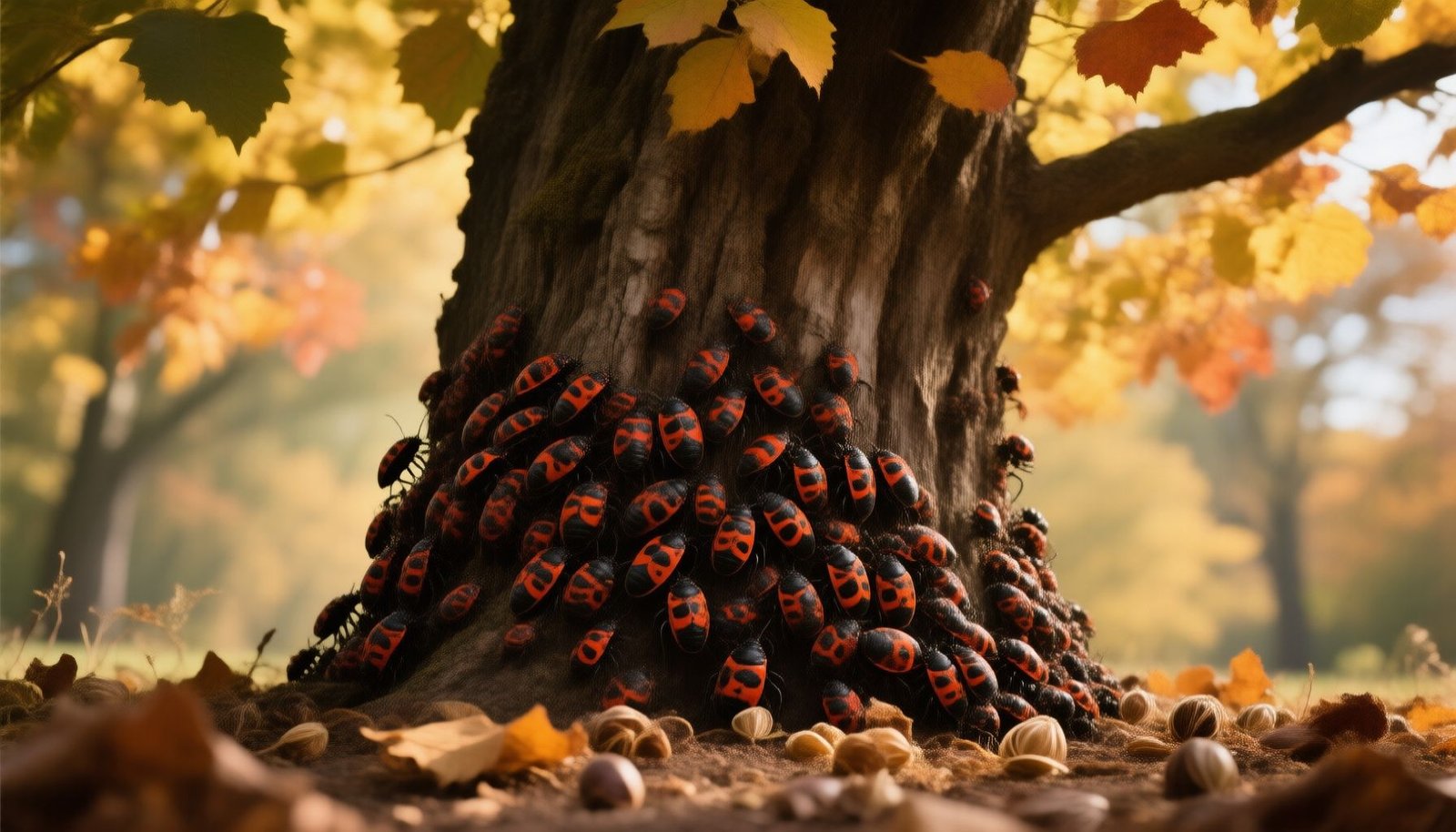
Boxelder bugs aren’t actually dangerous — and that’s exactly why so many people mishandle them. Because they look alarming (that bold black-and-orange pattern reads “danger” at a glance), homeowners either panic and grab the wrong product or dismiss them entirely because they heard boxelders are harmless. Both reactions miss the real problem: boxelder bugs invade…
-
What Do Carpet Beetle Larvae Look Like? Tiny Hairy Worms Explained
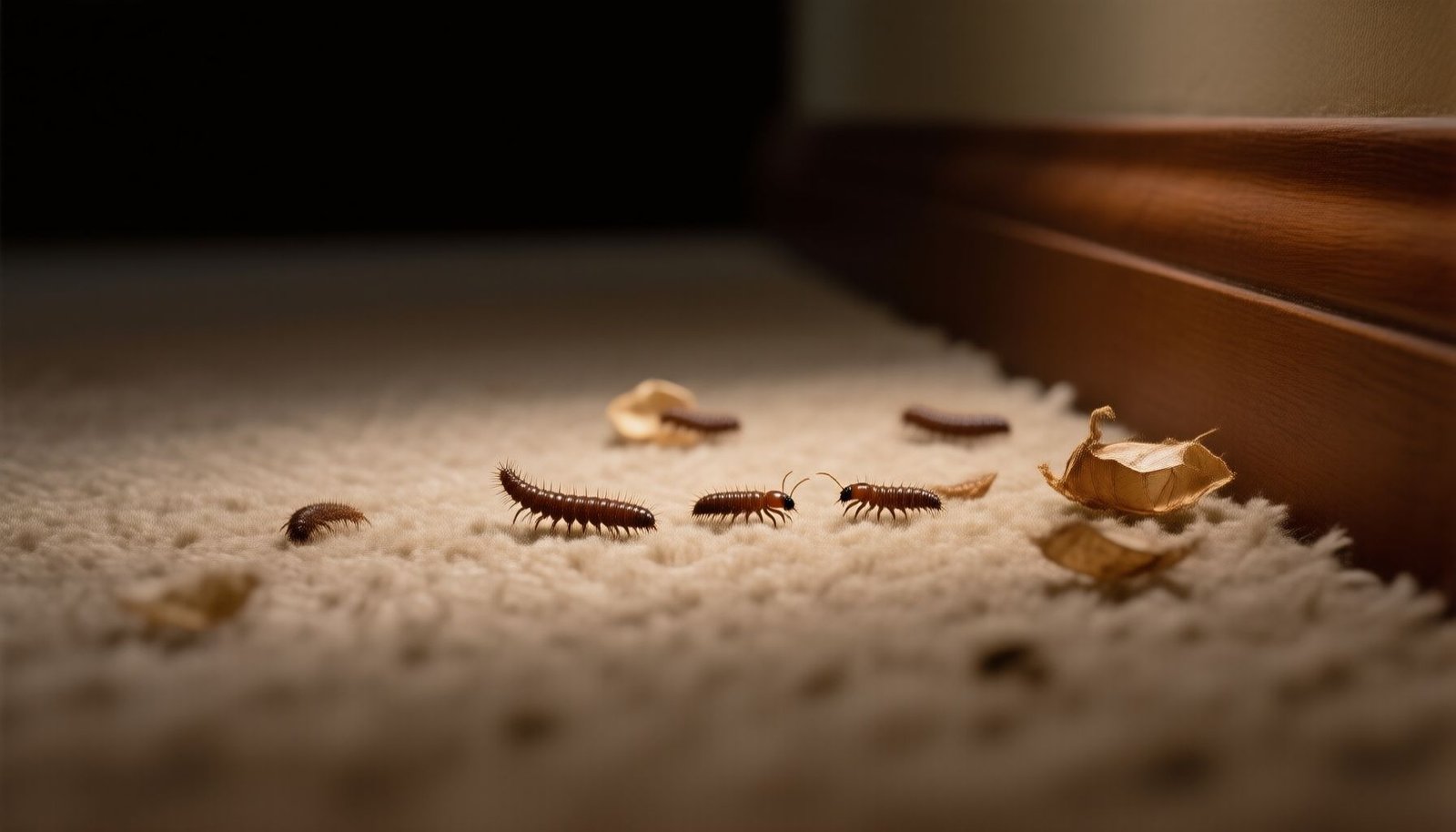
Carpet beetle larvae are not worms. That single misidentification is responsible for thousands of homeowners treating the wrong pest, buying the wrong products, and watching the damage spread while they wonder why nothing is working. They’re small, hairy, slow-moving, and they live in places most people never think to check — which is exactly why…
-
How to Identify Fruit Flies vs Fungus Gnats vs Drain Flies
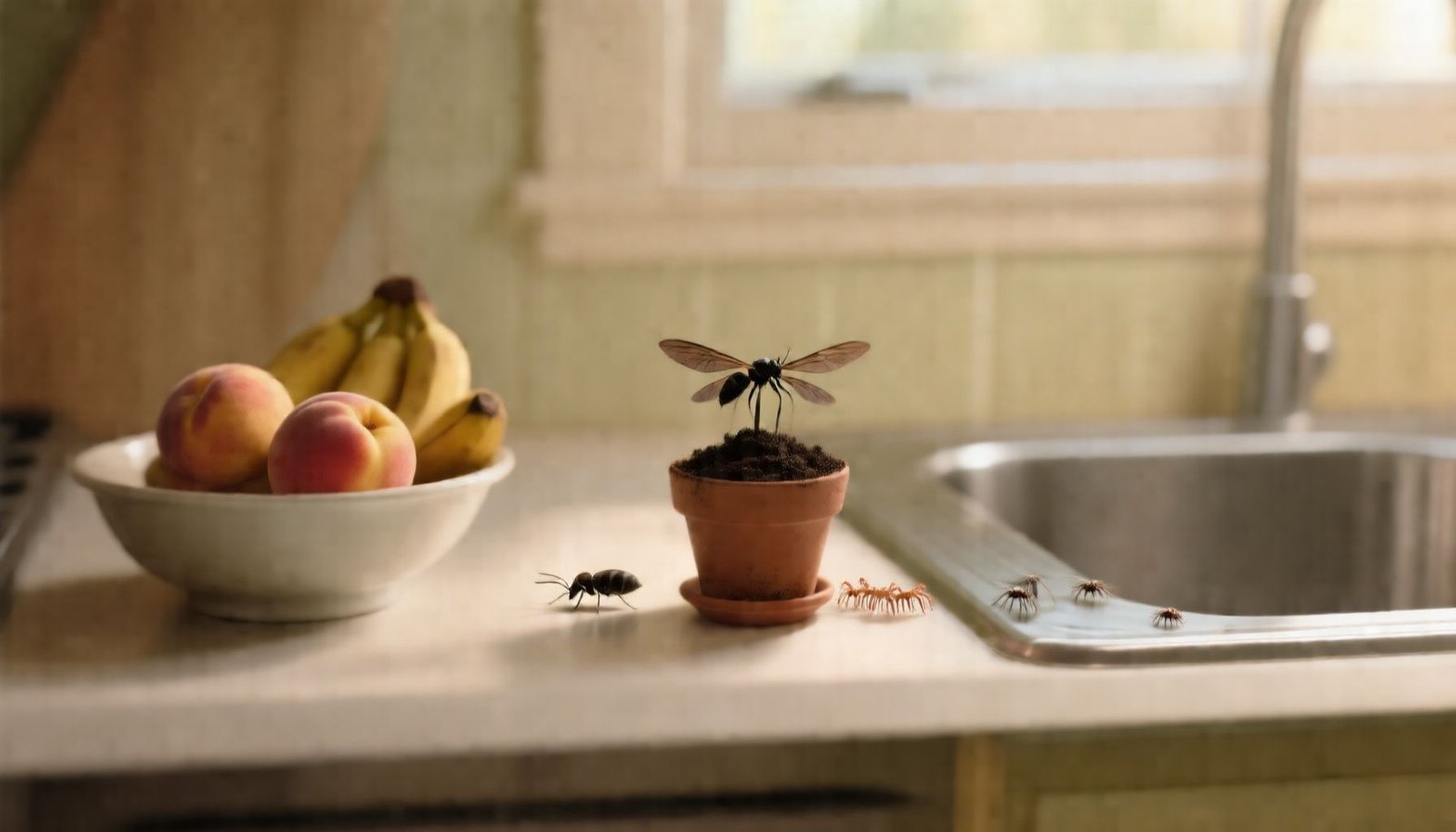
Three tiny flies are hovering near your kitchen sink, and you’ve already bought the wrong trap. That’s the most common outcome of misidentifying fruit flies, fungus gnats, and drain flies — and it’s not because homeowners aren’t paying attention. It’s because every article on the internet tells you to look at wing shape and body…
-
How to Identify Carpenter Ants vs Regular Ants in Your Home
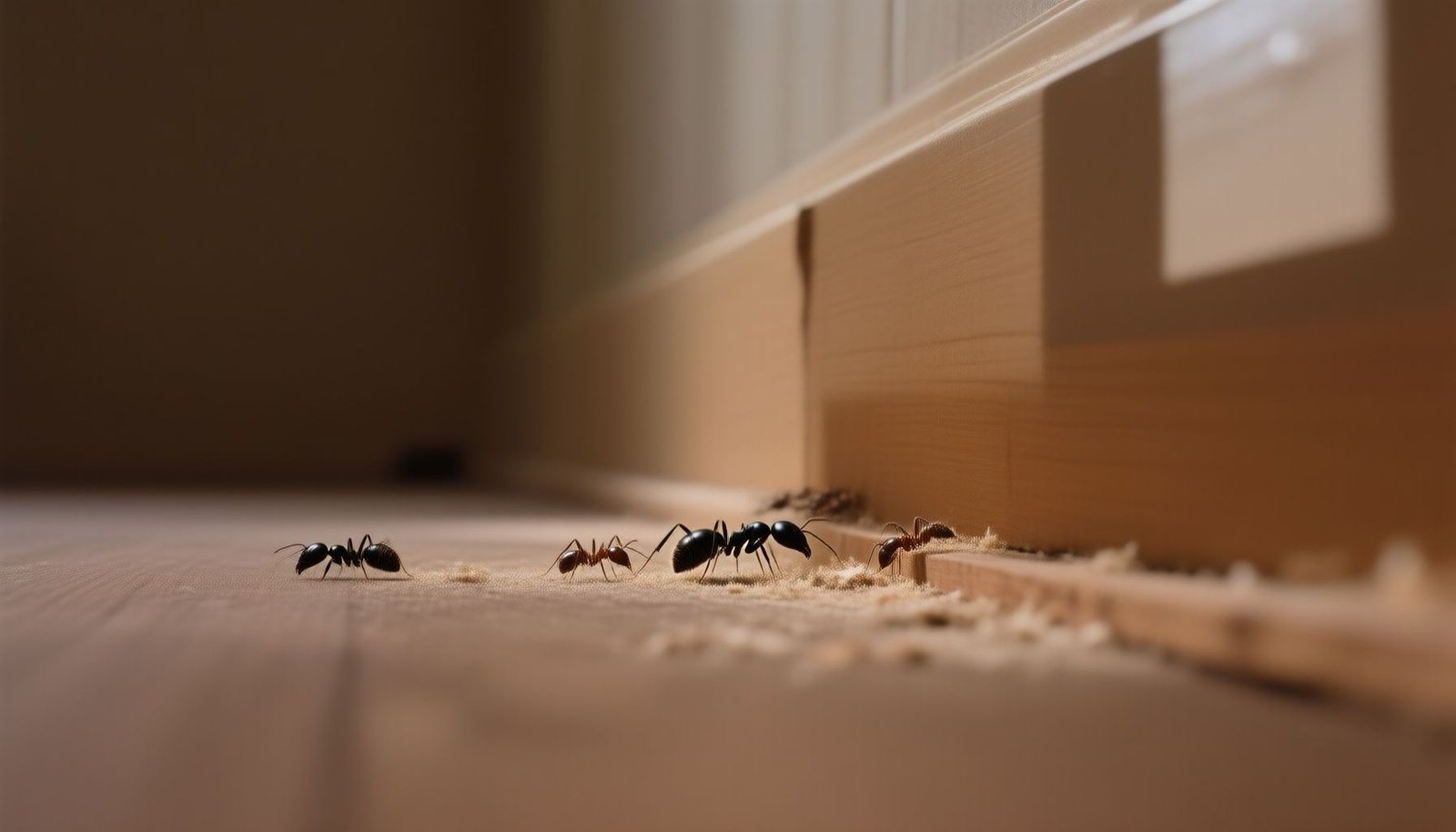
Size alone will not save you from misidentifying these two insects — and that mistake costs homeowners thousands of dollars in structural repairs every year. The real problem isn’t that carpenter ants and regular ants look alike. It’s that most people check the wrong features first, convince themselves it’s just a “harmless” pavement ant, and…
-
What Do Centipedes vs Millipedes Look Like? Key Differences
Both of them are long, leggy, and fast enough to make you jump — but centipedes and millipedes are about as different as two bugs can get, and misidentifying one will lead you to completely the wrong response. Here’s the bottom line: if it moves fast and has one pair of legs per body segment,…
-
How to Identify Stink Bugs: What They Look Like and Why They Smell
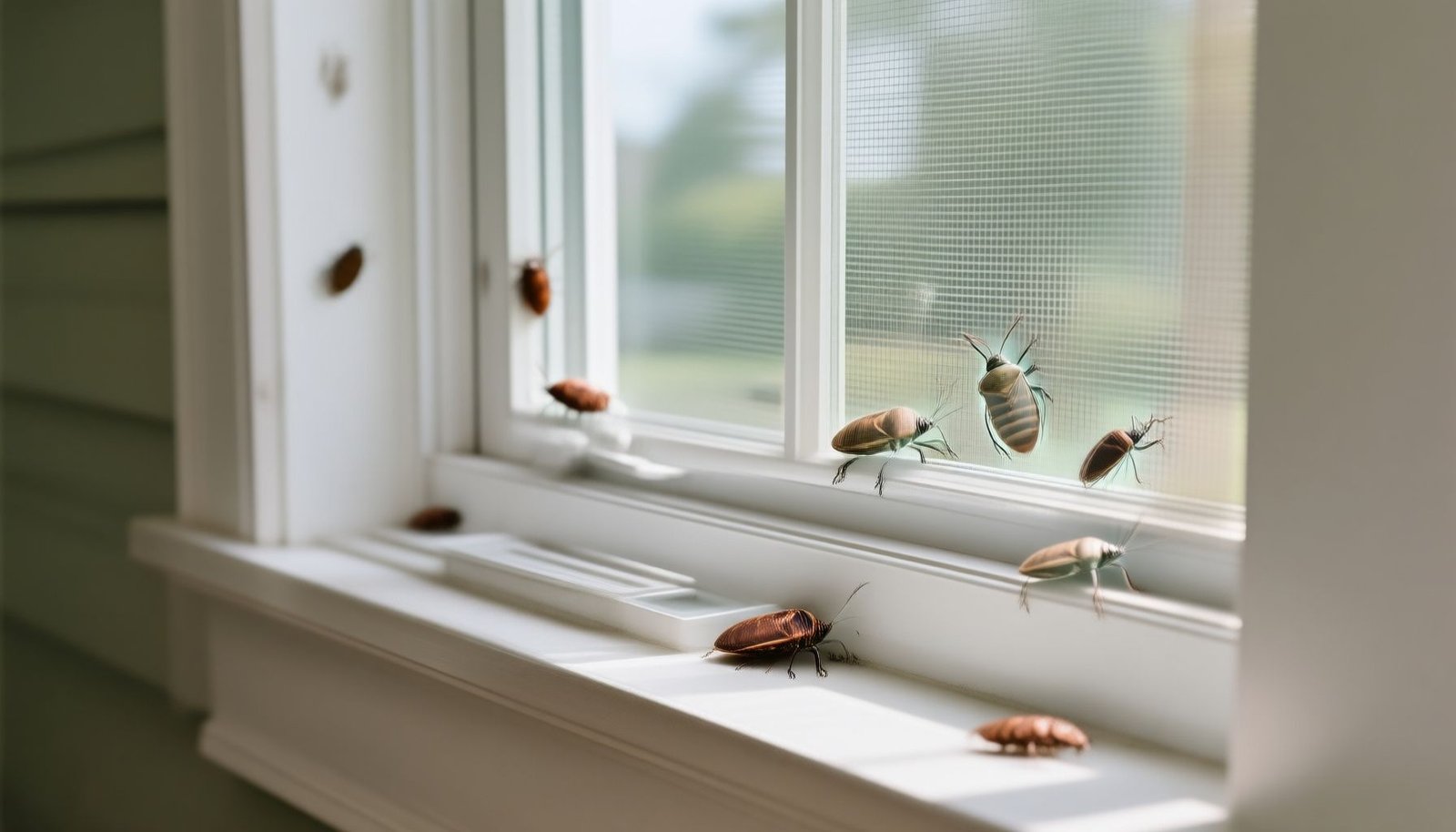
That smell hitting you right now is your answer. Before you see a stink bug clearly, before you catch one crawling across your windowsill, the odor is already telling you exactly what you’re dealing with — and most people either misidentify it entirely or don’t connect it to an insect at all. The real identification…