

Killing firebrats near a fireplace or furnace without fixing the heat source is like bailing out a boat without plugging the hole — they’ll be back within days. That’s the part most pest control articles skip entirely. Firebrats don’t wander in from outside the way silverfish sometimes do; they specifically colonize zones where temperatures stay between 90°F and 106°F, which makes your furnace room, chimney chase, and the wall cavities behind a wood-burning fireplace some of the most prime real estate in your entire house for this pest. Get rid of them without addressing that thermal environment and you’re just rotating populations.
Why Firebrats Keep Coming Back to Heat Sources (Even After Treatment)
Here’s the biological reality that most treatment guides gloss over: firebrats (Thermobia domestica) are obligate thermophiles. Unlike silverfish, which can survive at room temperature, firebrats genuinely struggle to reproduce below about 72°F. Their eggs won’t even hatch reliably unless the ambient temperature is at or above 90°F. Your furnace, boiler closet, or the radiant heat pouring off a masonry fireplace creates a perfect incubator that sits active for months every year.
A single female firebrat can lay 6–7 eggs per day in batches and produce well over 200 eggs across her lifetime — but only if she stays warm enough to keep reproducing. That thermal dependency is actually your biggest advantage, because disrupting access to those hot zones is a genuine control lever that most DIY advice ignores completely. Cooling down a furnace room isn’t practical, but sealing the harborage points immediately adjacent to the heat source is entirely doable and dramatically cuts the habitat available to them.
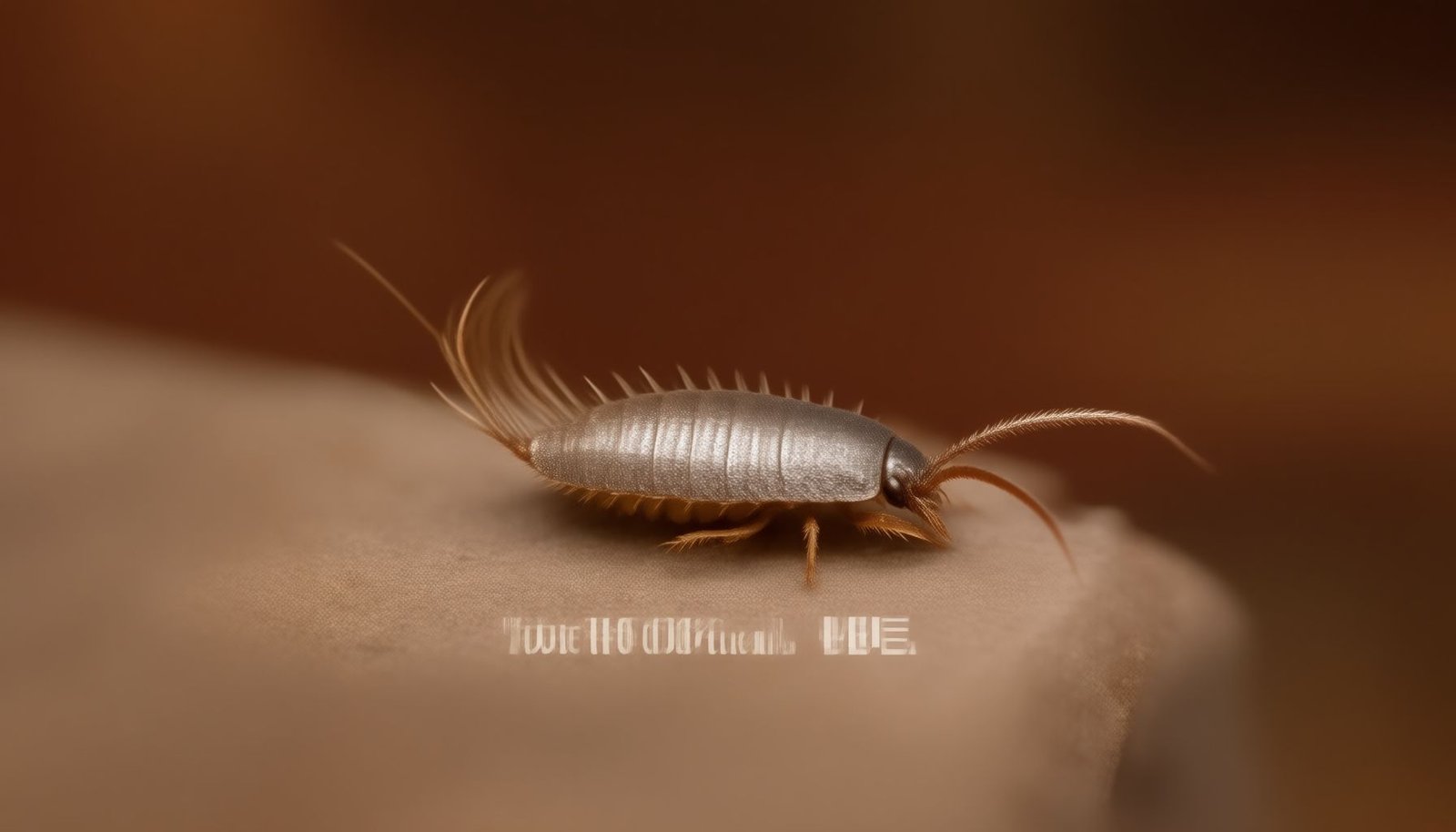
This close-up shows a firebrat’s three distinctive tail filaments and the mottled gray-brown patterning that separates it from silverfish — knowing what you’re actually looking at near your furnace determines which treatment approach will actually work.
How to Confirm You Actually Have Firebrats (Not Silverfish or Something Else)
Picture this: you pull out the cover panel on your furnace to replace a filter and something fast and flat skitters across the sheet metal into a seam. It’s gone in under a second. You assume “silverfish” because the shape is right. But the location — directly on or near the furnace — is your first clue that you’re probably dealing with firebrats instead. The site already has a detailed breakdown on firebrats vs. silverfish identification, so the focus here is specifically on what confirms a fireplace or furnace infestation rather than a general household one.
Firebrats have a mottled, pepper-gray coloration with darker spots — silverfish are uniform metallic silver. Both have three tail cerci and two long antennae, but if you’re finding them inside or directly behind a heat-producing appliance rather than in a cool bathroom or basement bookshelf, firebrats are the far more likely culprit. Shed skins near the furnace are another reliable sign; firebrats molt throughout their lives and leave behind translucent papery husks that accumulate in tight seams around ductwork and pipe penetrations.
The Specific Spots Around Fireplaces and Furnaces Where Firebrats Actually Live
Firebrats don’t distribute evenly through a house. They cluster in micro-zones where heat concentrates and where there’s something starchy or protein-rich nearby. Around a wood-burning fireplace, that means the ash pit, the mortar joints in the firebox wall, the gap between the firebox and the framing behind the surround, and the space under a raised hearth. Around a gas or oil furnace, they concentrate in the area directly above the heat exchanger, inside return air plenums (where paper and dust collect), and in pipe chases that run through warm utility closets.
One counterintuitive fact: firebrats are commonly found in the insulation wrap around older hot-water pipes, not because they eat insulation, but because the surface temperature of that wrap sits in their preferred range and the fibers provide physical shelter. Checking pipe insulation in the furnace room or behind a fireplace is a step most treatment protocols skip entirely, and it’s often where the highest concentrations are hiding.
| Location | Why Firebrats Target It | What to Look For |
|---|---|---|
| Furnace plenum / heat exchanger area | Sustained temps of 90–106°F, dust and debris as food | Live insects, shed skins, fecal specks (tiny black dots) |
| Firebox mortar joints and ash pit | Radiant heat absorbed in masonry, starchy ash residue | Shed skins, egg clusters in deep mortar cracks |
| Hot-water pipe insulation wraps | Surface temp in ideal range, fibers provide harborage | Frass, skins, live adults when wrap is disturbed |
| Wall cavity behind fireplace surround | Trapped radiant heat, paper-faced drywall or insulation as food | Frass trails, skins at baseboard gaps |
Step-by-Step Treatment That Targets the Heat Zone Specifically
Generic “silverfish treatment” advice tells you to dehumidify. That’s partly useful but it completely misses the point for firebrats — humidity matters less to them than temperature does. A dry 100°F furnace room is still a perfect habitat. The treatment approach for firebrats near heat sources has to be layered: physical exclusion first, residual insecticide in the right places second, bait or sticky traps for monitoring third.
- Seal pipe and wire penetrations into the furnace room or fireplace chase. Use high-temp fire-rated caulk (not standard latex caulk, which degrades near heat) around any gap where conduit, pipes, or wires enter the wall. Firebrats use these channels to move between the heat source and other parts of the house. Even a 1/4-inch gap is enough for them to transit freely.
- Apply a residual insecticide dust into wall voids and seams adjacent to the heat source. Delta dust (deltamethrin) or CimeXa (amorphous silica gel) both hold up in warm, low-humidity environments better than wettable powder sprays do. Inject the dust into the gaps along the firebox surround, behind access panels, and into the return air plenum area if it’s safely accessible with the furnace off. CimeXa is particularly effective because it physically damages the insect’s cuticle rather than relying on a chemical nerve effect — which means firebrats can’t develop resistance to it.
- Place insect glue boards directly in the heat zone. Set sticky traps flat on the floor of the furnace room, inside the access panel area if safe to do so, and along the base of the fireplace surround. These double as population monitors — check them every 3–4 days for the first two weeks to see if numbers are dropping.
- Remove all food sources within 10 feet of the heat source. This means cardboard storage boxes, stacks of newspaper or magazines, any starched fabric, and debris accumulation behind the furnace. Firebrats eat carbohydrates, proteins, and even the paste used in old wallpaper — clear the buffet and you starve them out faster.
- Treat the chimney chase access point if you have a wood-burning fireplace. Have the chimney swept annually, but also ask the sweep to point out any gaps in the chase framing at the top and bottom. These gaps allow firebrats to move between the warm chimney exterior and the attic or wall cavity — a common but rarely discussed migration route.
Pro-Tip: Don’t apply liquid residual sprays directly on or near the furnace heat exchanger or firebox interior — the heat volatilizes most insecticides too quickly for them to work and creates fumes you don’t want in an air-circulating system. Stick to dust formulations in those zones, and apply liquids only to cooler adjacent surfaces like baseboards and wall voids at least 2–3 feet away from the heat source.
What Professional Pest Control Does Differently for Fireplace Firebrat Infestations
A licensed pest control professional dealing with a fireplace or furnace firebrat problem is going to do something most homeowners can’t easily replicate: they’ll use a professional-grade crack-and-crevice injector to get insecticide dust into voids that are genuinely inaccessible otherwise. The mortar joints on a 30-year-old masonry fireplace, the seam where the furnace plenum meets the framing, the channel behind a cast-iron insert — these aren’t places you can reach with a squeeze bulb duster from a hardware store.
“Firebrat infestations near furnaces are consistently underestimated because people treat the visible surfaces and miss the thermal harborage entirely. The insects aren’t living where you see them running — they’re living in the 2-inch seam between the firebox liner and the framing behind it, or in the insulation around the flue pipe. Until you get material into those voids, you’re just inconveniencing them.”
Dr. Michael Bentley, Entomologist and Director of Training, National Pest Management Association (NPMA)
The honest nuance here is that severity matters a lot. A mild infestation discovered early — say, a handful of firebrats spotted near a gas furnace in a utility closet — is very manageable with the DIY steps above if you’re thorough about the sealing and dust application. A long-established colony inside a masonry fireplace chase or inside an older furnace’s insulated housing is a different situation entirely, and the realistic path there involves a professional with the right injection equipment and the expertise to inspect without compromising the appliance. If you’ve had firebrats for more than one heating season, getting a professional assessment is worth the cost before spending money on products that won’t reach the actual colony.
Some pest issues look completely different once you start pulling back panels and opening access points — similar to how getting rid of bird mites after a nest removal reveals that the real infestation is deeper in the wall cavity than the surface treatment ever reached. Firebrat problems behind fireplaces and in furnace rooms follow the same pattern: what you can see is rarely the full picture.
Long-Term Prevention — Keeping Firebrats Out of Heat Zones for Good
Prevention for firebrats near heat sources is genuinely different from general pest-proofing advice because the appeal of your furnace room isn’t going away. The heat is structural. So the strategy shifts to making the perimeter of that zone inhospitable — sealing transit routes, eliminating nearby food, and maintaining a monitoring system that catches reinfestation early rather than after a population has re-established.
Here’s what an ongoing prevention routine looks like in practice:
- Annual furnace maintenance visit as a pest inspection too: When the HVAC technician pulls panels to service the furnace, look at those areas yourself before they go back on. Shed firebrat skins look like tiny translucent fish scales — easy to spot if you know what to look for.
- Switch to plastic bins for storage in furnace rooms: Cardboard is a firebrat food source and a harborage point in one. A sealed plastic storage bin eliminates both the food and the hiding spot simultaneously.
- Re-apply CimeXa dust annually in wall voids near the heat source: Unlike some insecticides, silica-based dusts don’t degrade quickly in dry conditions — but they can be displaced by vibration or settling. A light annual reapplication in key voids costs almost nothing and maintains the protective barrier.
- Address any moisture in the furnace room even though heat matters more: Even for firebrats, water sources attract a broader pest community that creates competition and cover. Fix dripping pipes or condensation on cold water lines near the furnace — it simplifies the pest picture significantly.
- Leave one sticky trap near the furnace year-round: A single glue board costs almost nothing and tells you immediately if firebrats are scouting that area again before a population builds up. Check it monthly during heating season, quarterly otherwise.
One thing worth knowing: firebrat pressure tends to be seasonal in most climates, peaking during the cold months when the furnace runs constantly and the heat zone stays consistently warm for weeks at a time. Homes in mild climates where the furnace runs less frequently or in shorter cycles often see lower infestation pressure simply because the heat zone isn’t as stable. If you’re in a region with harsh winters, your heating season is your highest-risk window — which is also, conveniently, when an annual prevention treatment applied in the fall makes the most difference. The same logic applies to other pests that exploit temperature gradients in homes; just as chipmunks under a foundation exploit structural gaps that open seasonally, firebrats exploit thermal patterns that intensify with heating-season use.
The bottom line on firebrats near fireplaces and furnaces: they’re not random wanderers that happened to find your kitchen — they’re thermal specialists that have specifically located the warmest micro-environment in your home and set up there because it’s genuinely ideal for them. That specificity is frustrating when you’re dealing with an infestation, but it’s also the key to solving it. Eliminate the accessible harborage in and around the heat source, use dust formulations that work in high-temp zones, and maintain basic monitoring through the heating season. Do those three things consistently and you’re not just treating a current infestation — you’re making your furnace room structurally less hospitable to firebrats than your neighbor’s is.
Frequently Asked Questions
What causes firebrats near a fireplace?
Firebrats are drawn to extreme heat and humidity, which makes the area around a fireplace or furnace almost perfect for them. They also need starchy food sources nearby — things like wallpaper paste, book bindings, or cardboard boxes stored close to the hearth. If you’ve got a warm utility room or fireplace surround with any moisture or clutter, you’re basically rolling out the welcome mat.
How do I tell the difference between a firebrat and a silverfish?
Firebrats are mottled gray or brown with darker spots, while silverfish are solid metallic silver. The biggest giveaway is location — if you’re finding them within a few feet of your furnace, water heater, or fireplace, it’s almost certainly a firebrat. Silverfish prefer cool, damp spots like bathrooms and basements, not hot zones pushing 90°F or higher.
What kills firebrats fast near a furnace?
Diatomaceous earth is one of the most effective options — sprinkle it around the base of the furnace, along the walls, and in any cracks where you’ve spotted them. Gel baits containing indoxacarb or boric acid-based products also work well in tight spaces where you can’t easily spray. You’ll typically start seeing fewer firebrats within 1–2 weeks, but keep treatments in place for at least 30 days to break the breeding cycle.
Can firebrats damage my home or are they just a nuisance?
They’re more than just creepy — firebrats will chew through paper, glue, fabric, and anything starchy or sugary they can find. Over time, they can damage books, wallpaper, stored documents, and even clothing stored near heat sources. They don’t bite humans or spread disease, but a large infestation left untreated can cause real property damage.
How do I prevent firebrats from coming back after treating them?
The key is cutting off what attracted them in the first place — reduce heat buildup where possible, fix any humidity issues, and keep the area around your fireplace or furnace clear of cardboard, paper, and fabric. Seal gaps around pipes, baseboards, and the firebox with caulk to cut off entry points and hiding spots. A follow-up application of diatomaceous earth every 60–90 days in high-risk zones can stop them from reestablishing.
Disclaimer: This article is for informational purposes only and isn’t a substitute for professional pest control advice. Always read and follow the product label instructions exactly — label directions are legally binding and vary by brand and active ingredient. Keep all pesticides, baits and traps away from children and pets, ventilate treated areas as directed, and consider calling a licensed pest control professional if an infestation is large, recurring, or involves a structural pest like termites or carpenter ants.