
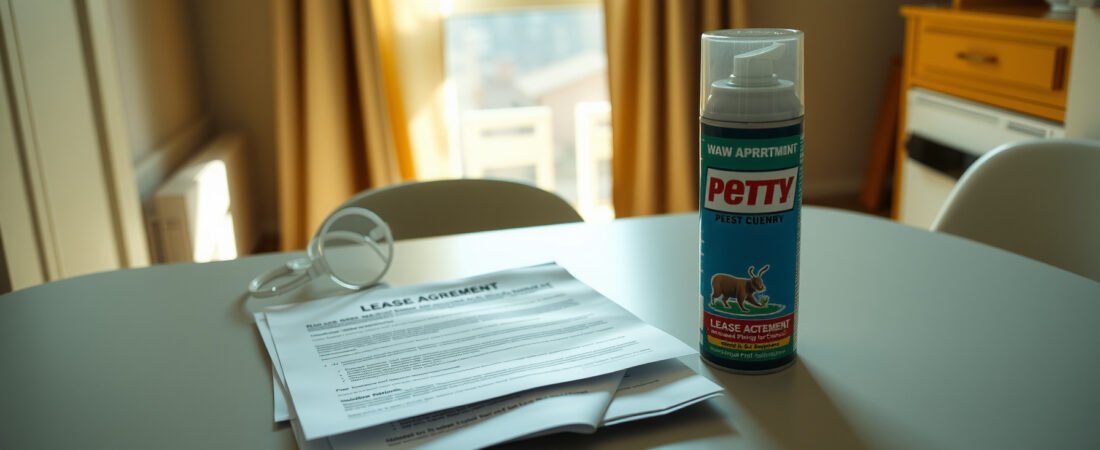
Yes, you almost certainly still owe rent during a bed bug treatment — but that’s not actually the question you should be asking. The real question is what leverage you have before, during, and after that treatment, because most renters walk into this situation handing their landlord every advantage without realizing it. The withholding-rent move gets all the attention online, but it’s a last resort that can backfire badly if you skip the steps that make it legally defensible. Here’s what the law actually gives you — and how to use it.
Do Tenants Have to Keep Paying Rent If Bed Bugs Make the Unit Uninhabitable?
Technically, yes — rent is still legally owed in most states even when bed bugs have made your apartment miserable. Withholding rent without following the correct legal process doesn’t make you exempt from eviction; it makes you a nonpaying tenant who happens to have a pest complaint. Those are two separate issues in most court systems, and landlords know it. The infestation doesn’t cancel your lease obligation automatically.
That said, the law does give you real tools. Most states have implied warranty of habitability statutes, which require landlords to maintain livable conditions — and a confirmed bed bug infestation typically qualifies as a breach of that warranty. The mechanism here matters: once you formally notify your landlord in writing and they fail to act within a state-defined window (often 14 to 30 days), you may be able to pursue rent reduction, repair-and-deduct, or escrow remedies — depending on which state you’re in. Skipping that written notice step is where most tenants lose their legal standing entirely.

This image shows a close-up of bed bug evidence on a mattress seam — exactly the kind of documentation photo you should be taking before any treatment begins, because that visual record is often what decides a landlord dispute in your favor.
What Most Tenants Get Wrong About the Rent Withholding Strategy
Here’s the thing almost no one tells you: in most states, you can’t just stop paying rent and point at the bed bugs. Rent withholding is a specific legal procedure, not a personal protest. States that allow it typically require you to deposit the withheld rent into a court-controlled escrow account — meaning you still have to have the money, you just redirect it. If you spend it instead, you’ve handed the landlord a clean eviction case and undermined your own habitability complaint in one move.
Picture this: a renter in a mid-rise apartment discovers bed bugs in early October, stops paying rent in November expecting the landlord to negotiate, and gets served with eviction papers by December. The landlord’s attorney argues the infestation wasn’t reported properly and the tenant simply stopped paying. The tenant had legitimate grounds — but no written notice trail, no photos with timestamps, and no escrow account. The case collapses. This scenario plays out constantly, and it’s entirely preventable. The bed bug infestation was real; the legal execution was wrong.
Which States Allow Rent Reduction or Withholding for Bed Bug Infestations?
Bed bug law is genuinely fragmented across the country, which is why generic advice about “your rights” can steer you wrong fast. Some states have enacted bed bug-specific statutes; others fold bed bugs under general habitability law; and a small handful leave tenants with almost no statutory protection at all. Knowing which category your state falls into changes your entire strategy.
| State Category | What the Law Typically Allows | Examples |
|---|---|---|
| Strong bed bug statutes | Rent withholding via escrow, repair-and-deduct, lease termination rights | New York, California, Illinois |
| General habitability protection | Rent reduction or withholding under warranty of habitability; less explicit | Texas, Florida, Georgia |
| Limited or weak protections | Tenant must rely on local ordinances or housing courts; state law is vague | Arkansas, West Virginia |
New York, for instance, has some of the most specific bed bug legislation in the country — landlords are required to provide a written rental history of bed bug infestations for the past year before you even sign a lease. California’s implied warranty of habitability has been interpreted broadly enough that a severe infestation can legally justify rent reduction even without a bed-bug-specific statute. If you’re in a state with weak protections, your best lever is often your local housing authority or a municipal code violation complaint, not state law. Check your city ordinances, not just your state statutes.
What You Should Actually Do the Moment Bed Bugs Are Confirmed
The actions you take in the first 48 to 72 hours after discovering bed bugs determine whether you have a legally defensible position later. Most tenants start by calling the landlord — which is fine — but calling isn’t enough. Everything has to be in writing from that point forward, and the documentation has to be specific. “I found bugs in my bed” isn’t the same as “I observed live bed bug adults and cast skins along the mattress seam in the bedroom, and I’m attaching 12 photographs taken at 7:14 AM on [date].”
Follow these steps in order, and don’t skip any of them:
- Photograph everything immediately. Date-stamped photos of live bugs, shed skins, fecal spots (small rust-colored dots), and bite marks on your skin. Bed bug fecal staining is often the most convincing evidence because it’s harder to dispute than bites alone.
- Notify your landlord in writing within 24 hours. Email is fine because it’s timestamped and saved automatically. Text messages work too — screenshot them. Certified mail is best if you suspect the landlord will claim they never received notice.
- File a complaint with your local housing authority or code enforcement. Do this simultaneously with landlord notification, not after. A code inspector’s report carries far more legal weight than your own photos alone.
- Keep a log of every interaction. Date, time, what was said, who said it. If the landlord verbally promises treatment “by next week” and then delays for a month, that log is your evidence of bad faith.
- Research your state’s specific remedy window. Most states require landlords to respond within 14 to 30 days of written notice. Knowing that number tells you exactly when you can escalate legally.
- Contact a tenant rights organization before withholding any rent. Many offer free consultations and can tell you whether escrow is required in your jurisdiction — a step that saves you from accidentally torpedoing your own case.
One thing that surprises people: filing the housing complaint doesn’t typically cost you anything and it’s often anonymous. Many tenants avoid it because they worry about retaliation, but most states prohibit retaliatory eviction after a good-faith habitability complaint — and the paper trail it creates is almost always worth it.
Can You Negotiate a Rent Reduction Instead of Withholding Rent Entirely?
Rent reduction is a smarter move than full withholding for most tenants — and it’s one of the most underused tools in this situation. Instead of stopping payment entirely (which triggers the eviction machinery), you pay a reduced amount and document in writing exactly why. It’s less legally risky, it keeps the relationship workable, and it still creates the paper record you’d need if things escalate later. A landlord who accepts even a partial payment is implicitly acknowledging the situation.
“Tenants consistently underestimate their negotiating position during active infestations. A landlord who hasn’t treated within the statutory window has already breached the lease — they just haven’t been told that in plain language yet. A formal written demand citing the specific habitability statute changes the tone of that conversation immediately.”
Dr. Marcus Lyle, Board-Certified Entomologist and Housing Policy Consultant, National Pest Management Association
Here’s what a reasonable rent reduction argument looks like in practice: bed bug treatments — especially heat treatments — can require you to vacate for 6 to 8 hours per session, with multiple sessions needed. If you’re sleeping in another room, bagging all your belongings, running clothes through a dryer at 120°F or higher repeatedly, and losing sleep for weeks, that’s a measurable reduction in the value of what you’re renting. Courts have recognized this. Some tenants have successfully argued for 20 to 40 percent rent reductions during the active infestation and treatment period. The key is requesting it in writing before the landlord completes treatment, not after — because once the infestation is resolved, your leverage evaporates quickly.
Pro-Tip: If your landlord offers a rent credit instead of cash, get it in writing with the exact dollar amount and the month it applies to. Vague verbal promises of “we’ll work something out” have no legal weight, and landlords sometimes conveniently forget those conversations once the exterminator has come and gone.
What Happens If the Treatment Fails and Bed Bugs Come Back?
This is where the situation gets genuinely complicated — and where most online guides stop short. A single chemical treatment has a real failure rate, especially in multi-unit buildings where bed bugs can travel through wall voids, electrical conduits, and shared plumbing chases. Adult bed bugs can survive over 300 days without feeding under cool conditions, which means bugs that hid during treatment can re-emerge weeks later. One treatment is rarely the end of the story.
If treatment fails and reinfestation occurs, your landlord’s legal obligation resets — they’re required to treat again, and the clock on their statutory response window starts over from your new written notice. This is worth knowing because some landlords will frame a reinfestation as “your fault” for not preparing the unit properly (not washing bedding, not clearing clutter, etc.). Whether that argument holds up depends on your state and the specifics, but the honest nuance is that tenant preparation genuinely does affect treatment outcomes — a poorly prepped unit can compromise even a good chemical treatment. Understanding the difference between fumigation vs spot treatment and which is right for your infestation helps you know what level of prep is actually required and whether what your landlord arranged was adequate in the first place.
Your rights in a reinfestation scenario typically include:
- The right to demand a different treatment method if the first one demonstrably failed — especially if chemical-only approaches didn’t work in a multi-unit building
- The right to request documentation of what pesticide was used, at what concentration, and by whom — pest control companies are required to provide this upon request
- Renewed grounds for habitability complaints if the landlord refuses additional treatment within the statutory window
- Potential lease termination rights in states that allow constructive eviction claims — meaning the landlord’s failure to maintain livable conditions effectively ended the tenancy on their end
- Small claims court eligibility for documented out-of-pocket costs: replacing a mattress encasement, buying a portable bed bug heater for your belongings, hotel stays during treatment, or even new furniture if the landlord’s delay allowed a severe infestation to destroy it
Something worth knowing that almost never appears in these discussions: if your building has a pest control service contract — which many larger apartment complexes do — that contract may specify how quickly treatments must be initiated and how many follow-up visits are included. Asking your property manager for a copy of their exterminator contract is completely within your rights, and what’s in that contract (or what’s missing from it) can be revealing. Some landlords have been found to be paying for quarterly general pest service while managing active bed bug complaints with the same low-intensity approach — which is a bit like using a pheromone trap designed for a different pest and wondering why it isn’t working. The tool has to match the problem.
The bottom line is that paying rent during a bed bug treatment isn’t just a yes-or-no financial question — it’s the entry point to a set of legal rights most tenants never fully use. Document everything from day one, understand which specific remedies your state actually provides, and treat rent reduction as a negotiating tool rather than waiting for the nuclear option of full withholding. Landlords who know you understand the law tend to move considerably faster than those who assume you don’t.
Frequently Asked Questions
Do you have to pay rent during bed bug treatment?
Yes, in most cases you’re still legally required to pay rent during bed bug treatment — bed bugs don’t automatically suspend your rent obligation. However, if your landlord refuses to treat the infestation and the unit becomes uninhabitable, some states allow you to withhold rent or pursue rent escrow. Always check your specific state’s landlord-tenant laws before stopping payment, since doing it wrong can get you evicted.
Can I withhold rent if my landlord won’t treat bed bugs?
In about 30 states, tenants have the legal right to withhold rent if a landlord fails to address a serious infestation like bed bugs after being given written notice. Most states require you to notify your landlord in writing and give them a reasonable window — usually 14 to 30 days — to respond before you can take any action. Skipping that notice step is one of the most common mistakes tenants make, and it can seriously hurt your case.
Who is responsible for paying for bed bug treatment landlord or tenant?
In most states, the landlord is responsible for paying for bed bug treatment because they’re required to provide a habitable living space under the implied warranty of habitability. The exception is if you or a guest brought the bed bugs in — in that situation, your lease may allow the landlord to bill you for treatment costs. Some leases include specific bed bug clauses, so it’s worth reading yours carefully before assuming who pays.
Can I get a rent reduction for bed bugs?
Yes, you may be entitled to a rent reduction or rent abatement if bed bugs have made part of your unit unusable — like if you can’t sleep in your bedroom during a multi-week treatment process. The amount varies, but courts have awarded reductions ranging from 10% to 50% of monthly rent depending on how much of the unit was affected and for how long. Document everything with photos, written complaints, and dates to support any claim you make.
Do I have to leave my apartment during bed bug treatment and do I still owe rent?
Whether you have to leave depends on the treatment type — heat treatments typically require you to be out for 6 to 8 hours, while chemical treatments may need 4 to 12 hours of vacancy. You still owe rent during this time since it’s a temporary displacement, not a loss of the unit. If your landlord requires you to stay out for multiple days or more than one treatment cycle, you may be able to negotiate temporary housing costs or a short-term rent credit.
Disclaimer: This article is for general informational purposes only and does not constitute legal advice. Landlord-tenant laws and pest-related disclosure or habitability requirements vary significantly by state and even by city, and they change over time. Before withholding rent, breaking a lease, or taking other legal action over a pest infestation, consult a licensed attorney or your local tenant rights organization familiar with the laws in your area.